Wakayama CityNo.262★★★Open in map →
Wakayama Castle
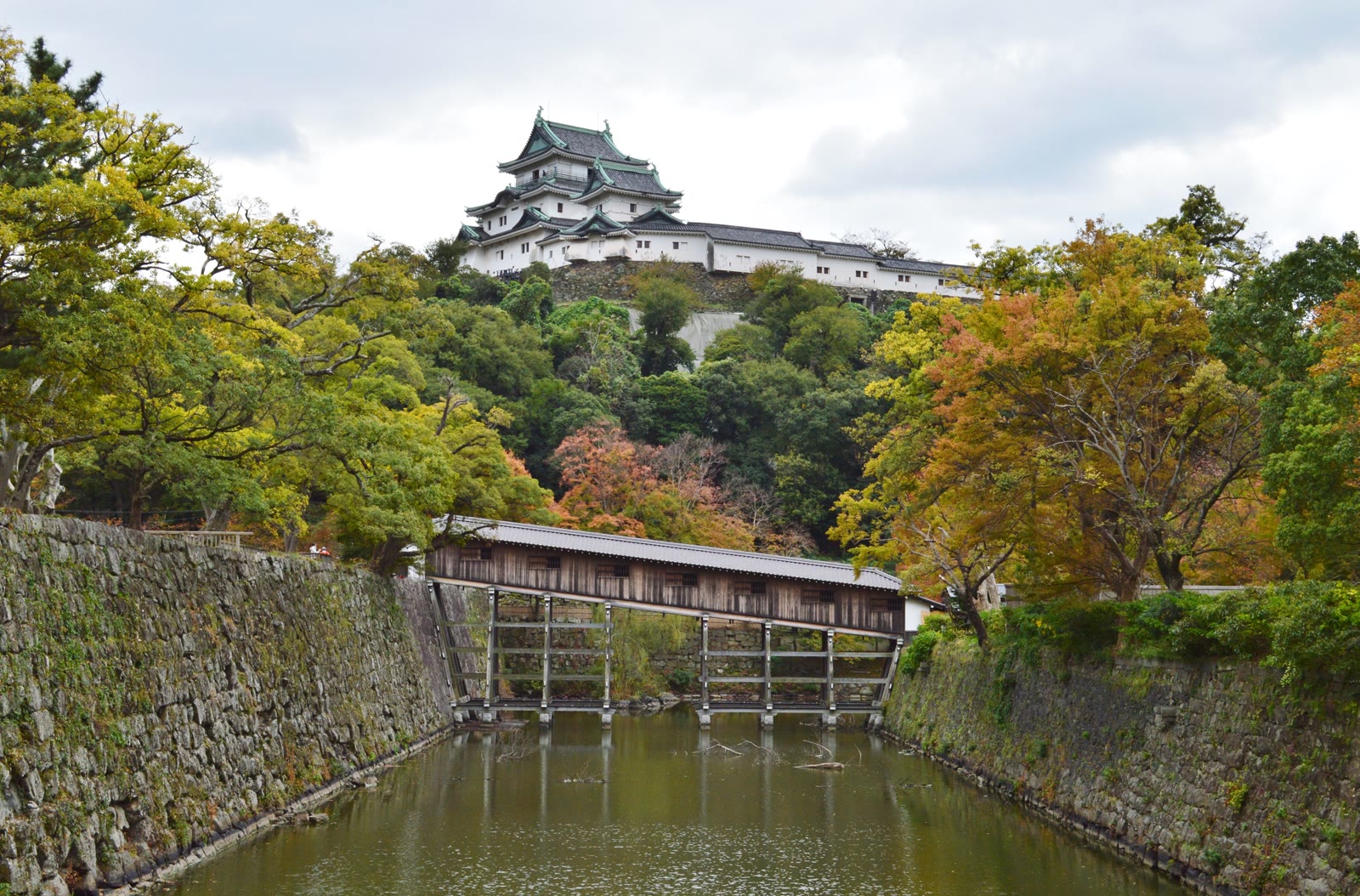
Perched on a granite hill above Wakayama City, this castle was the seat of the Kishu Tokugawa, one of the three senior Tokugawa branch families who alone held the right to produce a shogun. The Ohashi-roka covered bridge — a slanted walkway connecting two compounds — is found at very few castles in Japan.
- FromShin-Osaka Stn
- ~80 mintrain + bus or walk
- Get off atWakayamashi Station (Nankai Wakayama Line) or JR Wakayama Station (JR Kisei Line)
- From there
- Wakayama Castle
Where it is
21 more notes in Wakayama · open the map →What to look for — in walking order
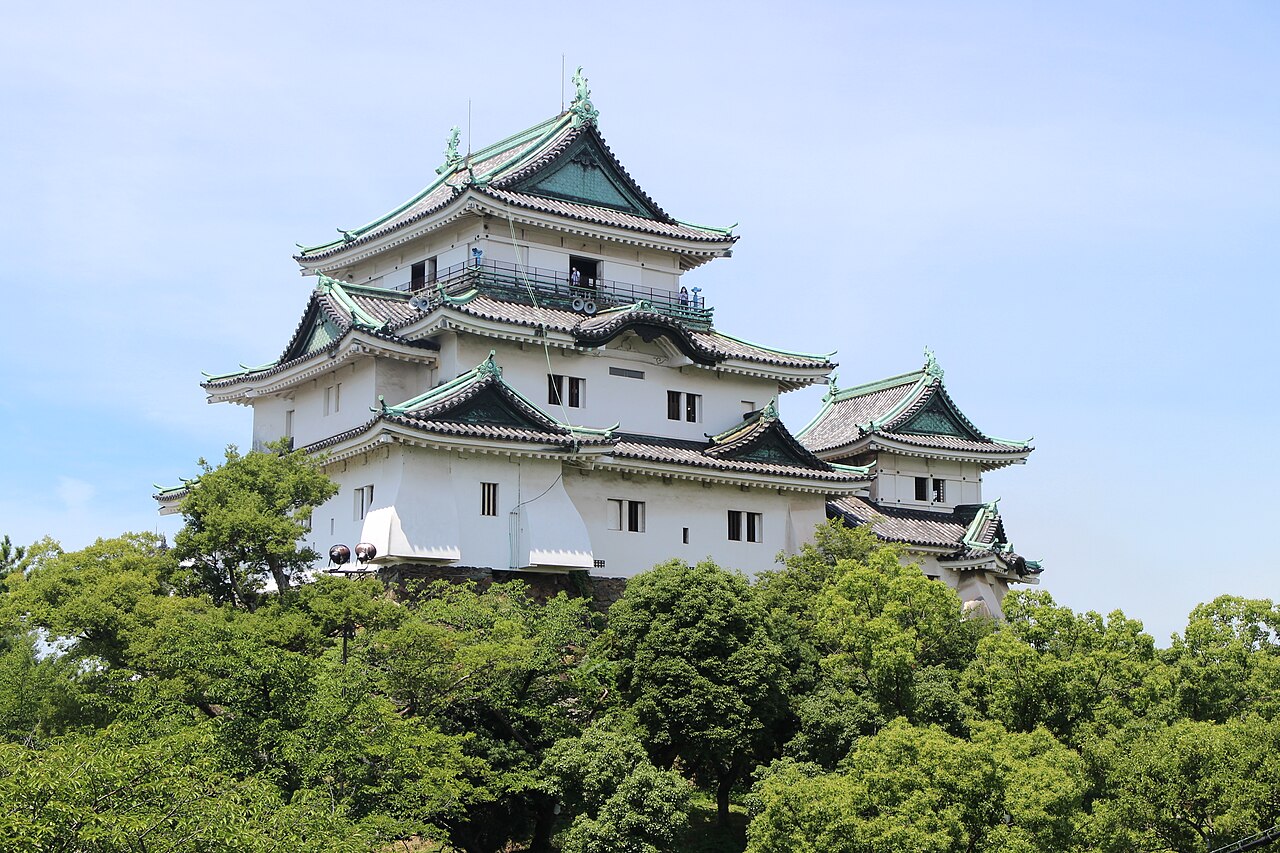
- Main keep (Tenshu) exterior and stone wallsthe white three-tiered keep on granite foundations; climb to the top floor for the city and river view
- Ohashi-roka covered bridgethe slanted walkway connecting the Nishi-no-maru and the main enclosure — visually unlike almost any other castle in Japan
- Nishinomaru Garden (Momijidani)stroll garden below the keep's west walls; famous for cherry blossoms in April and maple colours in November
- Castle museum (inside the keep)armour, weapons, and Kishu domain artefacts displayed on multiple floors of the reconstruction
How to actually get there
- Namba Stn (Osaka) → Wakayamashi Stn (Nankai Wakayama Line Ltd. Express, ~50 min).
- Wakayamashi Stn → castle park (bus to Koen-mae ~5–10 min, or walk ~15 min).
- Walk the stone walls and Ohashi-roka bridge; climb the keep for city views; visit Nishinomaru Garden.
- Nankai Line from Namba to Wakayamashi Station, then bus or walk
- Namba Station (Osaka) → (Nankai Wakayama Line Ltd. Express, ~50 min) → Wakayamashi Station → (bus to Koen-mae or Wakayama-jo-mae stop, ~5–10 min) or walk ~15–20 min. Alternatively: JR Osaka Station → (JR Hanwa Line, ~1 hr 15 min) → JR Wakayama Station → bus or walk ~20–25 min to the castle. Total from Osaka roughly 60–90 min depending on route.
- Bus to Wakayamashi or JR Wakayama, then train to Osaka
- Return bus to Wakayamashi Station for the Nankai Line back to Namba, or bus/walk to JR Wakayama for the JR Hanwa Line. Check Nankai timetables at nankai.co.jp.
About the place
Wakayama Castle stands on Torafuse-yama, a granite hill that rises above the flat city below. From its main keep, the city grid of Wakayama, the Kinokawa River, and the Kii Channel spread out in a panorama. The castle's most distinctive feature is the Ohashi-roka, a covered slanted bridge that connects the western compound to the honmaru (main enclosure) and accommodates the natural change in elevation of the hillside — a pragmatic and visually striking solution found at very few surviving Japanese castles. The compound also contains the Nishinomaru Garden, a stroll garden set below the keep's stone walls that draws visitors during cherry blossom season.
How to enjoy it
The castle park grounds are free to enter and pleasant to walk even without paying the keep admission. The view from the top floor of the keep — the original purpose of the ¥410 ticket — takes in the Kinokawa River mouth and the coastline. The Nishinomaru Garden charges a small additional fee and is at its best in April (cherry blossoms) and November (maples). The Ohashi-roka bridge is open without extra charge during regular park hours. Cash is easiest for the keep ticket; some local buses accept IC cards.
Background & history
Toyotomi Hideyoshi ordered the construction of the original castle in 1585, installing his younger brother Hidenaga as its lord. After Hideyoshi's death, control passed through several hands before the Tokugawa settled it permanently on the Kishu domain in 1619. The Kishu Tokugawa — one of the gosanke, the three senior Tokugawa branch families — held Wakayama throughout the Edo period, and the domain produced two of Japan's last shoguns (Yoshinobu was born into this line). The original keep was struck by lightning and destroyed in 1846, rebuilt, then destroyed again in the Second World War air raids of 1945. The current ferro-concrete reconstruction dates from 1958 and contains a castle museum on the upper floors. The Ohashi-roka covered bridge was fully reconstructed in 2001.
Before you go
- Cash
- IC cards (Suica / ICOCA) accepted on Nankai trains and local buses. Castle park: free. Keep admission: ¥410 adults, ¥200 children (middle school and under). Nishinomaru Garden: ¥200 adults. Cash easiest for castle tickets.
- Good to know
- Keep and museum: 9:00–17:30 (last entry 17:00). Closed 29–31 December. Nishinomaru Garden: same hours. Busiest in early April (cherry blossoms) and November (maples).
- Another way
- A taxi from Wakayamashi Station to the castle takes about 10 minutes and costs about ¥1,000 — convenient if buses are infrequent. The castle park is walkable from the station in about 15–20 minutes along a flat road.
- After you get off
- Wakayamashi Station (Nankai) is the nearest train station. From there, buses stop at 'Koen-mae' or 'Wakayama-jo-mae' (Castle front) — or walk south following signs, about 15 min on flat pavement.
Nearby notes
 Sakumata / CC0
Food · Wakayama★
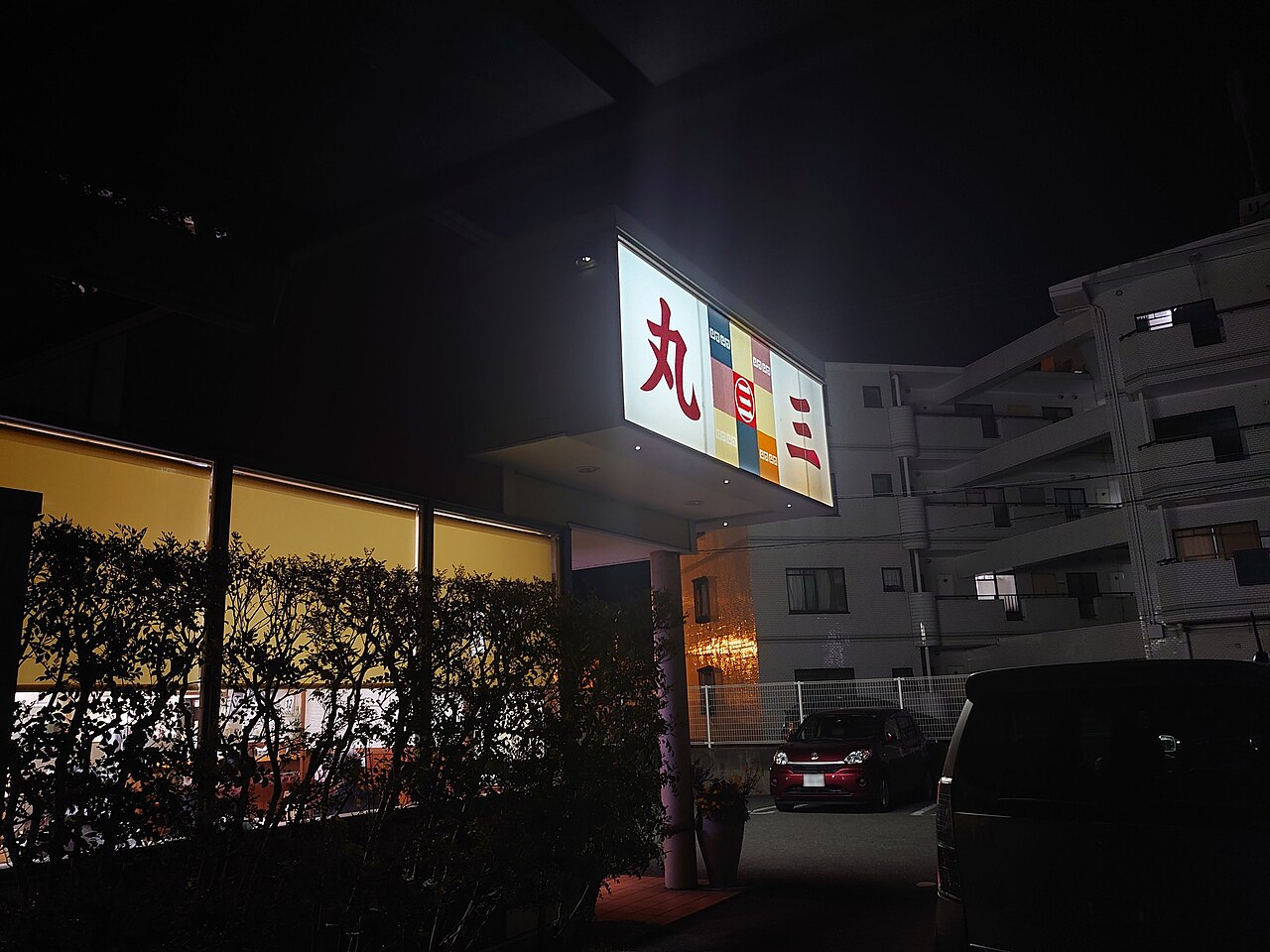
Wakayama chuka soba
0.4 km · straight line
 KENPEI / CC BY-SA 3.0
History · Wakayama★
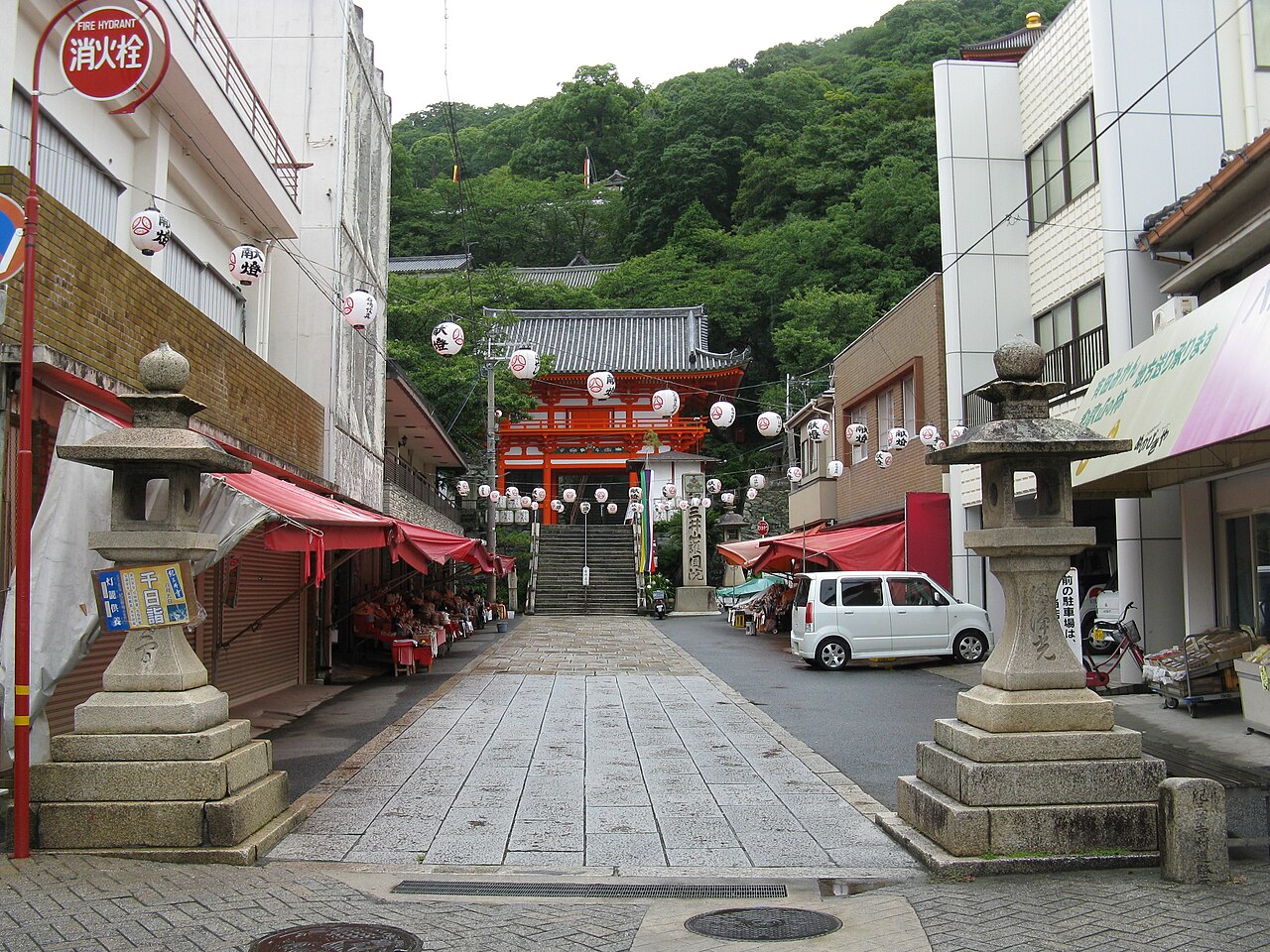
Kimiidera
5.3 km · straight line
 KQuhen / CC BY-SA 4.0
History · Wakayama★
Awashima Shrine
10.9 km · straight line
 illustration (AI-illustrated)
Nature · Wakayama★
Jogasaki Coast
11.3 km · straight line
Distances are straight lines on the map, not travel times.