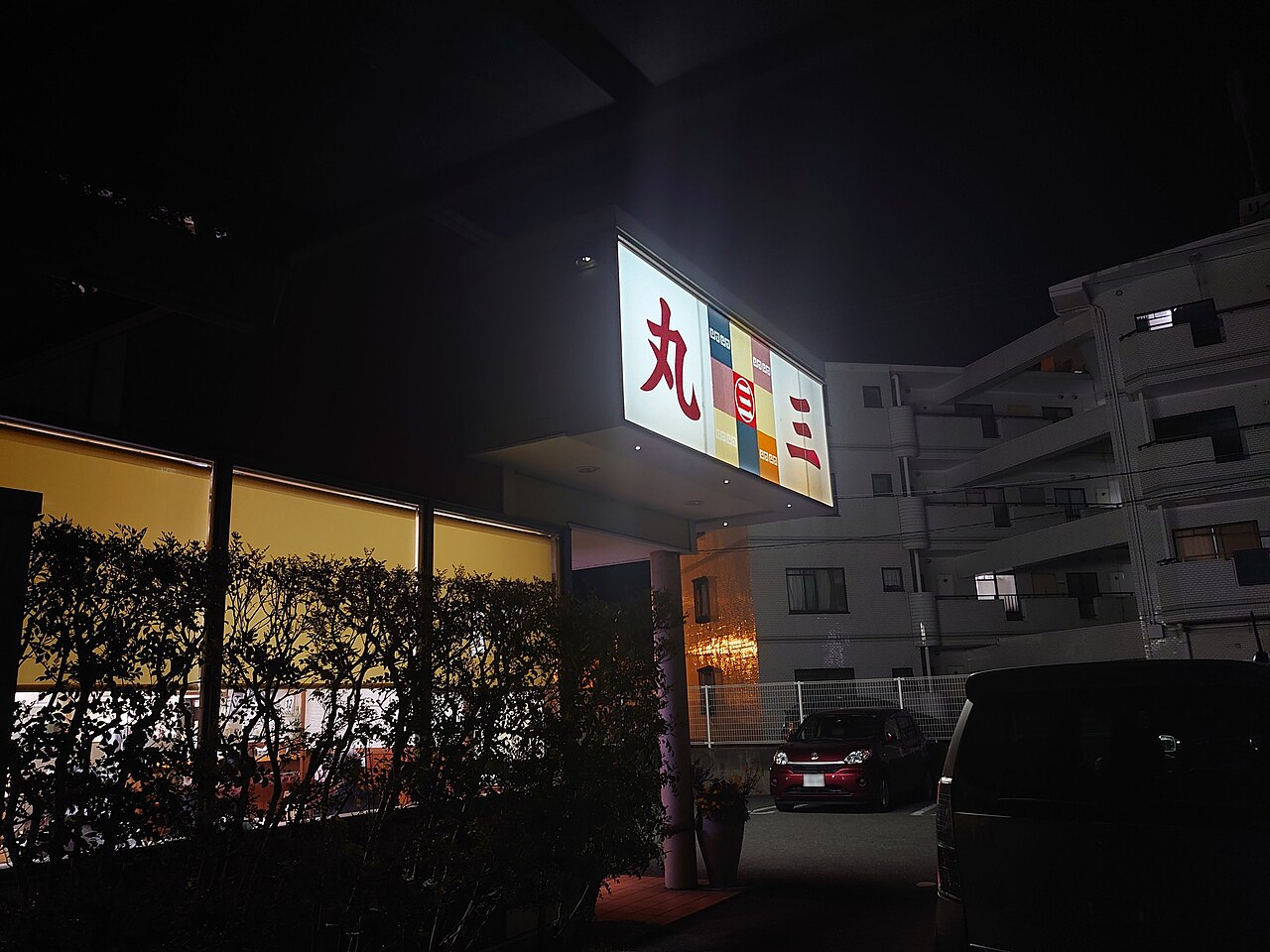
Kansai · Wakayama CityNo.148★Open in map →
Wakayama chuka soba
— the honor-system ramen counter
In Wakayama City, the local pork-and-soy noodle bowl is called chuka soba. Its counters run on a quietly trusting tradition: pressed mackerel sushi and boiled eggs sit out on the table to eat while you wait, tallied on your own word at the end.
- FromOsaka Stn
- ~90 mintrain (frequent)
- Get off atWakayama Station (JR)
- From there
- Wakayama chuka soba
The sweet spot
This is a whole-city food culture, not a single hidden shop, so it is easy to reach. What stays little-known abroad is the counter honor system with the pressed mackerel sushi: it is barely explained in English, and locals treat it as something everyone simply knows.
Where it is
21 more notes in Wakayama · open the map →What to look for — in walking order
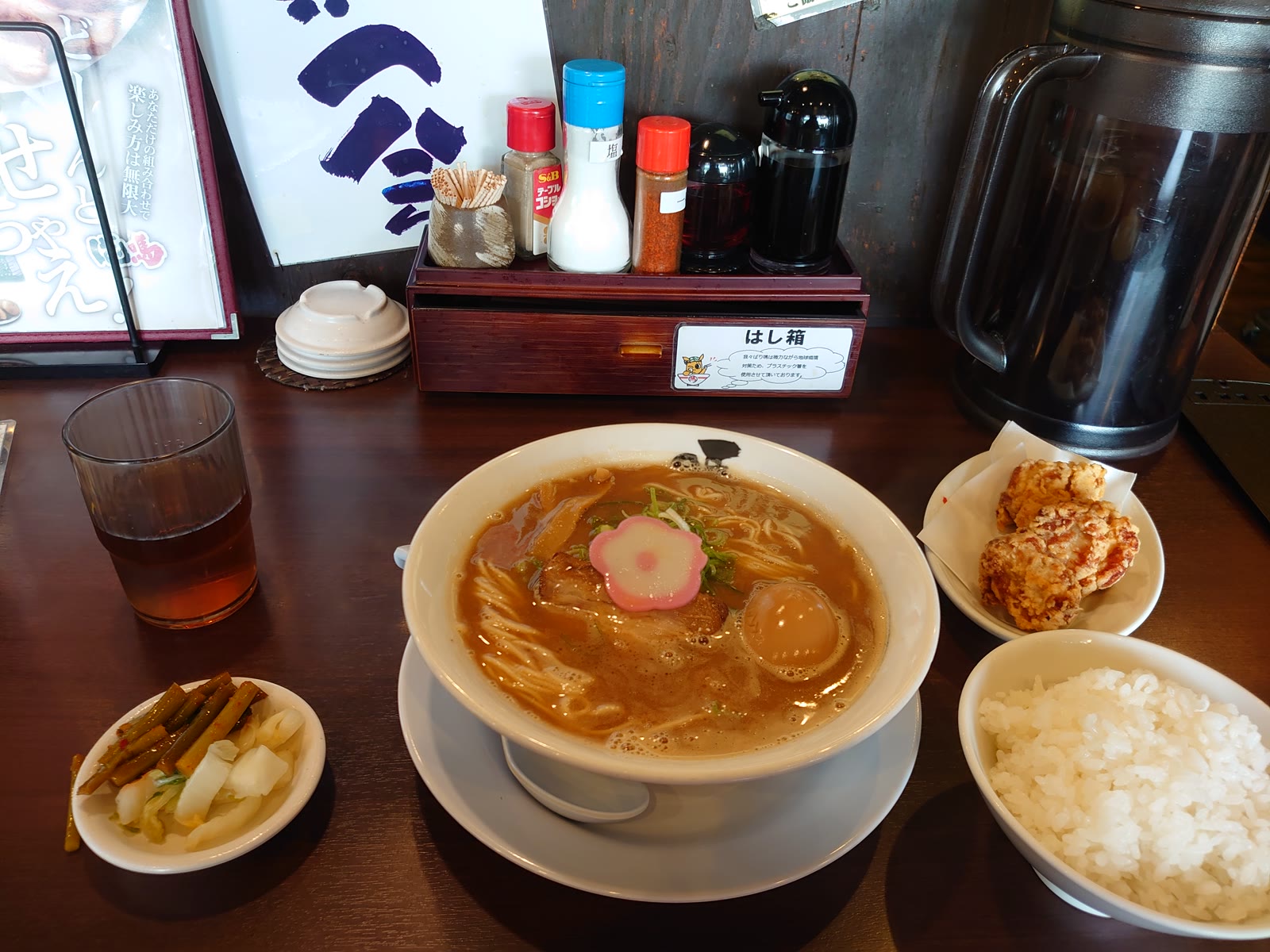
- Chuka soba signboardslocals order by this older name; 'ramen' signs are rarely seen here
- The two documented stylesthe clearer Shakomae soy broth and the cloudier Ide pork-bone-and-soy broth
- Hayanare-zushi on the tablepressed mackerel cured with vinegar, set out to eat while your bowl is prepared
- The honor-system tallyboiled eggs and sushi eaten at the table — you report the count yourself at payment
How to actually get there
- Osaka Station → Wakayama Station (JR Kishuji Rapid, direct, ~90 min; board the rear 4 carriages).
- Faster paid option: Shin-Osaka/Osaka → Wakayama (Limited Express Kuroshio, ~60 min, reserved seat).
- From Wakayama Station, walk or take a short taxi toward the central chuka soba area near the old tram depot.
- Look for signs reading 中華そば (chuka soba), not ラーメン (ramen).
- JR Osaka Loop / Hanwa Line to Wakayama Station
- Osaka Station →(JR Kishuji Rapid, direct, ~90 min)→ Wakayama Station. This train splits at Hineno Station on the way, so board one of the rear four carriages, which go to Wakayama. Total ~90 min, runs about every 15 min. Faster paid option: the Limited Express Kuroshio from Shin-Osaka/Osaka reaches Wakayama in ~60 min (seat reservation required, runs about hourly).
- Return to Osaka
- The JR Kishuji Rapid back to Osaka runs frequently through the evening, so no fixed last-train worry in the daytime; still, check the return time on the platform board when you arrive.
About the place
In Wakayama City, what the rest of Japan calls ramen is known here as chuka soba, and the bowl is built on a broth of pork bones and soy sauce. Two named local styles run side by side: the Shakomae strain, a clearer soy-forward broth that traces back to postwar food stalls near the old tram depot, and the Ide strain, a richer, cloudier pork-bone-and-soy broth. Both are written as chuka soba on local shop signboards. What makes the counter quietly remarkable is the table itself: hayanare-zushi (pressed mackerel cured with vinegar) and boiled eggs are set out for you to eat while your bowl is prepared, and you report how many you ate, on your own word, when it is time to pay.
How to enjoy it
Sit at the counter of an older shop, take a piece of pressed mackerel sushi and a boiled egg from the table while your bowl is prepared, and simply tell the staff what you had when you pay. Ordering it as chuka soba, the local name, is part of the experience.
Background & history
The style grew out of food stalls that gathered around the city tram depot near Wakayama Station in the Showa period (1926–1989). The busiest cluster, in front of the car-barn, was called Shakomae. Marutaka, one of the foundational shops, opened in 1940, first making its stock from dried bonito and small fish in soy; pork bones entered local recipes after the war. Ide Shoten, founded in 1953 and later linked to the thicker pork-bone-and-soy style, won a national television ramen contest in 1998 — a victory that sparked a nationwide 'Wakayama ramen' boom. The two style names were popularized through the Shin-Yokohama Ramen Museum near Tokyo.
Before you go
- Cash
- Many of the older ramen shops are cash only and have no English menus, so carry cash. Trains and IC cards (ICOCA/Suica) are fine for transport.
- Good to know
- Several well-known shops close on Wednesdays, and some sell out and close in the early afternoon, so go earlier in the day. Check each shop's own hours before you set out.
- Another way
- You can also take the Nankai Main Line from Namba to Wakayamashi Station (Limited Express Southern, ~65 min). It is a different station from JR Wakayama Station but leads to the same city centre.
- After you get off
- From JR Wakayama Station, the central chuka soba area is a walk or a short taxi ride toward the old tram-depot district; ask staff or use a map app for a specific shop.
Nearby notes
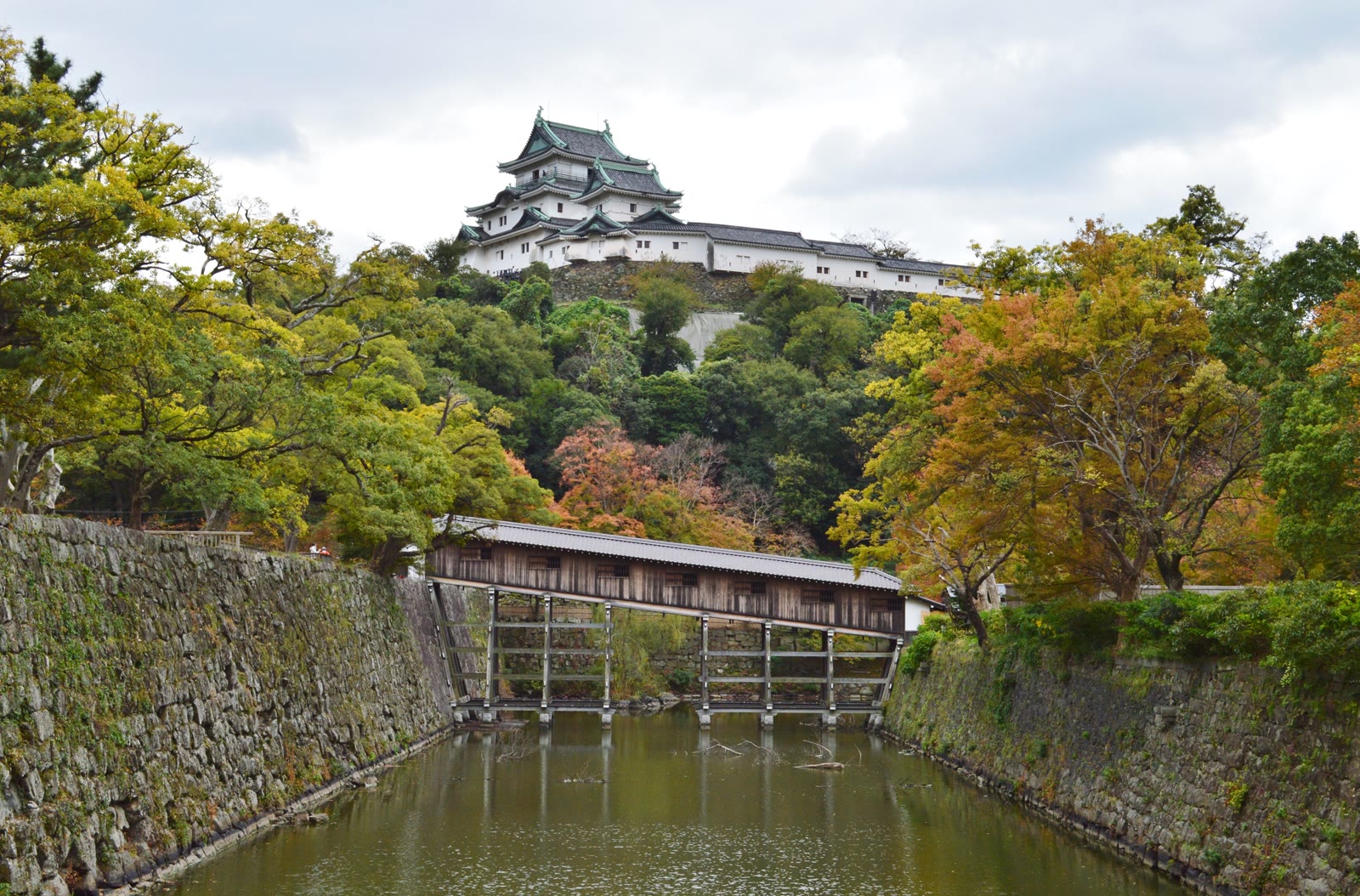 Saigen Jiro / CC0 (Public Domain)
History · Wakayama★★★
Wakayama Castle
0.4 km · straight line
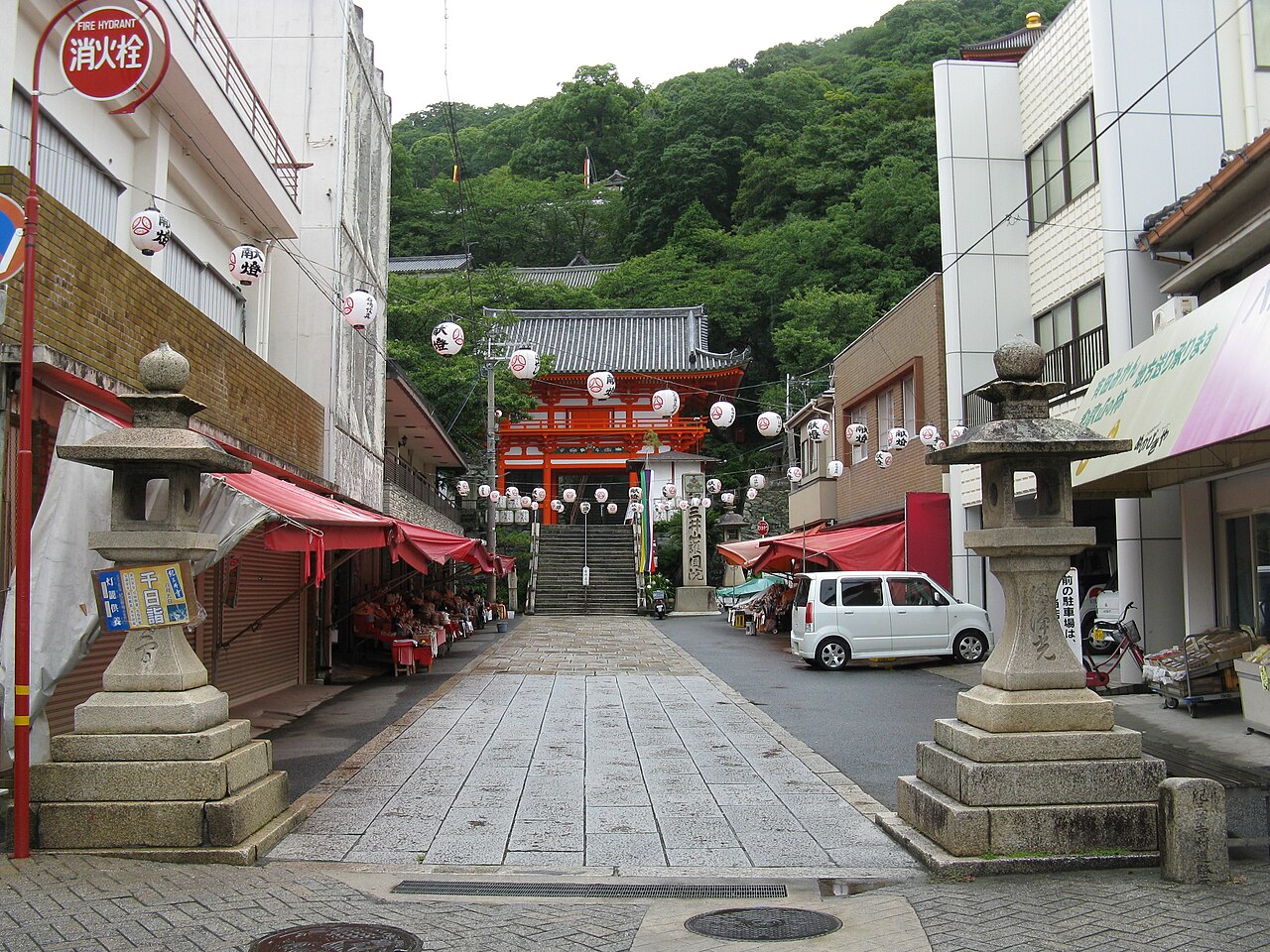 KENPEI / CC BY-SA 3.0
History · Wakayama★
Kimiidera
5.5 km · straight line
 KQuhen / CC BY-SA 4.0
History · Wakayama★
Awashima Shrine
10.5 km · straight line
 illustration (AI-illustrated)
Nature · Wakayama★
Jogasaki Coast
10.9 km · straight line
Distances are straight lines on the map, not travel times.