Mie Iga · NabariNo.1193★★Open in map →
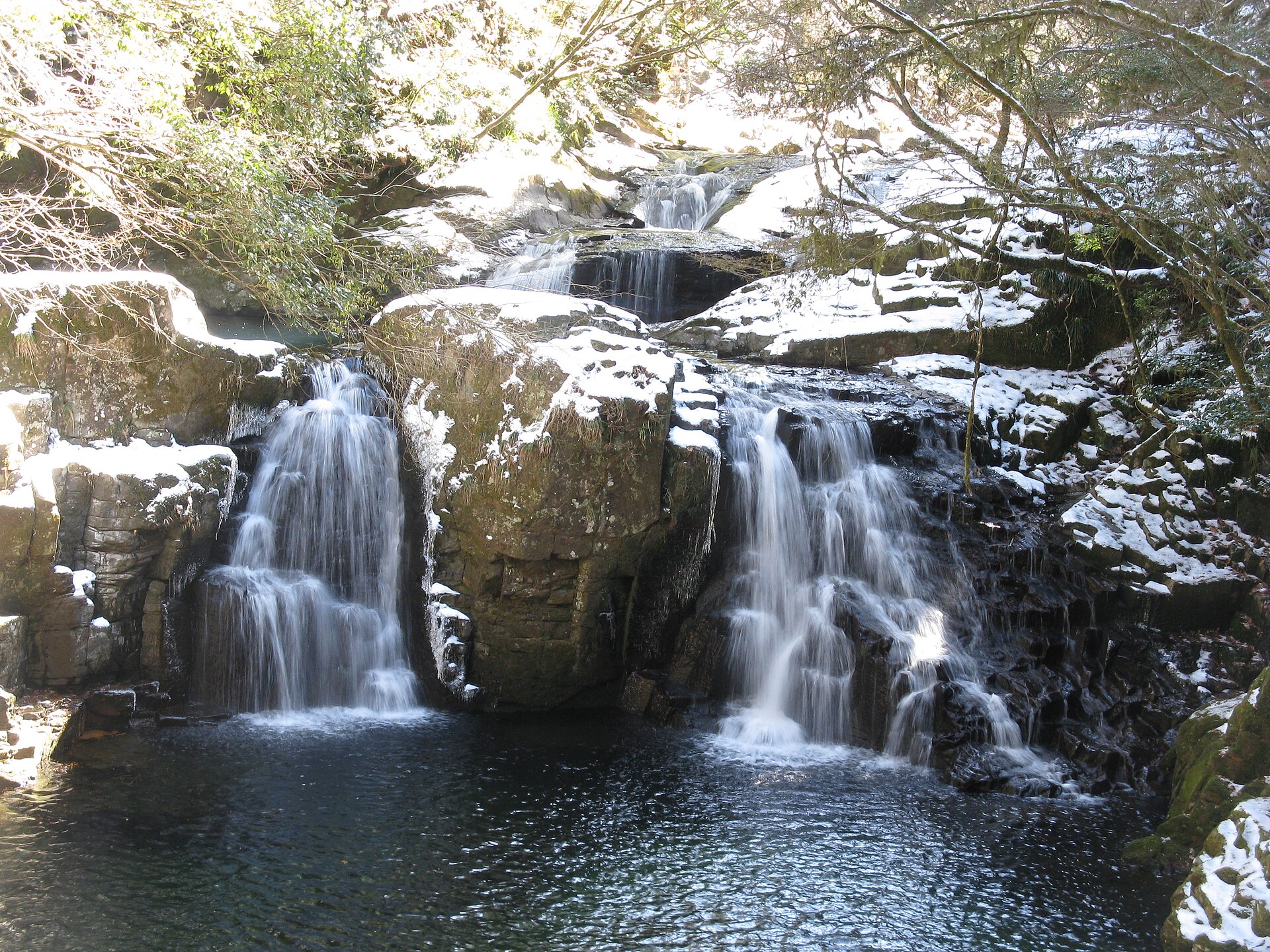
Akame 48 Waterfalls
A gorge in western Mie where one riverside path threads a chain of named waterfalls. There is no loop: you walk in, pick a turning point, and come back the same way — which is why the visit fits whatever is left of your day.
- FromOsaka-Uehonmachi
- ~1 h 25 minKintetsu train + local bus
- Get off atAkameguchi Station (Kintetsu Osaka Line)
- From there
- Akame 48 Waterfalls
The sweet spot
This is a well-known destination inside Japan, with three national listings to its name. What keeps it off foreign itineraries is the line it sits on: the Kintetsu Osaka Line runs between Nara and Ise without belonging to either, and few visitors ride it. The gorge is long, too, so a busy day spreads people out over the whole length of the path.
Where it is
17 more notes in Mie · open the map →What to look for — in walking order
- Akame Falls Aquariumthe entrance building, formerly the Japan Salamander Center, holding the valley's salamanders
- Fudo Fallsthe first big fall on the path, a fifteen-metre curtain close to the entrance
- Senju Fallsa fall that spreads across the rock face like a thousand hands
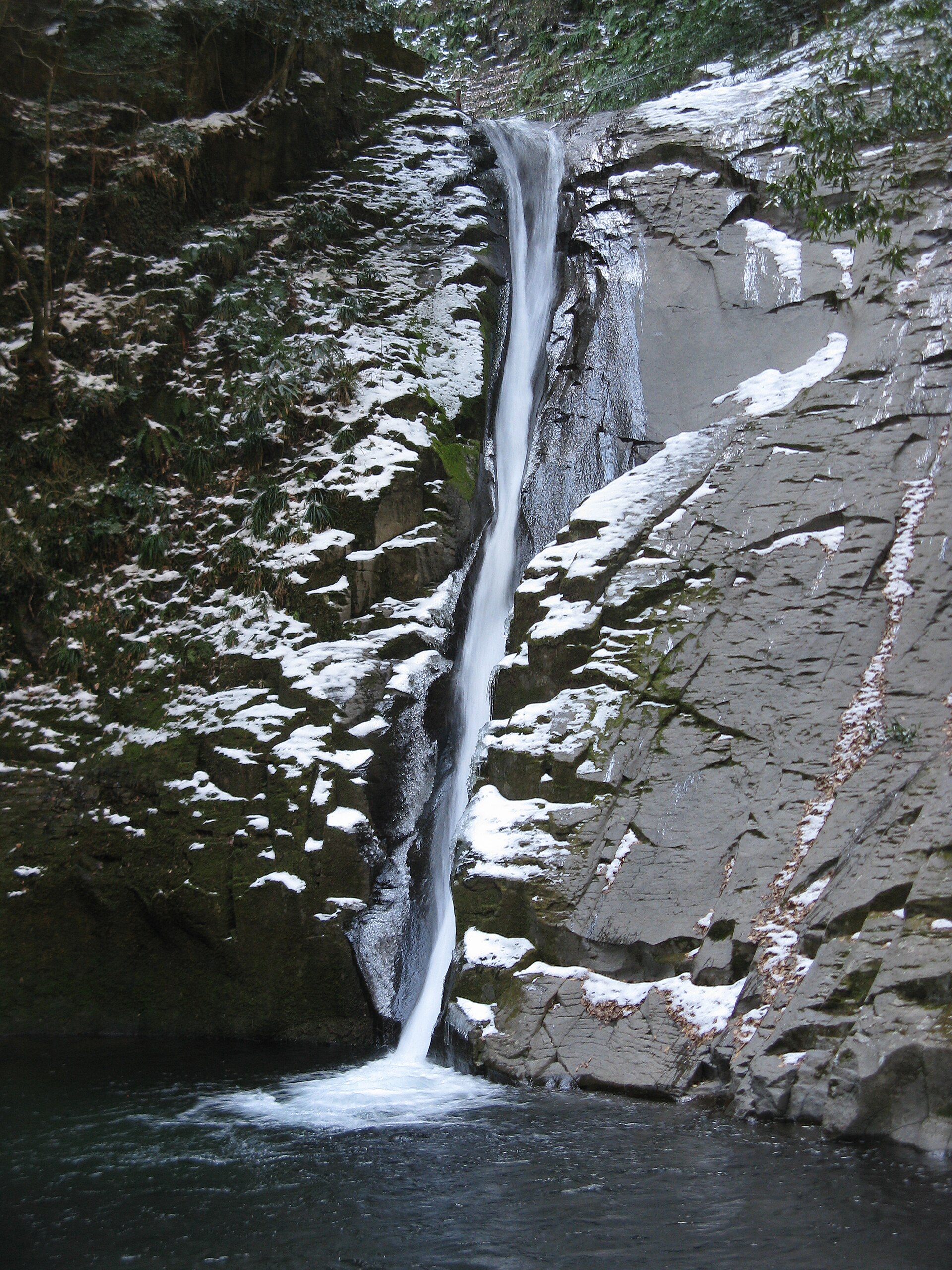
- Nunobiki Fallsa thirty-metre single drop, named for a length of cloth hung out
- Ninai Fallsan eight-metre fall that splits in two around a block of rock
How to actually get there
- Osaka-Uehonmachi → Akameguchi Station (Kintetsu Osaka Line, about 70 min, no transfer, 1,140 yen).
- Akameguchi Station → Akame Falls bus stop (Mie Kotsu route 11, about 10 min).
- Walk up the approach road to the entrance building, pay the fee and enter the valley.
- Follow the river upstream past the named falls, then return along the same path.
- Kintetsu Osaka Line, then the Akame bus
- Osaka-Uehonmachi →(Kintetsu Osaka Line, about 70 min, no transfer, 1,140 yen)→ Akameguchi Station. Mie Kotsu route 11 leaves from outside the station and reaches the Akame Falls stop in about 10 minutes. Allow around 1 hr 25 min from Osaka to the entrance.
- Back from the Akame Falls stop
- Take route 11 back to Akameguchi and the Kintetsu Osaka Line west. Some departures are suspended between December and March, so read the return times on the timetable at the stop before you walk in. The gorge also closes earlier in winter than in summer.
About the place
The Akame gorge follows the Takigawa river for about four kilometres, inside the Muro-Akame-Aoyama Quasi-National Park on the old Iga–Yamato boundary. The falls are not scattered across the hillsides; they stand one after another along a single maintained path. Five of them are grouped together as the Akame Gohaku, and the last named drop, Gankutsu, marks the far end of the walk. The valley carries three national hundred-best listings at once — waterfalls, forest-bathing woods, and clean water. The entrance is at the downstream end, beside the aquarium that keeps the valley's salamanders.
How to enjoy it
The gorge keeps opening and closing times that shift with the season, so the practical move is to be inside it in the morning. The first named fall arrives soon after you start; the bigger ones sit deeper in, and every extra one costs the same distance again on the way back. If you want the whole valley rather than a sample, go in as soon as it opens.
Background & history
The name Akame comes from a legend attached to En no Gyoja, the semi-legendary founder of Japan's mountain-ascetic tradition. While training in this valley, the story goes, he met Fudo Myoo riding an ox with red eyes. The falls were a place of austerity long before they were a place to walk, and pilgrims came to stand under the water rather than look at it. The operator today trades under the name "the village of ninja training", borrowing the reputation of neighbouring Iga.
Before you go
- Cash
- An entry fee for the gorge is collected at the entrance building; the current amount is posted there and on the official site. Carry coins or small notes for the bus, which is a rural route, while Kintetsu takes both paper tickets and IC cards.
- Good to know
- Opening times move with the season and the path is not open after dark. It follows the river the entire way, so after heavy rain the water runs high and the rock stays wet — grip on your shoes matters more here than elsewhere on the trip.
- Another way
- Kintetsu sells a return ticket that bundles the train to Akameguchi with the Mie Kotsu bus to the falls; the current terms are listed on the Kintetsu site. From Kintetsu-Nagoya the trip is also all-Kintetsu, with one change on the way.
- After you get off
- Akame Falls is the last stop on the bus route. From there it is a short walk up the approach road to the entrance building, where the path into the gorge begins.
Nearby notes
 KishujiRapid / CC BY-SA 4.0
History · Nara★★
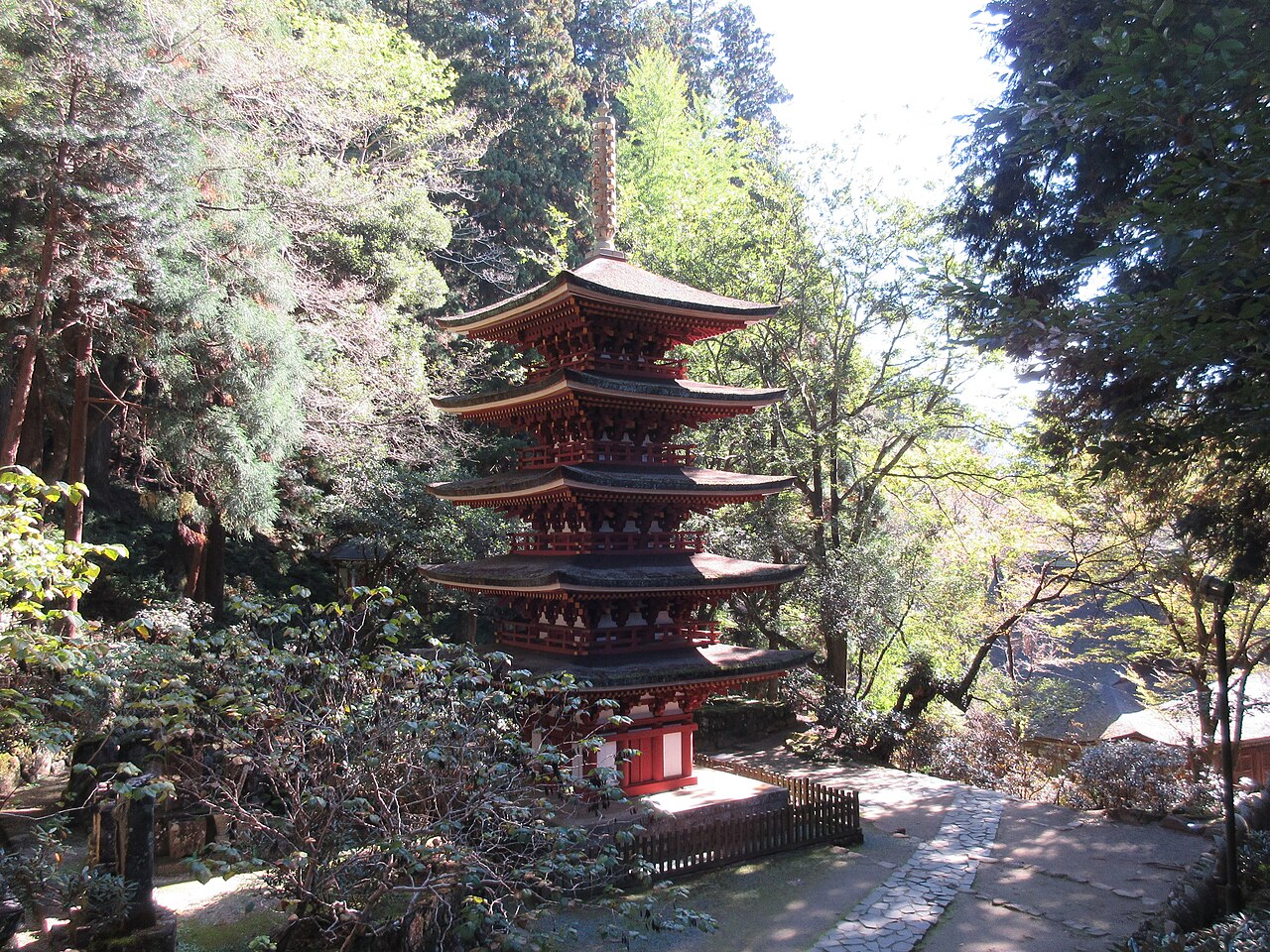
Murō-ji
5.0 km · straight line
 663highland / CC BY 2.5
Nature · Nara★★
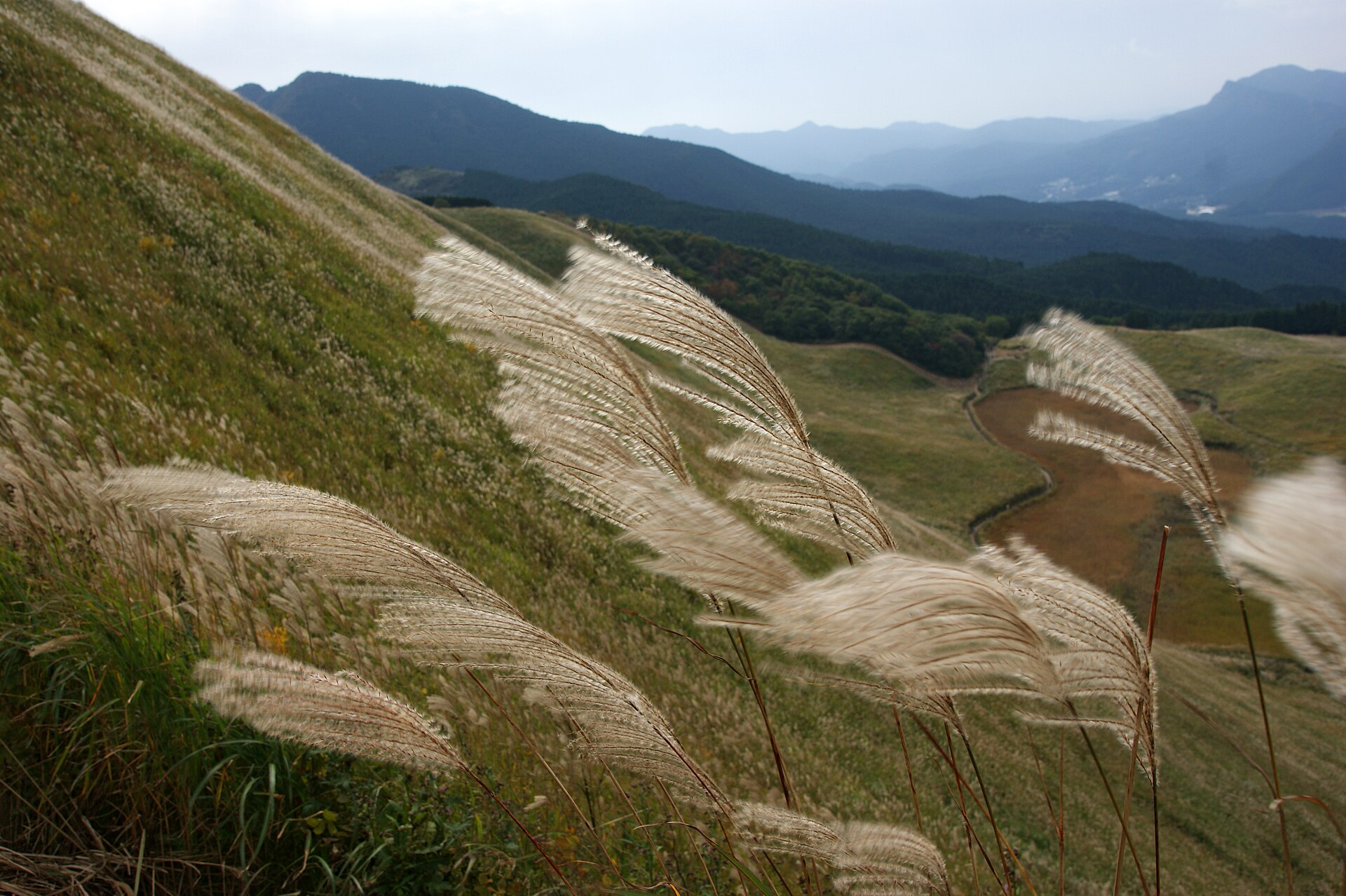
Soni Kogen
8.5 km · straight line
 Bakkai at Japanese Wikipedia / CC BY 3.0
Nature · Nara★
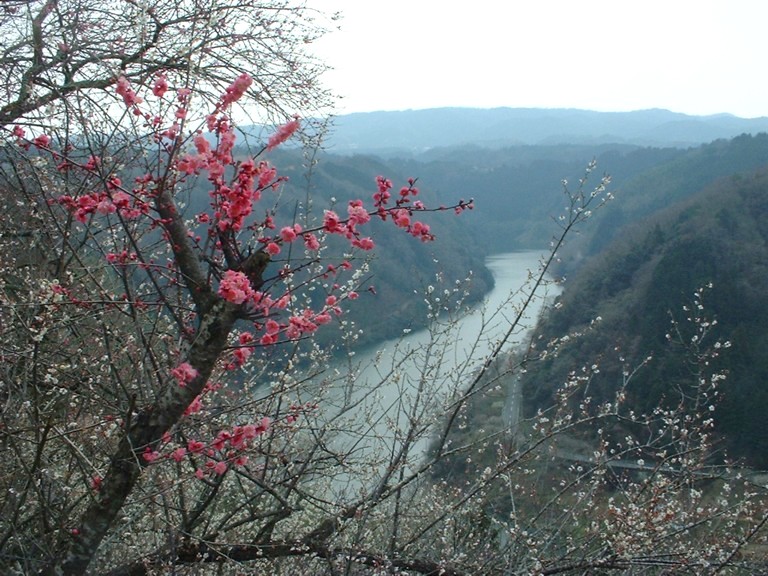
Tsukigase Plum Grove
16.6 km · straight line
 Tawashi2006 / CC BY-SA 3.0
History · Nara★★★
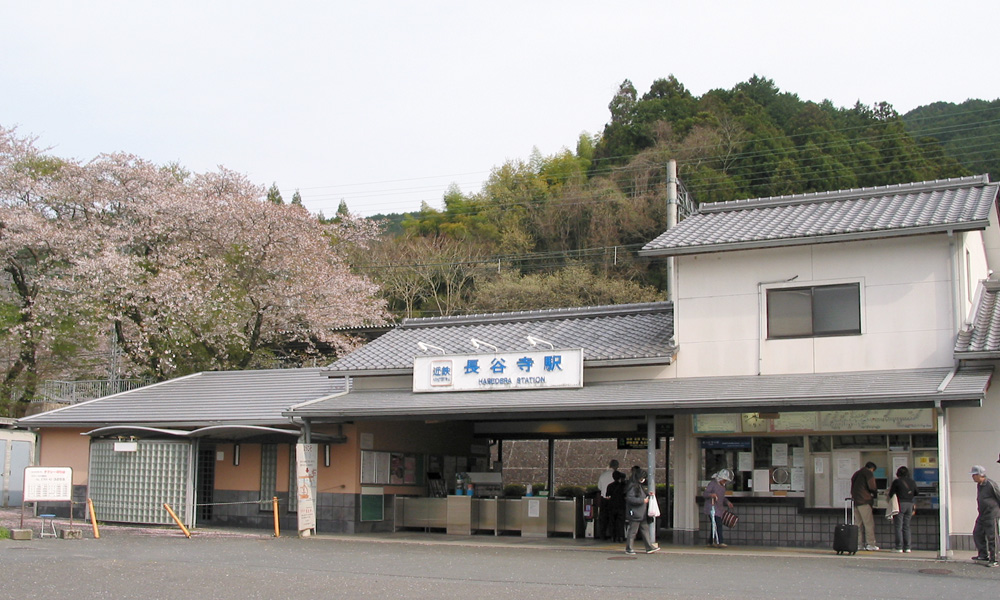
Hasedera Temple
16.6 km · straight line
Distances are straight lines on the map, not travel times.