Nara · IkarugaNo.158★★★Open in map →
Horyu-ji
— the world's oldest surviving wooden buildings
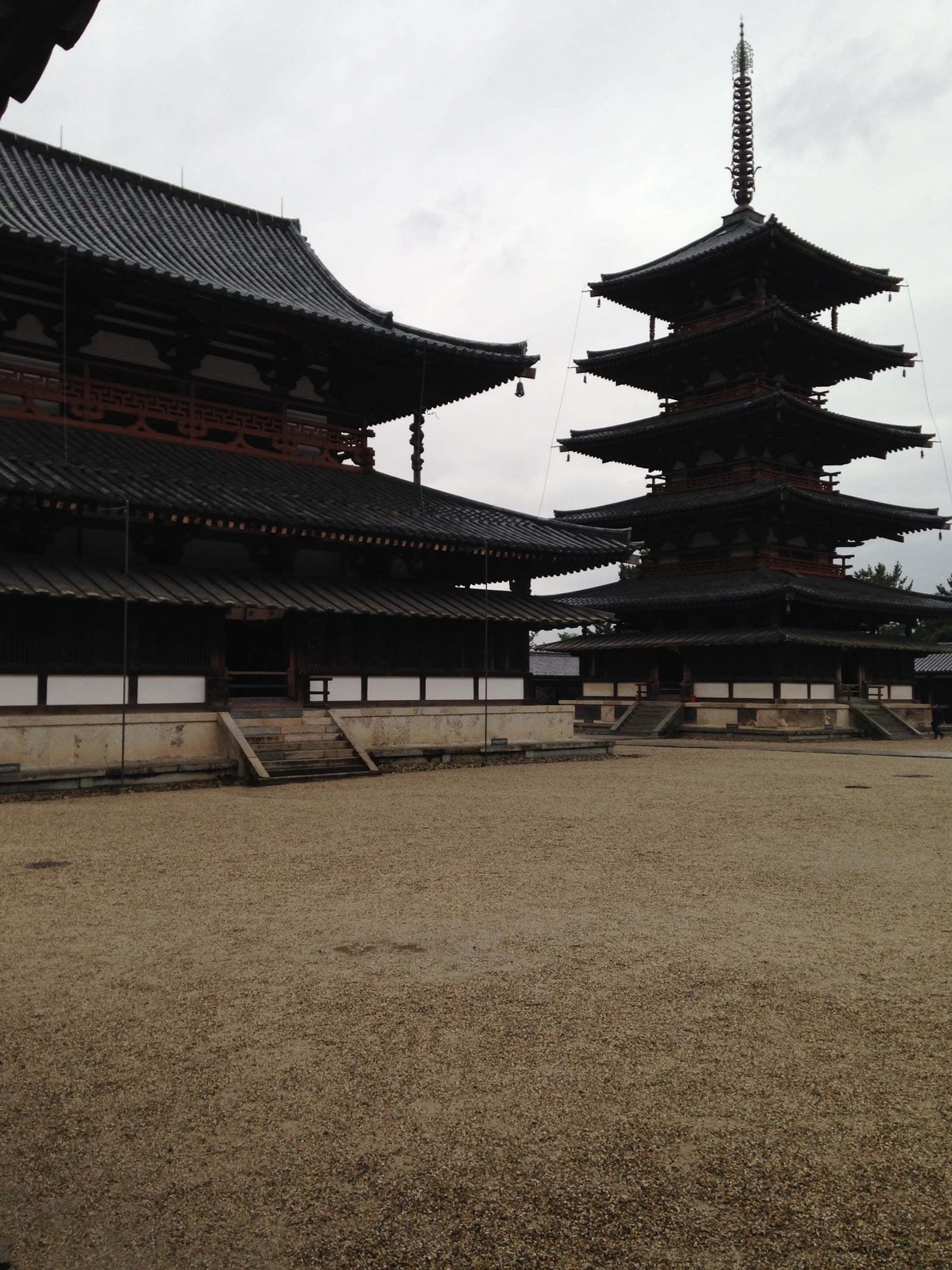
Horyu-ji in Ikaruga, Nara Prefecture, preserves a complex of wooden structures dating from the Asuka period — the oldest surviving wooden buildings in the world, and Japan's first UNESCO World Heritage Site, inscribed in 1993.
- FromJR Nara Stn
- ~35 minJR (frequent) + bus/walk
- Get off atHoryuji Station (JR Yamatoji Line)
- From there
- Horyu-ji
Where it is
32 more notes in Nara · open the map →What to look for — in walking order
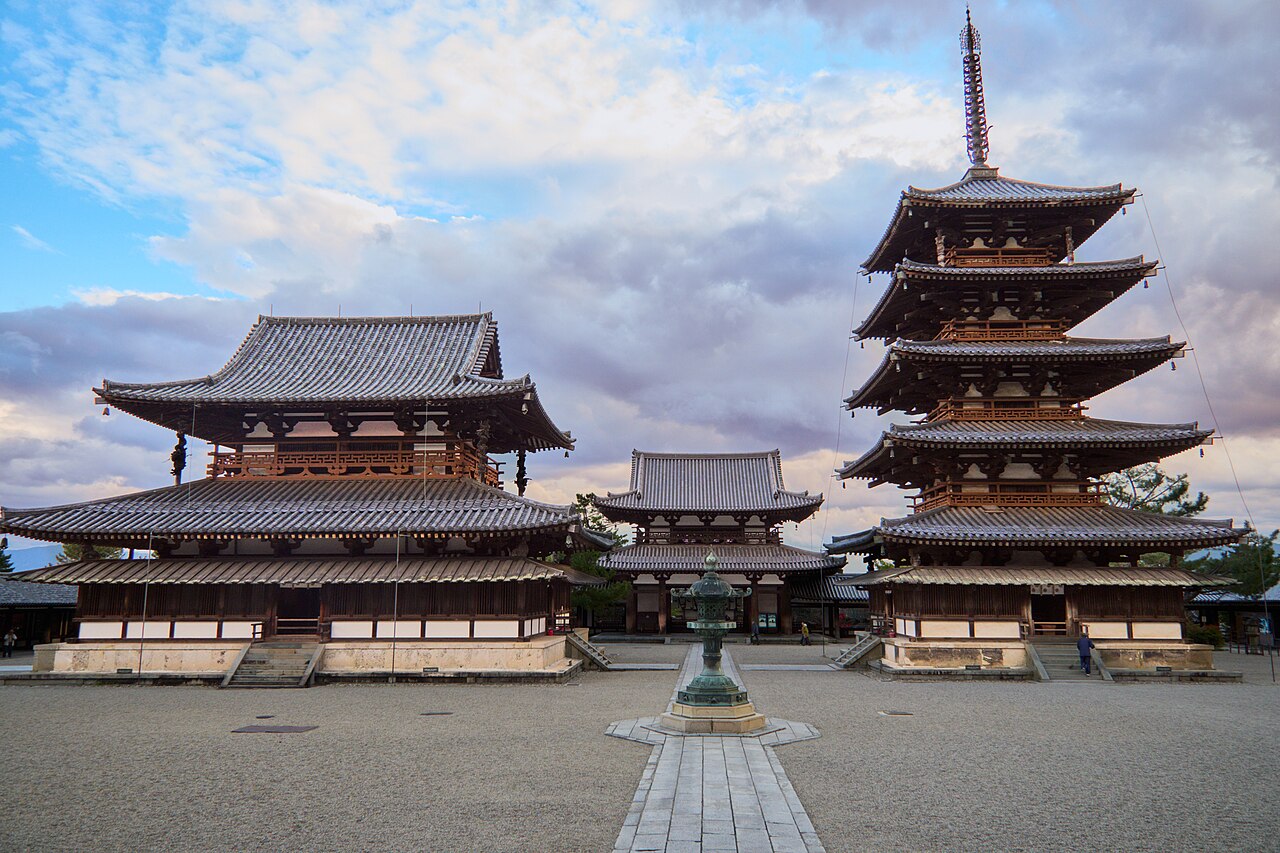
- West Precinct (Saiin Garan)the main enclosed courtyard containing the five-storey pagoda and the Kondo (main hall), the oldest wooden buildings surviving in the world
- Five-storey pagodaa 32.5 m timber pagoda dating to the late 7th century, with a spire of nine bronze rings; the lowest storey contains clay sculptures depicting scenes from Buddhist scripture
- Kondo (main hall)the main worship hall of the West Precinct, enshrining a bronze Shaka Triad and flanked by the pagoda; its bracketing system is characteristic of Asuka-period architecture
- Yumedono (Hall of Dreams)an octagonal hall in the East Precinct, built in 739 CE, enshrining a gilded wooden statue of Prince Shotoku
How to actually get there
- JR Nara Station → Horyuji Station (JR Yamatoji Line toward Osaka, ~12 min).
- Horyuji Station → Horyuji-monzen bus stop (route bus 72, ~8 min, 220 yen).
- Horyuji-monzen → South Gate (Nandaimon) of Horyu-ji (walk north). Enter West Precinct, then cross to East Precinct.
- JR Nara Stn → Horyuji Stn, then bus or walk
- From JR Nara Station, take the JR Yamatoji Line toward Osaka (JR Namba/Tennoji direction) to Horyuji Station (about 12 minutes, roughly every 10-15 minutes). From Horyuji Station, take route bus 72 (about 8 minutes, 220 yen) to the Horyuji-monzen stop, from which the temple's south gate is a short walk north. Alternatively, walk from the station in about 20 minutes along a signposted road.
- Horyuji Stn → JR Nara Stn
- Return to Horyuji Station by bus or on foot, then take the JR Yamatoji Line back to JR Nara Station (about 12 minutes). Trains run regularly through the day; no reservation needed.
About the place
Horyu-ji stands in the town of Ikaruga, about 12 km south of Nara city. Prince Shotoku is traditionally credited with founding the temple in 607 CE, and although scholars debate the exact date, the structures in the West Precinct — the five-storey pagoda and the Kondo (main hall) — date from the late 7th century. The two main precincts differ in character: the West Precinct is the older, more austere compound; the East Precinct centres on the octagonal Yumedono (Hall of Dreams). Together the complex holds over 2,300 objects designated as national treasures or important cultural properties. The temple belongs to the Shotoku sect of Japanese Buddhism and remains an active place of worship.
How to enjoy it
The temple opens at 8:00 (closing at 17:00 from February to November, at 16:30 from December to January; last admission 30 minutes before closing). Admission (¥1,500 for adults) covers both precincts and the Great Treasure Hall (Daihozoin); the Yumedono in the East Precinct is included in the same ticket. Morning light falls into the West Precinct courtyard before noon, so a morning visit lets you see the pagoda and Kondo at their most photogenic. Allow about two hours to walk both precincts and the Treasury at an unhurried pace.
Background & history
The temple is documented in chronicles as founded by Prince Shotoku to fulfil a vow by Emperor Yomei, who fell ill in 585 CE. An early version may have burned in 670 CE; the surviving buildings are thought to date from the reconstruction shortly after. When the complex was included in Japan's first UNESCO World Heritage inscription in 1993, it was cited specifically for those 7th-century wooden structures, which survive nowhere else in the world. The Nara-period Treasury Hall (Daihozoin), opened in 1998, houses hundreds of the temple's ancient sculptures and artefacts.
Before you go
- Cash
- Admission is ¥1,500 for adults (covers West Precinct, East Precinct, and Great Treasure Hall). IC cards (Suica, ICOCA) work on the JR train; bus is cash or IC card.
- Good to know
- The West Precinct courtyard is an active religious site; keep voices low inside. The clay sculptures in the pagoda's lowest storey are viewed through a grating and cannot be entered.
- Another way
- From Osaka (Tennoji or JR Namba), take the JR Yamatoji Line direct to Horyuji Station (about 20-25 minutes); no need to go via Nara.
- After you get off
- From Horyuji Station, take bus 72 to Horyuji-monzen stop. Walk north up the approach to reach the temple's south main gate (Nandaimon).
Nearby notes
 Saigen Jiro / CC0
History · Nara★
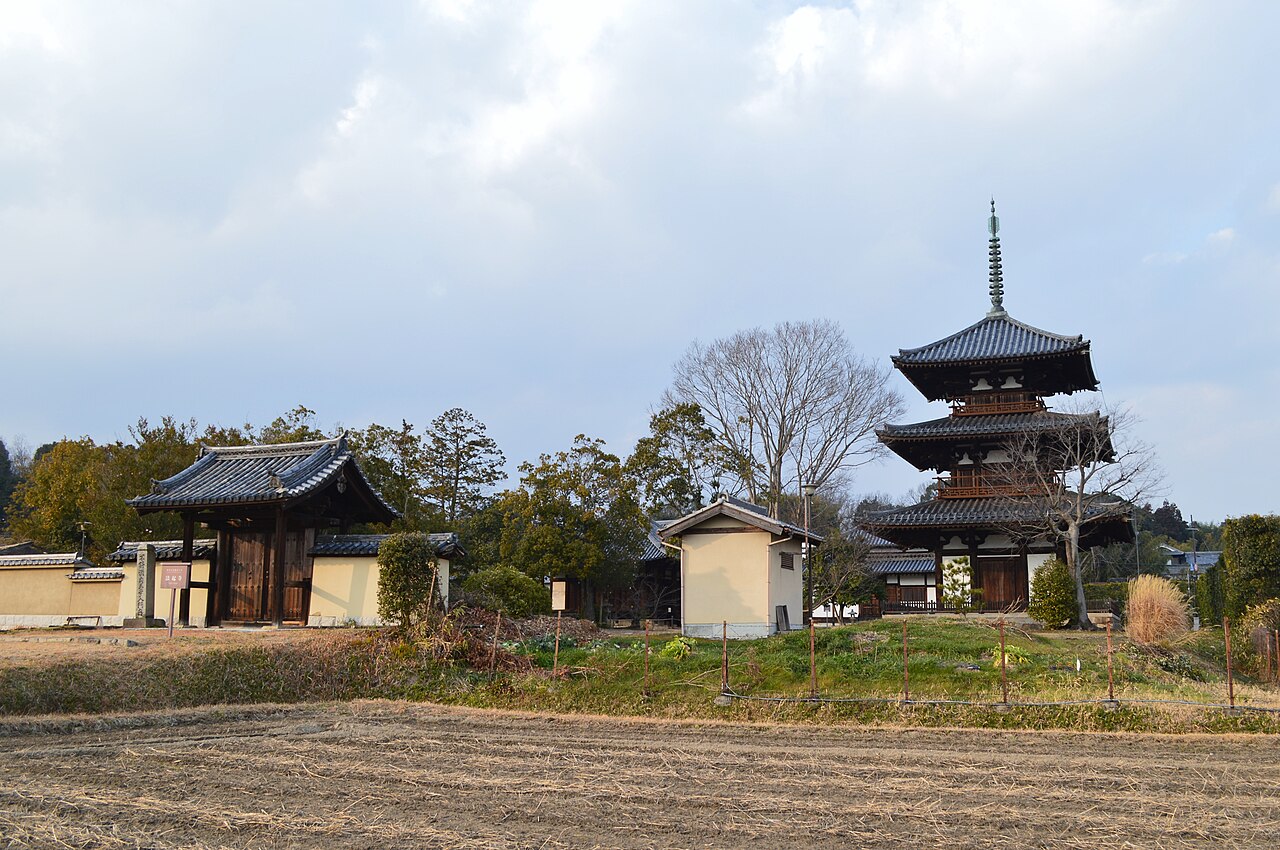
Hokiji Temple
1.4 km · straight line
 Tokumeigakarinoaoshima / CC BY-SA 4.0
History · Nara★★★
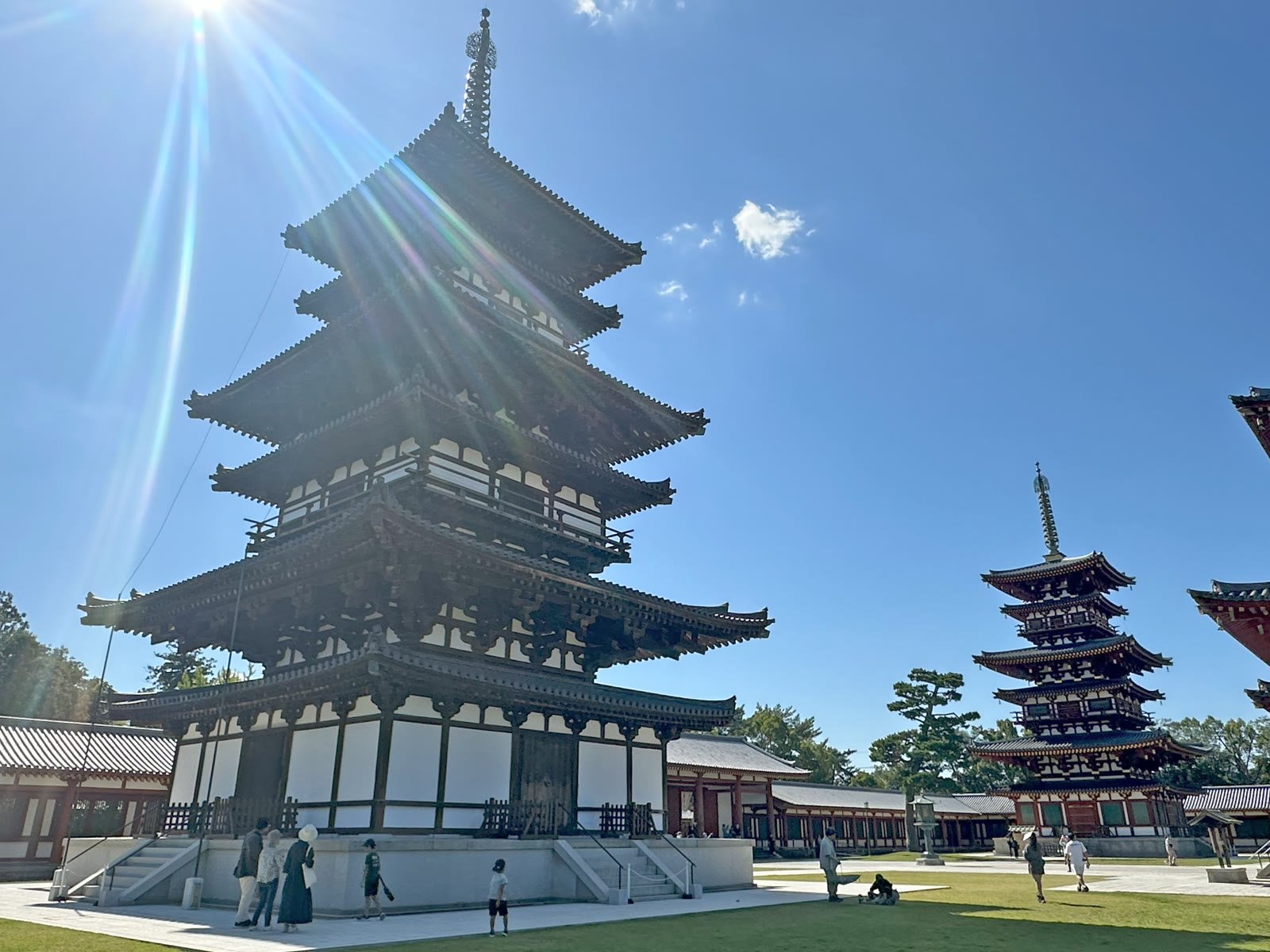
Yakushi-ji Temple
7.5 km · straight line
 663highland / CC BY 2.5
History · Nara★★★
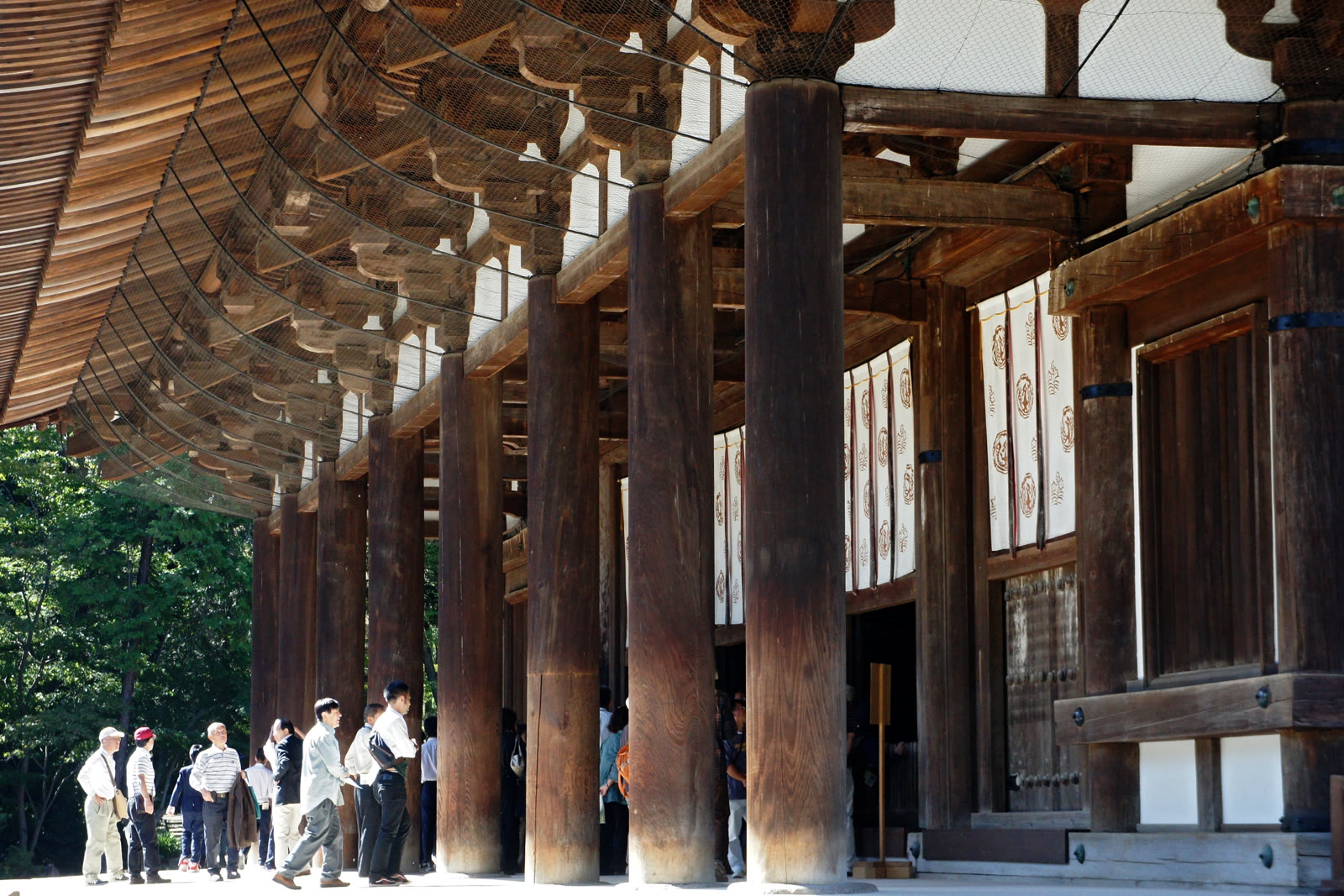
Tōshōdai-ji Temple
8.2 km · straight line
 Sakaori / CC BY-SA 3.0
History · Nara★★★
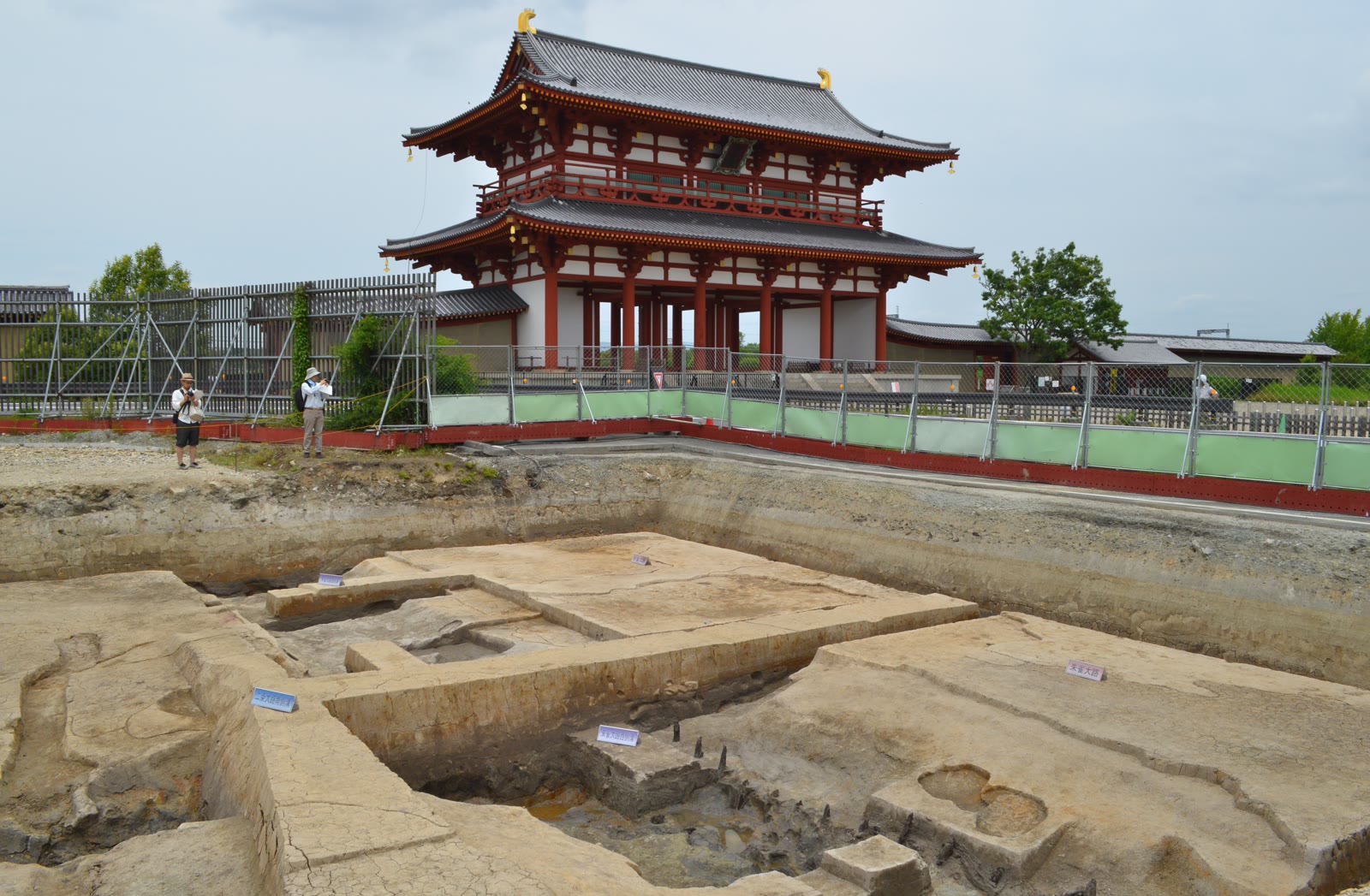
Heijo Palace Site
10.2 km · straight line
Distances are straight lines on the map, not travel times.