Saitama · KawagoeNo.173★★★Open in map →
Kawagoe Ichibangai
— the Edo warehouse street
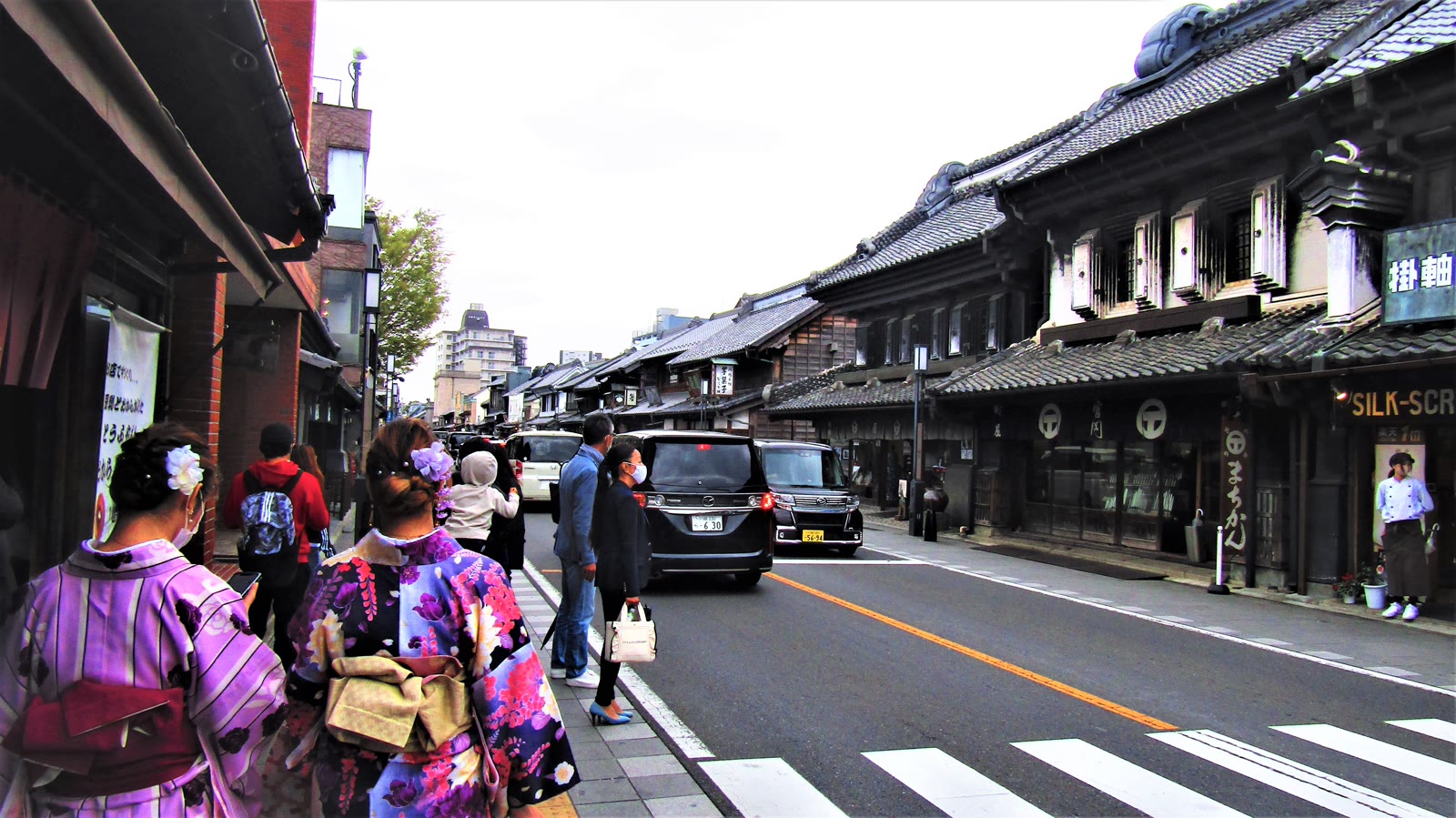
A street of about thirty black-plastered kurazukuri (fireproof storehouse-style) buildings in central Kawagoe, Saitama, designated as an Important Preservation District for Groups of Historic Buildings. The Toki no Kane bell tower at the southern end rings four times daily.
- FromSeibu-Shinjuku Stn
- ~45 mintrain (~45 min)
- Get off atHon-Kawagoe Station (Seibu Shinjuku Line)
- From there
- Kawagoe Ichibangai
Where it is
19 more notes in Saitama · open the map →What to look for — in walking order
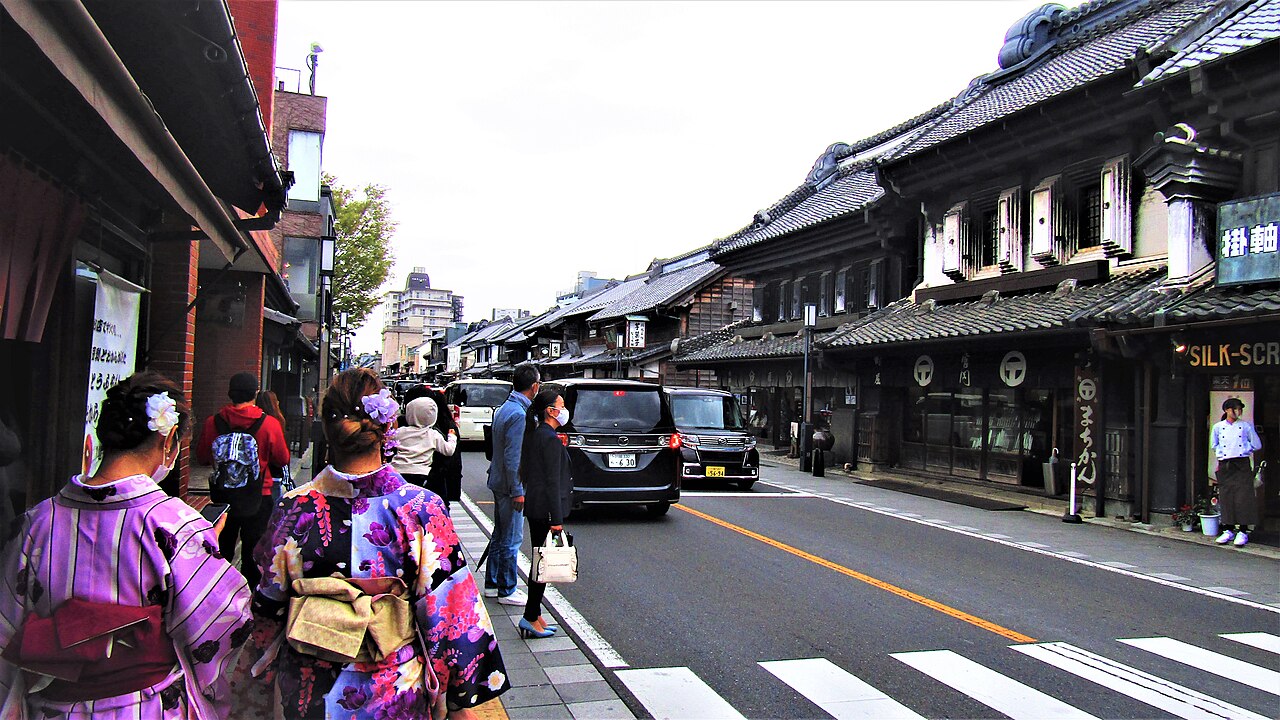
- Kurazukuri warehouse rowabout thirty remaining black-plastered storehouse-style buildings lining both sides of Ichibangai
- Osawa Family Residencea kurazukuri building dating to 1792, designated a National Important Cultural Property — one of the oldest remaining on the street
- Kawagoe Kurazukuri Museumthe best-preserved interior of a kurazukuri shophouse, open to visitors (admission charged)
- Toki no Kane (Bell of Time)a four-storey wooden bell tower just south of the street, ringing at 6:00, 12:00, 15:00 and 18:00
How to actually get there
- Seibu-Shinjuku Station → Hon-Kawagoe Station (Seibu Shinjuku Line express, ~45 min).
- Hon-Kawagoe Station → south end of Ichibangai and the Toki no Kane bell tower (walk north).
- Walk north through the kurazukuri warehouse row to the Kurazukuri Museum and beyond.
- Seibu-Shinjuku → Hon-Kawagoe (Seibu Shinjuku Line, express)
- Seibu-Shinjuku Station (a short walk from JR Shinjuku's east exit) →(Seibu Shinjuku Line express, ~45 min)→ Hon-Kawagoe Station. Limited express trains (reservation required, higher fare) take about 45 min. From Hon-Kawagoe Station, the kurazukuri street is about a 10-minute walk north. Alternative from Ikebukuro: Tobu Tojo Line express ~30 min to Kawagoe Station, then a 15-min walk to the warehouse district — a different station but equally valid.
- Return from Hon-Kawagoe or Kawagoe Station (frequent)
- Seibu trains from Hon-Kawagoe back to Seibu-Shinjuku run frequently all day. The Tobu Tojo Line from Kawagoe Station (a 15-minute walk from the warehouse district) also reaches Ikebukuro in about 30 min. Either option works for the return; no booking is needed.
About the place
Kawagoe grew prosperous in the Edo period (1603–1868) as the main commercial town supplying goods to Edo — the city that became Tokyo. By the end of that era its merchants were wealthy enough to build their shops in the fireproof kurazukuri style, with walls of thick layered plaster that could stop a spreading blaze. In 1893, a major fire tore through the town, destroying about a third of it. The kurazukuri buildings survived almost undamaged, and in the following years residents rebuilt specifically in that style, modelling their new shops on the Nihonbashi merchant district of old Edo. Today about thirty of those buildings remain on Ichibangai — the first street — among them the Osawa family residence, built in 1792, which is designated a National Important Cultural Property. The street was selected as an Important Preservation District for Groups of Historic Buildings in 1999. The Toki no Kane (Bell of Time), a wooden bell tower just south of the warehouse row, is the other symbol of the town: it rings four times a day at 6:00, 12:00, 15:00, and 18:00.
How to enjoy it
Walk the full length of Ichibangai from north to south, reading the shopfronts, then turn the corner to find the Toki no Kane tower framed against the sky. The Kurazukuri Museum is the one place to look inside; the entrance fee is modest. Shops along the street generally open from around 10:00. The street is pedestrianised on Sundays, making it easier to walk and look up at the buildings. Candy Alley (Kashiya Yokocho), a lane of small confectionery shops, is a few minutes' walk to the east and adds another layer of old-town atmosphere.
Background & history
Kawagoe was established as a castle town in the fifteenth century and developed as a commercial hub through the Edo period, when river barge trade between Kawagoe and Edo made local merchants unusually prosperous. The nickname Koedo (Little Edo) appeared in the Meiji era (1868–1912), reflecting how faithfully the town's rebuilt streetscape recreated the look of the old capital. The preservation district was designated in 1999 — the first in Saitama Prefecture.
Before you go
- Cash
- Most shops and the Kurazukuri Museum charge admission — carry some cash, as older establishments may not take cards. The Toki no Kane tower and the street itself are free to see.
- Good to know
- Most shops on Ichibangai open around 10:00 and close by 17:00–18:00. Some close on weekdays. Sunday is when the street is pedestrianised. The Kurazukuri Museum is open daily except Mondays and year-end holidays.
- Another way
- Tobu Tojo Line from Ikebukuro to Kawagoe Station is an alternative (about 30 min by express, ~490 yen). Kawagoe Station is a 15-minute walk to the warehouse district — slightly farther than Hon-Kawagoe Station but on a different line.
- After you get off
- From Hon-Kawagoe Station, walk straight north to reach the southern end of Ichibangai and the Toki no Kane bell tower.
Nearby notes
 Abasaa / Public domain
Local life · Saitama★★
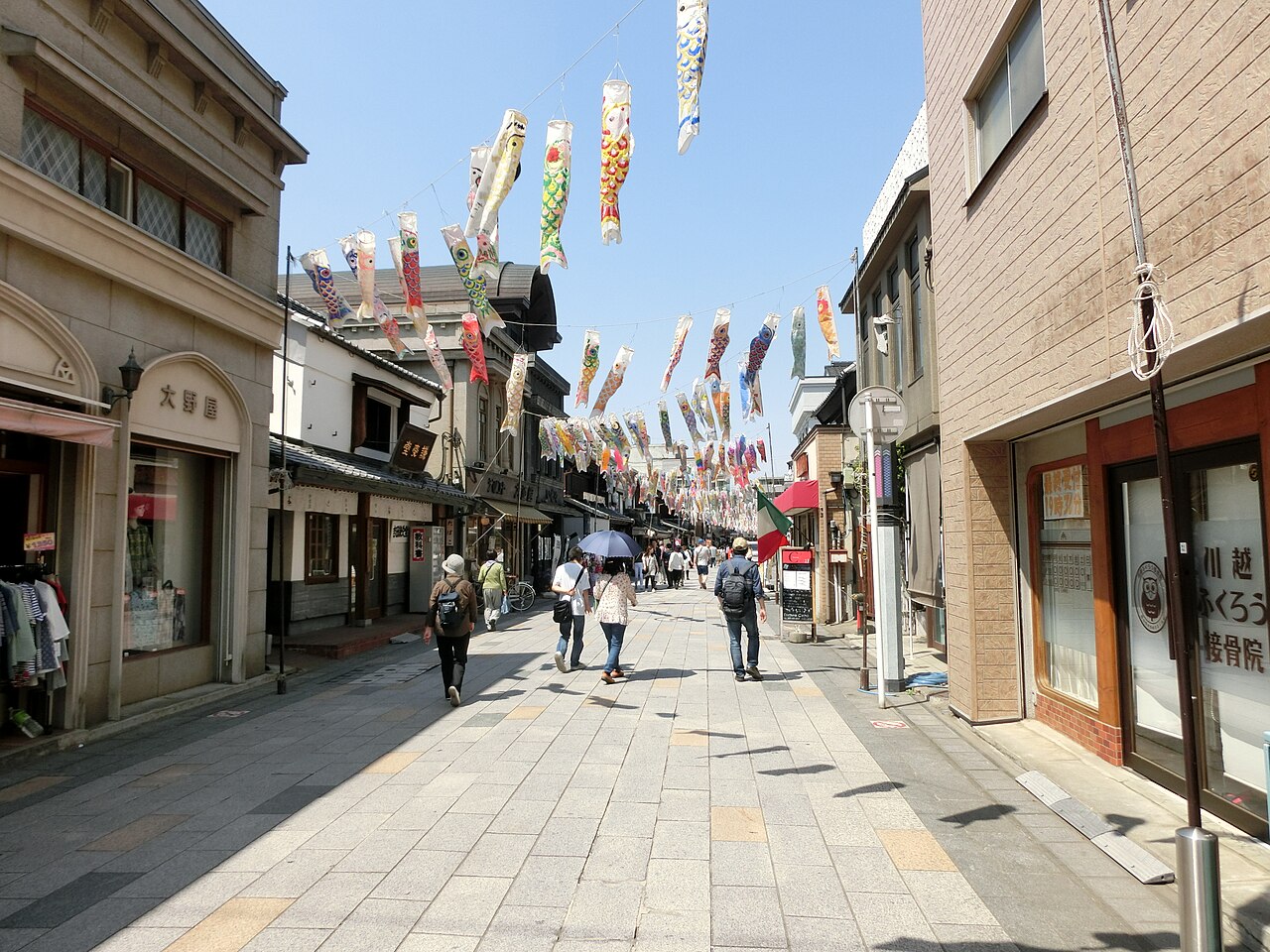
Kawagoe's Taisho Roman Dream Street
0.6 km · straight line
 MaedaAkihiko / CC BY-SA 4.0
Culture · Saitama★
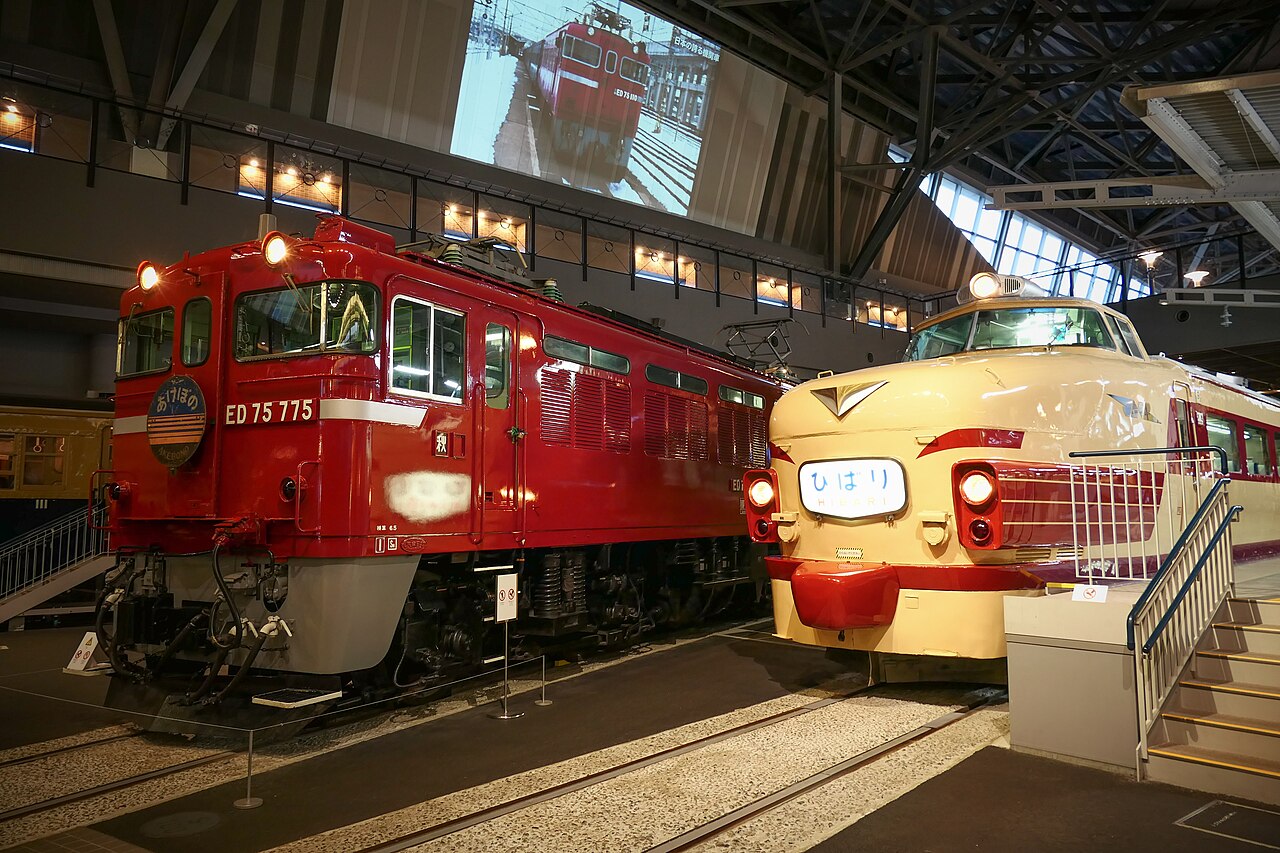
The Railway Museum at Omiya
12.1 km · straight line
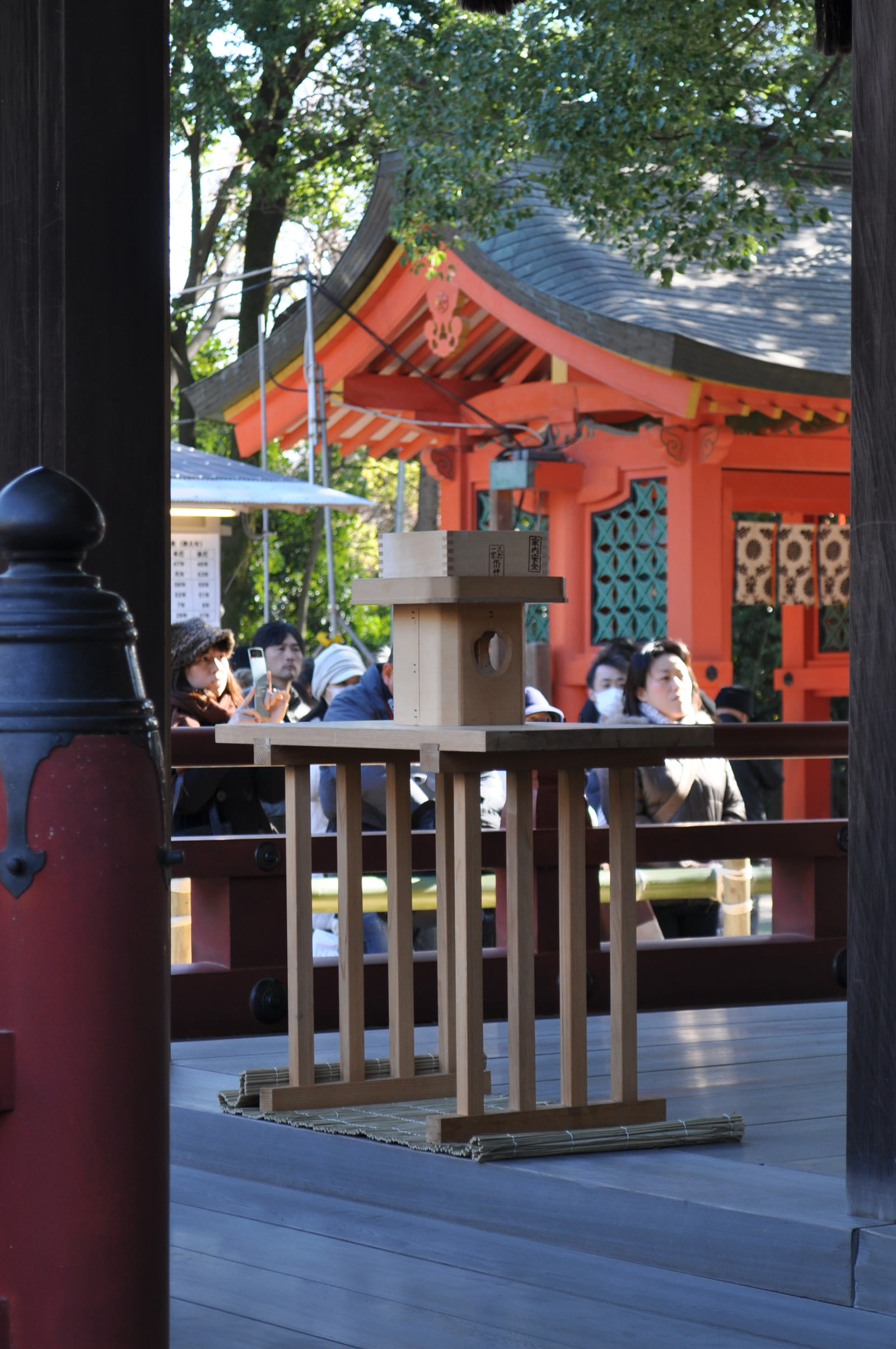 Ocdp / CC0
History · Saitama★★★
Musashi Ichinomiya Hikawa Shrine
13.1 km · straight line
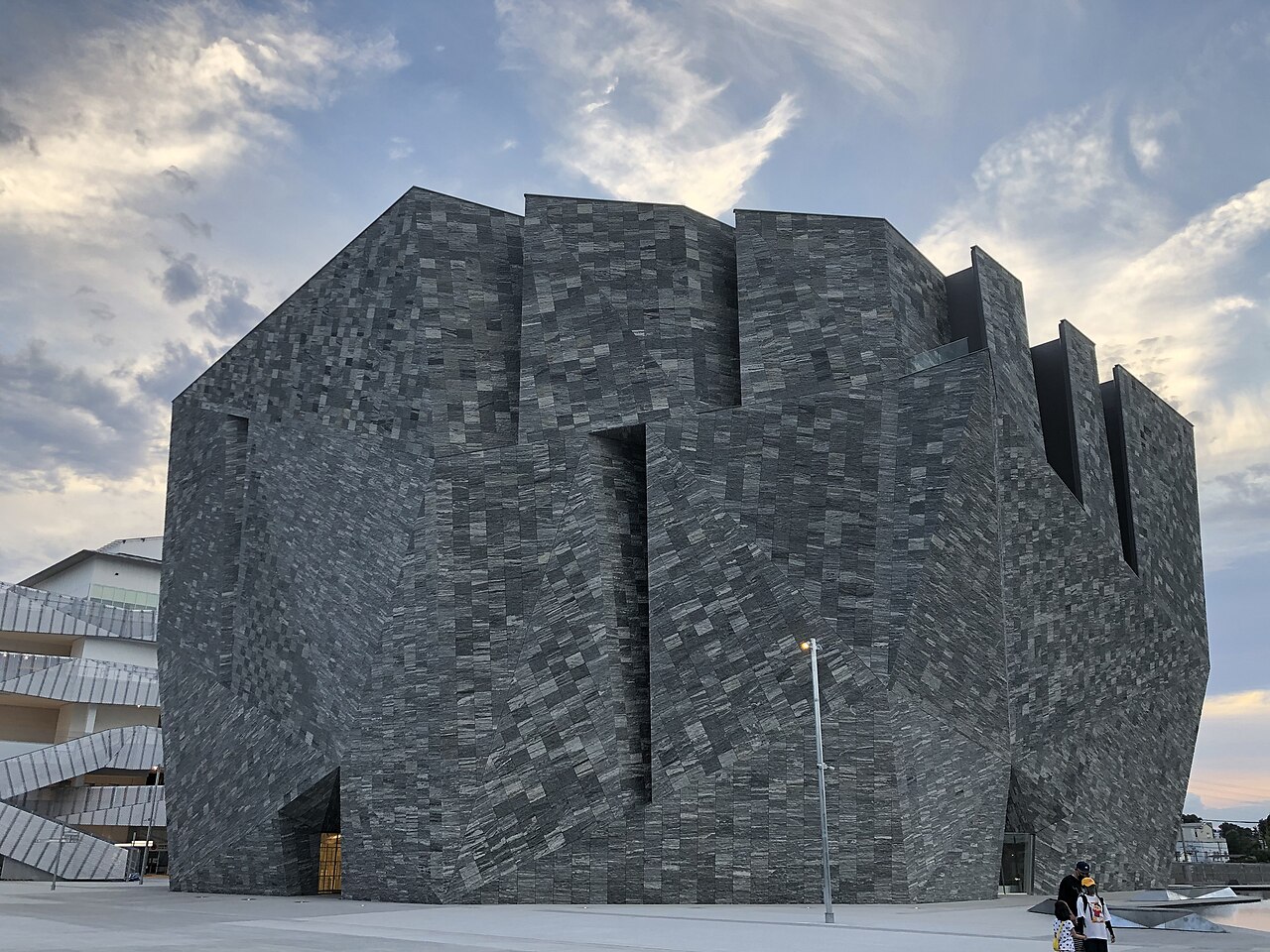 Kaijooo / CC BY-SA 4.0
Culture · Saitama★★
Kadokawa Musashino Museum
14.4 km · straight line
Distances are straight lines on the map, not travel times.