Saitama · OmiyaNo.248★★★Open in map →
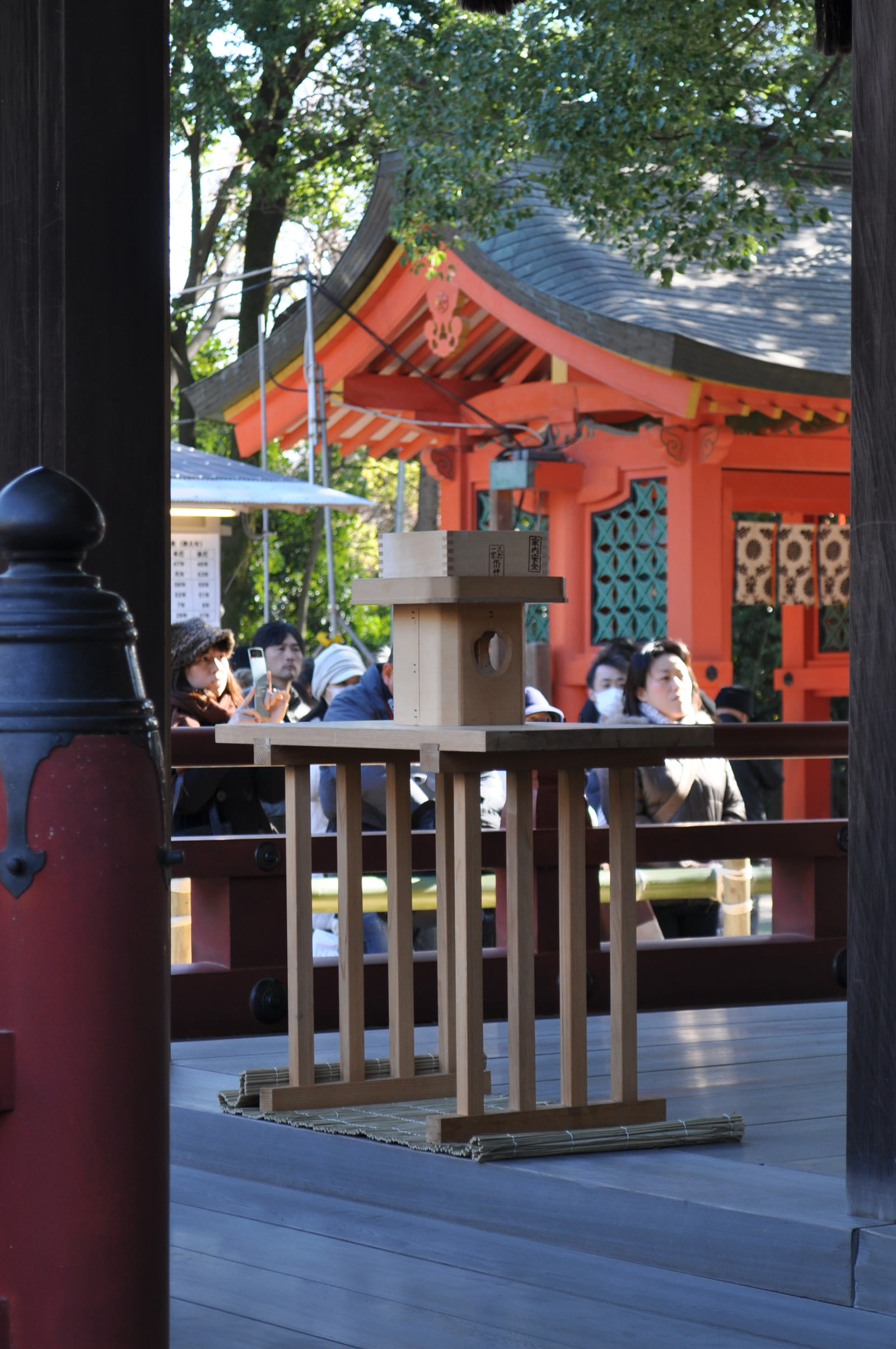
Musashi Ichinomiya Hikawa Shrine
The highest-ranked shrine of the ancient Musashi region, its two-kilometre approach lined with zelkova and other trees is one of the longest uninterrupted shrine avenues in the Kanto plain.
- FromTokyo Stn
- ~30 minJR / Shinkansen
- Get off atOmiya Station (JR Keihin-Tohoku or Shinkansen)
- From there
- Musashi Ichinomiya Hikawa Shrine
Where it is
19 more notes in Saitama · open the map →What to look for — in walking order
- Hikawa Sando (the 2 km approach)a straight tree-lined avenue of about 650 trees running south from the first torii, best entered from its southern end for the full walk
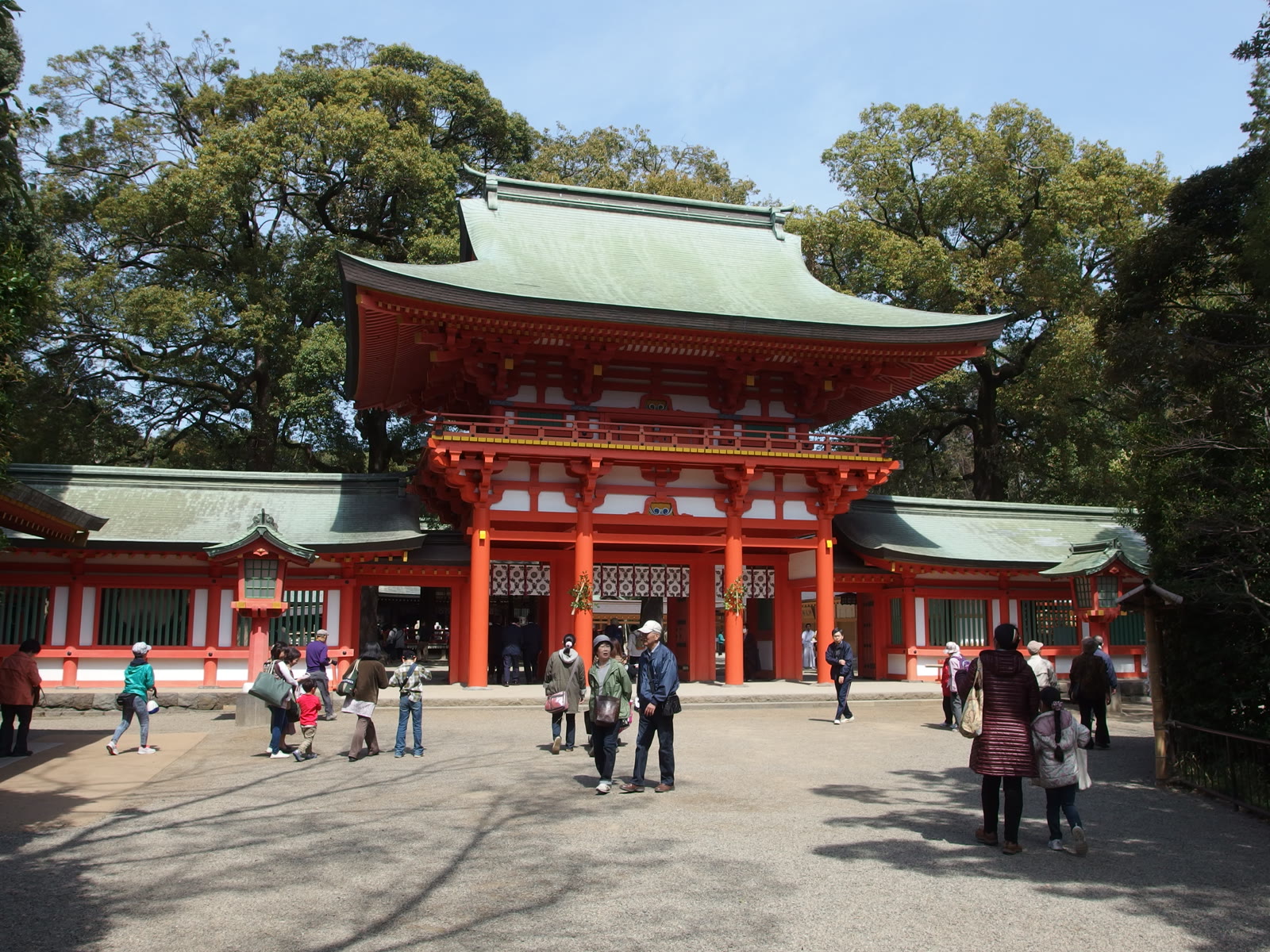
- Ote torii gatethe large vermilion torii marking the formal entrance to the shrine precinct
- Main shrine building (honden)the inner sanctuary where the enshrined deities are venerated, in classic shrine architectural style
- Inner precinct auxiliary shrinesseveral smaller sub-shrines within the wooded grounds surrounding the main hall
How to actually get there
- Tokyo Station → Omiya Station (JR Keihin-Tohoku Line, ~30–35 min; or Shinkansen, ~25 min).
- Omiya Station East Exit → Hikawa Shrine (walk, ~20 min following signs).
- Enter through the first torii on the long wooded approach (~2 km), pass the second and third torii, and reach the main hall. Allow 30–45 min to walk the full approach and grounds.
- JR Keihin-Tohoku Line or Shinkansen to Omiya Station
- Tokyo Station → (JR Keihin-Tohoku Line, bound for Omiya, ~30–35 min; or JR Shinkansen Tohoku/Joetsu, ~25 min) → Omiya Station → (walk east exit, follow signs for Hikawa Shrine, ~20 min on foot) → shrine. Total ~45–55 min depending on route.
- Return from Omiya Station
- Walk back along the sando or a parallel road to Omiya Station and take the JR Keihin-Tohoku Line or Shinkansen back to Tokyo. Both run frequently.
About the place
Musashi Ichinomiya Hikawa Shrine is the head shrine of roughly 280 Hikawa shrines spread across the former Musashi province — the historical region that today covers the whole of Saitama Prefecture, most of Tokyo, and parts of Kanagawa. Tradition places its founding more than 2,400 years ago, and it was ranked by the Meiji imperial court as the most senior shrine of the Musashi region, a status its name spells out: Ichinomiya means 'first shrine of the province.' The approach running south from the main gate — Hikawa Sando — stretches two kilometres and is lined by about 650 trees of some 40 species, including zelkova, chinquapin, and Japanese hackberry, creating one of the longest tree-lined shrine avenues in Japan. The city of Omiya takes its name from this shrine: Omiya literally means 'the great shrine,' testimony to how central the shrine was to the life of the surrounding town.
How to enjoy it
Begin at the southern end of Hikawa Sando, a ten-minute walk south of the shrine, and walk the full two-kilometre avenue to appreciate its scale. The approach is at its finest in autumn when the trees turn gold and in spring when the light through the leaves is fresh. Entry to the shrine grounds is free at all times. The walk from Omiya Station to the shrine along the sando takes about 20 minutes on foot from the east exit.
Background & history
The shrine is dedicated to Susanoo-no-Mikoto and two related deities associated with water and agriculture. Its documented history stretches into the early centuries of the common era, and it has been patronised by successive warrior rulers from the Kamakura and Edo periods. Emperor Meiji designated it Musashi Ichinomiya — the highest shrine of the old province — in the Meiji period, cementing its position at the top of the regional shrine hierarchy. Today it draws millions of worshippers for hatsumode, the first shrine visit of the new year.
Before you go
- Cash
- IC cards (Suica / PASMO) accepted on all JR lines. Entry to the shrine grounds is free.
- Good to know
- The shrine grounds are open throughout the day with no fixed closing time for the outer precinct. The inner sanctuary observes standard shrine hours. The approach is always accessible. Busiest at New Year (hatsumode) and on weekends.
- Another way
- Kita-Omiya Station on the Tobu Urban Park Line is about a 10-minute walk from the shrine — useful if coming from northern Saitama.
- After you get off
- From Omiya Station East Exit, follow the main street northeast (signs for Hikawa Shrine); the torii gate appears after about 20 minutes on foot.
Nearby notes
 MaedaAkihiko / CC BY-SA 4.0
Culture · Saitama★
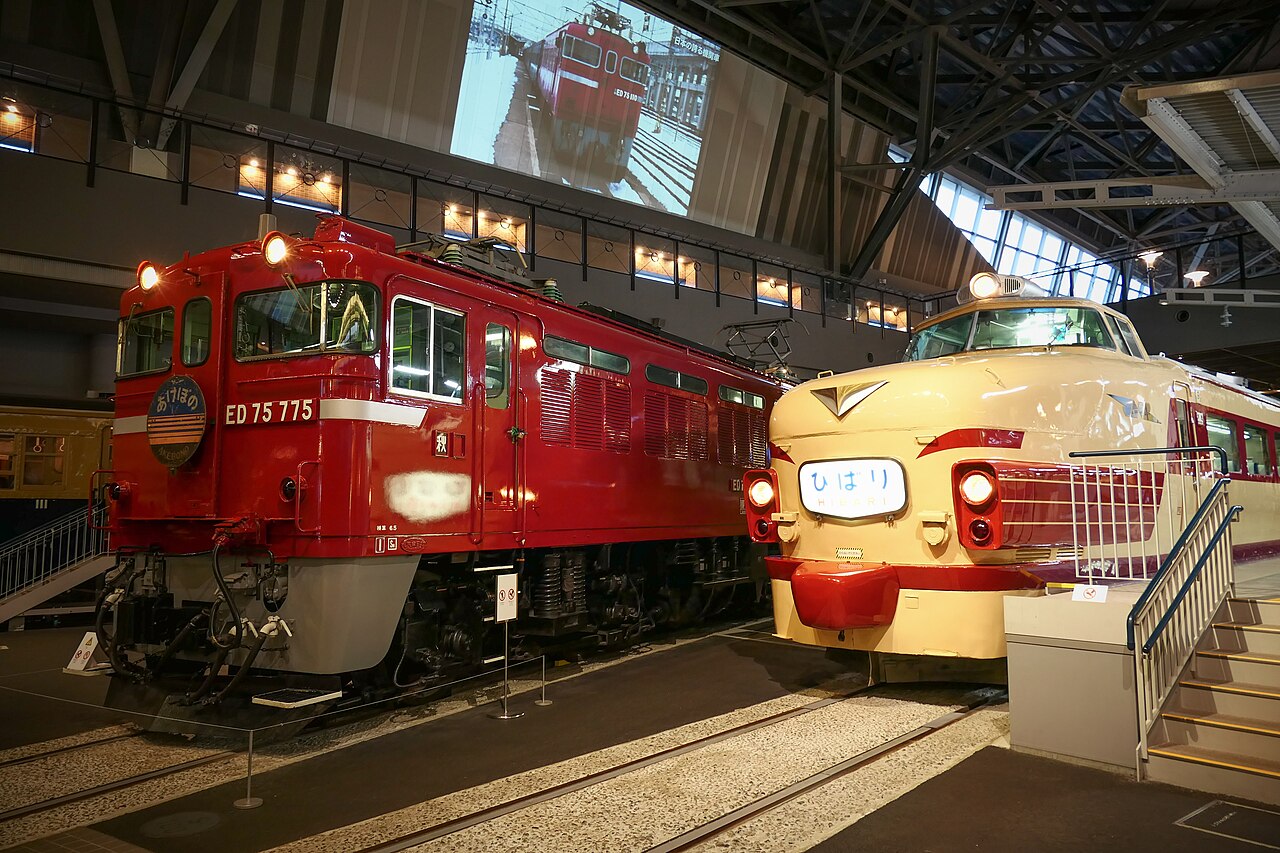
The Railway Museum at Omiya
1.1 km · straight line
 Dandy1022 / CC BY-SA 4.0
History · Saitama★★★
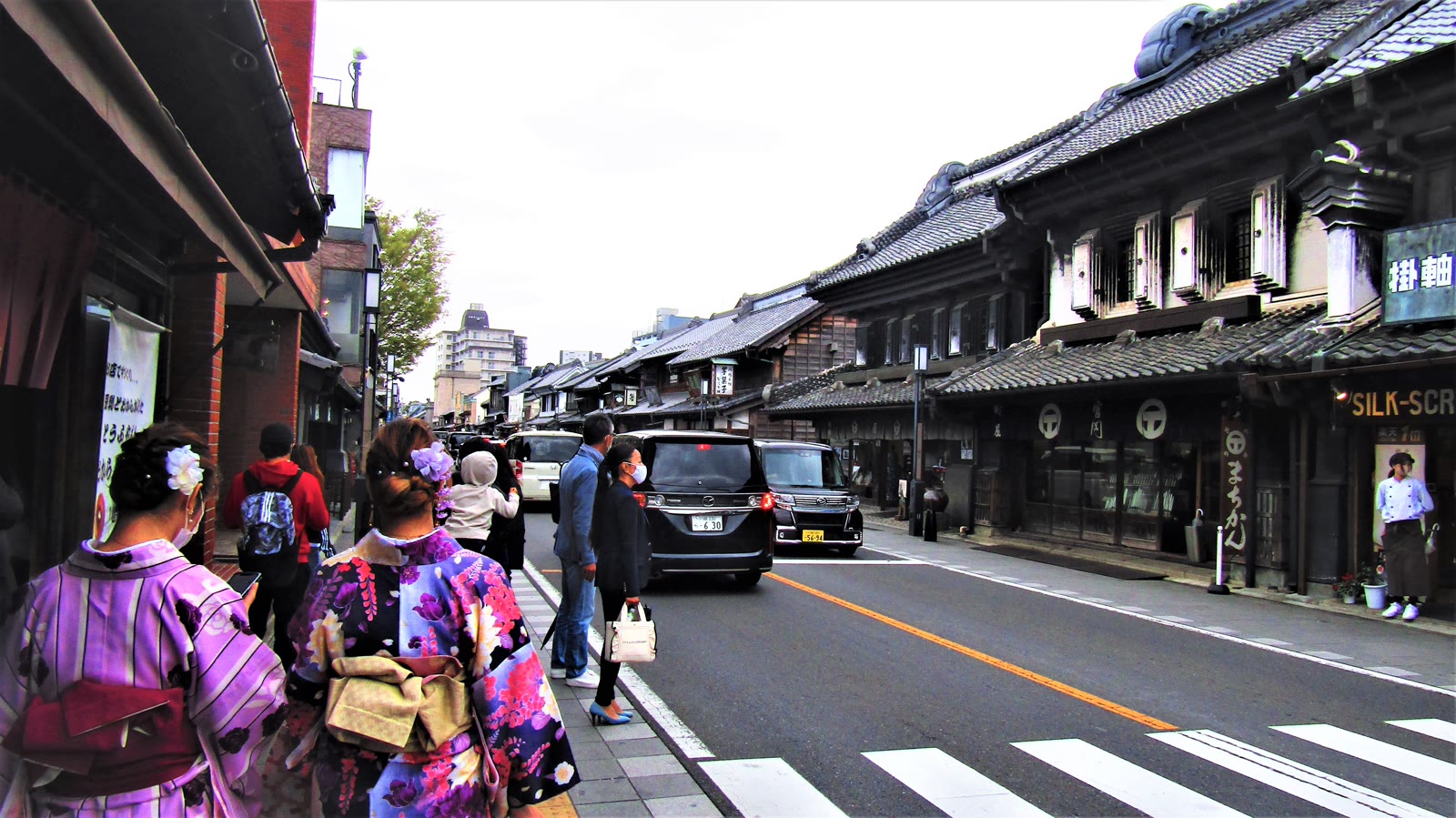
Kawagoe Ichibangai
13.1 km · straight line
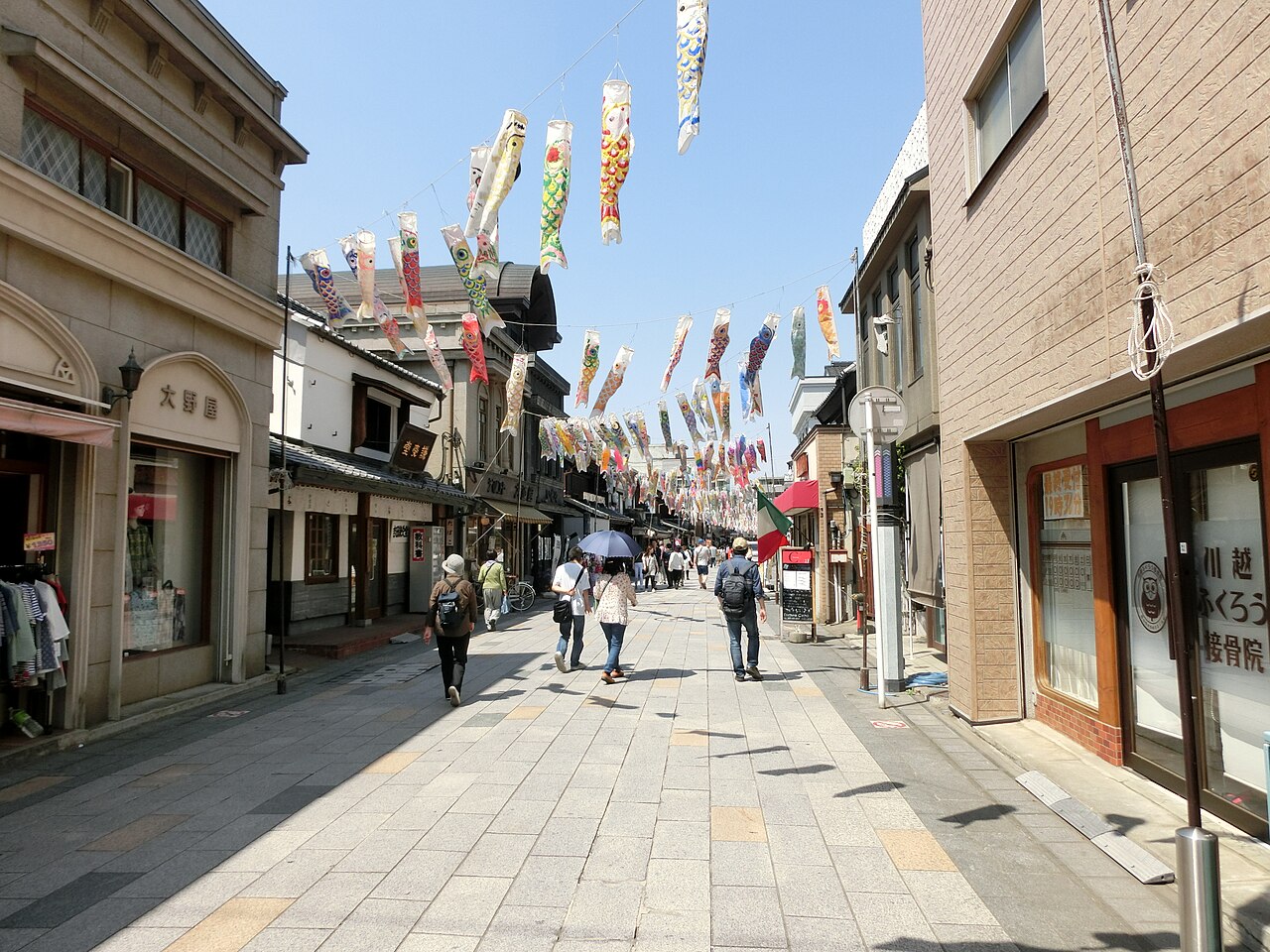 Abasaa / Public domain
Local life · Saitama★★
Kawagoe's Taisho Roman Dream Street
13.1 km · straight line
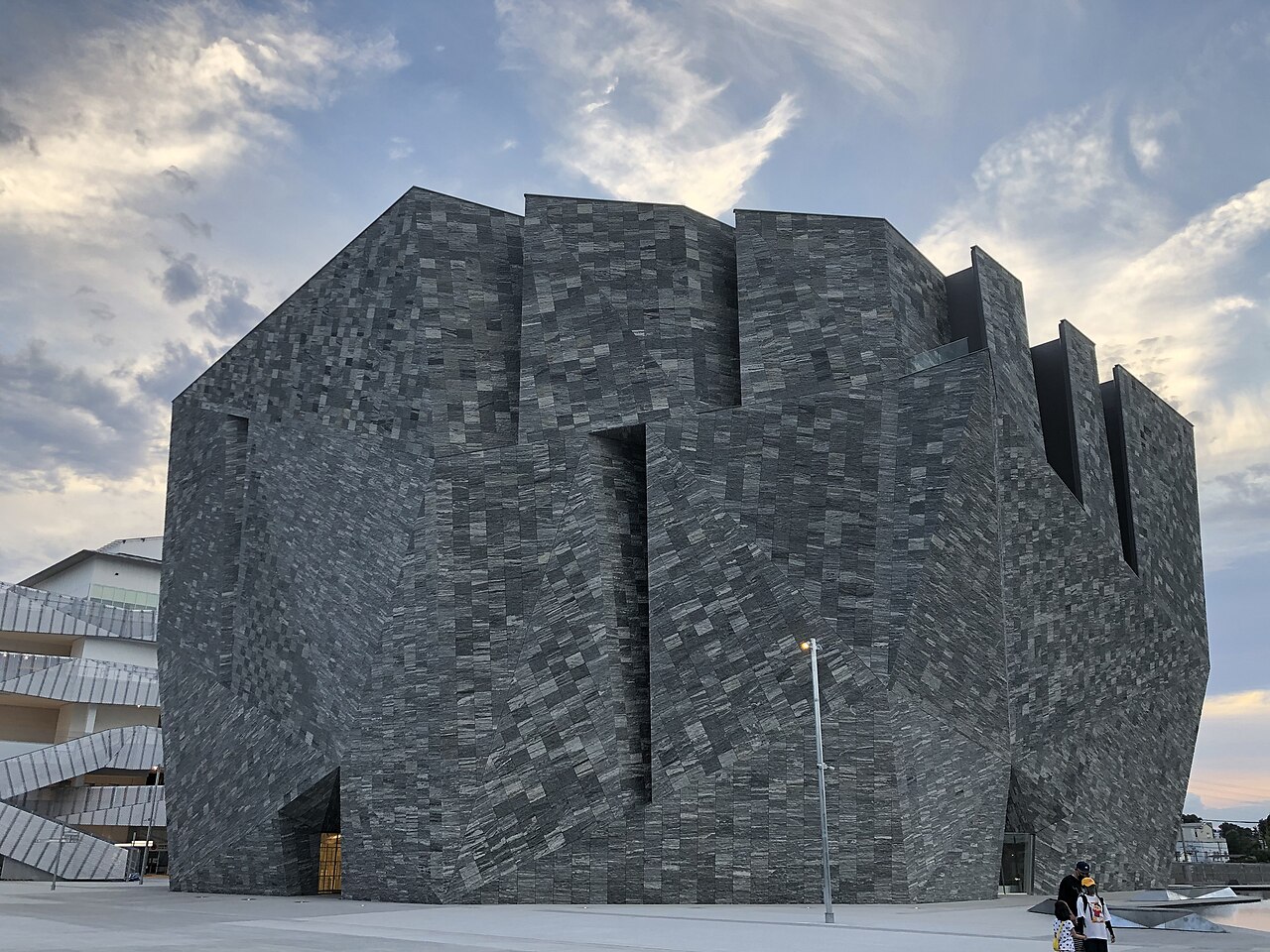 Kaijooo / CC BY-SA 4.0
Culture · Saitama★★
Kadokawa Musashino Museum
17.2 km · straight line
Distances are straight lines on the map, not travel times.