Saitama · Omiya, Saitama cityNo.280★Open in map →
The Railway Museum at Omiya
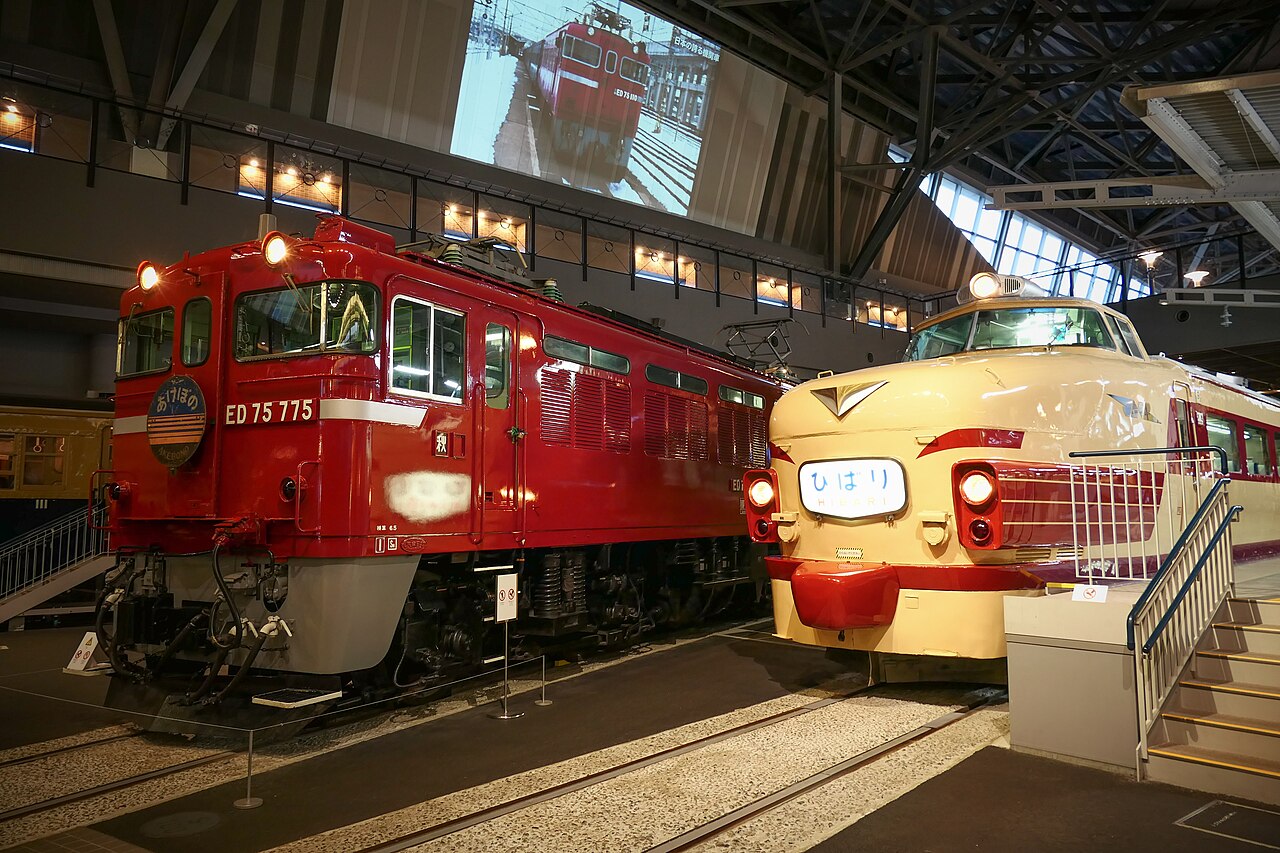
Japan's largest railway museum, opened in Omiya in 2007 by JR East. Its Vehicle Station hall holds 36 real vehicles — steam and electric locomotives, carriages, Shinkansen, freight wagons and imperial cars — around a working turntable.
- FromTokyo Stn
- ~40 minJR + New Shuttle (frequent)
- Get off atTetsudo-Hakubutsukan (Railway Museum) Station, New Shuttle
- On foot
- The Railway Museum at Omiya
The sweet spot
Foreign itineraries stop at Tokyo's edge, so Omiya rarely appears — yet it is forty minutes from Tokyo Station and this is where the country's railway heritage is physically kept. It is also one of the few major Japanese museums where the exhibits need no translation to land.
Where it is
19 more notes in Saitama · open the map →What to look for
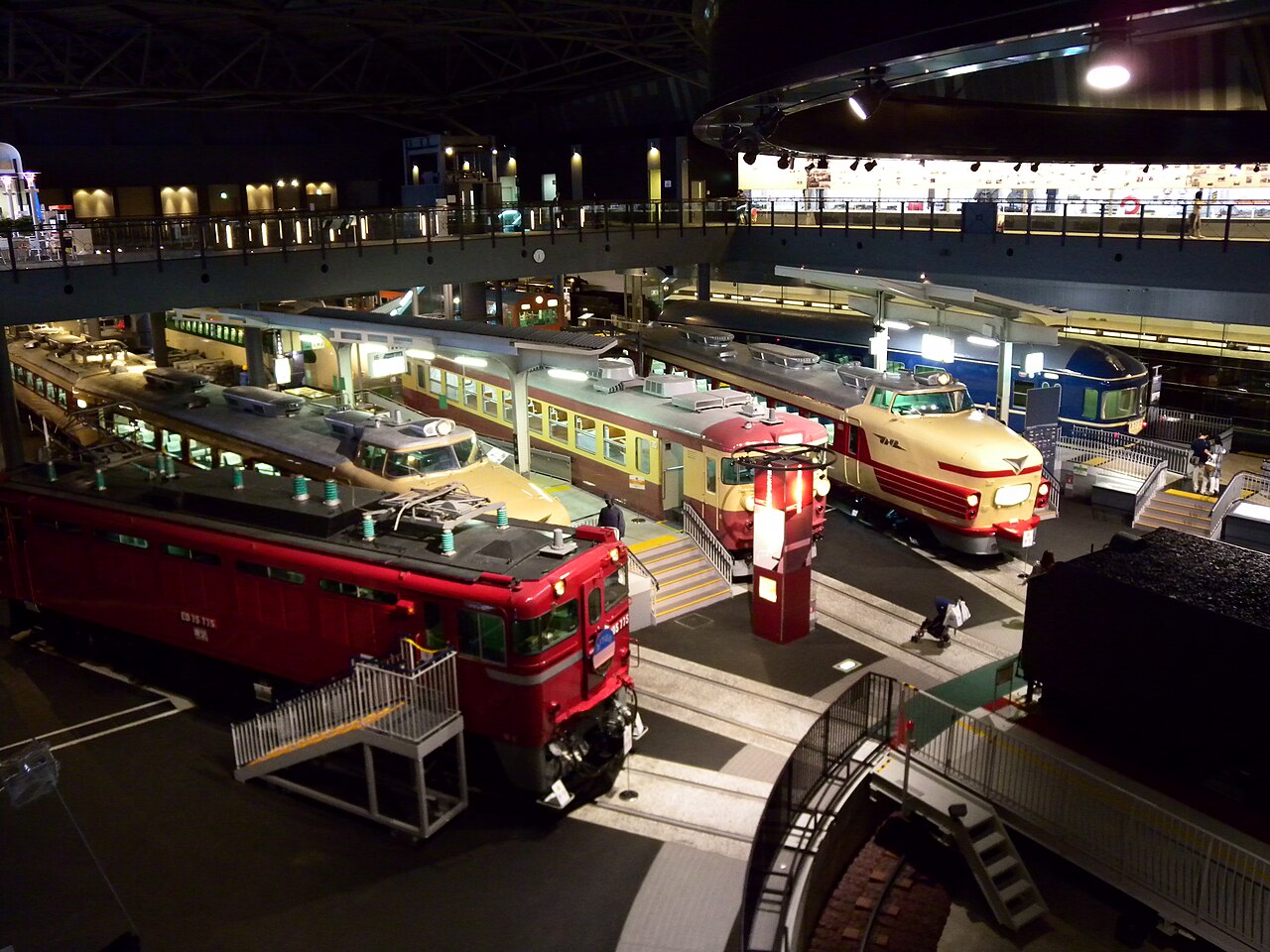
- Vehicle Station (car hall)36 real vehicles on the ground floor, from steam locomotives to Shinkansen and imperial carriages — the museum's core
- Turntable demonstrationa working turntable rotates a steam locomotive at set times through the day
- D51 driving simulatora full steam cab where the pressure gauges and water glass respond to your driving, on a motion rig that reproduces the vibration
- Railway dioramaone of the largest model railway layouts in Japan, run as a timed show
- Mini driving railwaysmall rideable trains children actually drive around an outdoor circuit
How to actually get there
- Tokyo Stn → Omiya Stn (JR Ueno-Tokyo / Takasaki / Utsunomiya Line, ~30 min).
- Omiya Stn → Tetsudo-Hakubutsukan Stn (New Shuttle, 1 stop, ~3 min).
- Walk ~1 min along the elevated walkway to the museum entrance.
- Tokyo Stn → Omiya → New Shuttle (one stop)
- Tokyo Stn →(JR Ueno-Tokyo Line, Takasaki or Utsunomiya Line, ~30 min; or Tohoku/Joetsu Shinkansen, ~25 min)→ Omiya Stn →(New Shuttle, 1 stop, ~3 min)→ Tetsudo-Hakubutsukan Stn →(walk, ~1 min)→ the museum entrance. Total about 40 min. JR trains run every few minutes and the New Shuttle roughly every 6–10 minutes, so no timetable check is needed.
- Return from Tetsudo-Hakubutsukan Station
- Take the New Shuttle one stop back to Omiya, then any southbound JR line to Ueno and Tokyo (~30 min). Omiya is a major junction with trains until late, so the return is flexible — and it is also the natural transfer point if you are heading north to Nikko or the Tohoku Shinkansen afterwards.
About the place
The Railway Museum opened in 2007 in Omiya, north of Tokyo, as a commemorative project for JR East's twentieth anniversary, and it is the largest railway museum in the country. The heart of it is the Vehicle Station, a single vast hall on the ground floor holding thirty-six real vehicles: steam locomotives, electric locomotives, passenger carriages, electric multiple units, Shinkansen sets, diesel railcars, freight wagons and imperial carriages, arranged around a turntable that is still put into motion for demonstrations. Several vehicles can be boarded. A giant screen along the upper wall runs sound, light and film over the hall. Beyond it are driving simulators — including a full D51 steam cab whose pressure gauges, water glass and speedometer all respond to the driver, with a motion rig reproducing the shake of a working locomotive — a mini driving railway for children, and one of the largest model railway dioramas in Japan.
How to enjoy it
Budget three to four hours; railway-minded visitors easily spend the whole day. Open 10:00 to 17:00 with last admission at 16:30, closed Tuesdays and over the New Year holidays. Buy tickets online before you go — advance and same-day tickets are both sold through the official ticket site, and the popular simulators are allocated separately on the day, so head for those first and see the Vehicle Station afterwards. Almost nothing here depends on reading Japanese: the vehicles, the turntable and the simulators carry themselves. Pairing it with Omiya Hikawa Shrine, a few stops back down the line, makes a full and easy day out of Tokyo.
Background & history
Omiya has been a railway town since the Meiji era: it was chosen as a junction on the northbound trunk lines and grew around the works that built and repaired rolling stock, which is why the museum was sited here rather than in central Tokyo. JR East opened the museum in 2007 to mark twenty years since the 1987 privatisation and break-up of Japanese National Railways, and it took over the role of the older Transportation Museum that had stood in Kanda. The collection is built around preserved vehicles rather than models, which is what makes the Vehicle Station hall unusual: the objects on display are the actual machines that ran the network.
Before you go
- Cash
- Advance and same-day admission tickets are sold on the museum's official online ticket site; general admission is 1,500 yen, elementary and junior high school students 500 yen, and preschool children 200 yen at advance rates. The New Shuttle is a separate operator from JR and charges its own fare (a few hundred yen), but takes the same IC cards.
- Good to know
- Open 10:00–17:00, last admission 16:30. Closed on Tuesdays and over the New Year period. Simulator sessions and the diorama show run to a daily schedule and some are allocated by lottery or by numbered ticket issued on arrival, so check the day's board as you enter.
- Another way
- The museum is also about a 20-minute walk from the west side of Omiya Station if the New Shuttle transfer is inconvenient, and Omiya is directly reachable from Ueno (~25 min) and Shinjuku (~30 min, Shonan-Shinjuku Line) as well as Tokyo Station.
- After you get off
- Tetsudo-Hakubutsukan Station sits directly beside the museum — leave the platform and follow the elevated walkway to the entrance, about one minute.
Nearby notes
 Ocdp / CC0
History · Saitama★★★
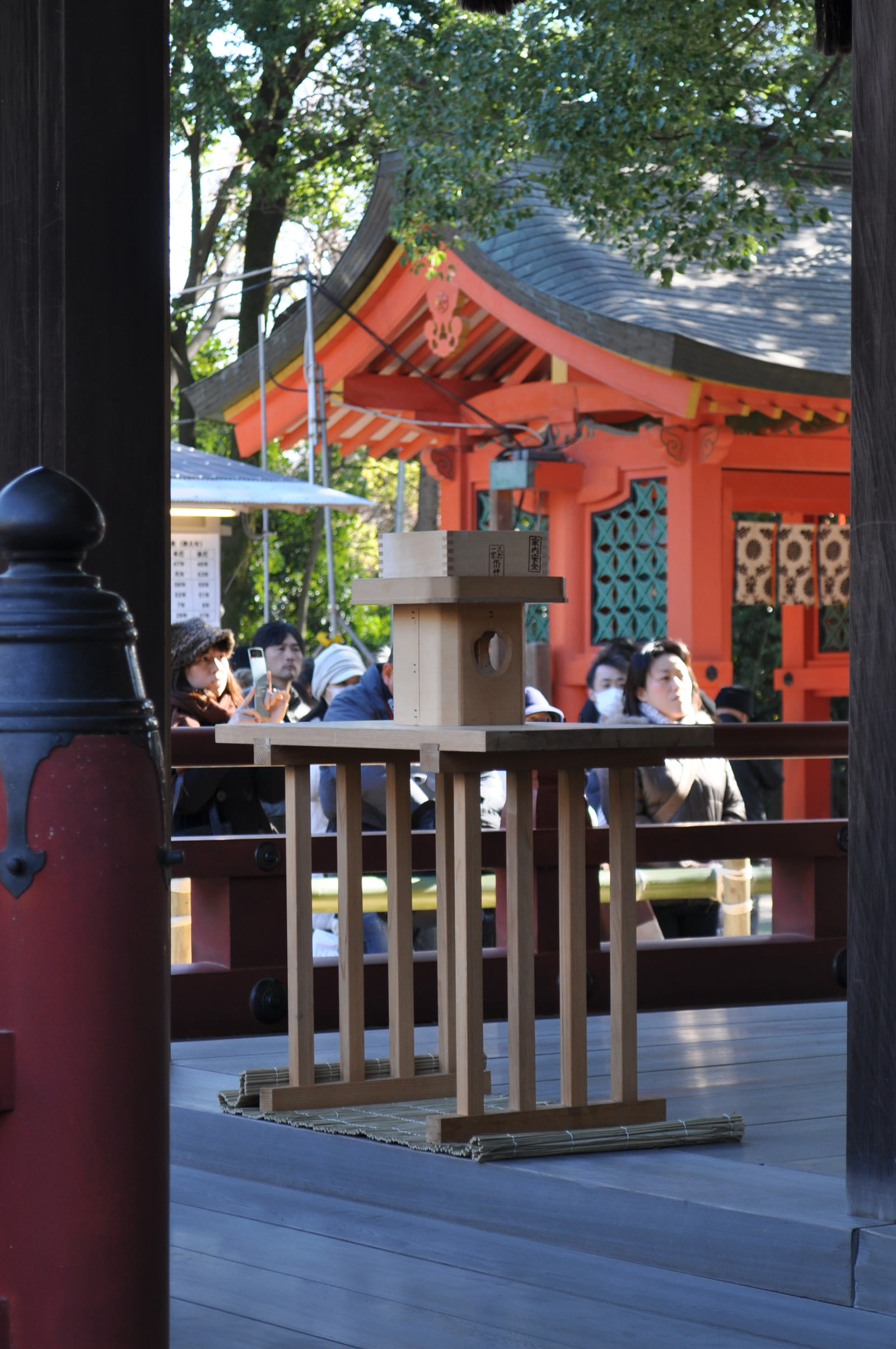
Musashi Ichinomiya Hikawa Shrine
1.1 km · straight line
 Dandy1022 / CC BY-SA 4.0
History · Saitama★★★
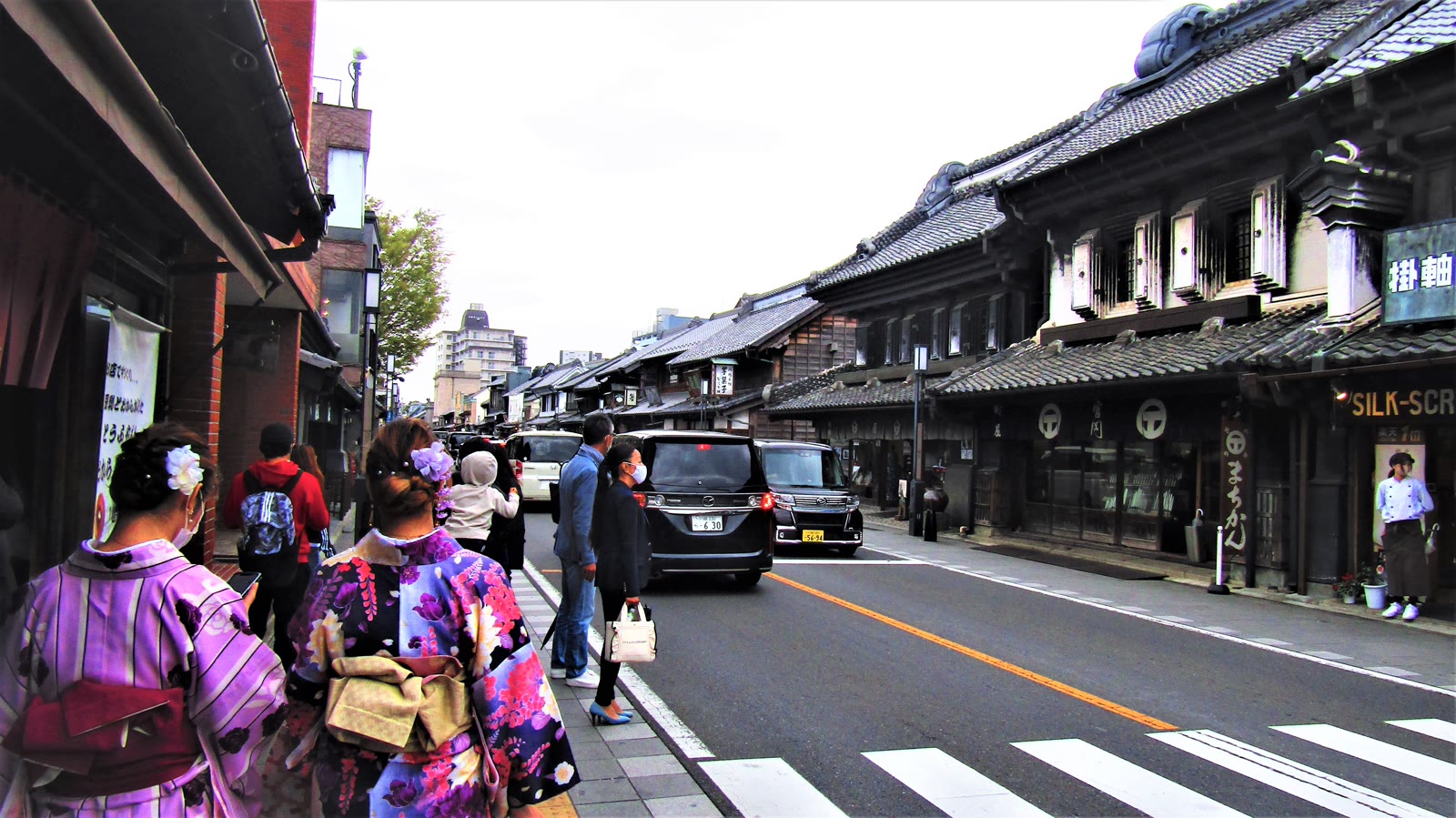
Kawagoe Ichibangai
12.1 km · straight line
 Abasaa / Public domain
Local life · Saitama★★
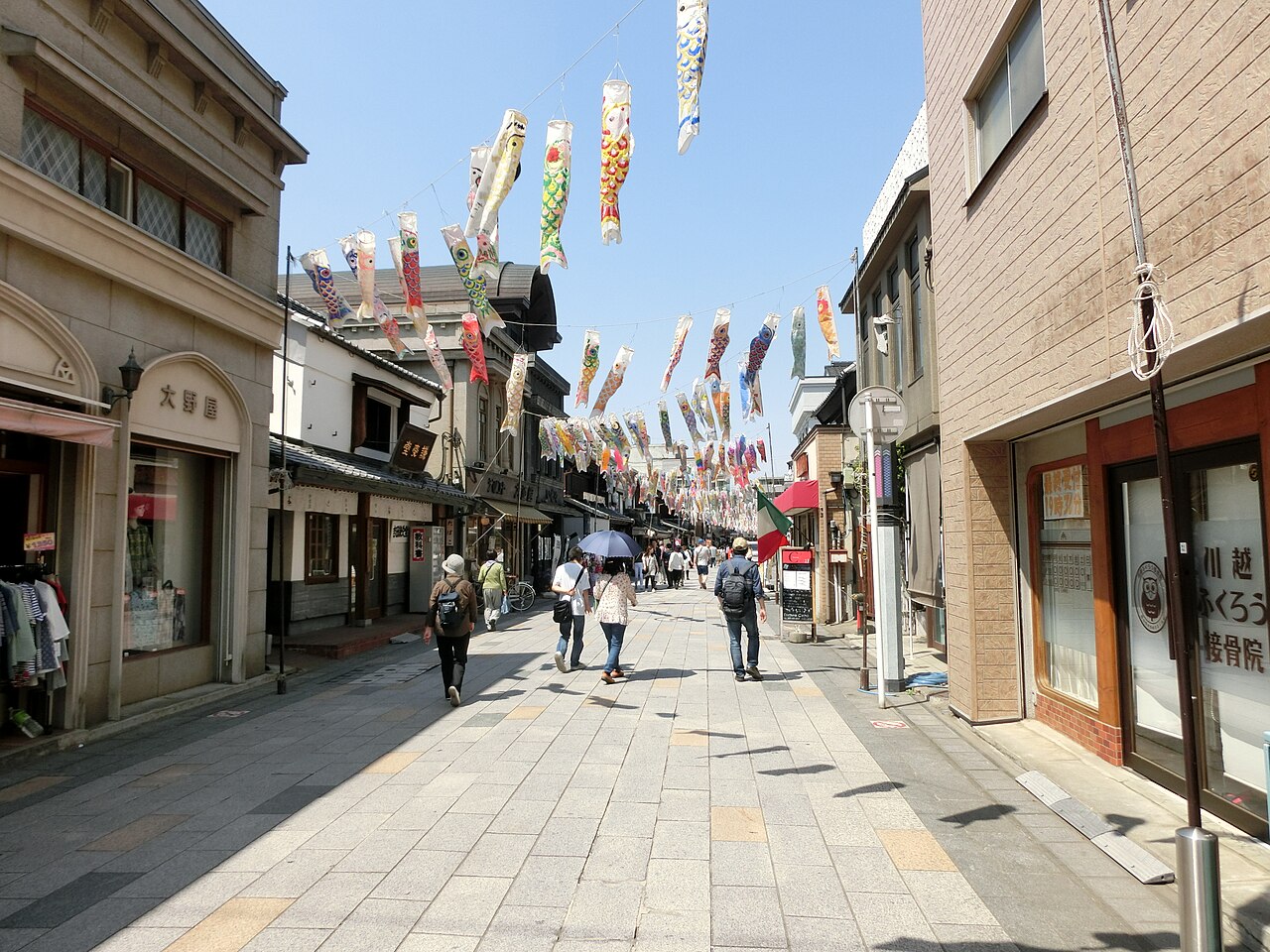
Kawagoe's Taisho Roman Dream Street
12.1 km · straight line
 Kaijooo / CC BY-SA 4.0
Culture · Saitama★★
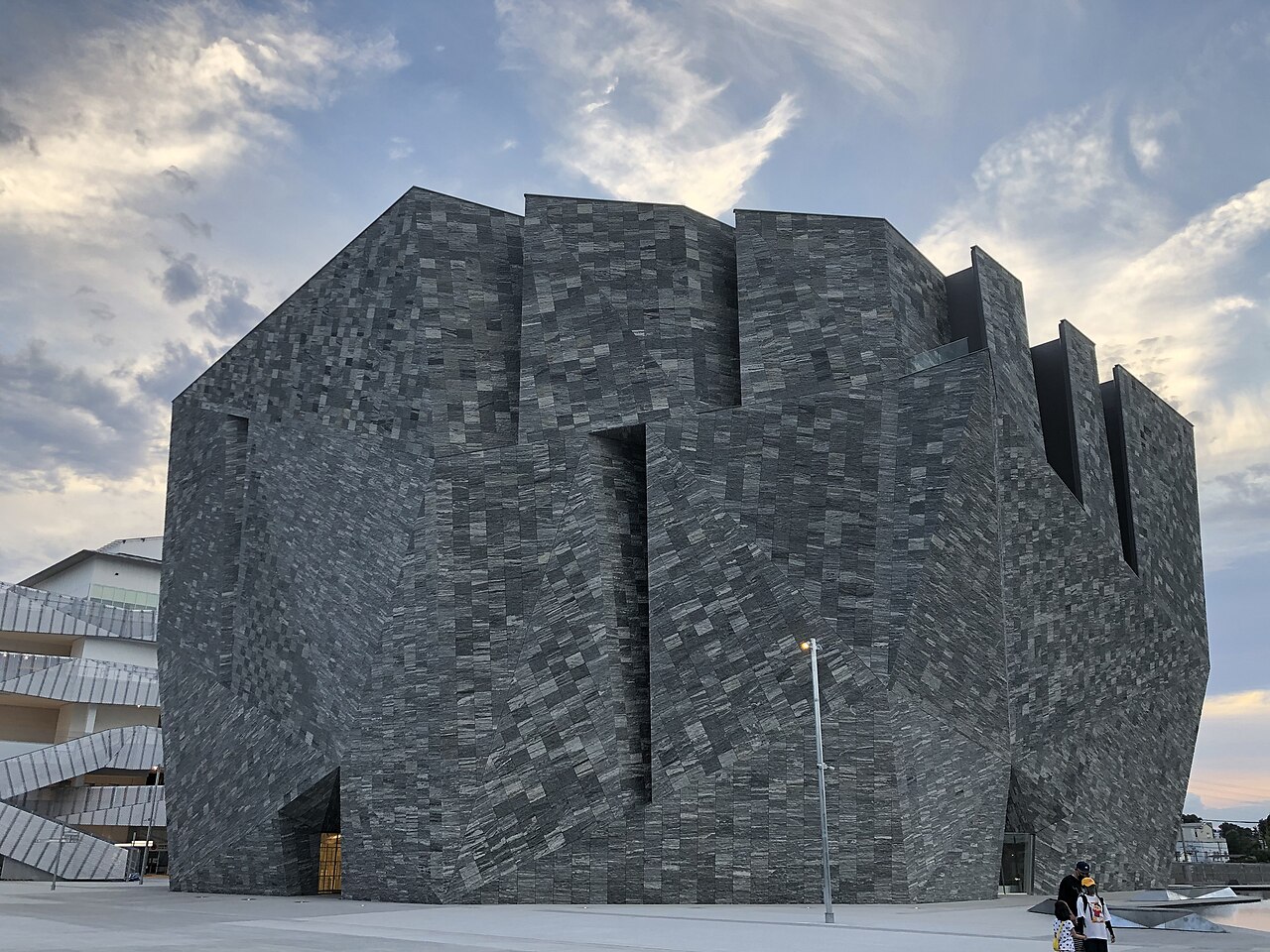
Kadokawa Musashino Museum
16.9 km · straight line
Distances are straight lines on the map, not travel times.