Saitama · KawagoeNo.090★★Open in map →
Kawagoe's Taisho Roman Dream Street
— one block off the warehouse row
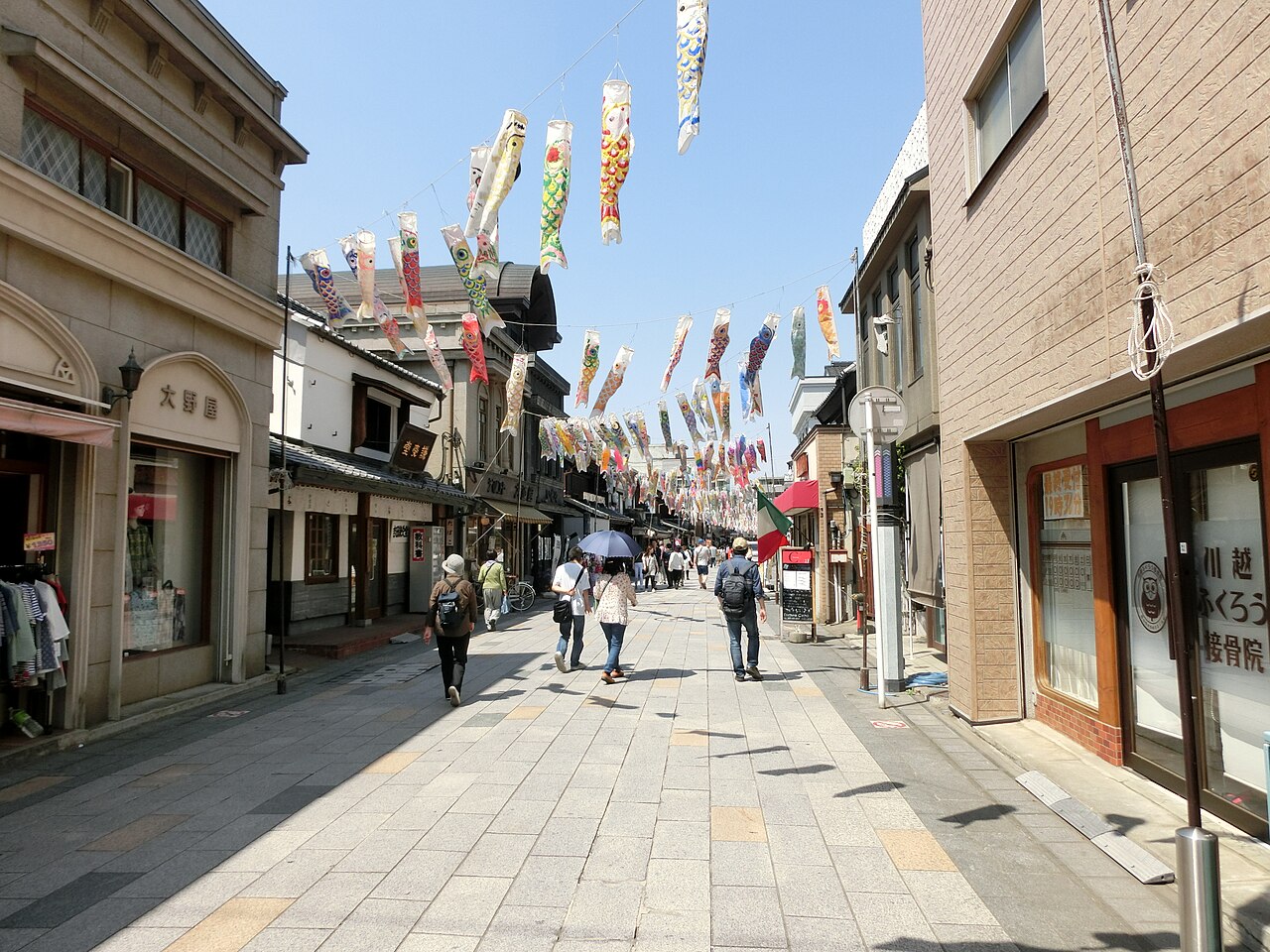
A roughly 200-metre shopping street in Kawagoe, Saitama, lined with retro Taisho- and early Showa-era shopfronts, with a granite-cobbled stretch running one block from the city's famous warehouse avenue.
- FromIkebukuro Stn
- ~45 mintrain + walk
- Get off atKawagoe Stn
- From there
- Kawagoe's Taisho Roman Dream Street
The sweet spot
It is signposted and central, but most day-trippers walk straight down the main warehouse row and never turn off it. A hundred metres to the side, the noise drops away. There is little English-language coverage of the lane itself, so it rarely appears on visitors' plans.
Where it is
19 more notes in Saitama · open the map →What to look for — in walking order
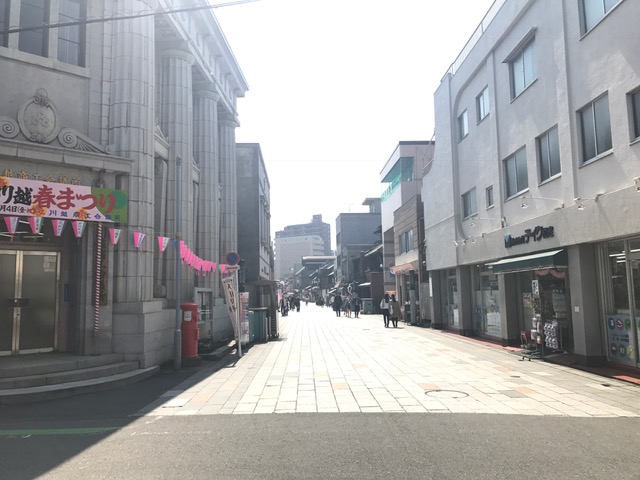
- Granite cobblesa roughly 160-metre stretch paved in mikage-ishi (polished granite)
- Signboard architectureWestern-styled wooden shopfronts that spread in Japan after the 1923 earthquake
- Curving streeta gentle bend inherited from the old castle-town layout
- Filming locationa frequent backdrop for films, dramas, and commercials set in the Taisho era
How to actually get there
- Ikebukuro Stn → Kawagoe Stn (Tobu Tojo line express, ~30 min, no transfer).
- Kawagoe Stn → the old town on foot (~15 min).
- Turn one block off the main warehouse row onto the cobbled Taisho lane.
- Tobu Tojo line (direct)
- Ikebukuro Stn in Tokyo →(Tobu Tojo line express, ~30 min)→ Kawagoe Stn. No transfer. From Kawagoe Stn it is about a 15-minute walk toward the old town; the lane sits just before the warehouse district. Fare about 490 yen one way. Trains run frequently all day.
- Return (frequent, all day)
- This is an in-town street on commuter lines. Trains back to central Tokyo run frequently until late evening, so no fixed schedule is needed. Simply retrace your route to Kawagoe Stn (or to Hon-Kawagoe Stn on the Seibu line).
About the place
Most visitors to Kawagoe head straight for the clay-walled Kurazukuri warehouse street and the candy alley beside it. One block over, Taisho Roman Dream Street runs a gently curving lane of about thirty shops, with a mikage-ishi granite-cobbled section through roughly 160 metres of its 200-metre length. The buildings mix traditional wooden townhouses with the Western-styled 'signboard architecture' shopfronts that spread across Japan after the 1923 Great Kanto Earthquake. The street's period atmosphere has made it a recurring location for films, television dramas, and commercials.
How to enjoy it
Walk the granite-cobbled stretch slowly, reading the shopfronts one by one. The lane sits between the station and the warehouse district, so it folds naturally into a wider Koedo (Little Edo) Kawagoe walk — start here, then continue to the warehouse row.
Background & history
Long known as Ginza-dori, the street was part of Kawagoe's old Ginza shopping district and was among the first in Saitama Prefecture to build a covered arcade in the mid-20th century. As the arcade aged it was removed, and the district was rebuilt under a 'Taisho romance' townscape framework. The current name was adopted in 1995, and the overhead power lines were buried underground by 2001. The street's gentle curve is a survival of the old castle-town layout.
Before you go
- Cash
- Some older cafes and small shops prefer cash, though many now take cards — carry a little cash to be safe.
- Good to know
- Each shop keeps its own hours and some rest on weekdays. Early morning is quiet, but many places are still shut.
- Another way
- The Seibu Shinjuku line from Shinjuku (Seibu-Shinjuku Stn) reaches Hon-Kawagoe Stn, which is the closest station to the old town — about a 10-minute walk to the lane. This is the shortest walk if you start from the Shinjuku side.
- After you get off
- From Kawagoe Stn, about a 15-minute walk toward the old town; from Hon-Kawagoe Stn, about 10 minutes. The lane is signed and sits between the station and the warehouse district.
Nearby notes
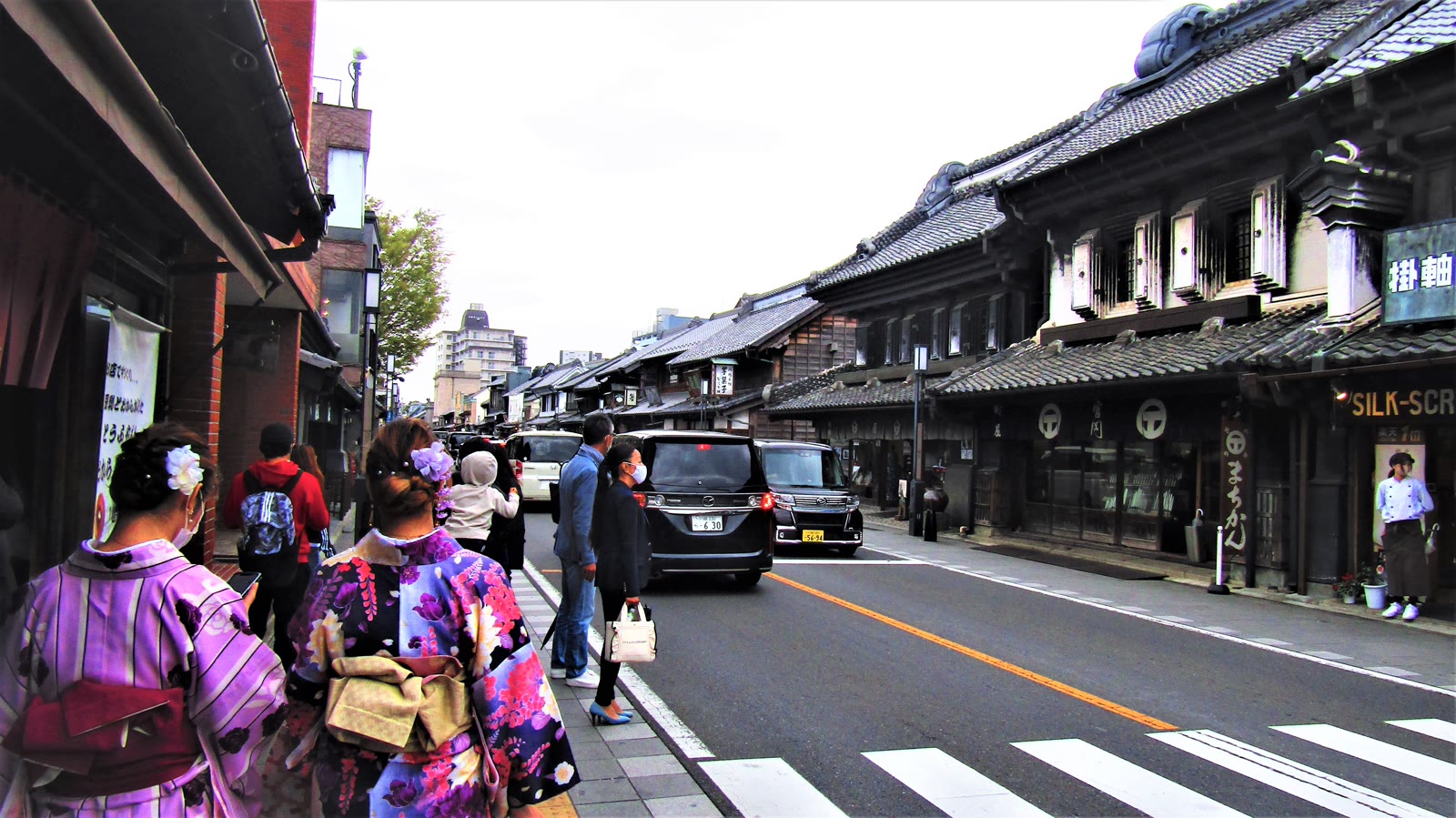 Dandy1022 / CC BY-SA 4.0
History · Saitama★★★
Kawagoe Ichibangai
0.6 km · straight line
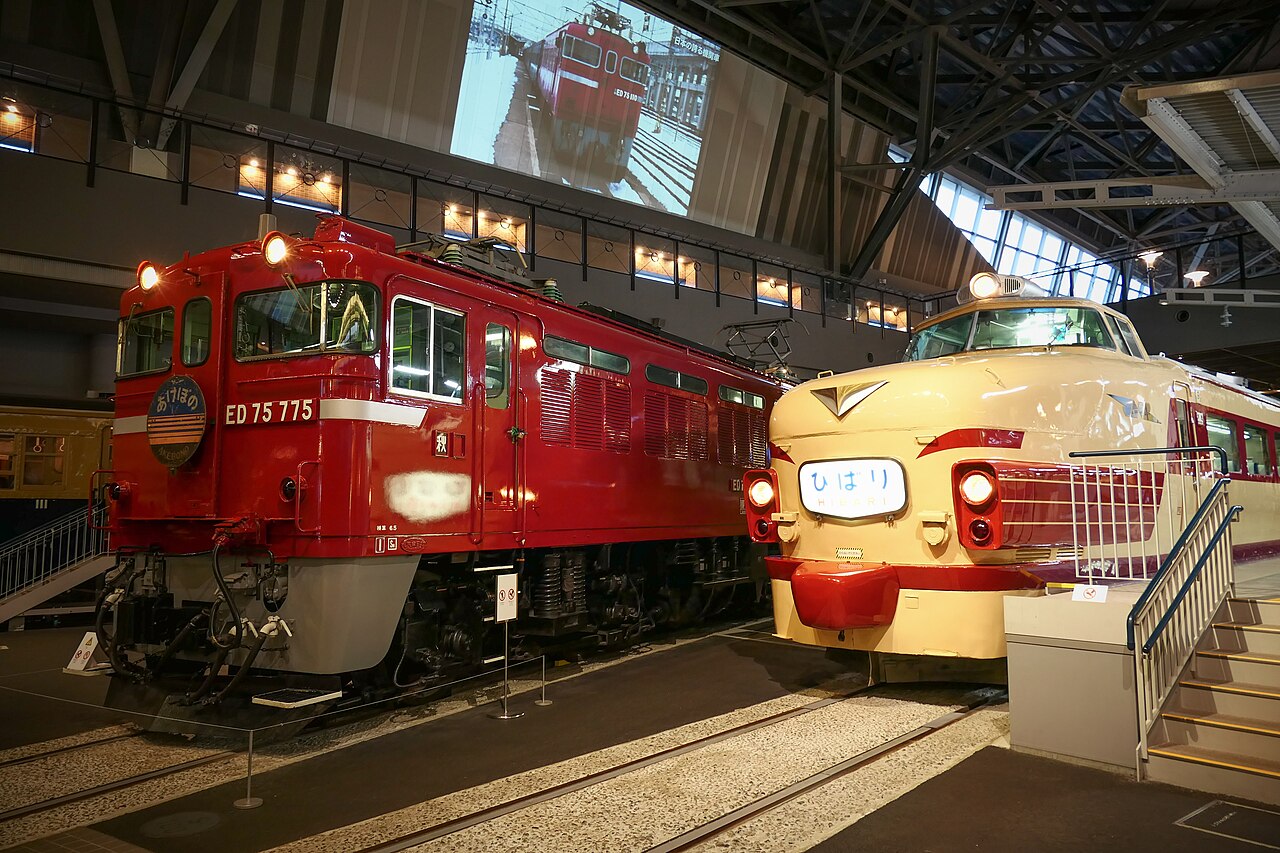 MaedaAkihiko / CC BY-SA 4.0
Culture · Saitama★
The Railway Museum at Omiya
12.1 km · straight line
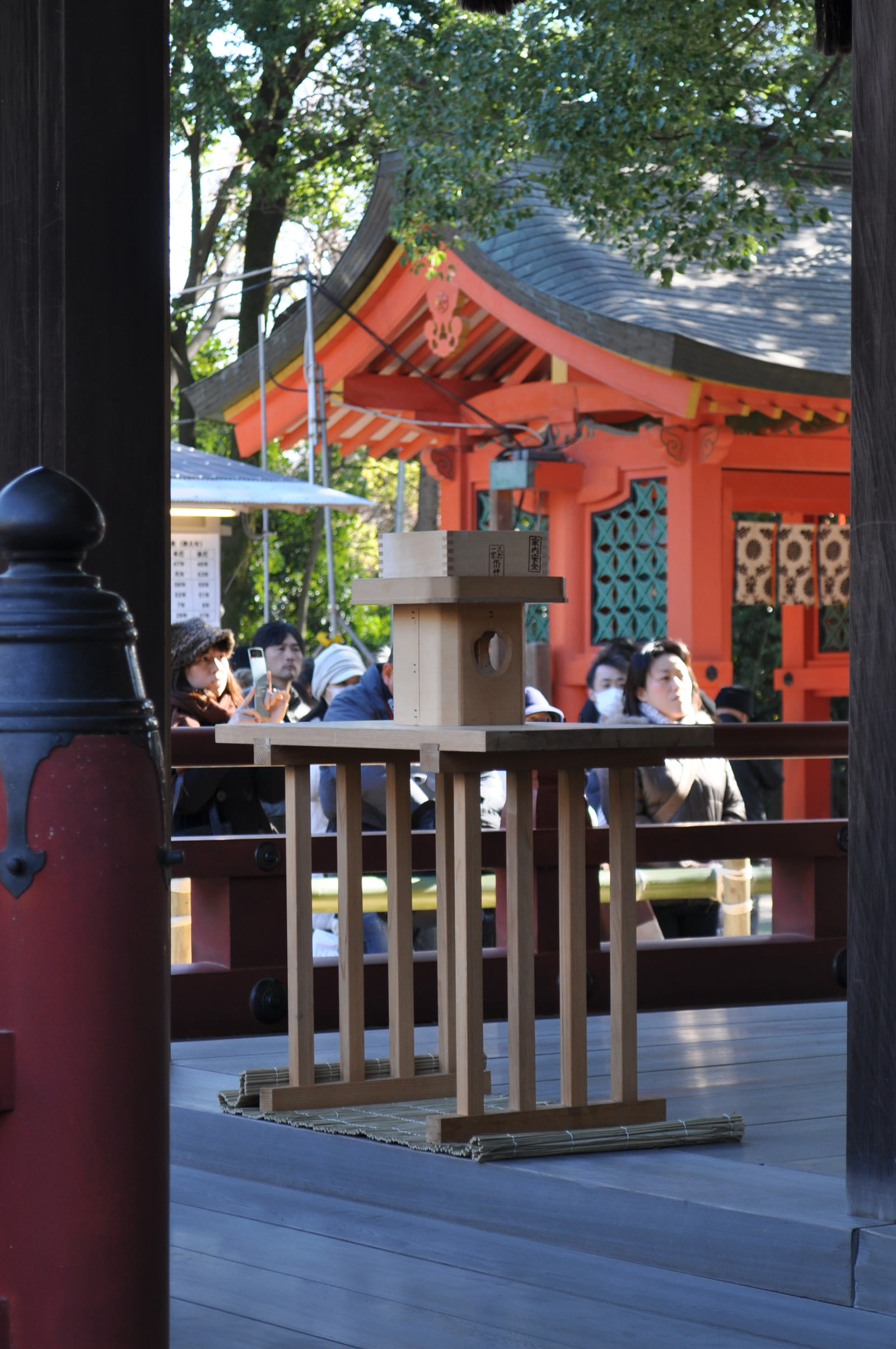 Ocdp / CC0
History · Saitama★★★
Musashi Ichinomiya Hikawa Shrine
13.1 km · straight line
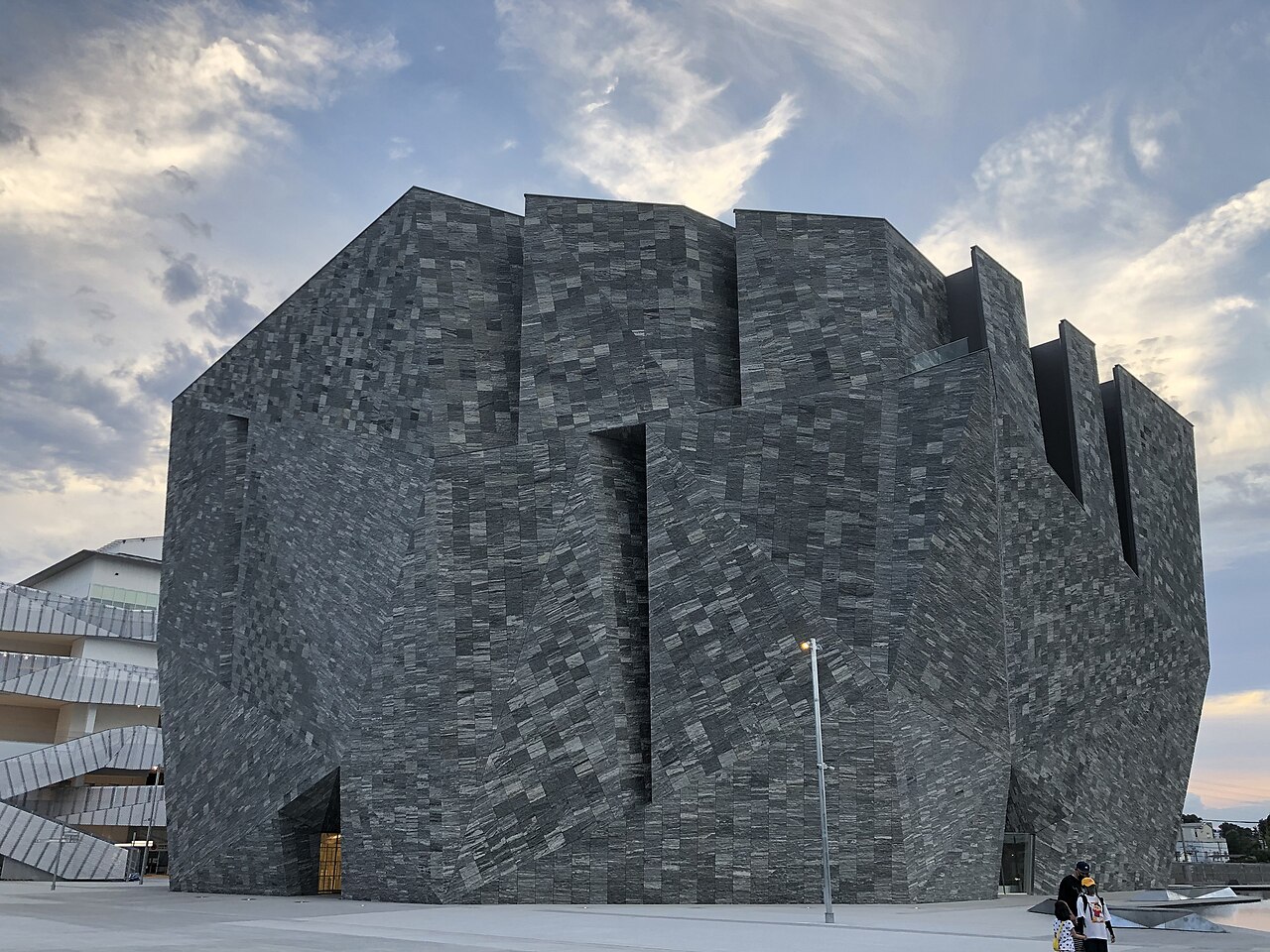 Kaijooo / CC BY-SA 4.0
Culture · Saitama★★
Kadokawa Musashino Museum
13.8 km · straight line
Distances are straight lines on the map, not travel times.