Wakayama · KoyasanNo.159★★★Open in map →
Koyasan Okunoin
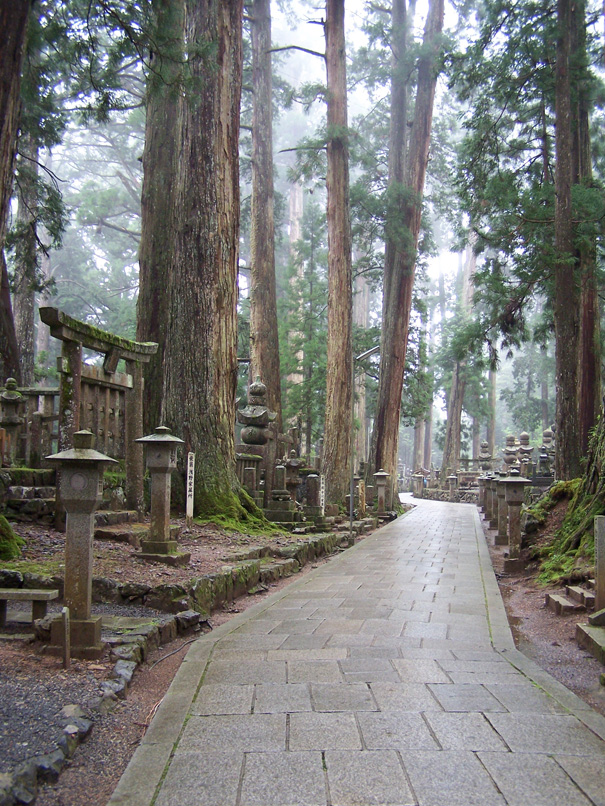
— the cedar-lined approach to Kobo Daishi's mausoleum
Okunoin is the innermost sanctuary of Koyasan, a UNESCO World Heritage mountain monastery in northern Wakayama. A 2 km path lined with ancient cedars leads through a cemetery of over 200,000 graves and memorial towers to the mausoleum of Kobo Daishi (monk Kukai), founder of Shingon Buddhism in Japan.
- FromOsaka Namba Stn
- ~2 hrNankai + cable car + bus
- Get off atOkunoin-guchi Bus Stop (Nankai Rinkan Bus)
- From there
- Koyasan Okunoin
Where it is
21 more notes in Wakayama · open the map →What to look for — in walking order
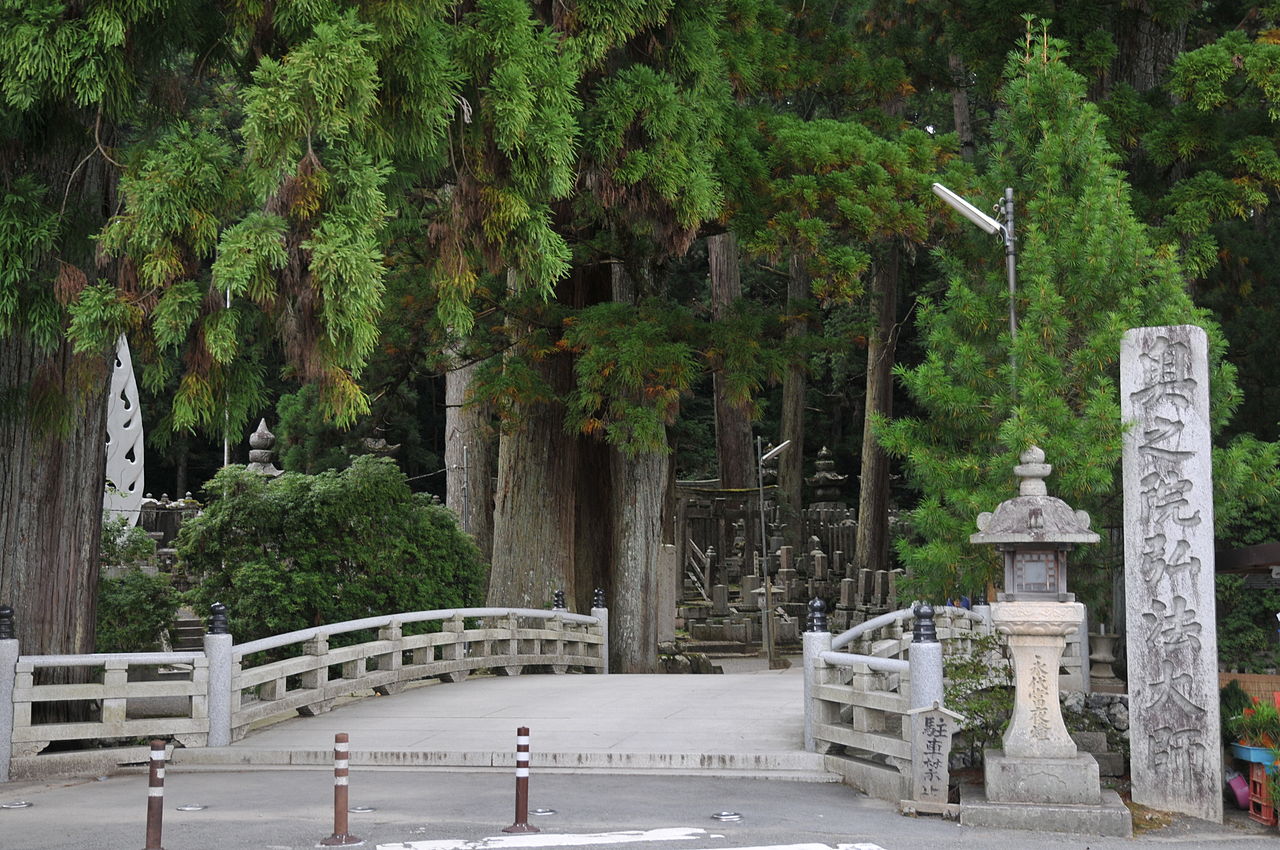
- Ichi-no-hashi Bridgethe traditional start of the pilgrim path to Okunoin; visitors bow before crossing
- Cedar-lined main pathabout 2 km of paved path beneath towering old cedars, flanked by mossy stone graves and memorial towers spanning more than a thousand years of history
- Torodo Hall (Lantern Hall)a large hall in front of the mausoleum where thousands of lanterns burn continuously, including two said to have been lit for over a thousand years
- Kobo Daishi Gobyo (mausoleum)the innermost sacred precinct where the founder Kukai is believed to rest in eternal meditation; visitors offer incense and prayer
How to actually get there
- Osaka Namba Stn → Gokurakubashi Stn (Nankai Koya Line limited express, ~75-80 min).
- Gokurakubashi Stn → Koyasan Stn (Nankai cable car, ~5 min).
- Koyasan Stn → Okunoin-guchi bus stop (Nankai Rinkan Bus, ~15 min). Walk a short way to Ichi-no-hashi Bridge to begin the path.
- Osaka Namba → Gokurakubashi → cable car → Koyasan Stn → bus to Okunoin-guchi
- From Osaka Namba Station (Nankai), take the Nankai Line limited express (Koya) to Gokurakubashi Station (about 75-80 minutes). Transfer to the Nankai Koyasan Cable Car to Koyasan Station (about 5 minutes). From Koyasan Station, take the Nankai Rinkan Bus toward Okunoin: board at the station and ride to the Okunoin-guchi stop (about 15 minutes, included in the Koyasan World Heritage Ticket day-pass). Buses run frequently (about 2-3 per hour). Total journey about 2 hours.
- Okunoin-guchi → Koyasan Stn → cable car → Gokurakubashi → Osaka Namba
- Return the same way. Buses run regularly through the day. Check the last cable car departure from Koyasan Station if visiting in the late afternoon (posted at the station). The limited express from Gokurakubashi to Namba runs until evening.
About the place
Koyasan is a mountain complex founded in 816 CE by Kukai (posthumously titled Kobo Daishi), the monk who established the Shingon school of Esoteric Buddhism in Japan. Okunoin is its innermost and most sacred site: a cemetery of more than 200,000 stone monuments and graves, stretching about 2 km through a forest of cedars, some hundreds of years old. At the far end, the Torodo Hall (Lantern Hall) stands in front of the mausoleum where Kobo Daishi is believed to be in a state of eternal meditation. The Torodo Hall burns thousands of lanterns day and night, many donated by pilgrims over centuries, including two said to have been burning continuously for over a thousand years.
How to enjoy it
Okunoin is open 24 hours and free to enter. The Torodo Hall is open daily from 6:00 to 17:30. The path is atmospheric at any hour; early morning, before day-trippers from Osaka arrive, is when the cedar forest is quietest. The stretch from Ichi-no-hashi Bridge to the mausoleum takes about 40 minutes at a gentle pace. The Koyasan World Heritage Ticket (around ¥3,140 from Nankai Namba as of 2024-25; confirm current price at ticket machines) covers the round-trip train, cable car, and all-day local bus — good value for a day trip.
Background & history
Kukai founded Koyasan as a place of monastic practice in 816, during the Heian period. He died in 835 CE, and the tradition arose that he did not die but entered a state of eternal meditation (nyujo) in the mausoleum at Okunoin. Since then, generations of emperors, feudal lords, and ordinary people have placed memorial stones near the path, hoping to rest near him. The site is a component of the UNESCO World Heritage Site 'Sacred Sites and Pilgrimage Routes in the Kii Mountain Range,' inscribed in 2004.
Before you go
- Cash
- Entry to Okunoin is free. The Koyasan World Heritage Ticket (around ¥3,140 from Nankai Namba; confirm current price) includes round-trip Nankai train, cable car, and unlimited local bus on Koyasan. A limited express supplement (~¥790) is charged separately if taking the Koya express. Cash and IC cards are accepted on Nankai trains.
- Good to know
- Okunoin is a working sacred site with active graves and memorial stones — keep voices low and do not step on grave markers. Photography of the innermost mausoleum precinct (Gobyo) is not permitted.
- Another way
- The Koyasan-Kumano Access Bus operates between Koyasan and Shingu via Kumano Hongu Taisha on certain days — useful if combining Koyasan with the Kumano Kodo.
- After you get off
- Get off the bus at the Okunoin-guchi stop, beside the Ichi-no-hashi information office. The start of the cedar-lined pilgrim path (Ichi-no-hashi Bridge) is a short walk away. To start closer to the mausoleum instead, stay on to the terminal, Okunoin-mae, by Naka-no-hashi.
Nearby notes
 Christophe95 / CC BY-SA 4.0
History · Wakayama★
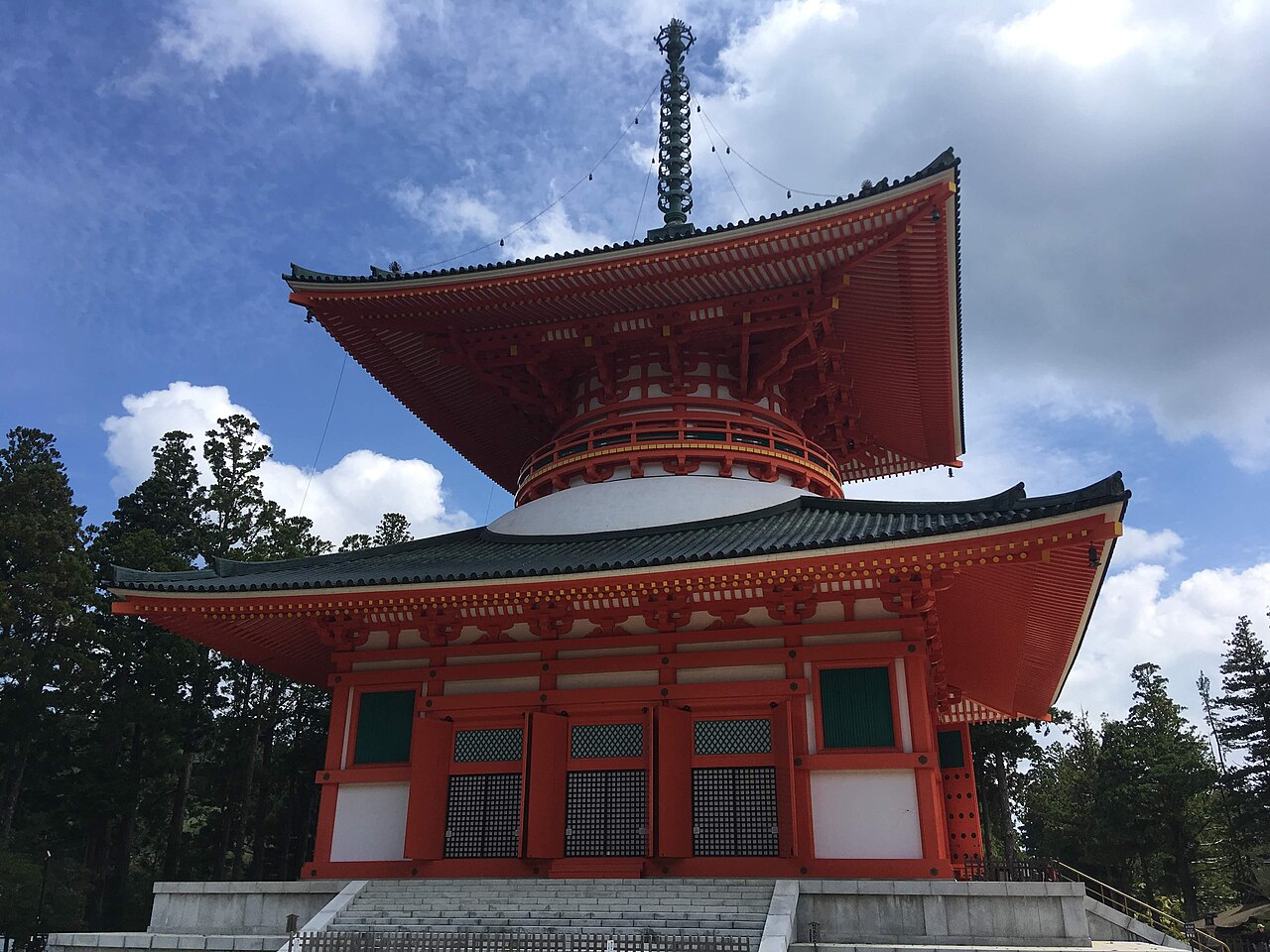
Danjo Garan and Kongobuji
2.0 km · straight line
 Indiana jo / CC BY-SA 4.0
History · Wakayama★★
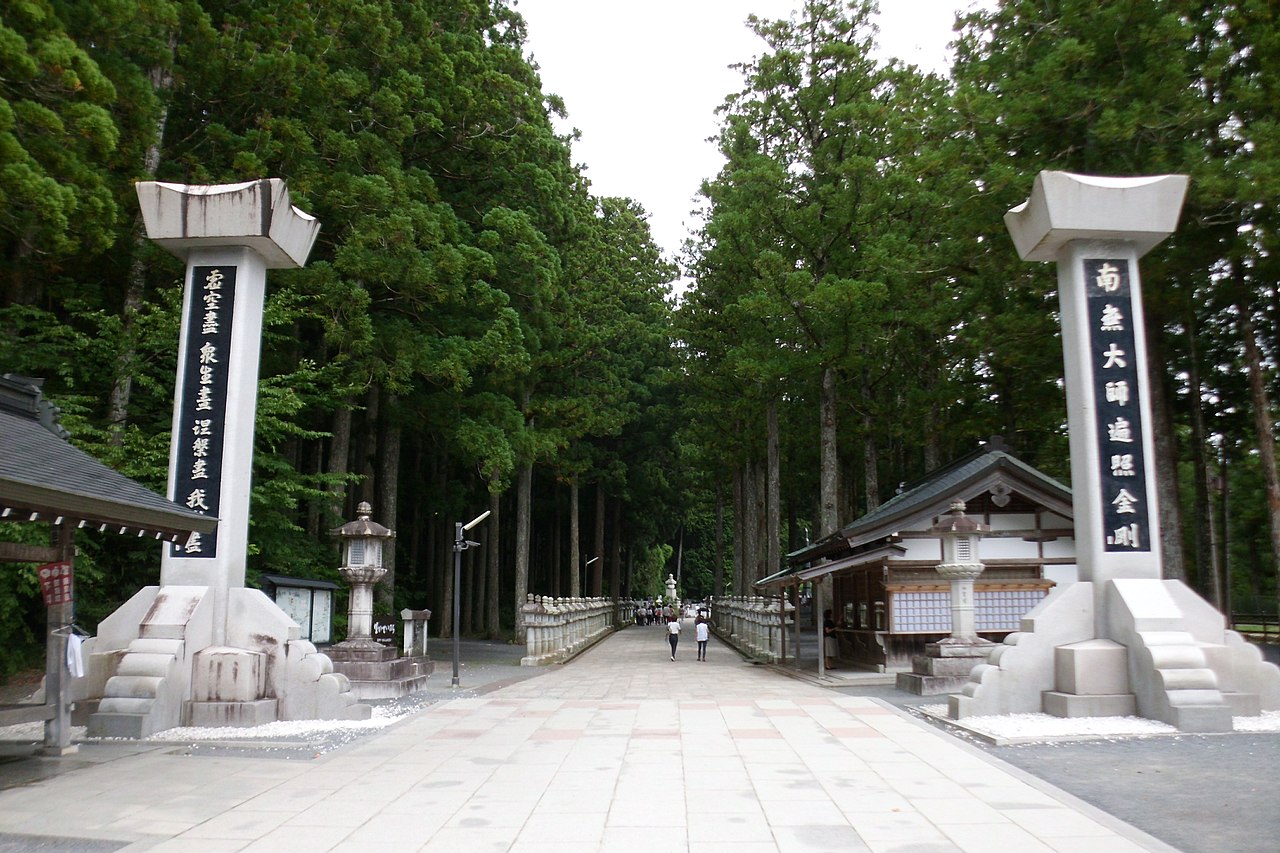
Nyonin-michi
2.2 km · straight line
 KENPEI / CC BY-SA 3.0
History · Wakayama★
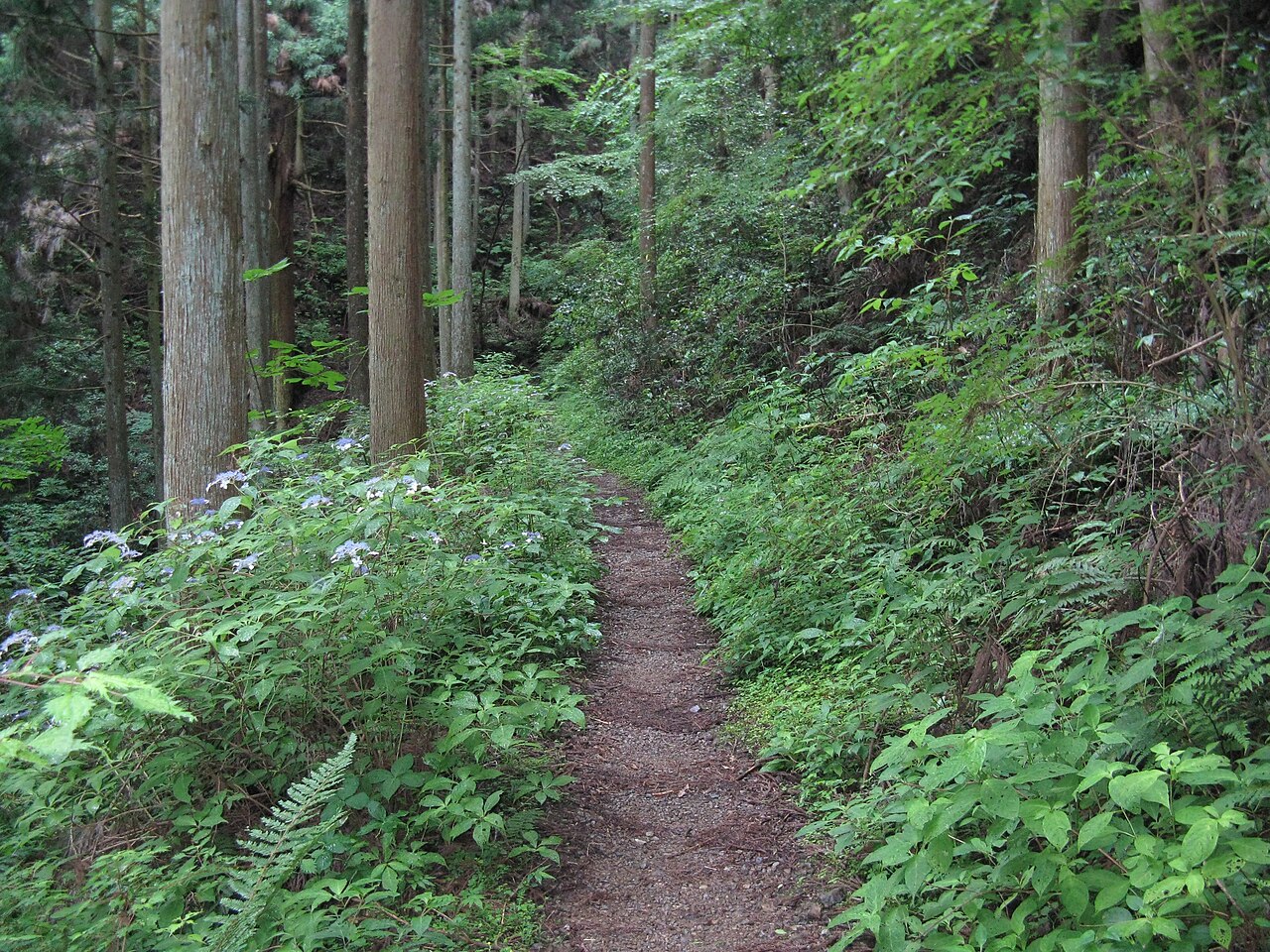
Choishi-michi
10.0 km · straight line
 Kyu3a / CC BY-SA 4.0
Food · Nara★★★
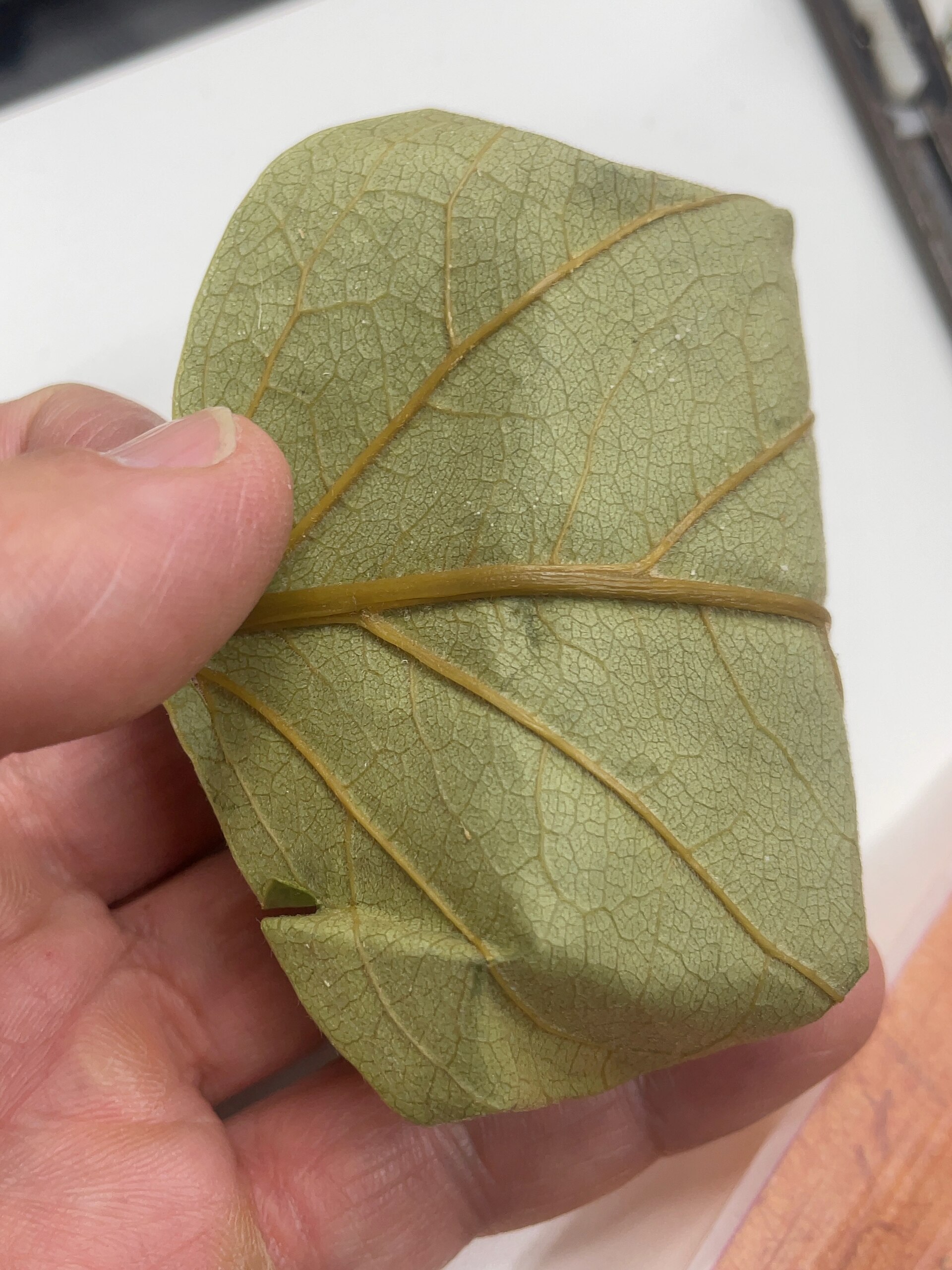
Kakinoha-zushi
16.6 km · straight line
Distances are straight lines on the map, not travel times.