Chiba · SawaraNo.007★★Open in map →
Sawara
— the Edo canal town
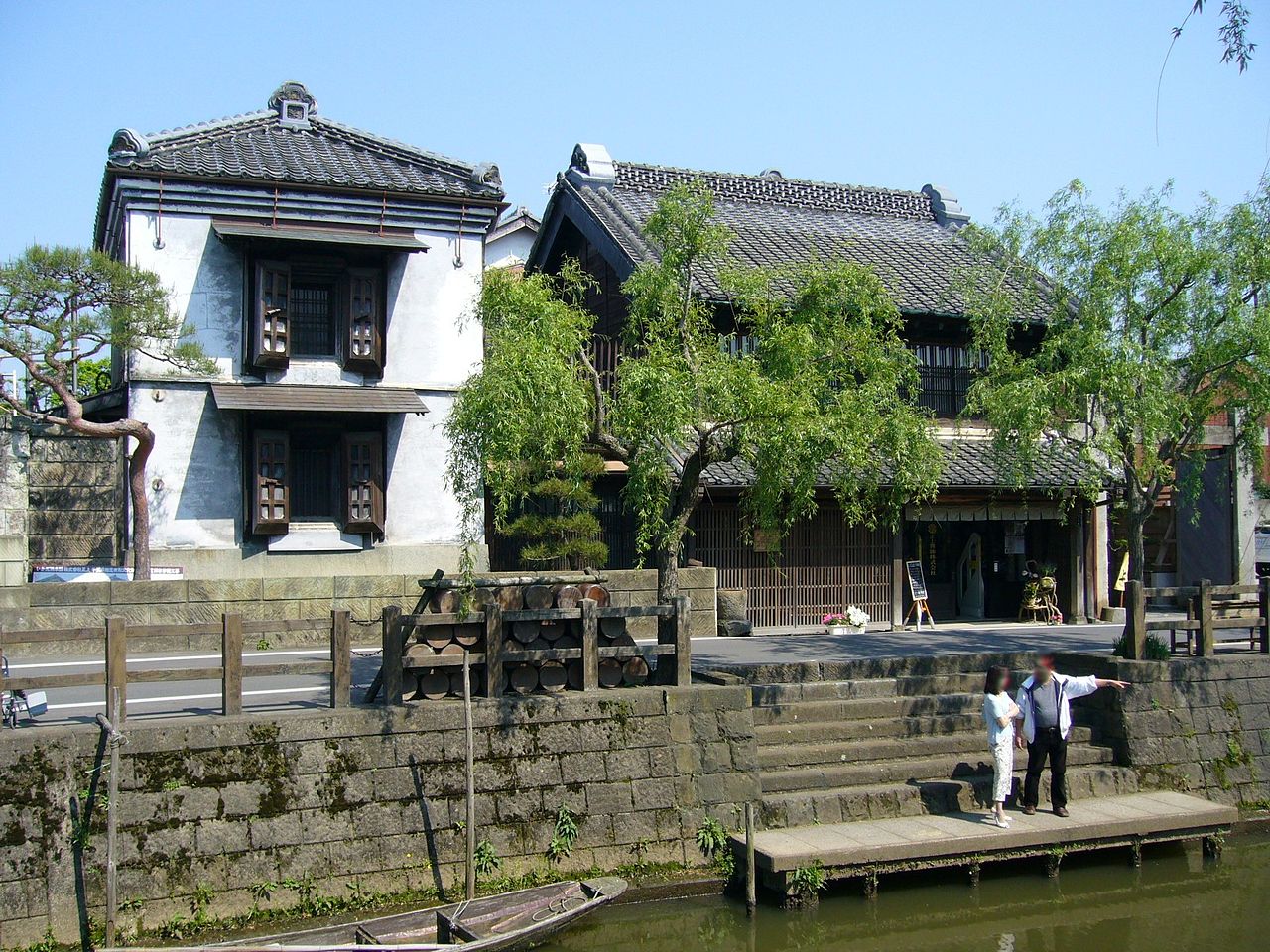
A preserved Edo-period merchant town in Katori City, Chiba, where old shops and thick-walled storehouses line the willow-fringed Ono River.
- FromTokyo Stn
- ~100 mintrain (transfer)
- Get off atSawara Stn
- On foot
- Sawara
The sweet spot
The shops that are still trading (rather than the museum buildings) have little English information online, so most foreign visitors pass the town by; it also sits off the main Tokyo sightseeing routes and takes a train transfer to reach.
Where it is
50 more notes in Chiba · open the map →What to look for — in walking order
- Ono River canala narrow willow-lined canal with merchant shops and storehouses along both banks
- Working old shopsa soy-sauce maker and other shops still trading in Edo-era buildings
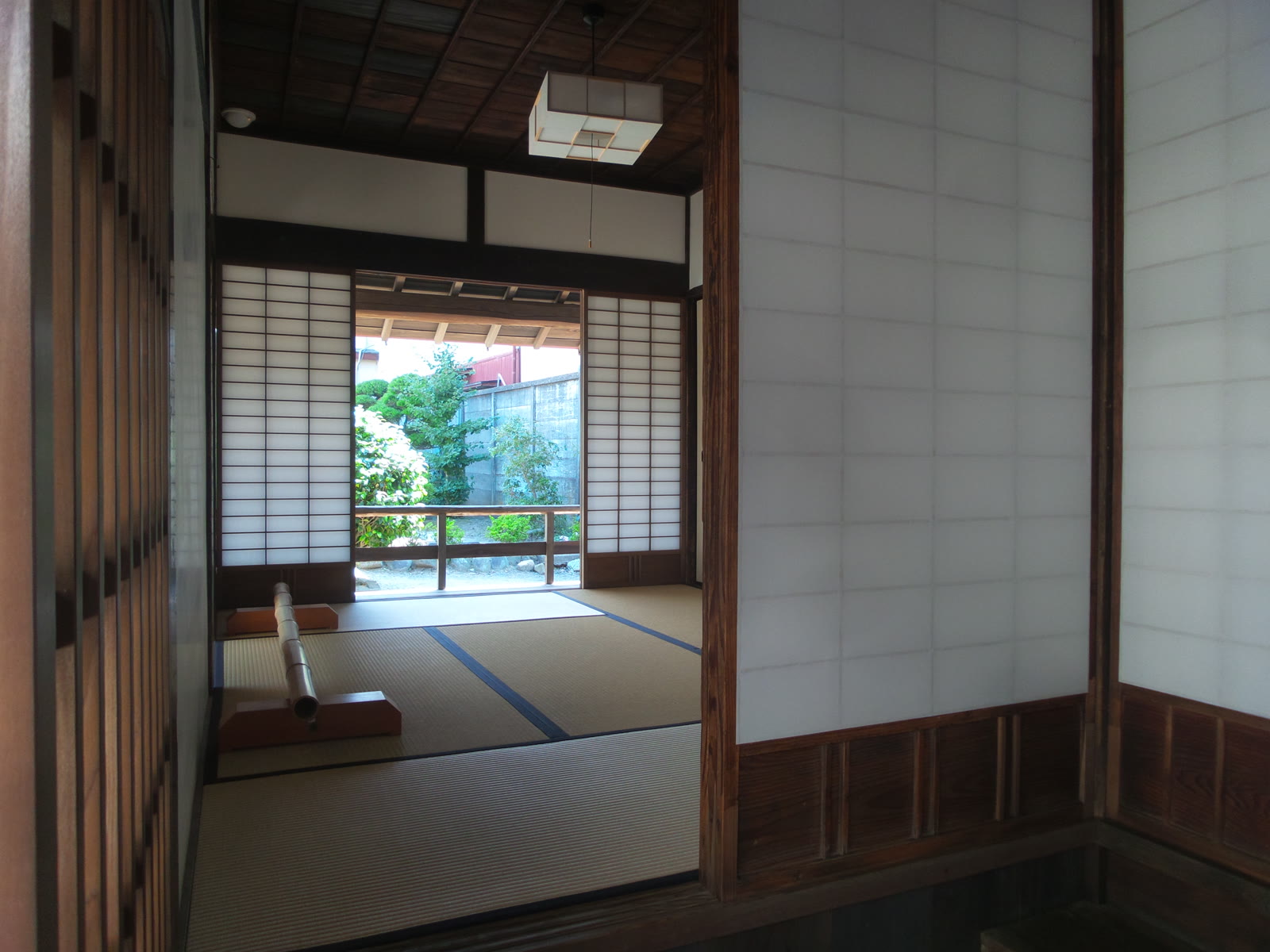
- Ino Tadataka's housethe former home and memorial museum of the surveyor who mapped all of Japan
- Canal skiff toura flat-bottomed boat ride along the Ono River, running in the daytime
How to actually get there
- Tokyo Stn → toward Narita (JR Sobu Line Rapid, ~40 min)
- Transfer to the JR Narita Line → Sawara Stn (~30 min from Narita)
- Sawara Stn → the Ono River canal district on foot (~10–15 min)
- JR Sobu Rapid + Narita Line
- Tokyo Stn →(JR Sobu Line Rapid, ~40 min)→ transfer toward Narita →(JR Narita Line, ~30 min from Narita)→ Sawara Stn. Total about 100 min. The Narita Line runs only 1–2 trains an hour and has long midday gaps — check the day's timetable before you leave.
- Return by the same route
- Go back the same way: JR Narita Line to Narita, then JR Sobu Line Rapid to Tokyo. Trains run into the evening but the Narita Line is infrequent — check the return times on the station board when you arrive.
About the place
Sawara grew rich in the Edo period (1603–1868) as a river port, moving rice and goods along the Tone River system to Edo (the old name for Tokyo). The merchant families who prospered here built the tiled-roof shops and thick-walled storehouses that still line the Ono River canal today. Many never left: a soy-sauce maker has worked in the district since around 1800, alongside shops selling noodles, pickles and dry goods. In 1996 the townscape became the first district in the Kanto region to be named a national Important Preservation District for Groups of Traditional Buildings. A flat-bottomed skiff still carries visitors along the canal beneath the willows — an unhurried working town that kept its Edo face.
How to enjoy it
Come on foot and let the town set the pace: walk the canal, look into the old shops that are still trading, and take the daytime skiff ride to see the willows and storehouses from the water. Mornings are the calmest time to wander before visitors arrive.
Background & history
During the Edo period Sawara sat on a reworked stretch of the Tone River and became a key transfer point for goods moving from northeastern Japan toward the capital. The town was also home to Ino Tadataka, the surveyor who spent years walking the country to produce Japan's first accurate national map for the Tokugawa shogunate; his former residence and a memorial museum stand in the district. The town's twice-yearly Grand Festival, in which tall wooden floats topped by giant figures are pulled through the streets, is a long-running local tradition.
Before you go
- Cash
- IC cards (Suica/PASMO, prepaid transit cards) work on the trains. The canal boat ride is bought at the boarding point — carry some cash in case cards are not taken.
- Good to know
- Most shops open roughly 10:00–17:00. The canal skiff ride runs in the daytime (around 10:00 to late afternoon), weather permitting.
- Another way
- Bicycles can be rented near Sawara Station to reach the outer brewery lanes; ask at the station tourist counter for the current rental point.
- After you get off
- From Sawara Station the old canal district is about a 10–15 minute walk on flat, paved streets.
Nearby notes
 Zairon / CC BY-SA 4.0
History · Chiba★★
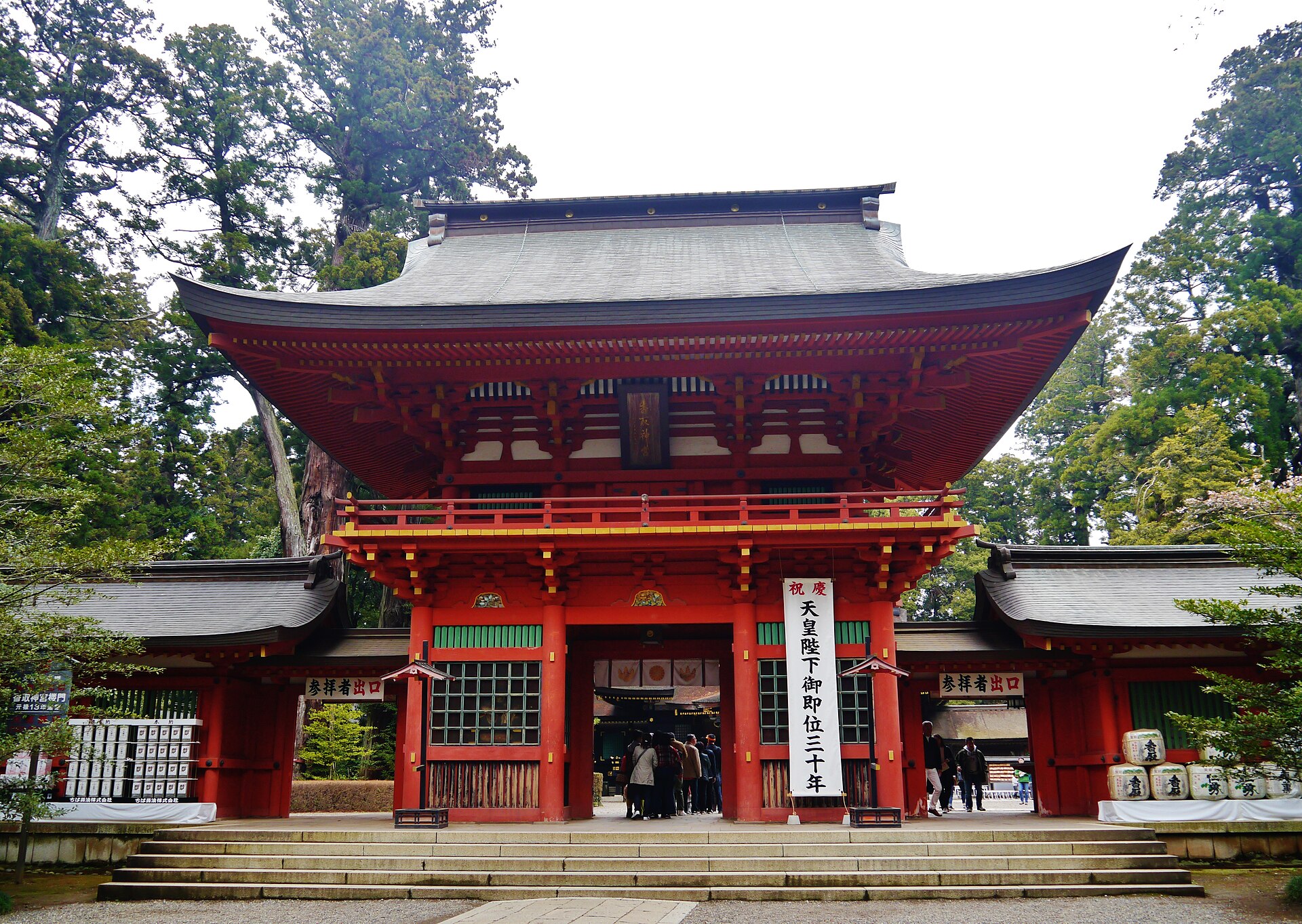
Katori Jingu Shrine
2.8 km · straight line
 アリオト / CC BY-SA 4.0
Nature · Chiba★
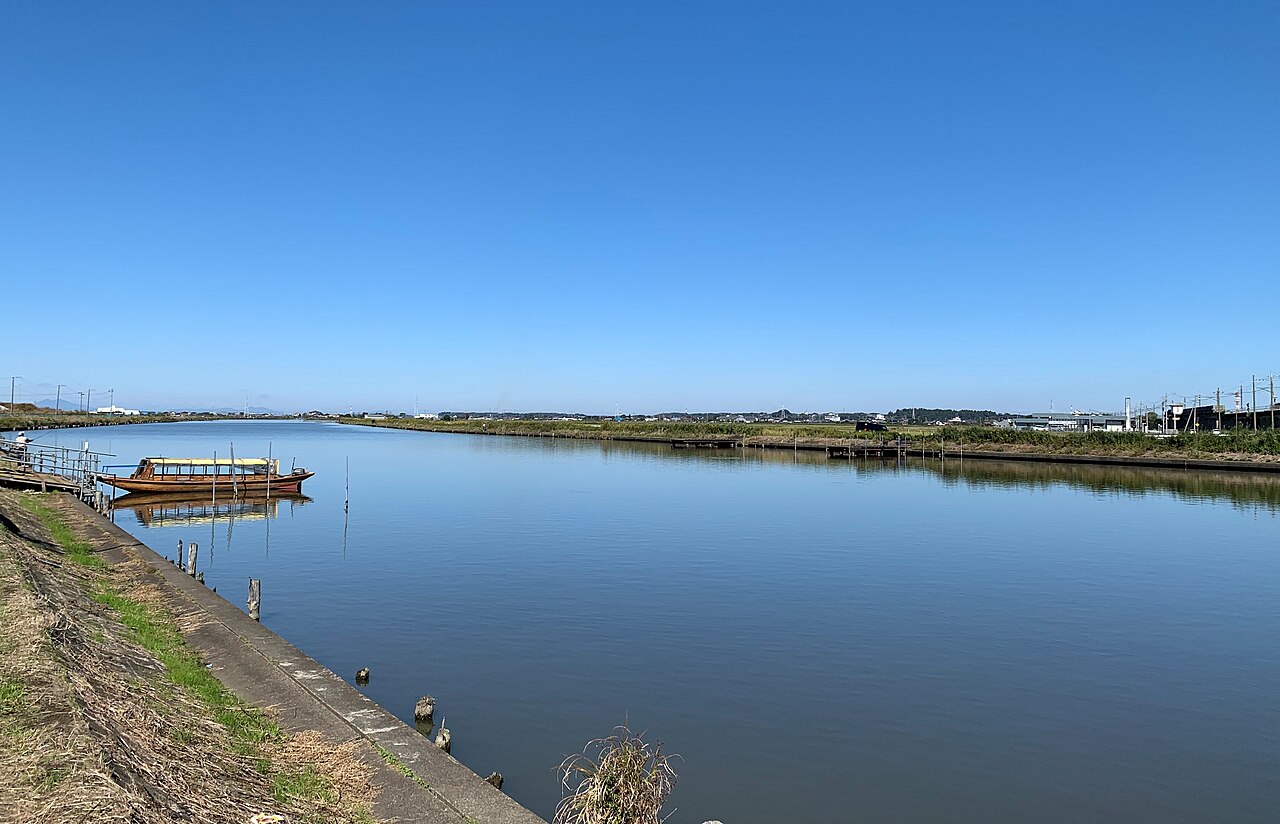
Katozu Twelve Bridges
5.0 km · straight line
 Kzaral / CC BY 2.0
History · Ibaraki★
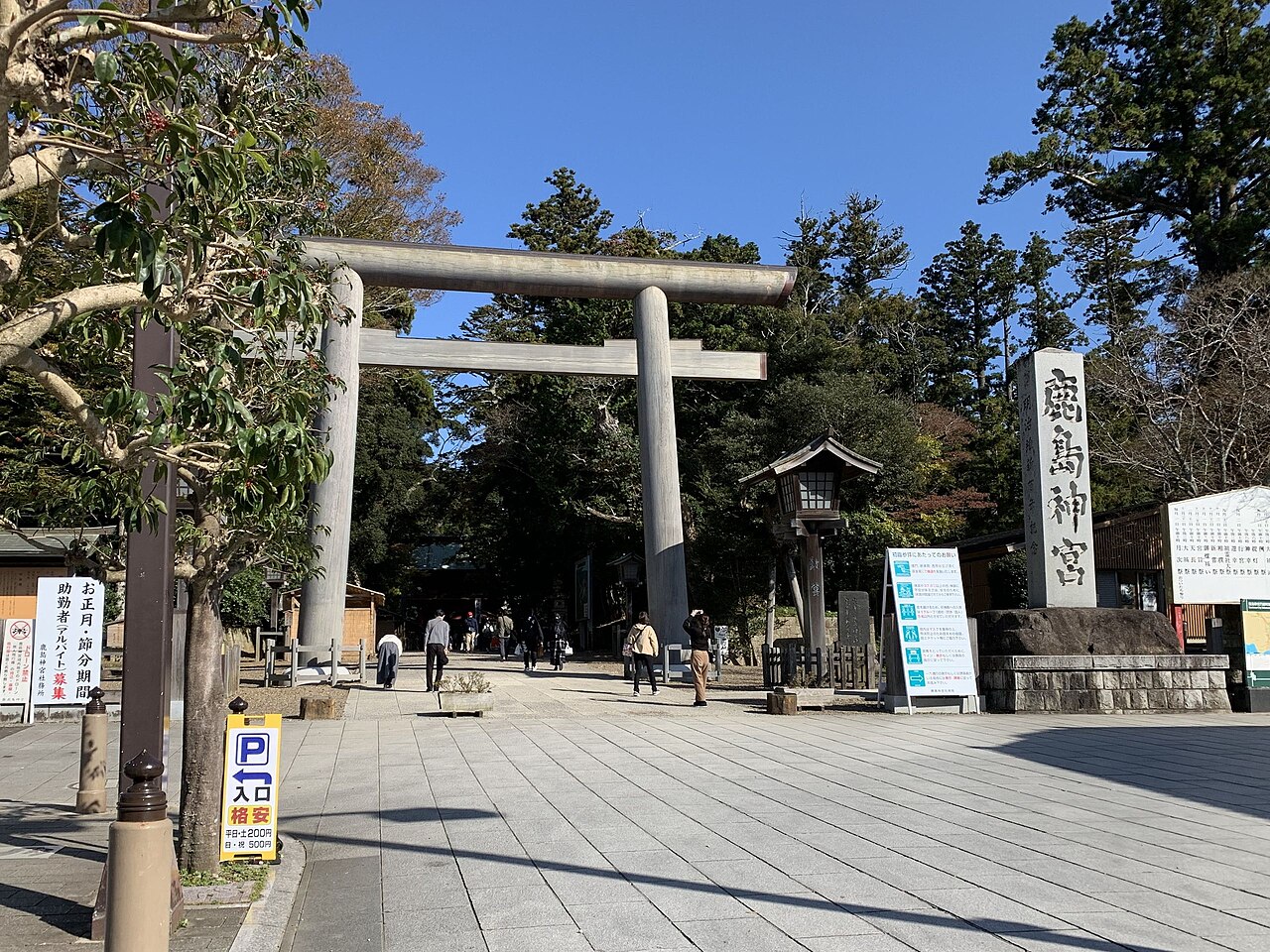
Kashima Jingu
15.2 km · straight line
 Guilhem Vellut from Annecy, France / CC BY 2.0
History · Chiba★★★
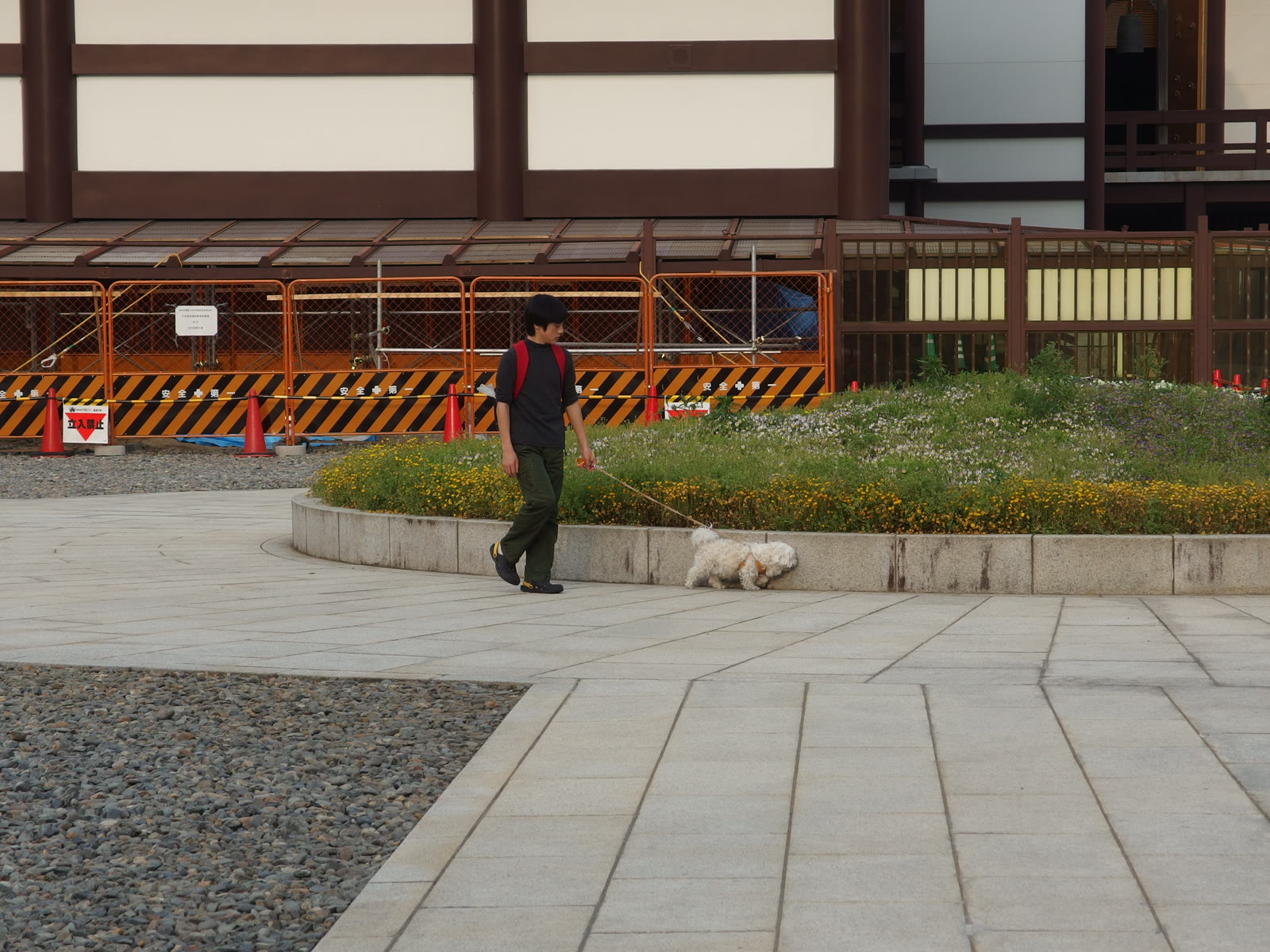
Naritasan Shinshoji
19.8 km · straight line
Distances are straight lines on the map, not travel times.