Chiba north · KatoriNo.112★Open in map →
Katozu Twelve Bridges
— a sappa-boat glide through Yoda-ura's canals
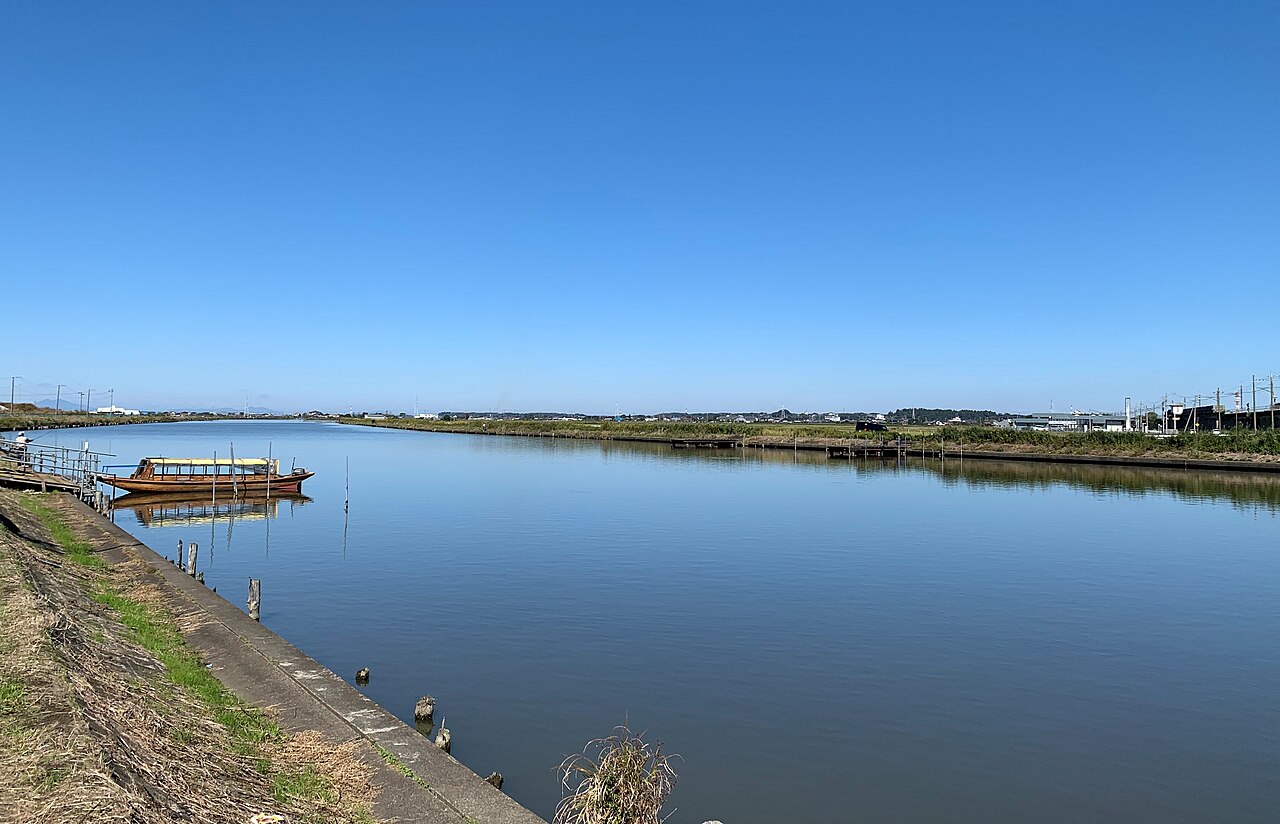
A boatman pushes a flat-bottomed wooden sappa boat along the old Shinzaemon canal, threading beneath a run of low single-plank bridges east of Sawara.
- FromTokyo Stn
- ~2 hr 20 mintrain + bus (infrequent) / taxi
- Get off atSawara Stn (Narita Line)
- From there
- Katozu Twelve Bridges
The sweet spot
Most visitors ride the boats in the photogenic town centre. This water-village boat starts a few kilometres east at Ayame Park, has little information in English, and takes an extra taxi or a sparse bus to reach, so it stays quiet.
Where it is
50 more notes in Chiba · open the map →What to look for — in walking order
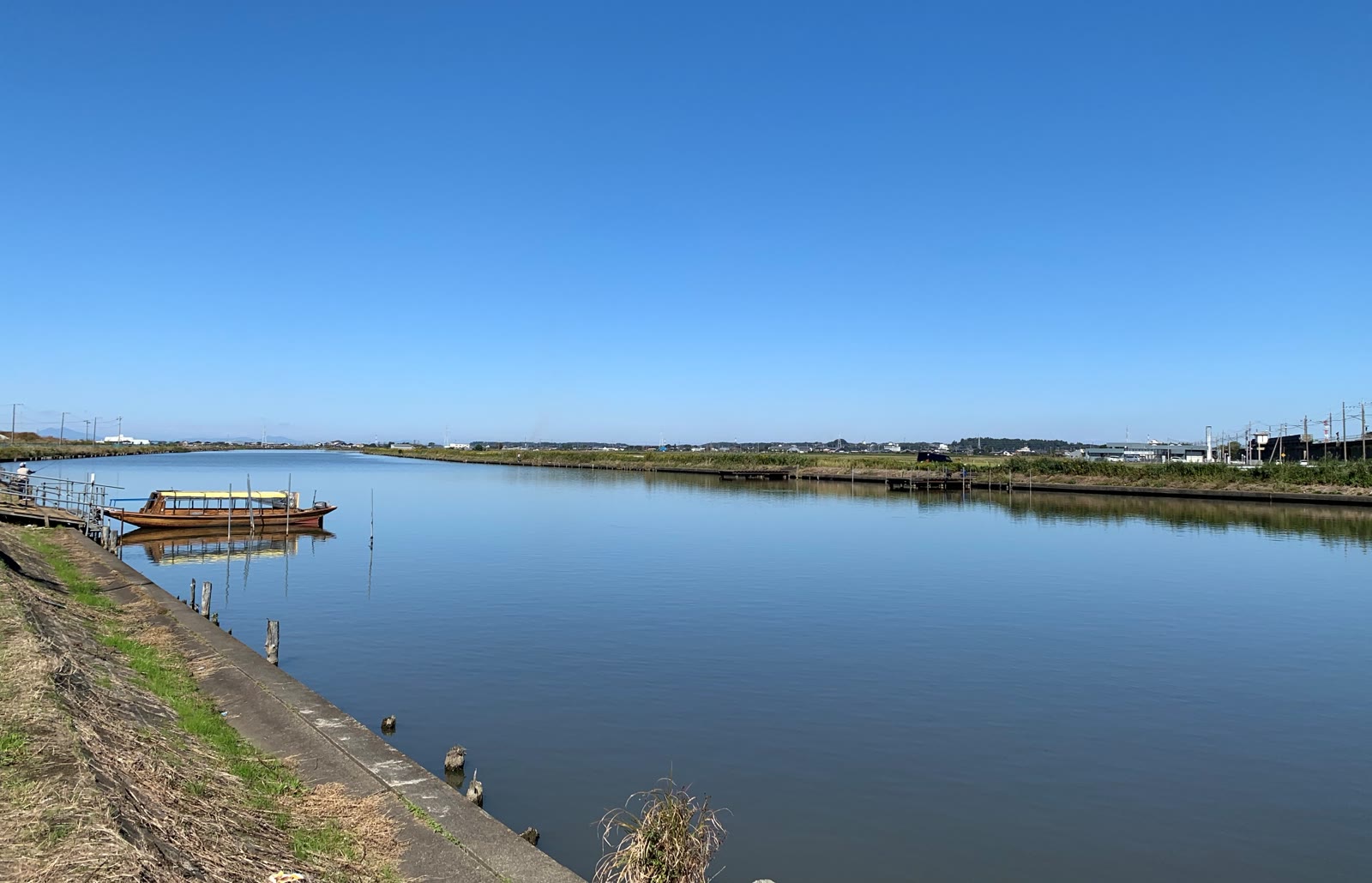
- Suigo Sawara Ayame Parkthe iris garden departure point; some 400 iris varieties bloom here in early summer
- Poled sappa boatflat-bottomed wooden boat pushed by a single long pole against the canal bed
- Eleven small bridgeslow single-plank bridges spanning the Shinzaemon canal; eleven of the original twelve remain
- Yoda-ura wetlandsreclaimed canals and rice paddies within the historic Suigo water-delta
How to actually get there
- Tokyo Stn → Narita Stn (Sobu Line Rapid, ~70 min)
- Narita Stn → Sawara Stn (Narita Line local, ~30 min)
- Sawara Stn → Suigo Sawara Ayame Park (taxi ~15 min, or Sawara Loop Bus ~35 min)
- Board the poled sappa boat through the bridges at the park
- Sobu/Narita line to Sawara, then bus or taxi
- Tokyo Stn →(Sobu Line Rapid, ~70 min)→ Narita Stn →(Narita Line local, ~30 min)→ Sawara Stn. From Sawara Stn to the boat at Suigo Sawara Ayame Park: taxi ~15 min, or the Sawara Loop Bus (North Sawara / Shinjima route) ~35 min. Total about 2 hr 20 min to 2 hr 45 min. The loop bus runs only about 6 times a day and on weekdays only, so check the day's timetable before you leave.
- Return before dark
- The loop bus is sparse and boats run in daylight only, so a taxi back to Sawara Stn is the safest return. Check the day's bus and boat times at the park when you arrive.
About the place
East of Sawara's old merchant streets, the land opens into Yoda-ura — part of a reclaimed water-delta once called the "sixteen islands" between the Tone and Hitachi-Tone rivers. A boatman works a long pole against the canal bed, moving the shallow sappa boat under bridges that once linked house to house. Of the twelve that gave the route its name, eleven are still standing. The boat starts and ends at Suigo Sawara Ayame Park, an iris garden beside the canals.
How to enjoy it
Late May through June is the prime time: the irises at Ayame Park are in bloom and the boats are running at their busiest. Watch the boatman work the pole through the narrow channels, and let the low bridges pass overhead. The boat fare is charged per boat (roughly 7,500–8,000 yen for a small group); carry cash. During the iris festival a daily shuttle bus runs from Sawara Station to the park.
Background & history
The area was reclaimed as farmland in the Edo period (1603–1868), when households along the Katozu waterways moved between home and paddy by boat rather than road. The roughly twelve simple plank bridges spanning the Shinzaemon canal gave the stretch its name. One of them, Shian-bashi ("the Bridge of Second Thoughts"), is where travellers once hesitated over whether to continue on to the geisha quarter in nearby Itako.
Before you go
- Cash
- The boat is charged per boat, roughly 7,500-8,000 yen for a small group; carry cash, as card payment is not guaranteed.
- Good to know
- Boats run year-round in daylight and are busiest from late spring to early summer; the garden is at its best when the irises bloom in late May to June.
- Another way
- During the iris festival (late May to June), a daily shuttle bus runs from Sawara Stn to Ayame Park, which is easier than the sparse loop bus.
- After you get off
- The boat departs from Suigo Sawara Ayame Park. From Sawara Stn it is about 15 minutes by taxi; walking is too far.
Nearby notes
 Zairon / CC BY-SA 4.0
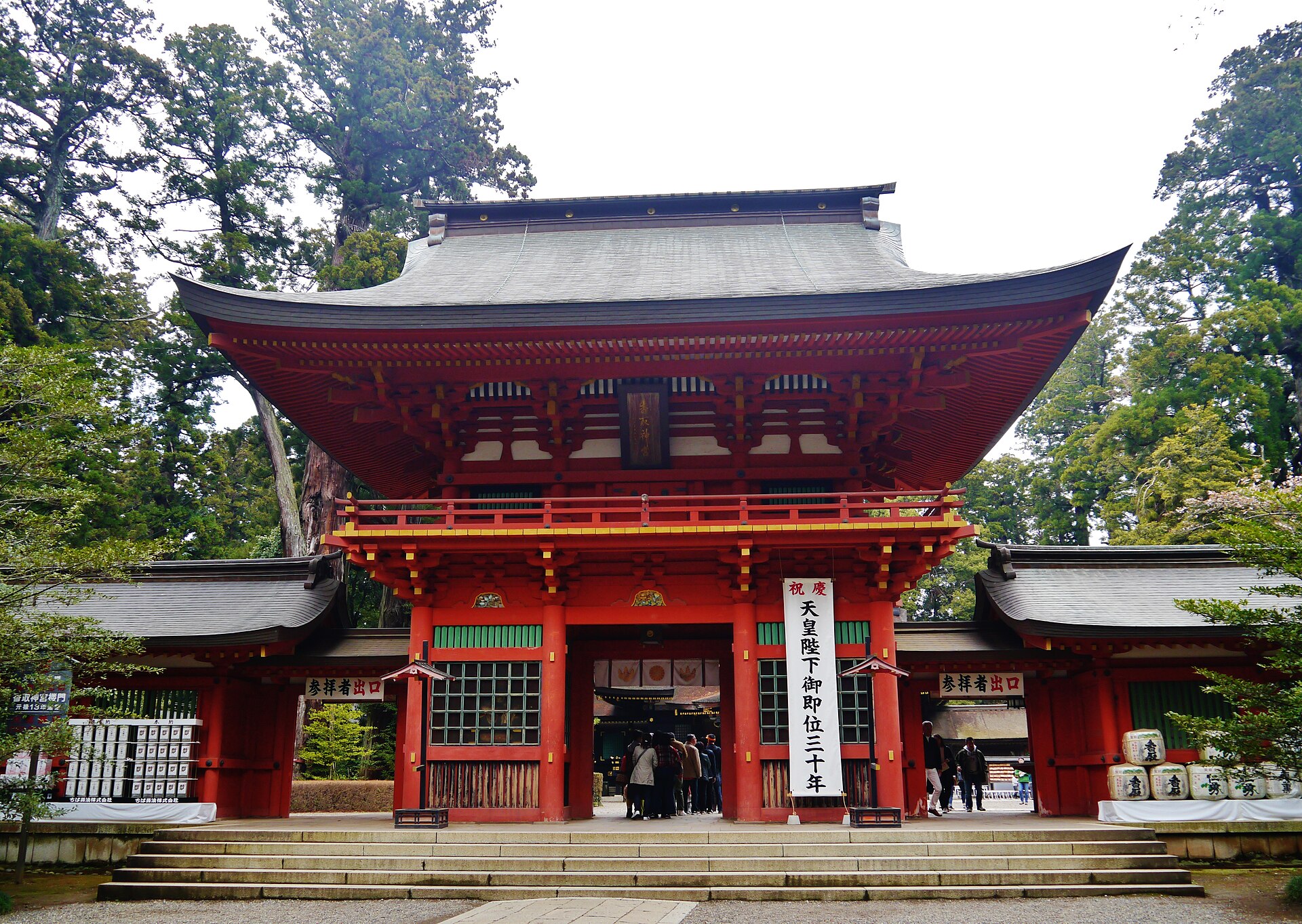
History · Chiba★★
Katori Jingu Shrine
4.7 km · straight line
 Katorisi / CC BY 2.5
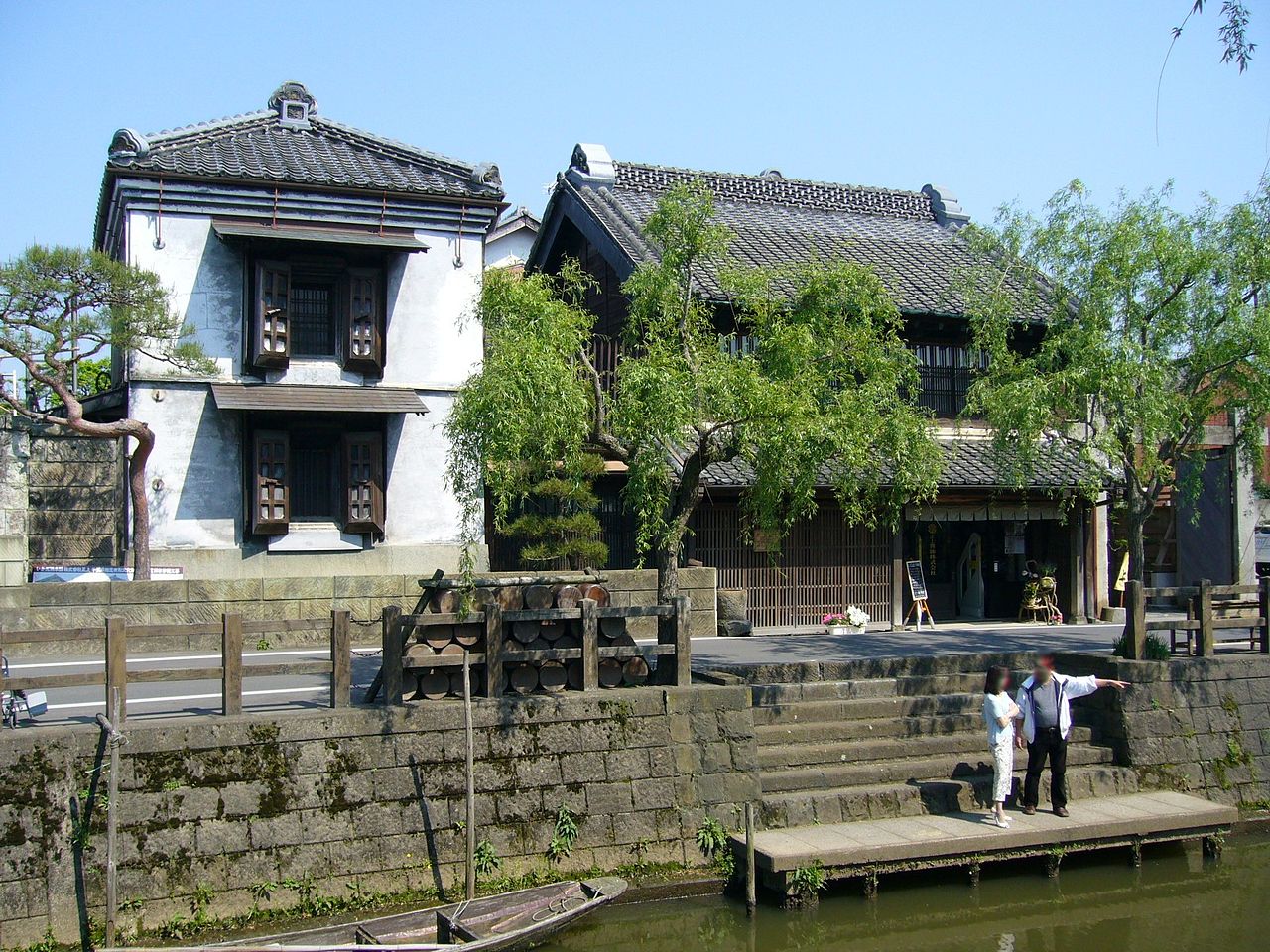
Local life · Chiba★★
Sawara
5.0 km · straight line
 Kzaral / CC BY 2.0
History · Ibaraki★
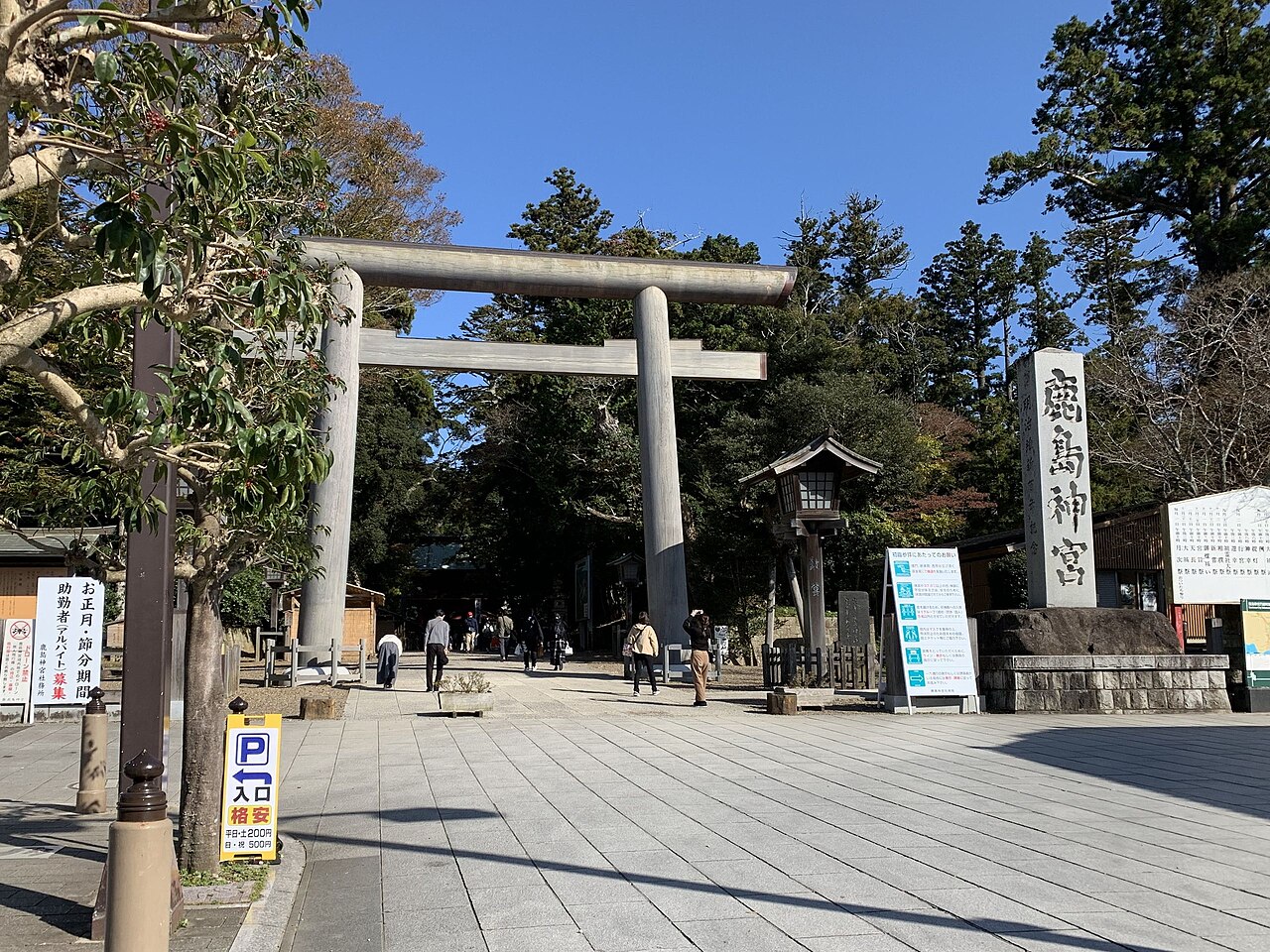
Kashima Jingu
10.9 km · straight line
 Guilhem Vellut from Annecy, France / CC BY 2.0
History · Chiba★★★
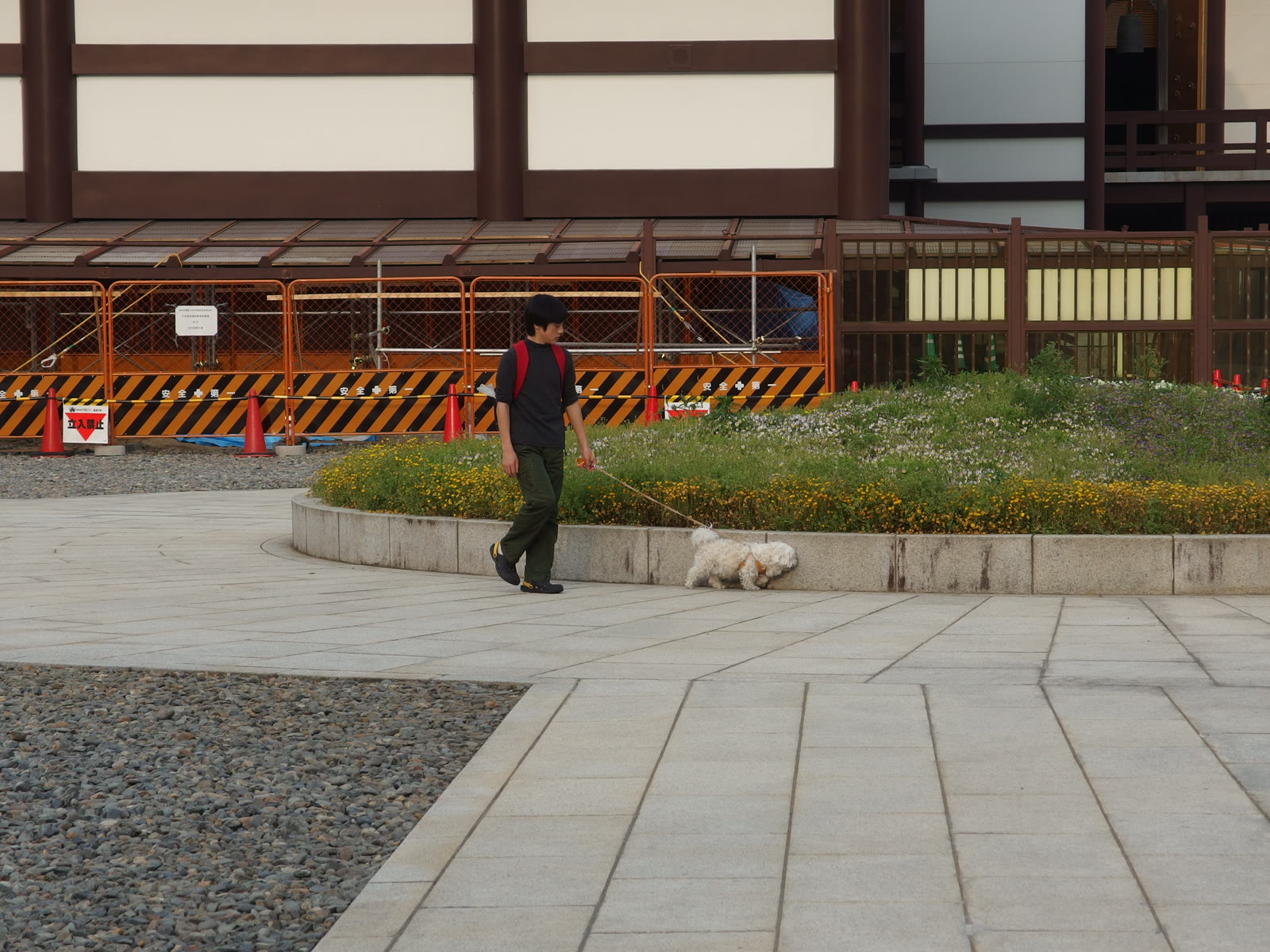
Naritasan Shinshoji
24.4 km · straight line
Distances are straight lines on the map, not travel times.