South Osaka · TondabayashiNo.034★Open in map →
Tondabayashi Jinaimachi
— Osaka's only preserved Edo temple town
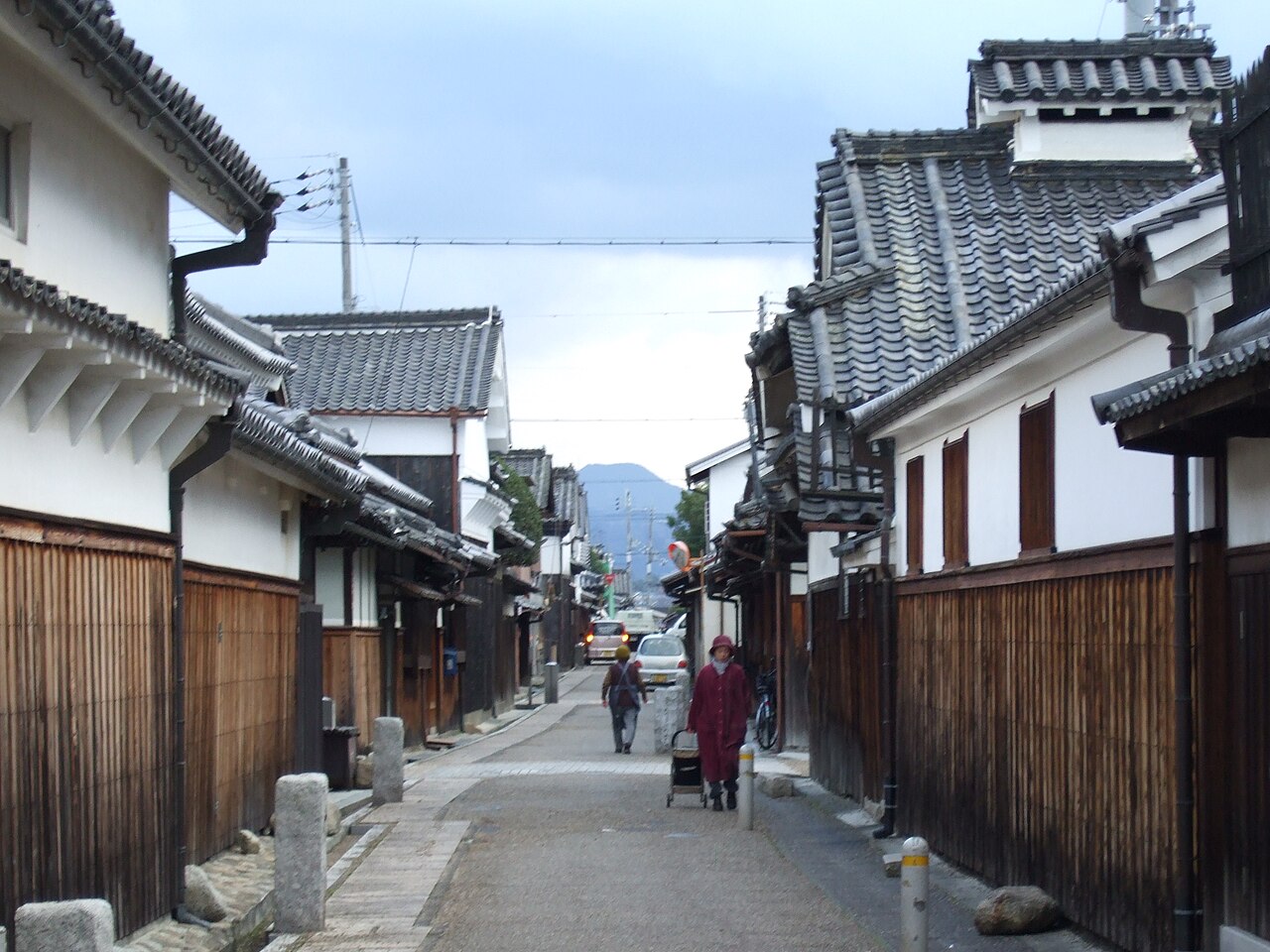
A lived-in quarter of white-plastered Edo-era merchant houses on a river terrace in south Osaka — the prefecture's only nationally designated historic townscape.
- FromOsaka Abenobashi
- ~40 mintrain + walk
- Get off atKintetsu Tondabayashi Stn
- On foot
- Tondabayashi Jinaimachi
The sweet spot
It is a working residential town, not a tourist reconstruction, so there is little information about it in English, and most day-trippers from Osaka have never heard the name.
Where it is
40 more notes in Osaka · open the map →What to look for — in walking order
- Koshoji Betsuinthe Hongan-ji-lineage temple at the town's heart, a nationally designated Important Cultural Property
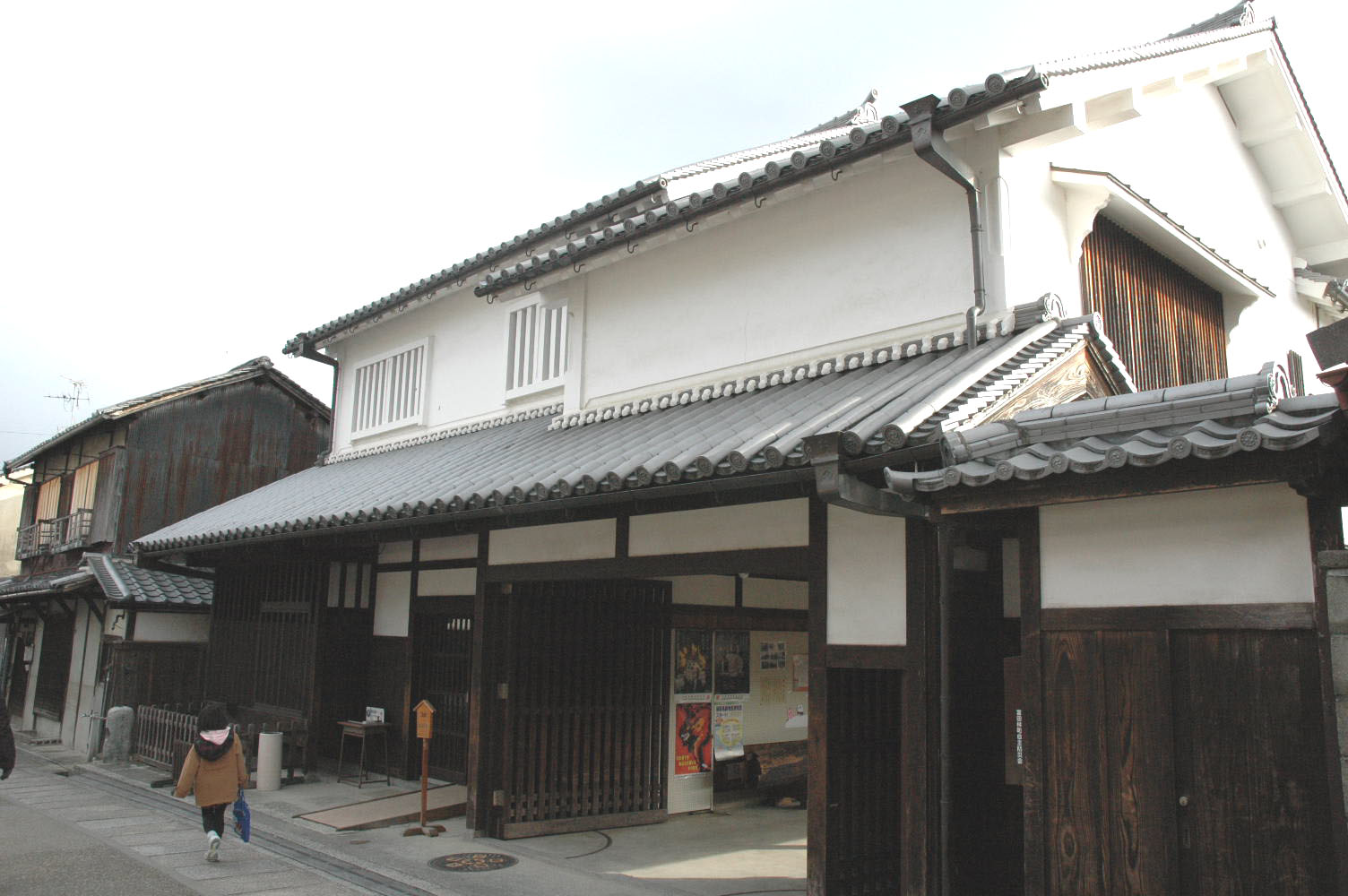
- Former Sugiyama Residencea large Edo-era merchant house and Important Cultural Property, birthplace of the poet Ishigami Tsuyuko
- Jonomon-suji streetthe main lane lined with Edo merchant homes, included among Japan's noted historic streets
- The grid itselfroughly 400 by 300 metres of white walls, wooden lattice and plank fences on a river terrace
How to actually get there
- Osaka Abenobashi station -> Tondabayashi station (Kintetsu Minami-Osaka / Nagano Line semi-express, direct, ~30 min)
- Tondabayashi station -> Jinaimachi district entrance (walk, ~10 min, gently uphill)
- Walk the white-walled grid on foot (temple, Sugiyama house, cafes)
- Kintetsu train, direct
- From Osaka Abenobashi station, take a Kintetsu Minami-Osaka / Nagano Line semi-express (準急, junkyu) bound for Kawachi-Nagano; it runs direct to Tondabayashi station in about 30 minutes. Then walk about 10 minutes to the district. Total about 40 minutes. Trains run often, roughly every 20 minutes through the day.
- Frequent trains back
- The same line runs back to Osaka Abenobashi about every 20 minutes until late, so no need to rush. The old streets are always open; the shops and the Jinaimachi Exchange Hall close in the late afternoon, so see those earlier in the day.
About the place
Tondabayashi Jinaimachi is a grid of low, white-plastered merchant houses with wooden lattice fronts and plank fences, laid out on a terrace above the river in southern Osaka Prefecture. It grew as a jinaimachi — a self-governing town built around a temple — centred on the Koshoji Betsuin, a branch temple of the Hongan-ji Buddhist lineage. People still live here rather than in a museum reconstruction, and old townhouses along the lanes have been gradually converted into shops and cafes. The main street, Jonomon-suji, is counted among Japan's noted historic streetscapes.
How to enjoy it
The district is about ten minutes on foot from Tondabayashi Station. Walk the grid lane by lane — the temple, the Sugiyama house and the cafes in old townhouses are all within easy reach of each other. Shops and the Jinaimachi Exchange Hall close in the late afternoon, so visit those while there is still time.
Background & history
The town was founded in 1560, when Shoshu, the 16th head priest of Koshoji, acquired the plateau land and, with the help of surrounding villages, built the temple and laid out six streets and seven blocks behind an earthen embankment, with entry through four gates. In 1997 the district received national designation as an Important Preservation District for Groups of Traditional Buildings, and the protected area was later expanded in 2018.
Before you go
- Cash
- Walking the streets is free. A few cafes and craft shops are inside old townhouses, and some are cash-only, so carry some coins and small notes.
- Good to know
- People live here, so walk quietly and do not step inside private gates or gardens.
- Another way
- Tondabayashi-Nishiguchi station is one stop further and also reaches the district, but the walk from there is a little longer.
- After you get off
- From Tondabayashi station, walk about 10 minutes on paved streets, gently uphill, to reach the old grid of houses.
Nearby notes
 Morocco / CC BY-SA 4.0
History · Osaka★
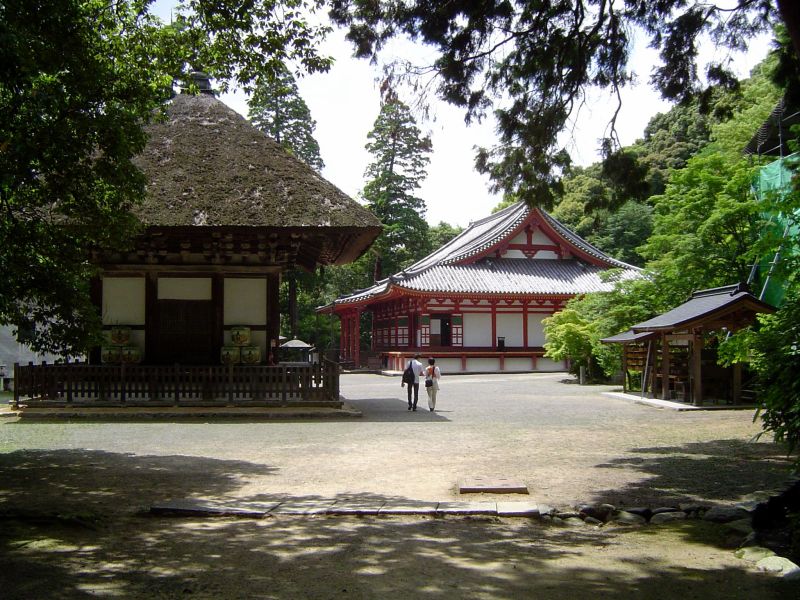
Kanshin-ji
7.0 km · straight line
 Sakai Yayoi / CC0
History · Osaka★★★
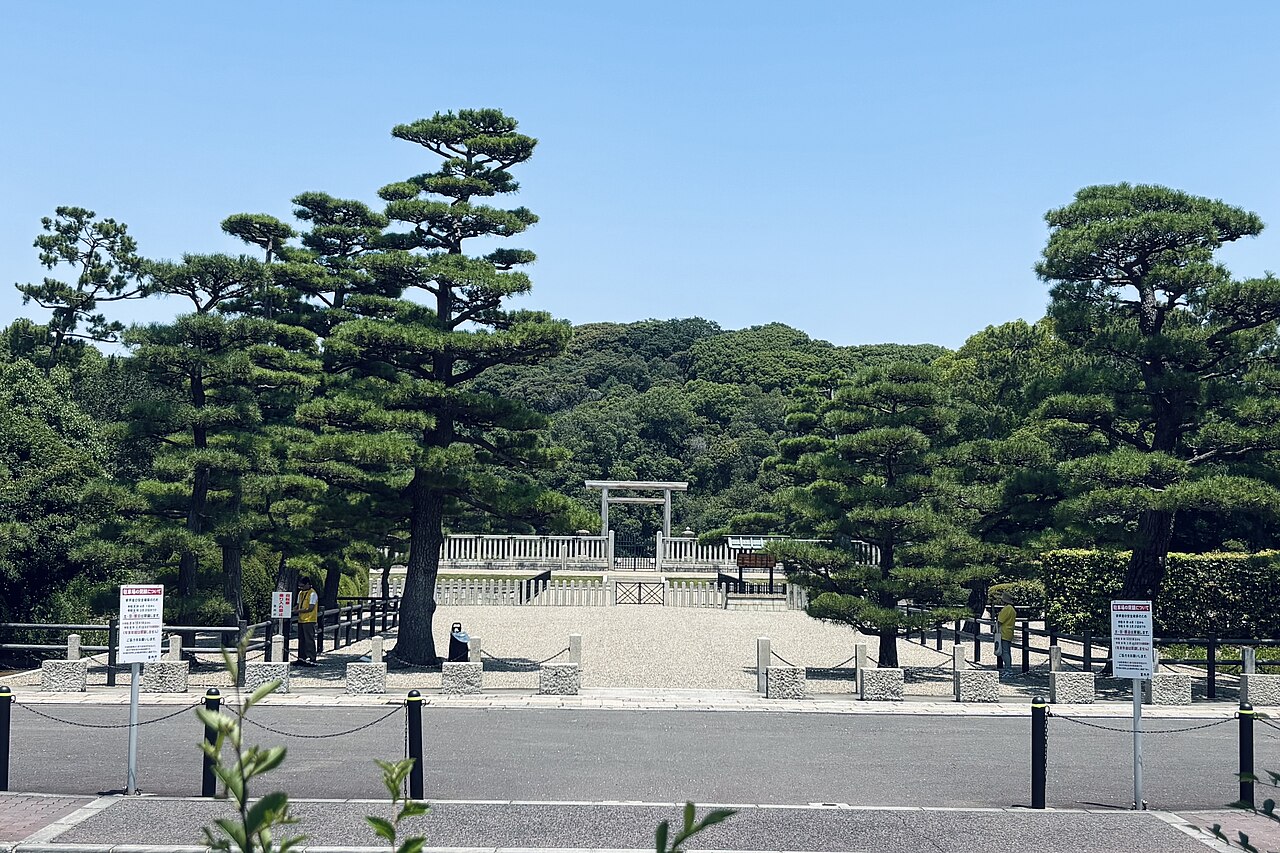
Nintoku Mausoleum
12.7 km · straight line
 illustration (AI-illustrated)
Entertainment · Osaka★★★
teamLab Botanical Garden Osaka
14.3 km · straight line
 KENPEI / CC BY-SA 3.0
Craft · Osaka★★
Sakai's forged blades
14.7 km · straight line
Distances are straight lines on the map, not travel times.