Nara southeast · UdaNo.061★Open in map →
Uda-Matsuyama
— the medicine merchant town of Nara
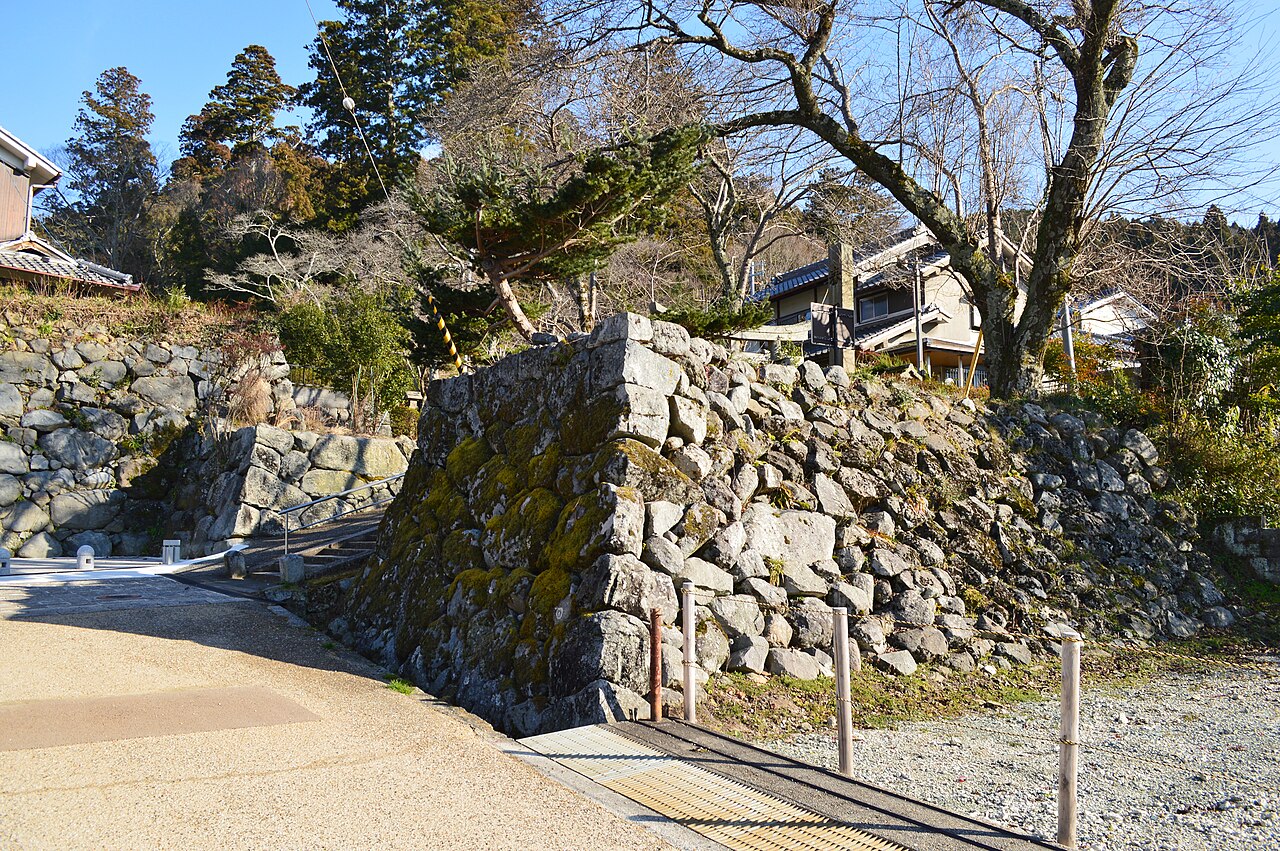
A preserved streetscape of Edo-era to early-1900s merchant townhouses in the Uda hills southeast of Nara — once the heart of the regional medicine and herb trade, now a nationally designated Important Preservation District.
- FromOsaka-Uehommachi Stn
- ~80 mintrain + bus (~hourly)
- Get off atOuda bus stop
- On foot
- Uda-Matsuyama
The sweet spot
The town sits an hour southeast of Nara city and is reached only by a local train plus a local bus, and its herb-merchant history is barely explained in English. So it draws mainly Japanese history walkers rather than tour groups.
Where it is
32 more notes in Nara · open the map →What to look for — in walking order
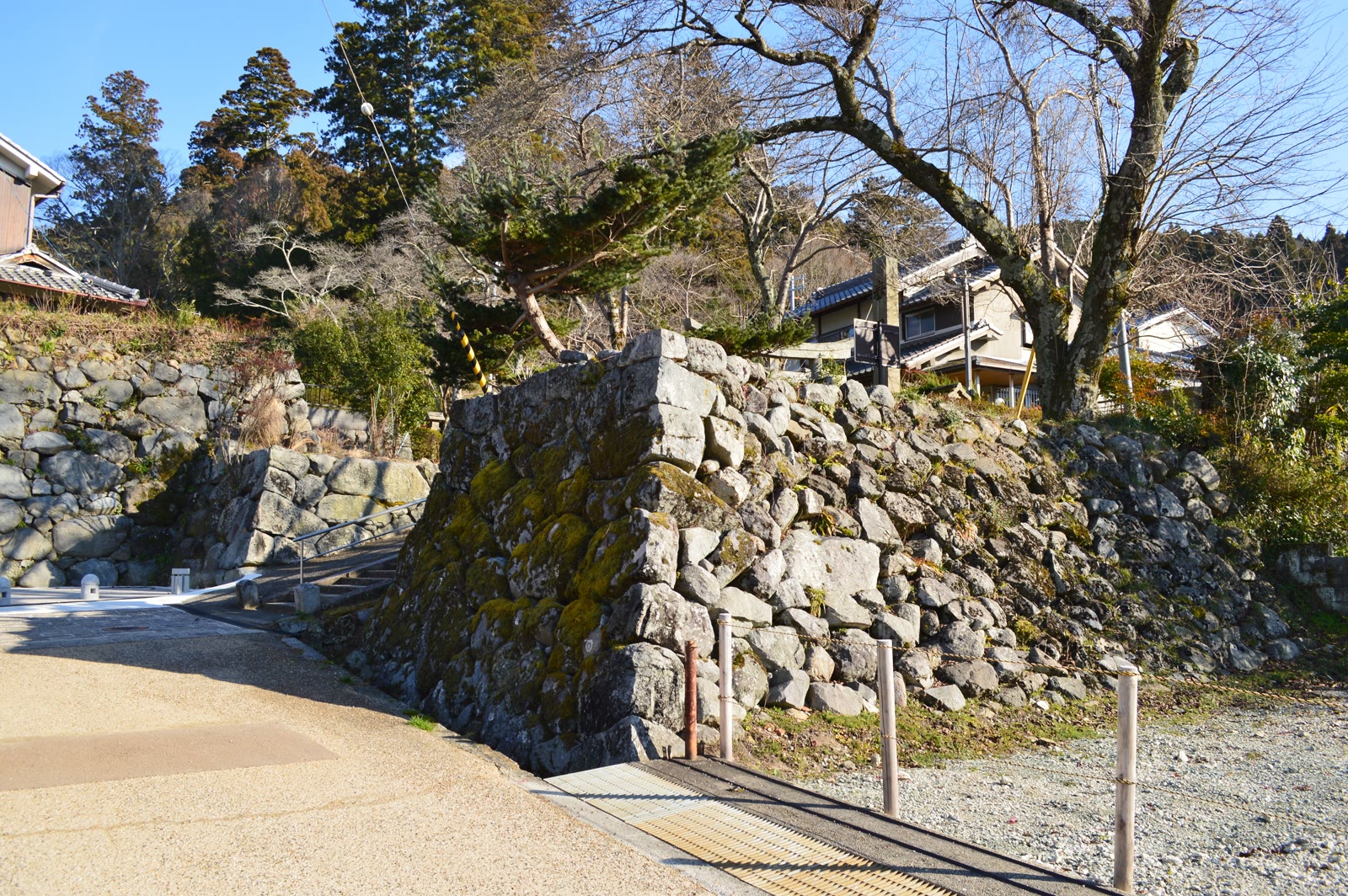
- The machiya streetscaperows of gabled merchant houses in dark timber and lattice, running between the castle hill and the river
- Kusuri-no-Yakata (Medicine Museum)a former medicine wholesaler's house, now a museum of the town's herb and medicine trade
- Morino Old Herb Gardena private medicinal-plant garden founded in the early 1700s, described as Japan's oldest surviving private herb garden and a national historic site
- The castle-town street planthe old grid of lanes below the ruins of Uda-Matsuyama Castle, framed by the river and distant mountains
How to actually get there
- Osaka-Uehommachi Stn → Haibara Stn (Kintetsu Osaka Line express, ~50-55 min)
- Haibara Stn → Ouda, the last stop (Nara Kotsu bus bound for Ouda, ~15-20 min)
- Ouda stop → the old town (on foot, ~5 min)
- Kintetsu train + Nara Kotsu bus
- Osaka-Uehommachi Stn (central Osaka) →(Kintetsu Osaka Line express, ~50-55 min)→ Haibara Stn →(Nara Kotsu bus bound for Ouda, ~15-20 min)→ Ouda, the last stop, at the Udaji-Ouda roadside station →(walk, ~5 min)→ the old town. Total ~75-80 min. The Ouda bus runs about once an hour through the day.
- Same route in reverse
- Return the same way: the Ouda bus back to Haibara Stn, then the Kintetsu Osaka Line train to Osaka. Buses run roughly hourly and thin out in the evening, so when you arrive check the return times posted at the Ouda stop.
About the place
Uda-Matsuyama is a quiet old townscape in Uda City, tucked into the hills roughly an hour southeast of Nara city. Along one street, between the ruins of Uda-Matsuyama Castle and the Uda River, stand rows of machiya — traditional wooden townhouses with dark lattice fronts and gabled rooflines — most of them built from the late Edo period into the early 1900s. The town made its name in the medicine and herb trade: its position on the routes linking the Kyoto–Nara area with the shrine town of Ise helped it prosper through the Edo period (1603–1868). That heritage still shows in its shops and museums today. In 2006 the district was designated a national Important Preservation District, in the category of a merchant town (shoka-machi), covering about 17 hectares.
How to enjoy it
The historic district is compact — walk the machiya street end to end, then pair it with the Kusuri-no-Yakata medicine museum and the nearby Morino Old Herb Garden to follow the town's medicine-trade story from the shop front to the garden. From the Ouda bus stop (last stop), the old town is about five minutes on foot.
Background & history
The settlement began as a castle town under the Akiyama clan during the Sengoku period — the 15th-to-16th-century age of civil war — and grew into a political and economic center of the Uda region. The surviving machiya span the late Edo era through the early 20th century, and the district was recognized for the overall design quality of its intact streetscape.
Before you go
- Cash
- The bus and the small museums may not take cards, so carry some coins and small notes for fares and entry.
- Good to know
- People live and work along these lanes, so keep your voice low and photograph houses and residents respectfully.
- Another way
- If the bus times do not fit your day, a taxi from Haibara Stn also reaches the old town.
- After you get off
- From the Ouda stop it is about a five-minute walk on level streets into the preserved townscape, which you can then walk end to end.
Nearby notes
 coniferconifer / CC BY 2.0
Nature · Nara★
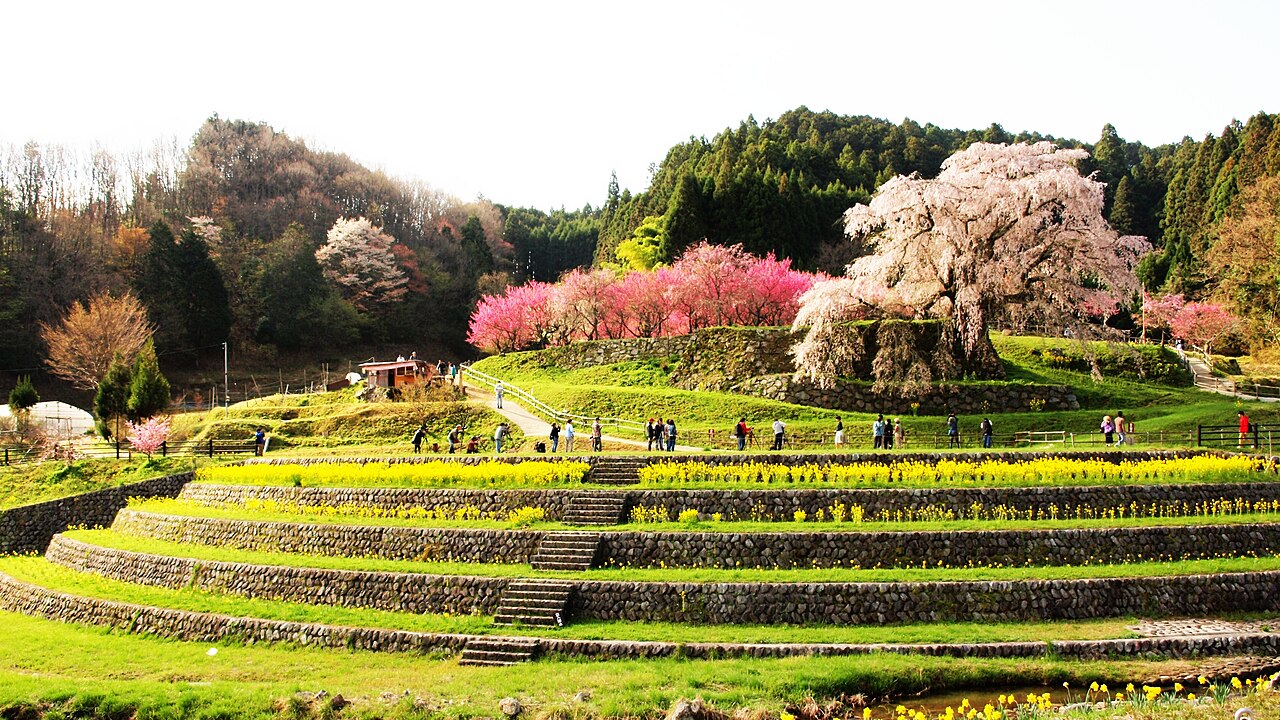
Matabei-zakura
1.5 km · straight line
 Tawashi2006 / CC BY-SA 3.0
History · Nara★★★
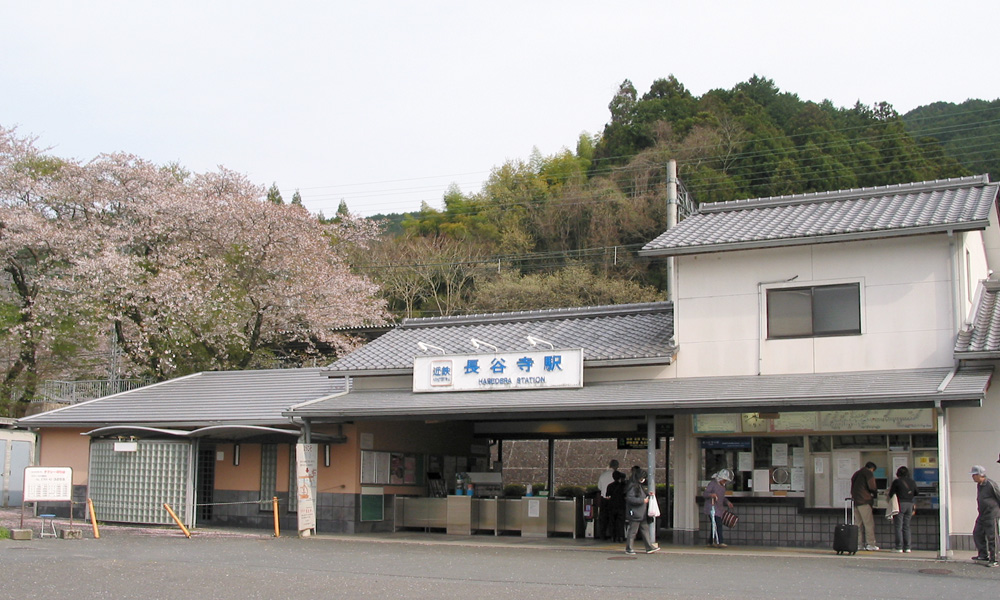
Hasedera Temple
6.5 km · straight line
 Maechan0360 / CC BY-SA 3.0
History · Nara★★
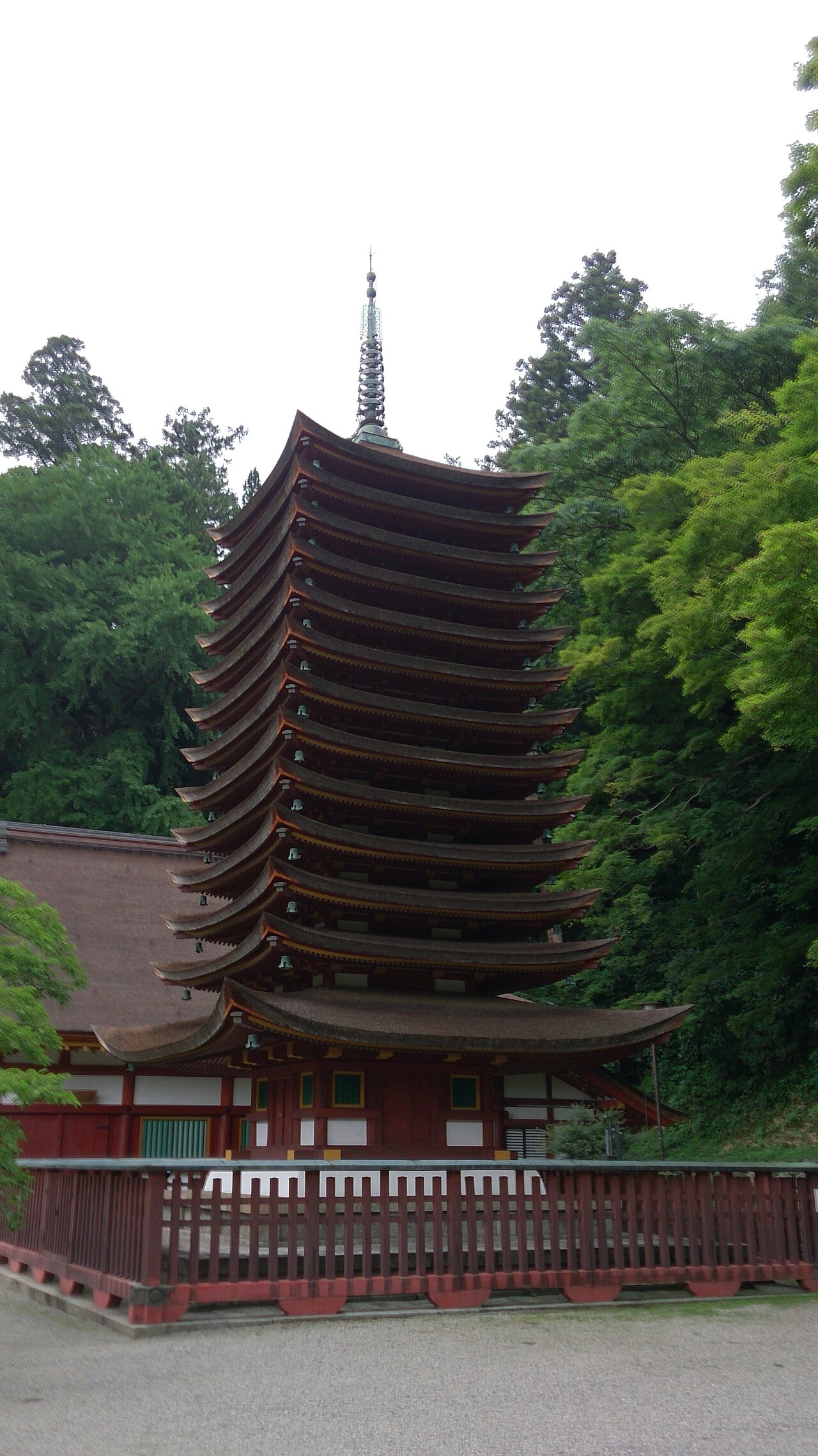
Tanzan Shrine
6.6 km · straight line
 Immanuelle / CC BY 4.0
Food · Nara★
Miwa
9.3 km · straight line
Distances are straight lines on the map, not travel times.