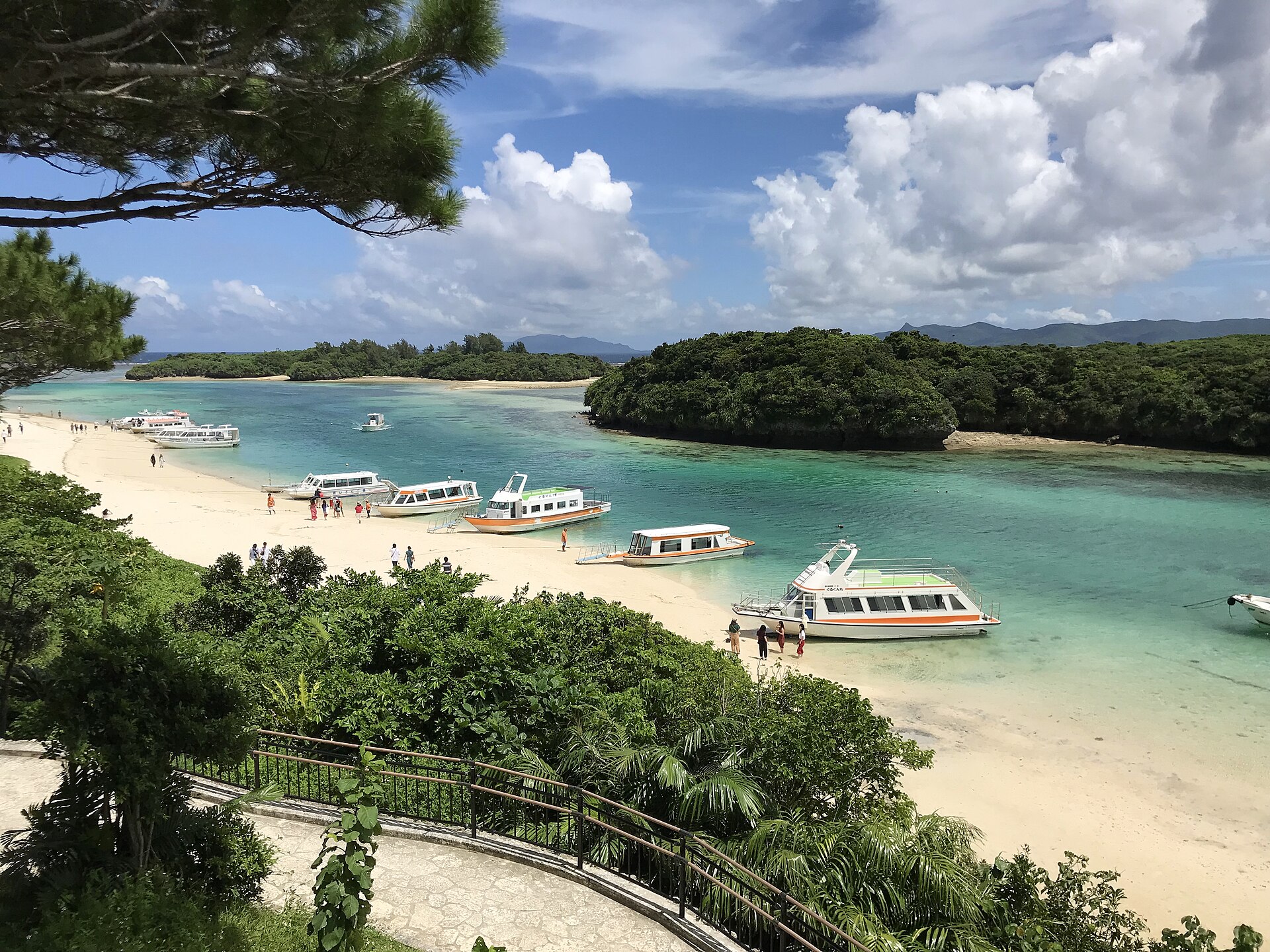
 Kabira Bay · Okinawa → Tokyo-Good / CC BY-SA 4.0
 Summer
Where summer feels cooler
50 places for summer — the editors' six first, then the rest by rating.
50 places
The editors' six
The rest, by rating
-
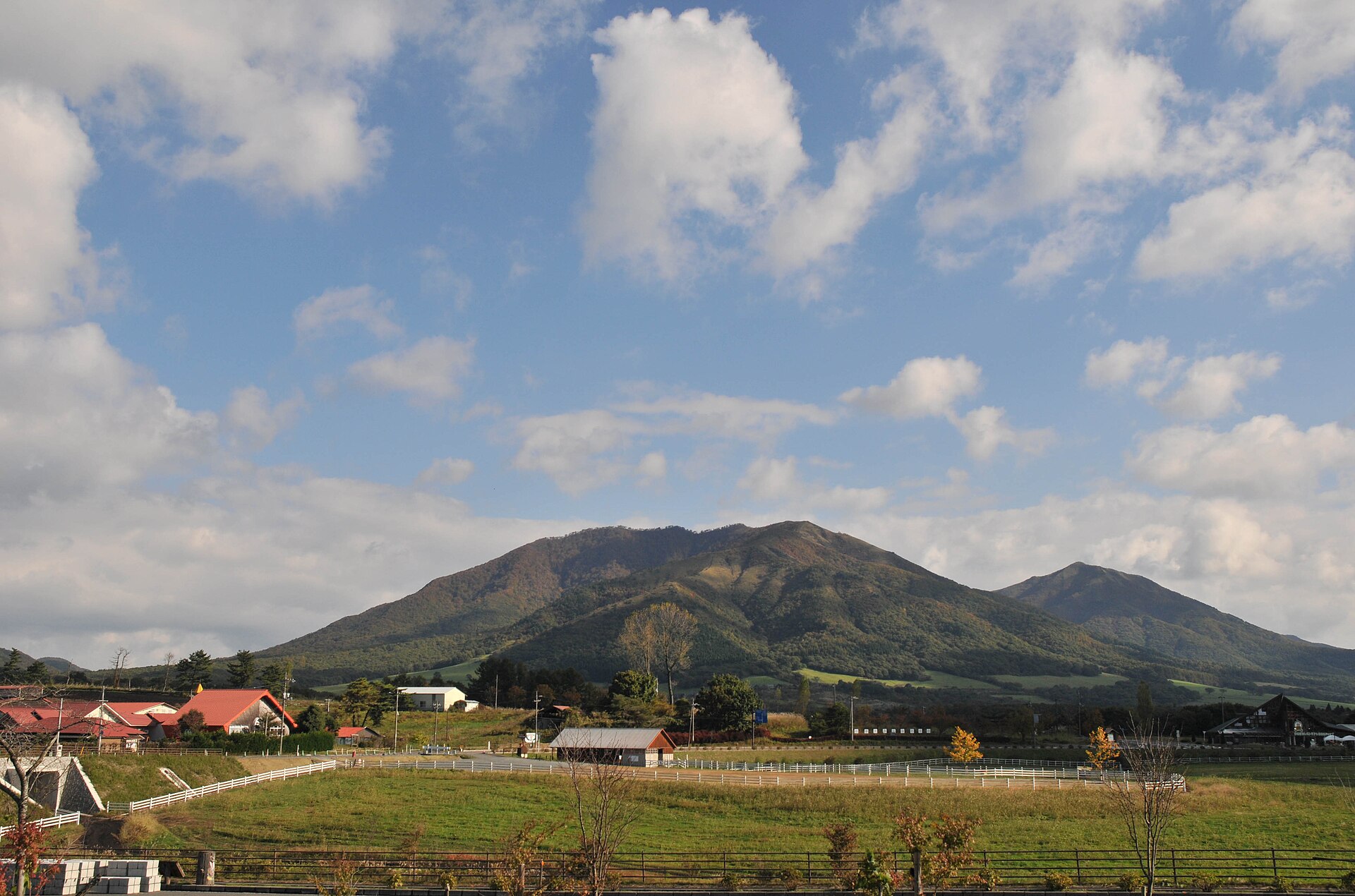
Hiruzen Highlands
A national park where the protected landscape is a working pasture.
-
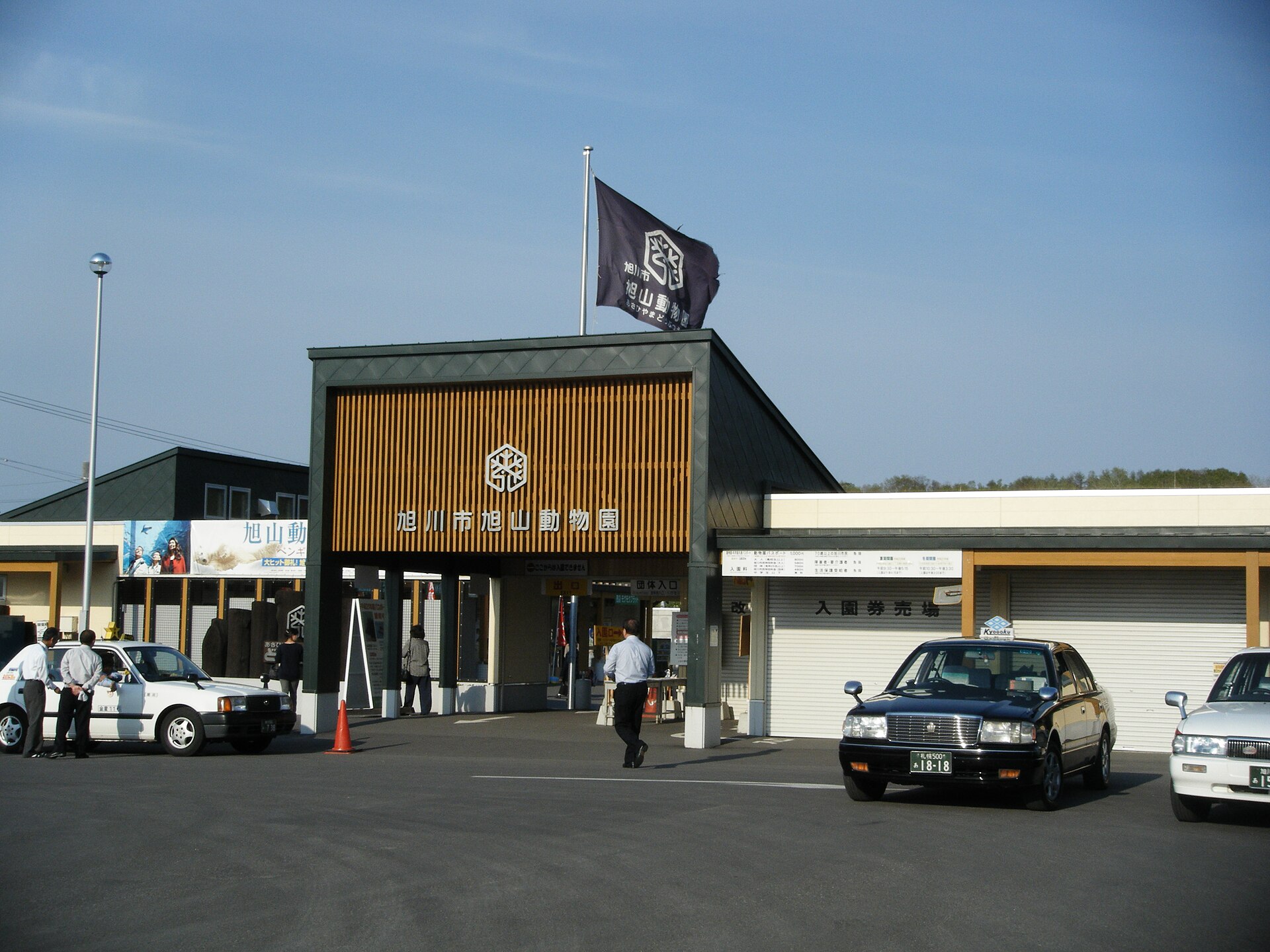
Asahiyama Zoo
Japan's northernmost zoo, built so the animals are seen moving.
-
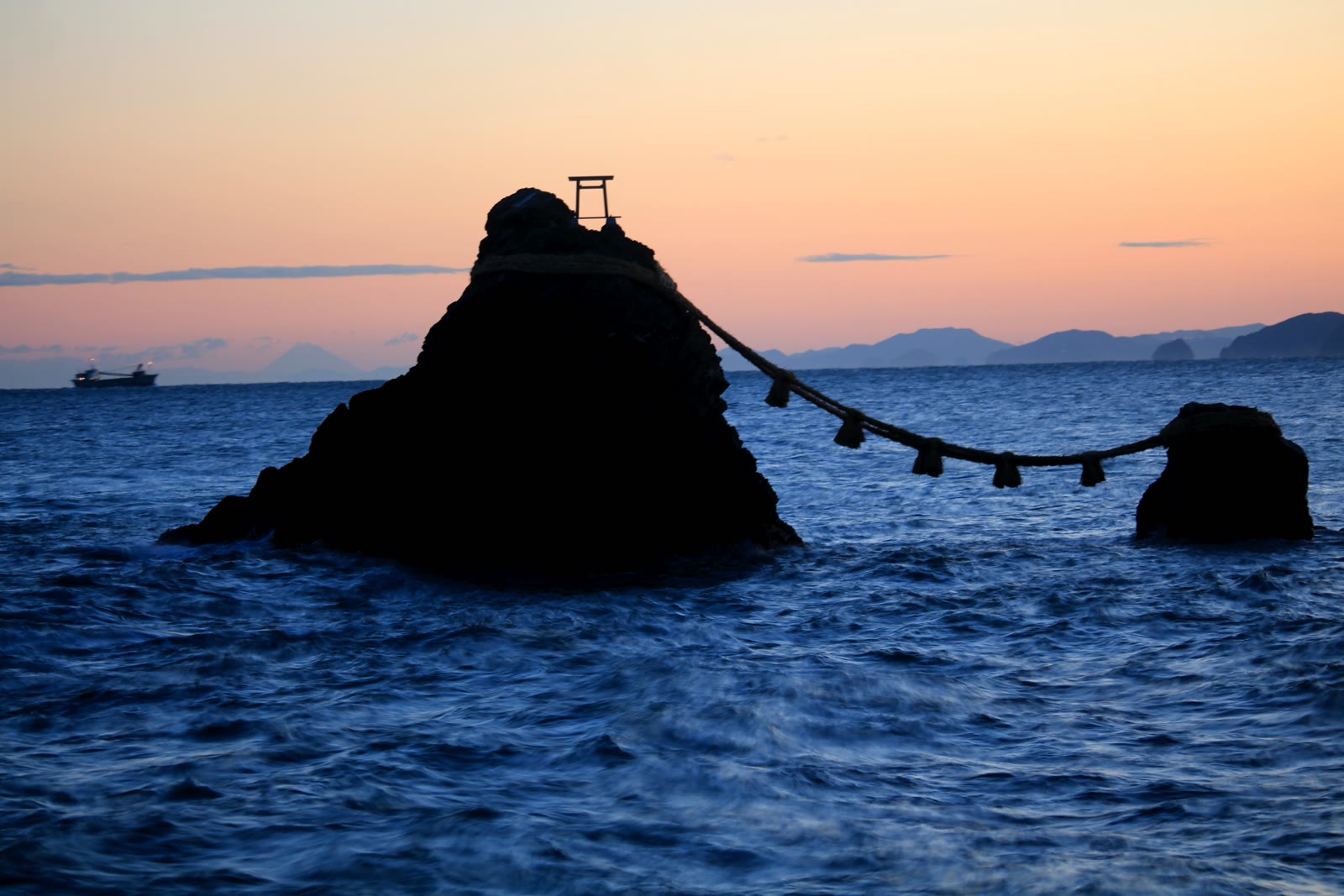
Meoto Iwa — two rocks tied together off Ise
Two rocks joined by a sacred rope, acting as a gate onto a stone beneath the sea — the sun rises through the gap from May to July, and Fuji sometimes appears behind it.
-
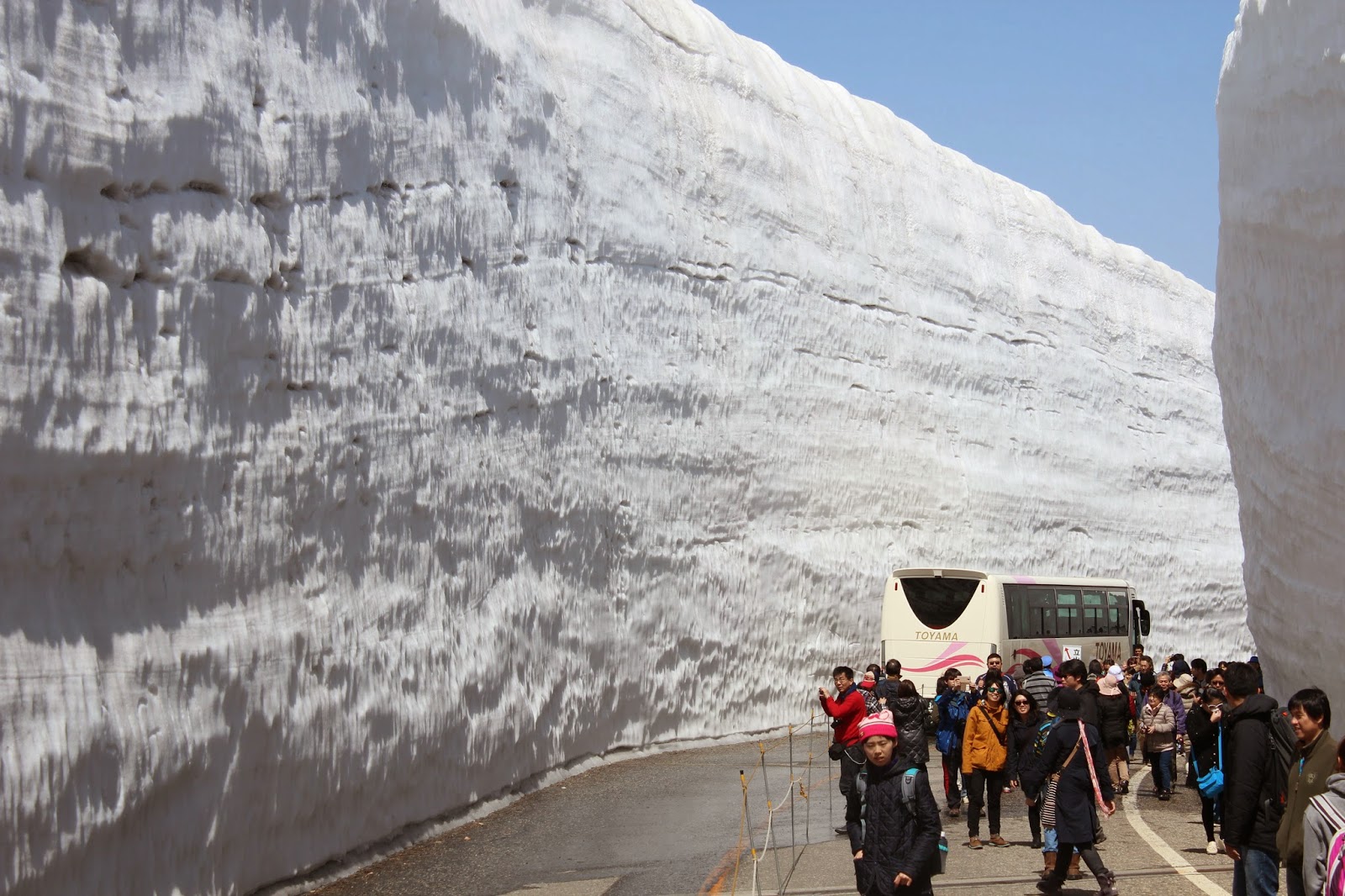
Tateyama Kurobe Alpine Route
A spring road cut through the snow rather than cleared off it.
-
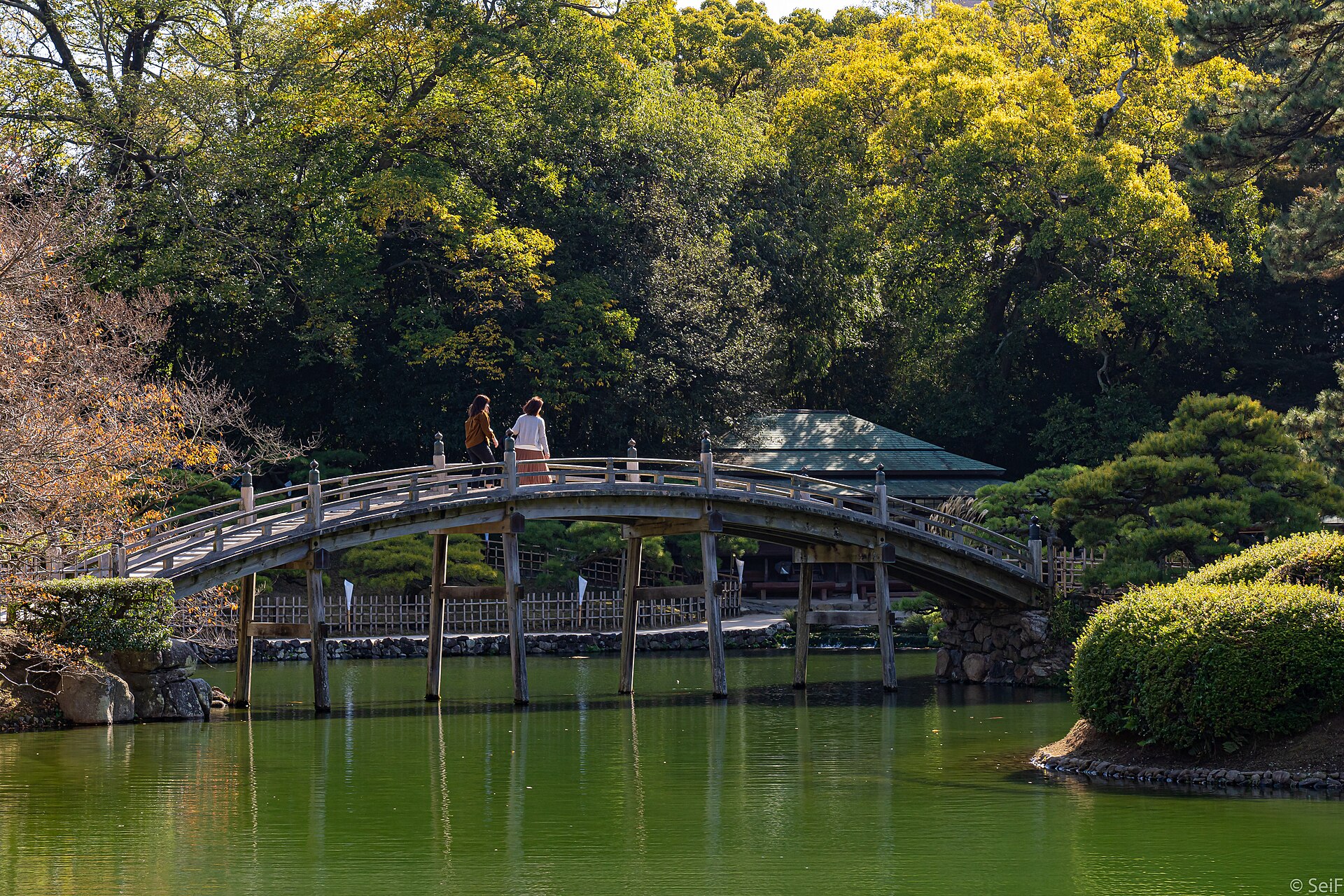
Ritsurin Garden
A three-star garden that opens near sunrise and closes after dark.
-
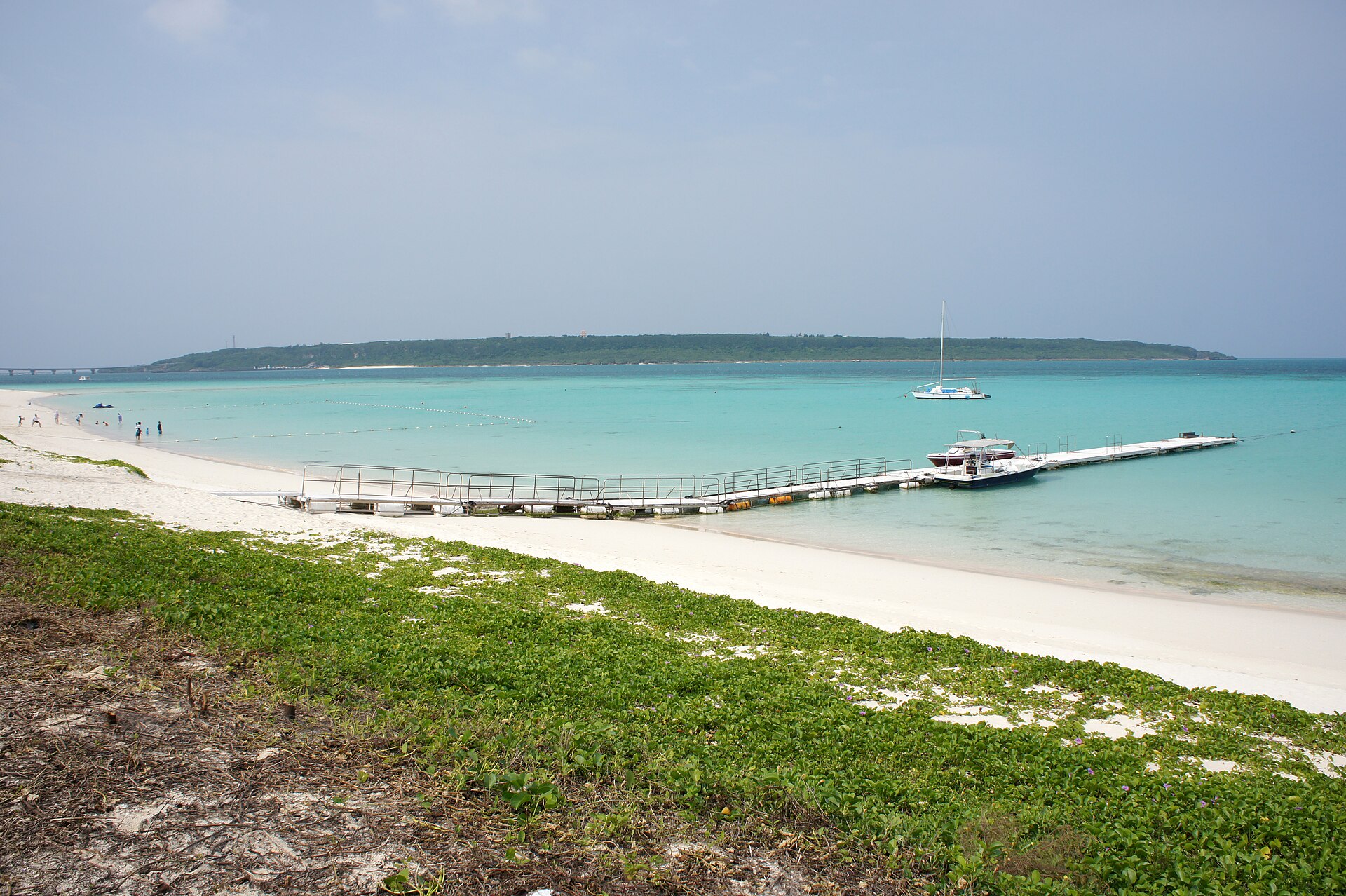
Yonaha Maehama Beach
Okinawa's most-named white sand, with Kurima Island square in front of it.
-
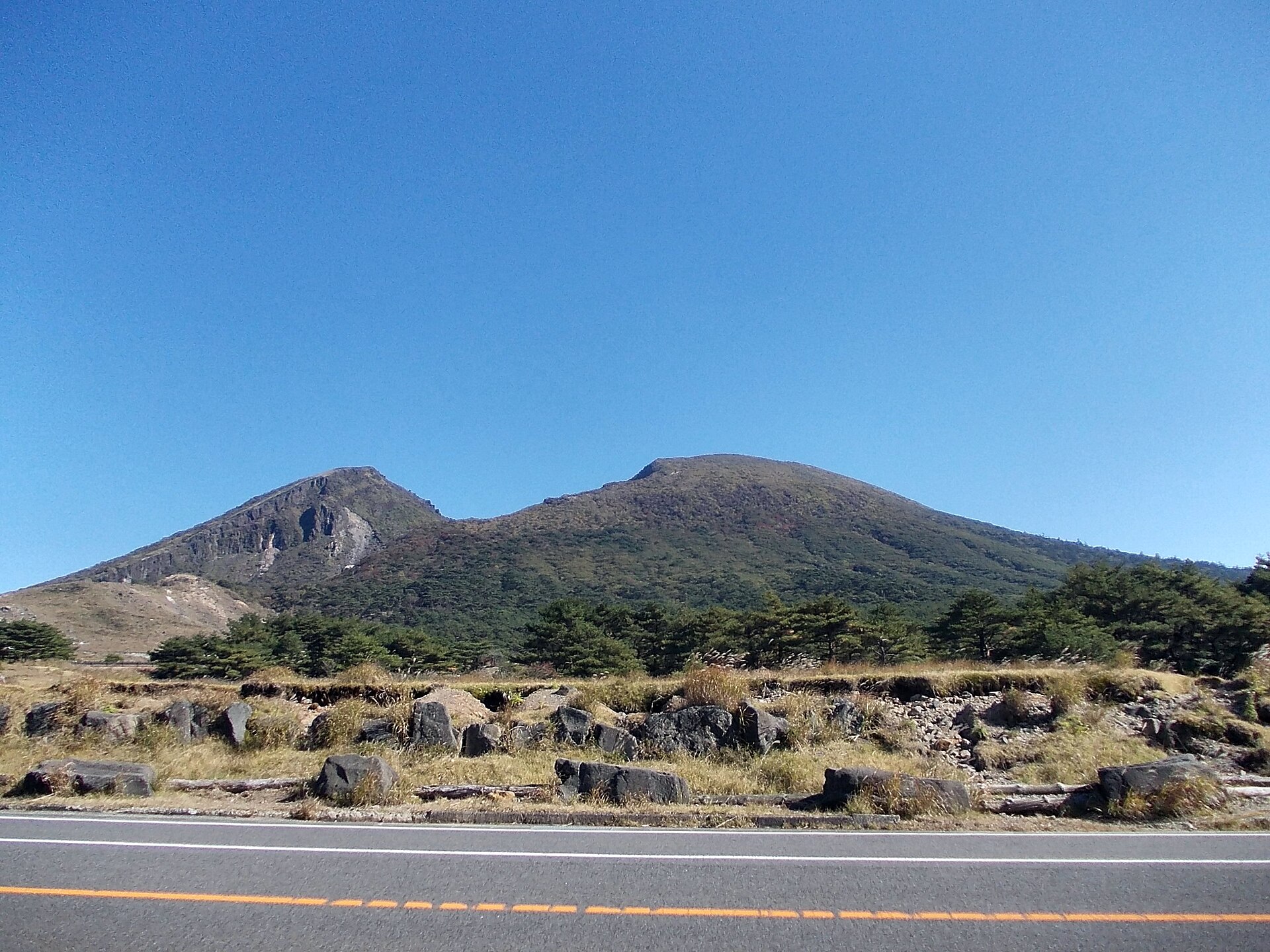
Ebino Kogen — A crater-lake plateau in the Kirishima range
Three crater lakes on one short trail, inside a range that is still live.
-
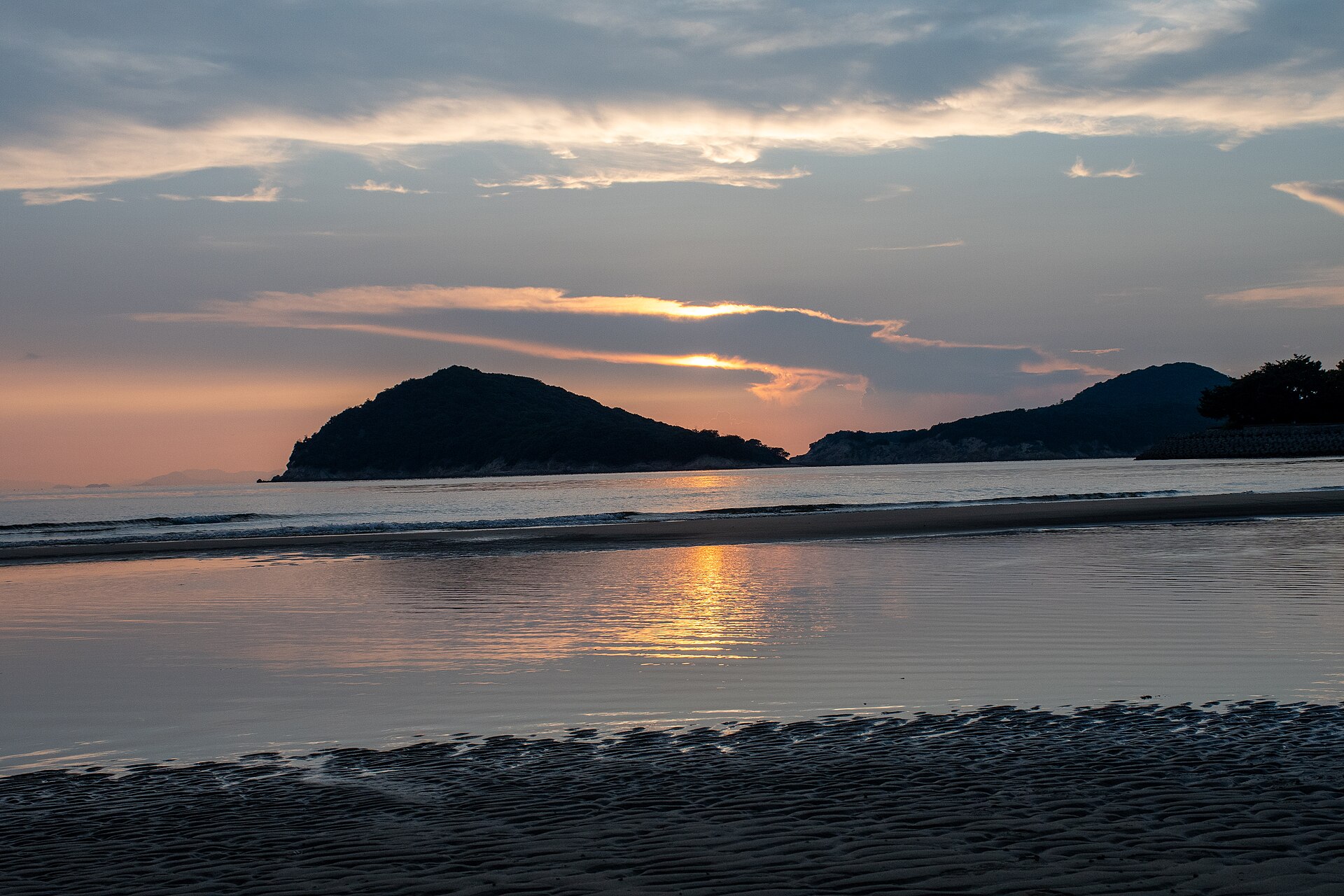
Chichibugahama Beach
The reflection runs to a timetable, and the timetable is public.
-
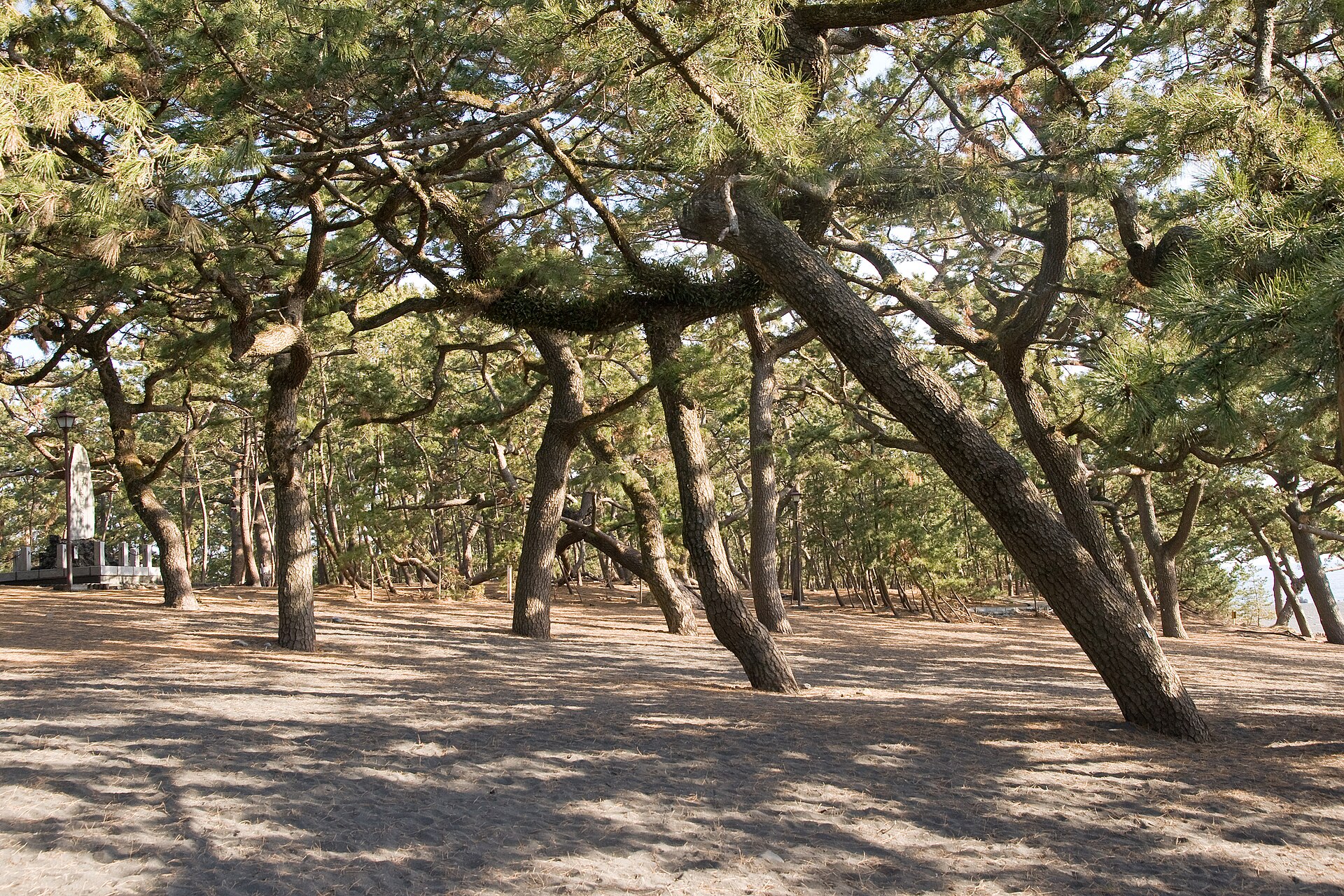
Miho no Matsubara — A black-pine coast facing Mount Fuji
One of Japan's three great pine groves, free and open, with Fuji across the bay.
-
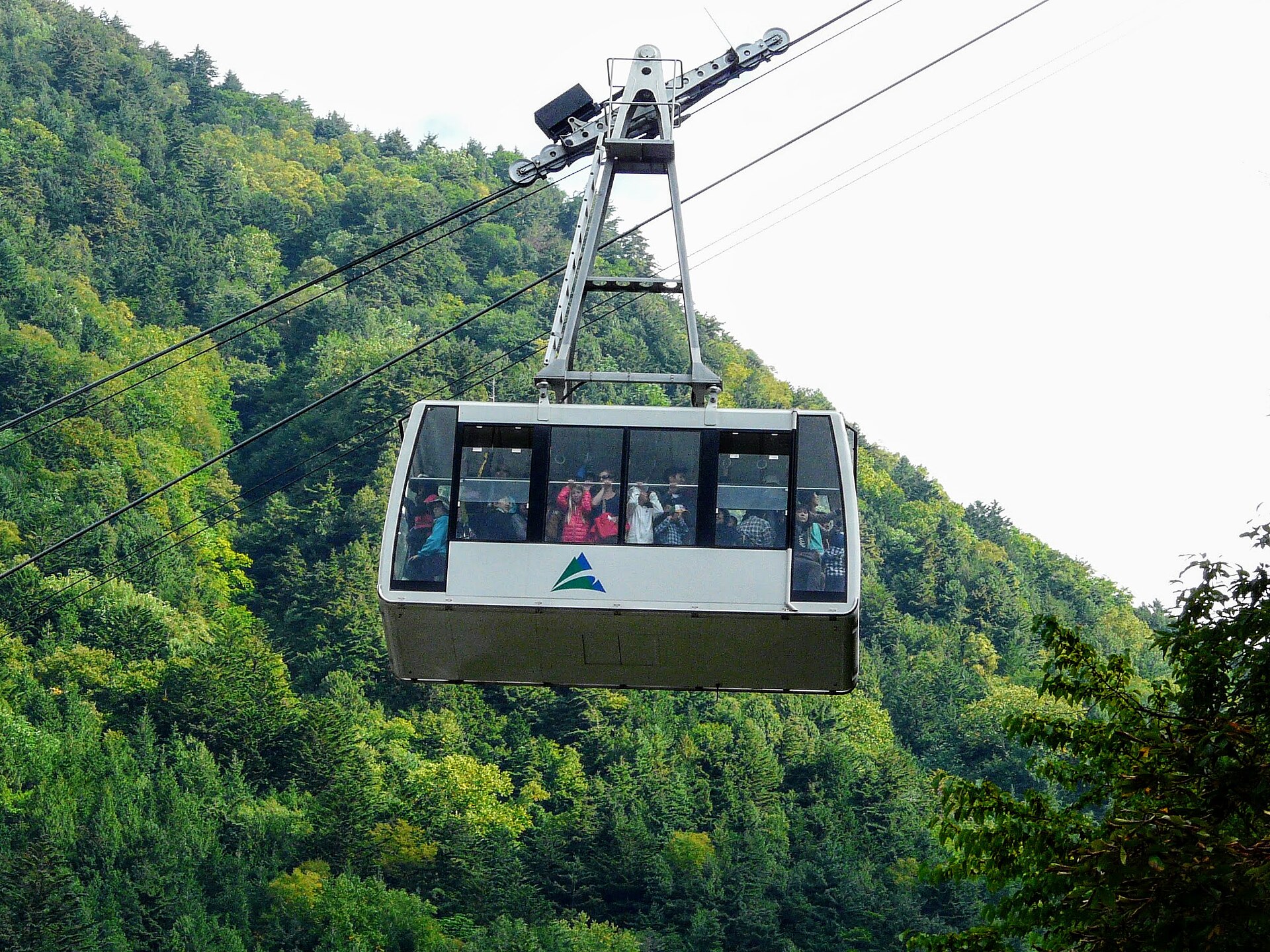
Shinhotaka Ropeway
Japan's only two-storey gondola, and an Alpine viewing deck you reach in shoes, not boots.
-
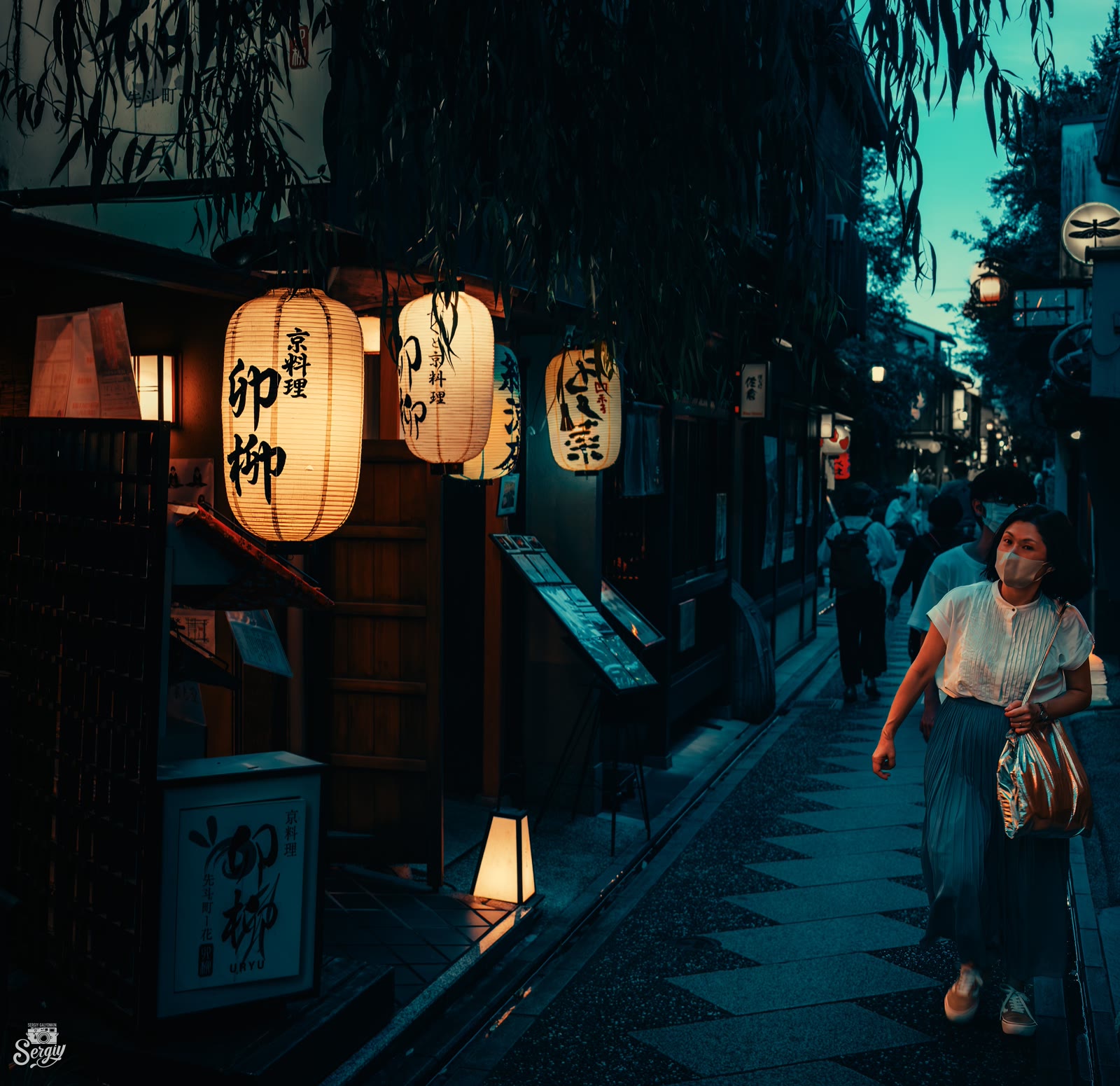
Pontocho — the narrow riverside alley of lanterns
Kyoto's most atmospheric 490-metre lane — stone-paved, lantern-lit, and one block from the Kamo River.
-
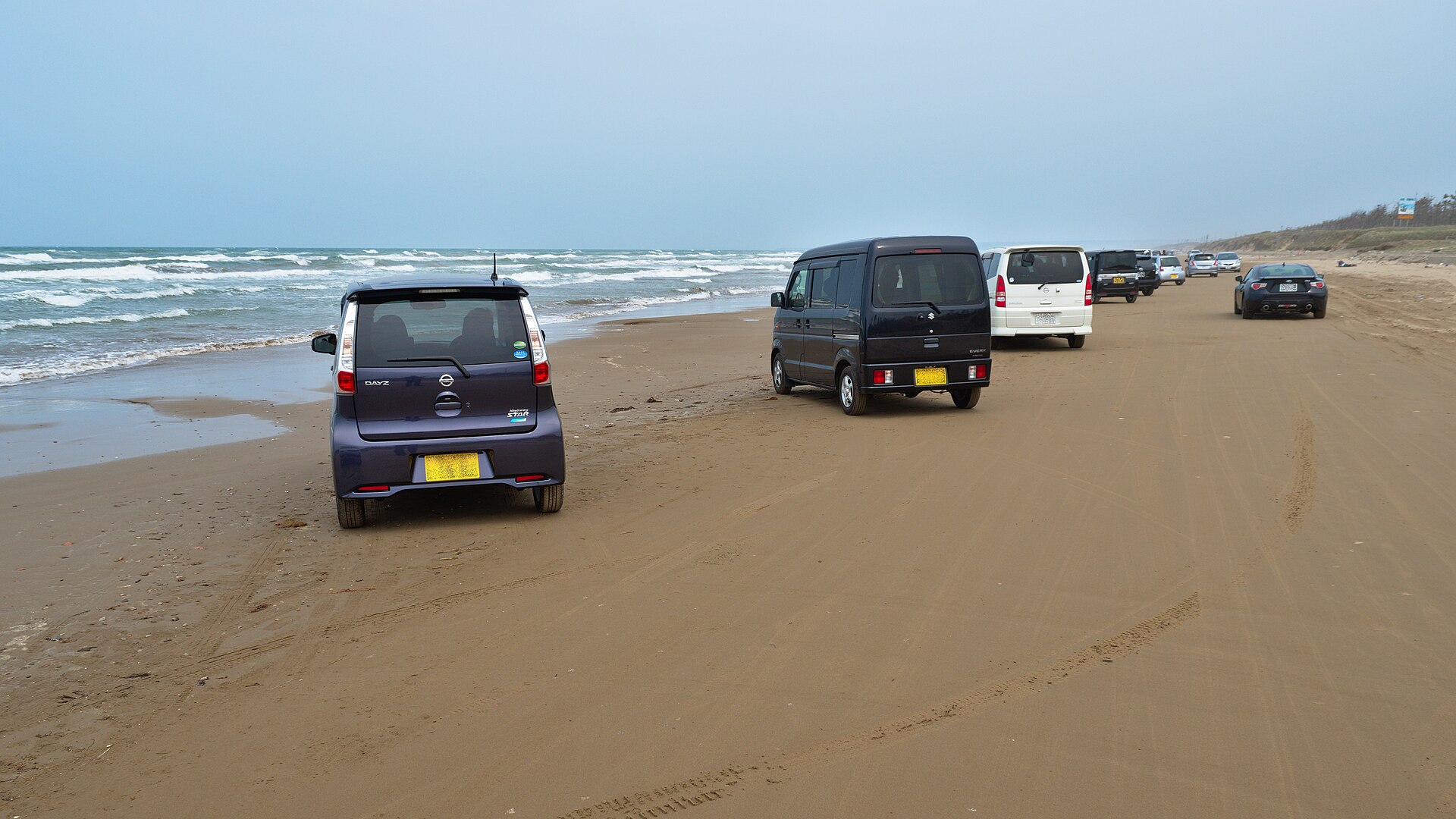
Chirihama Nagisa Driveway — A public road laid on wet sand
A beach that is also a public road, open only when the sea allows.
-
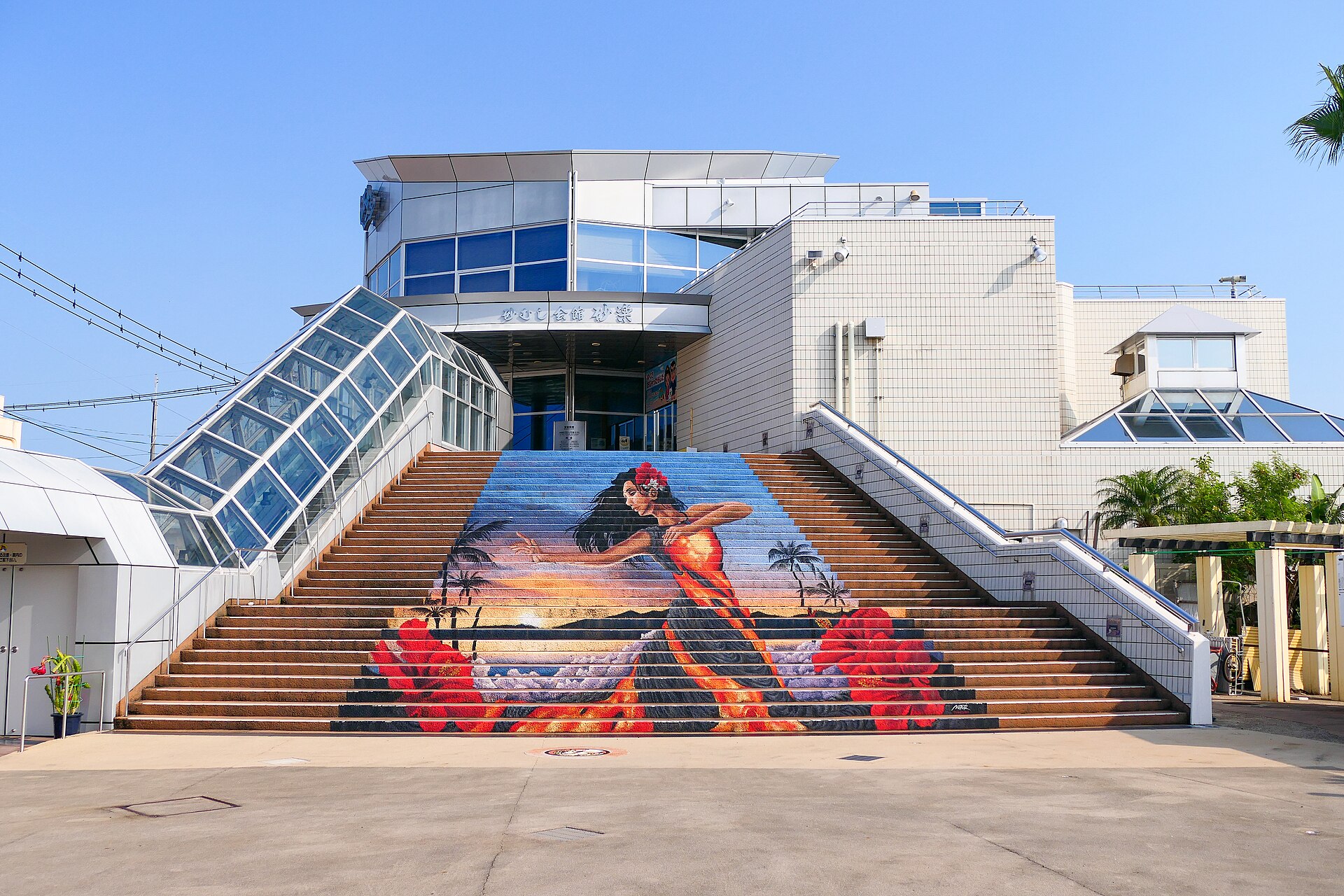
Ibusuki Sunamushi Sand Bath
Buried in beach sand heated by the spring running under it — ten minutes and you are done.
-
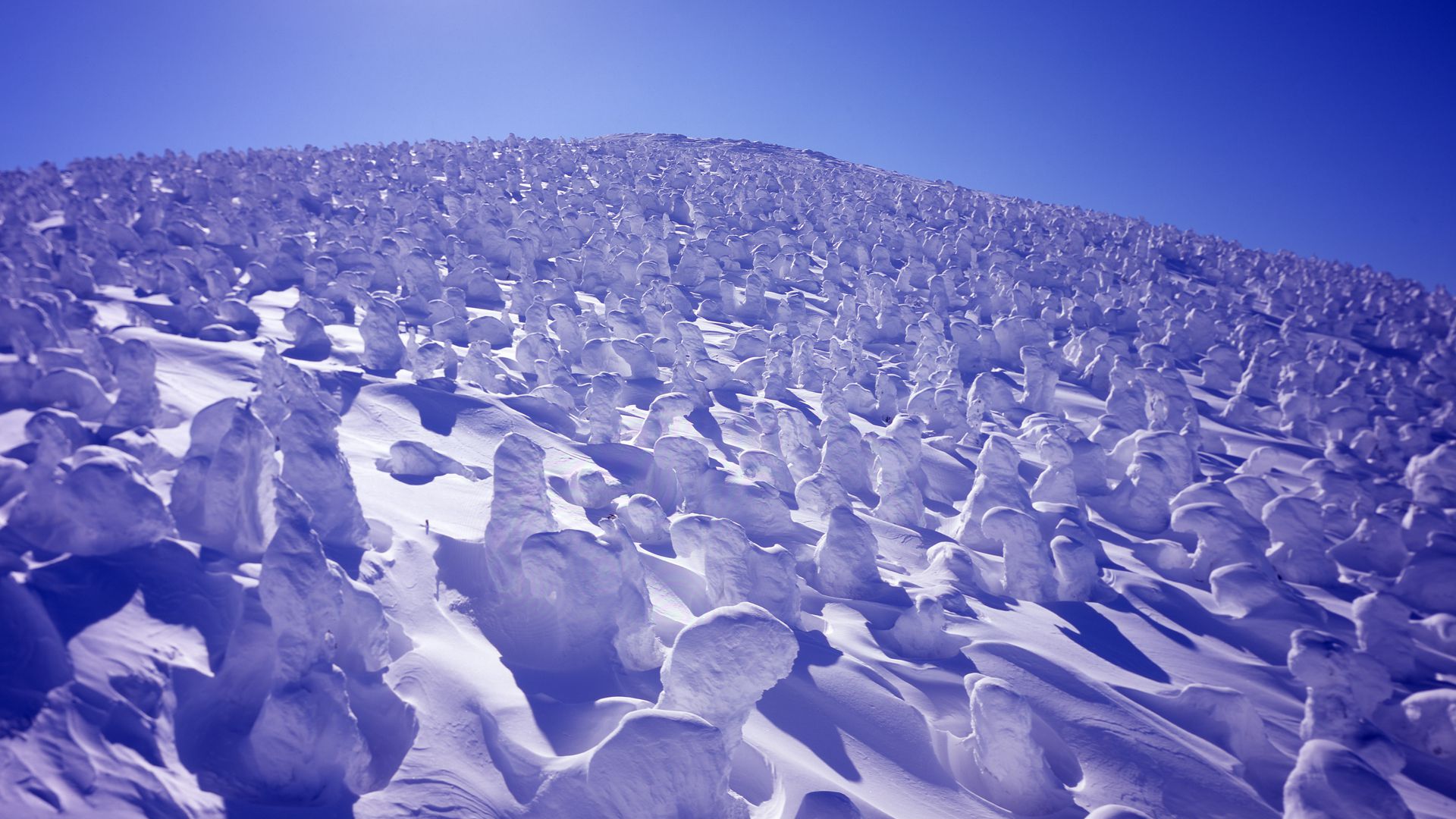
Zao Onsen and the Snow Monsters
Strongly acidic sulphur water in the lanes, a plateau of ice-cased firs above them.
-
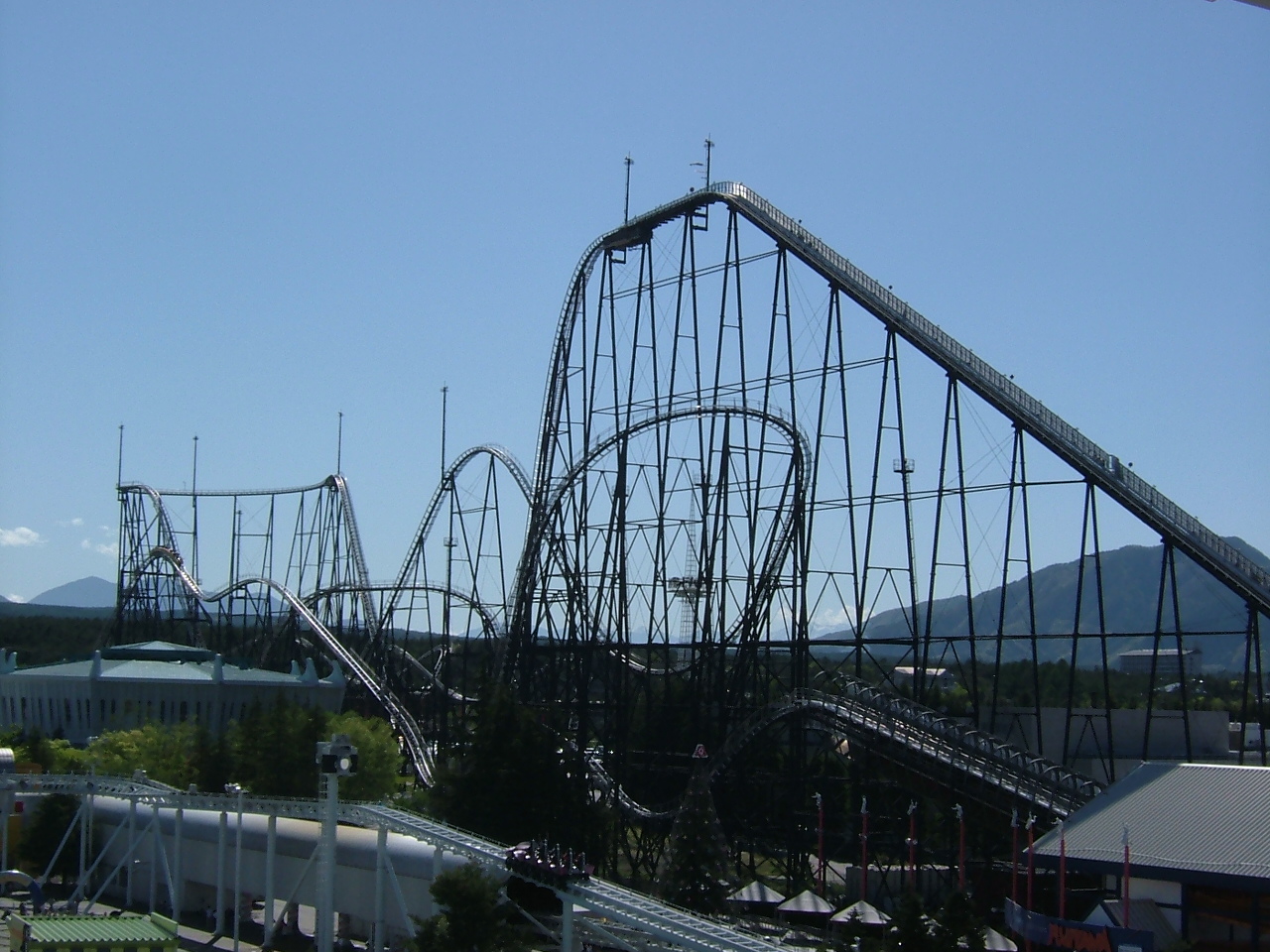
Fuji-Q Highland — Japan's most extreme roller coaster park
Japan's most extreme coaster park, at the foot of Mount Fuji — free gate entry, world-class rides, direct rail access from Tokyo.
-
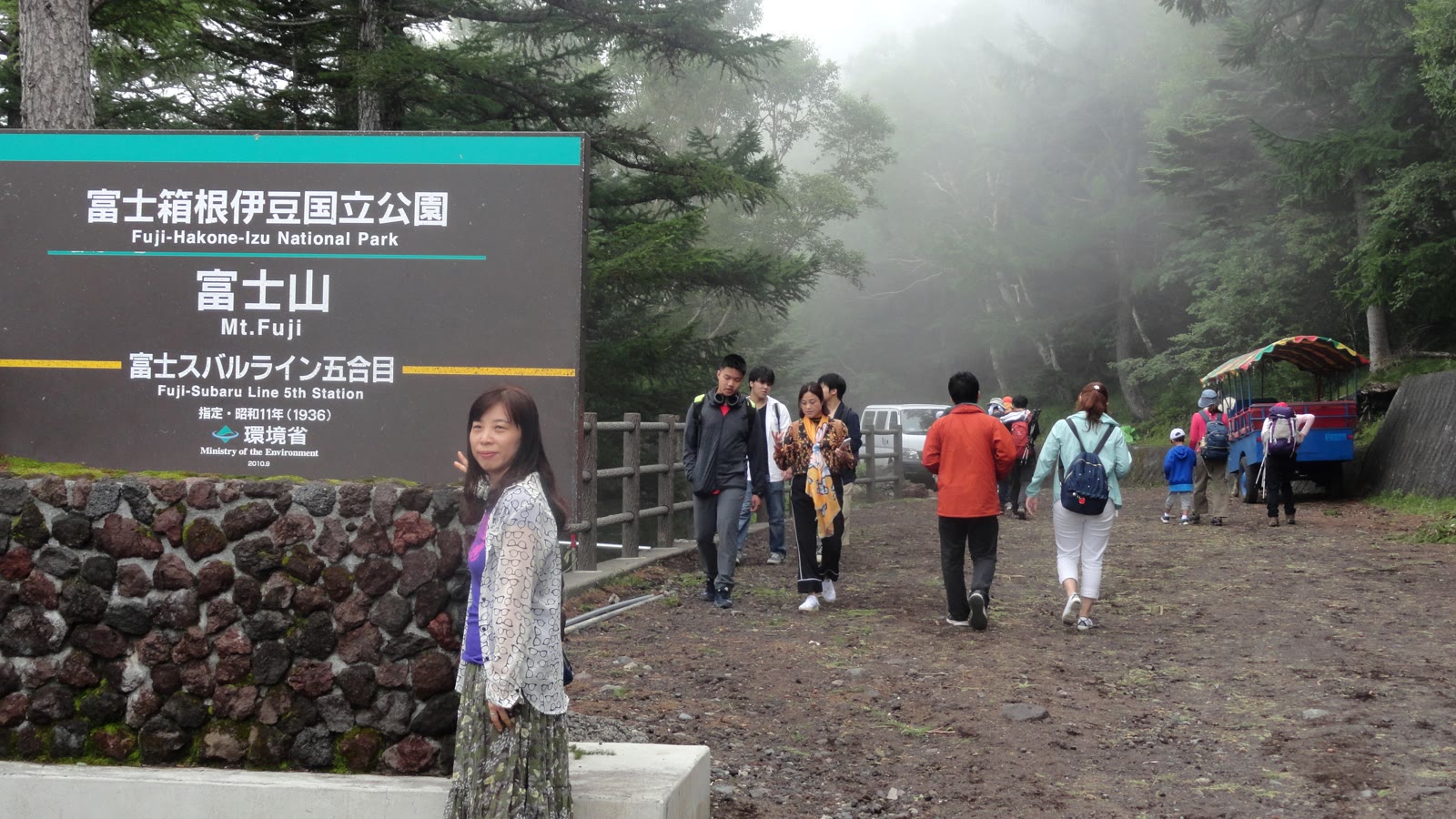
Mount Fuji
Japan's highest mountain and most iconic image — the 5th Station at 2,305 m is accessible by bus and often above the cloud layer on clear mornings.
-
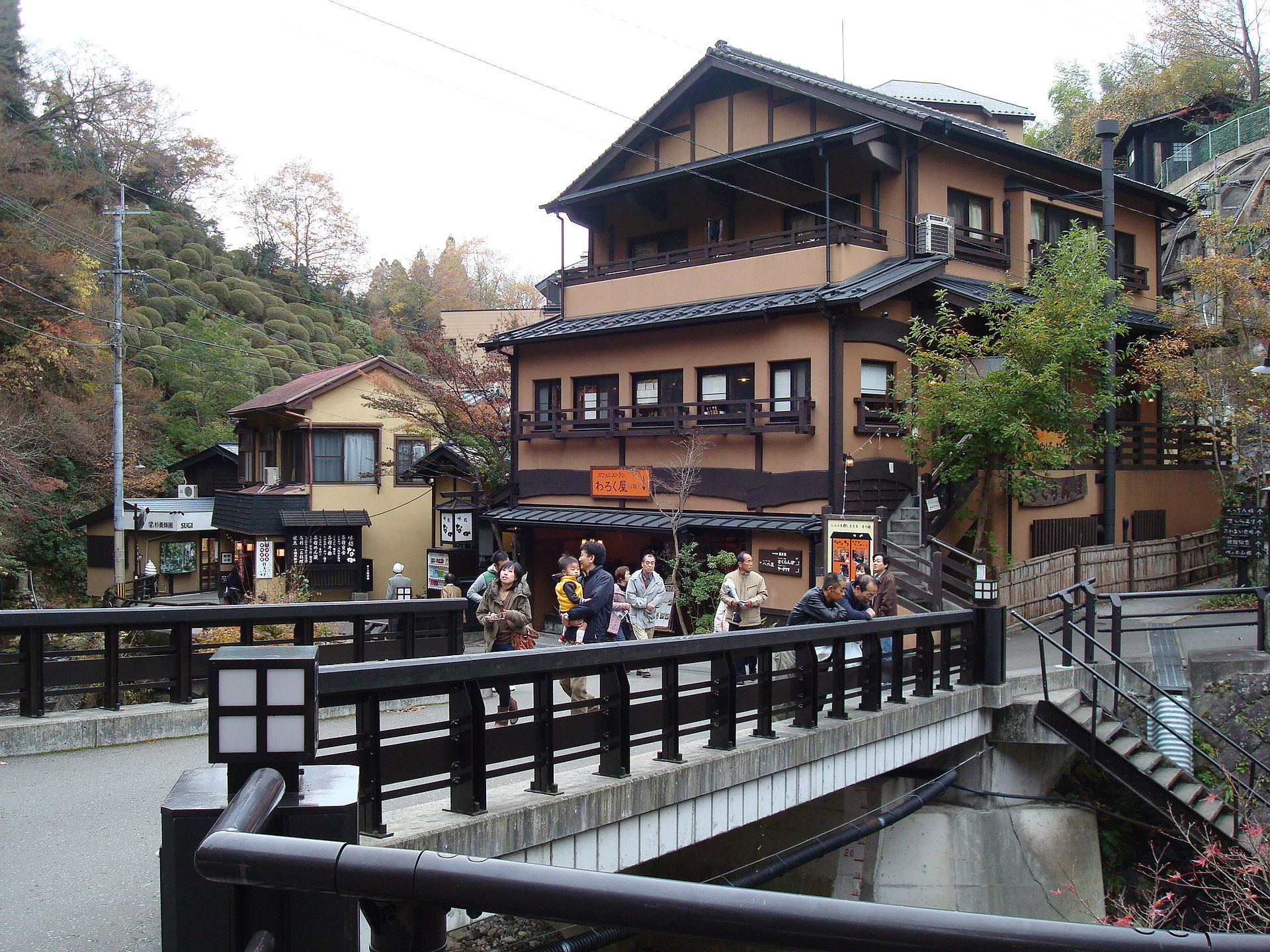
Kurokawa Onsen
A hot-spring village that runs its open-air baths as one shared attraction.
-
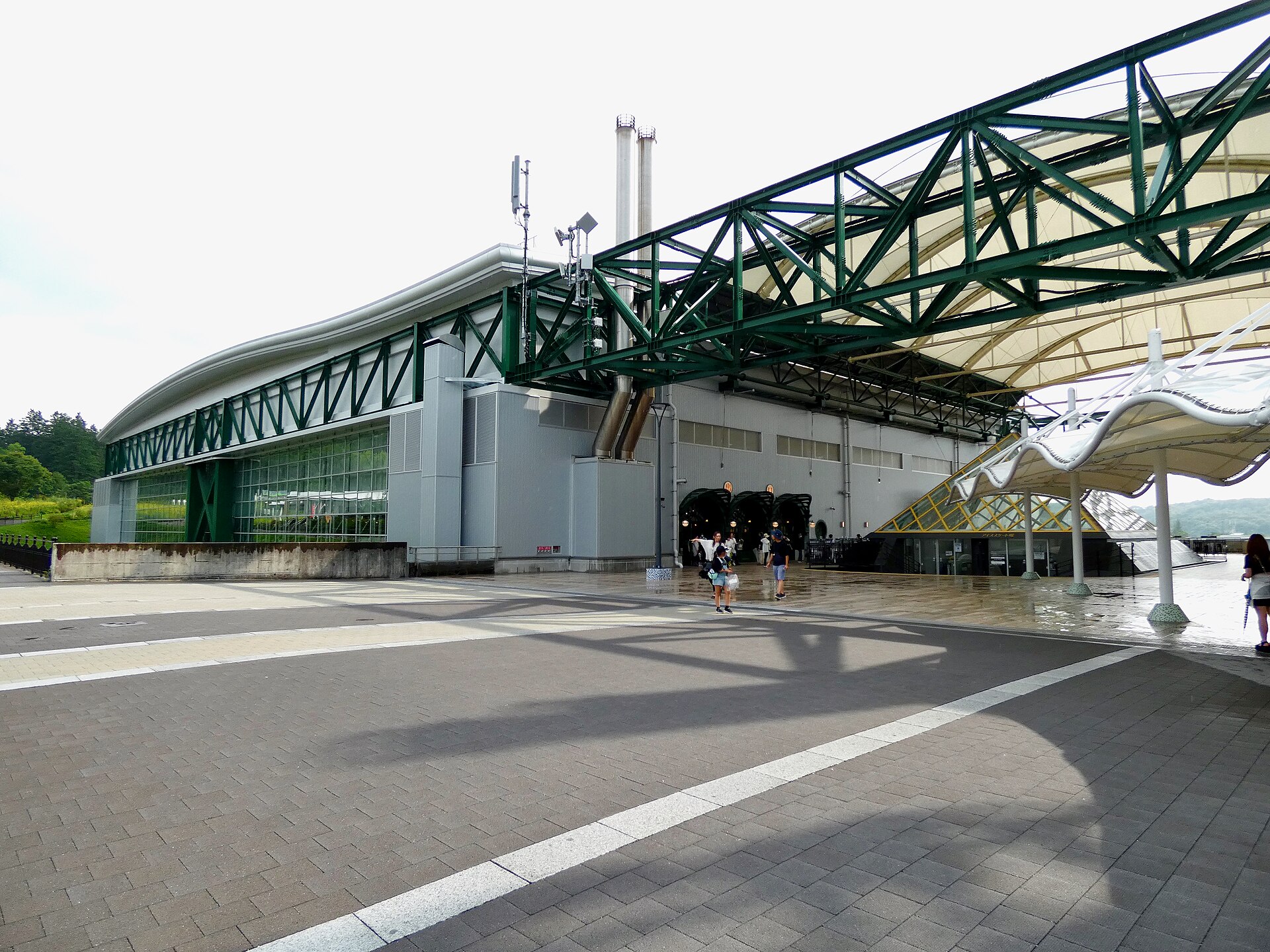
Ghibli's Grand Warehouse — The indoor core of Ghibli Park in Aichi
Ghibli Park's only indoor area, and the only one with a timed entry slot.
-
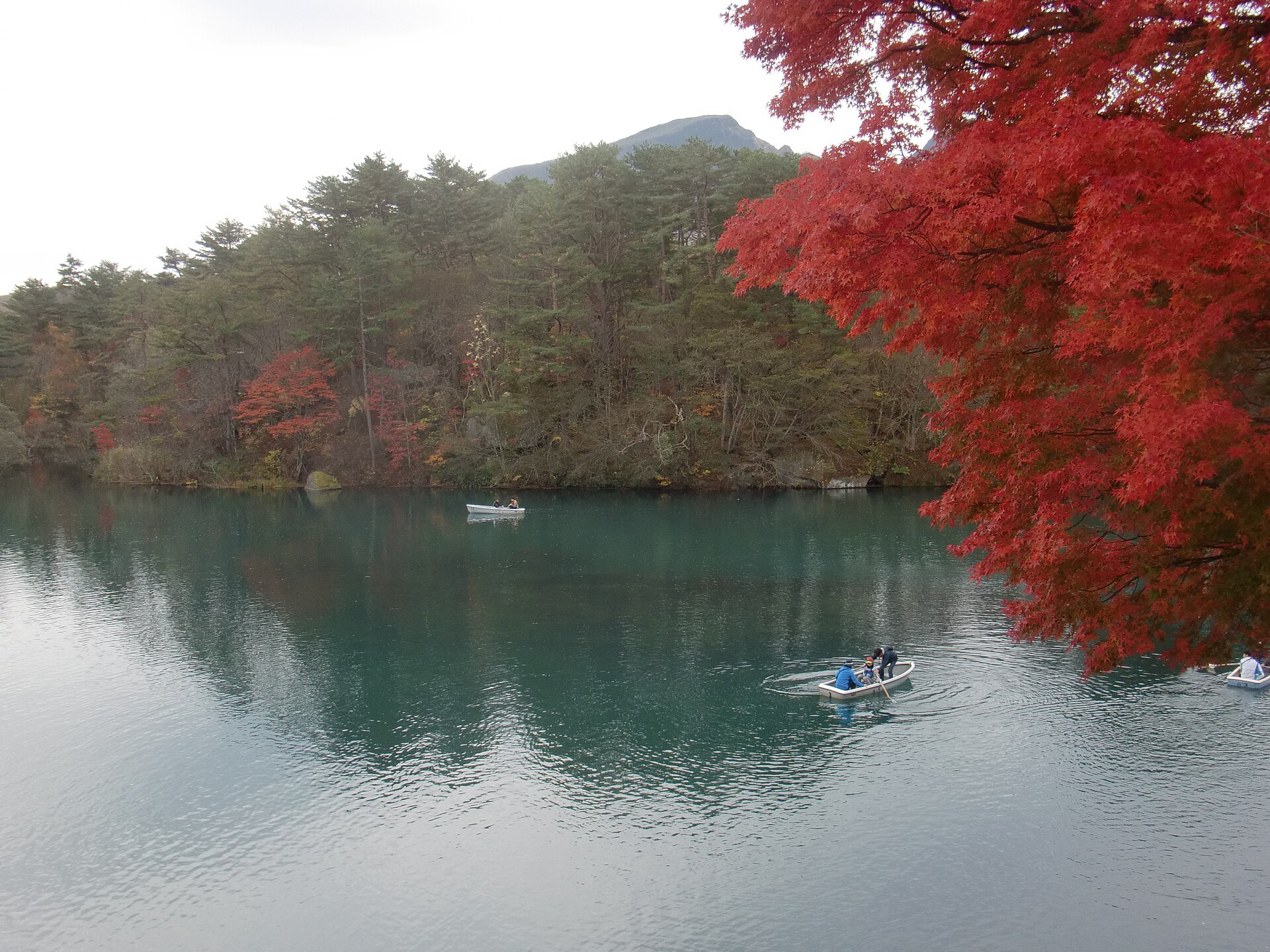
Goshikinuma Ponds
Eight ponds, no two the same colour, on a four-kilometre walk with buses at both ends.
-
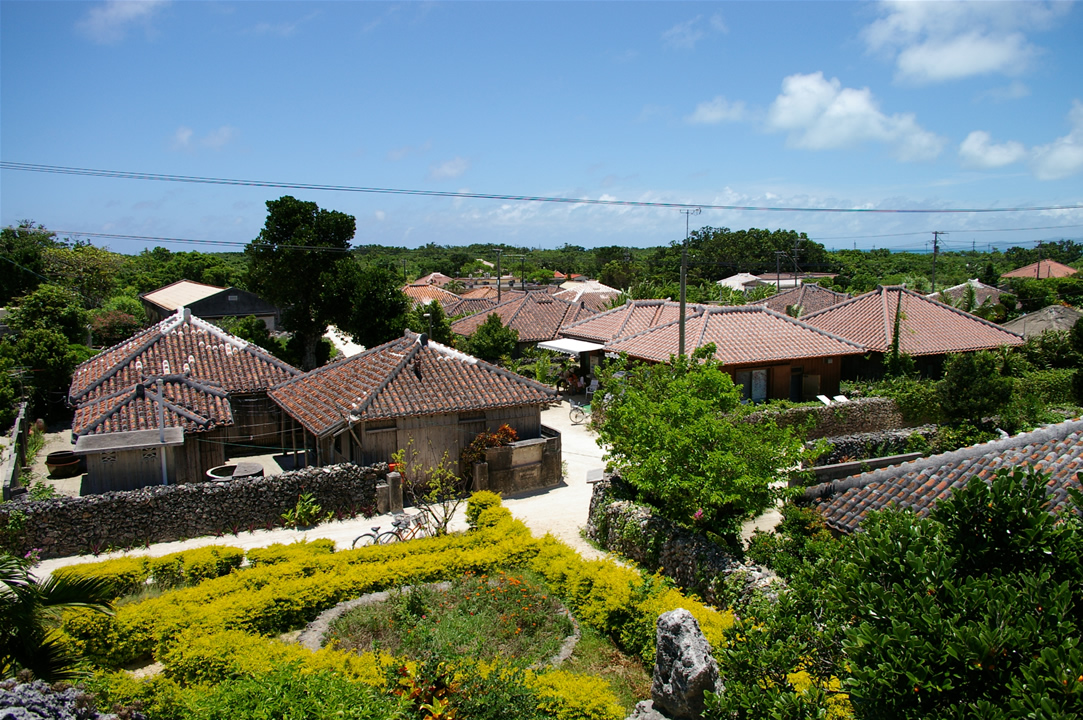
Taketomi Island — Red-tile village on white coral sand, off Ishigaki
A whole village of red tile and white coral sand, still lived in today.
-
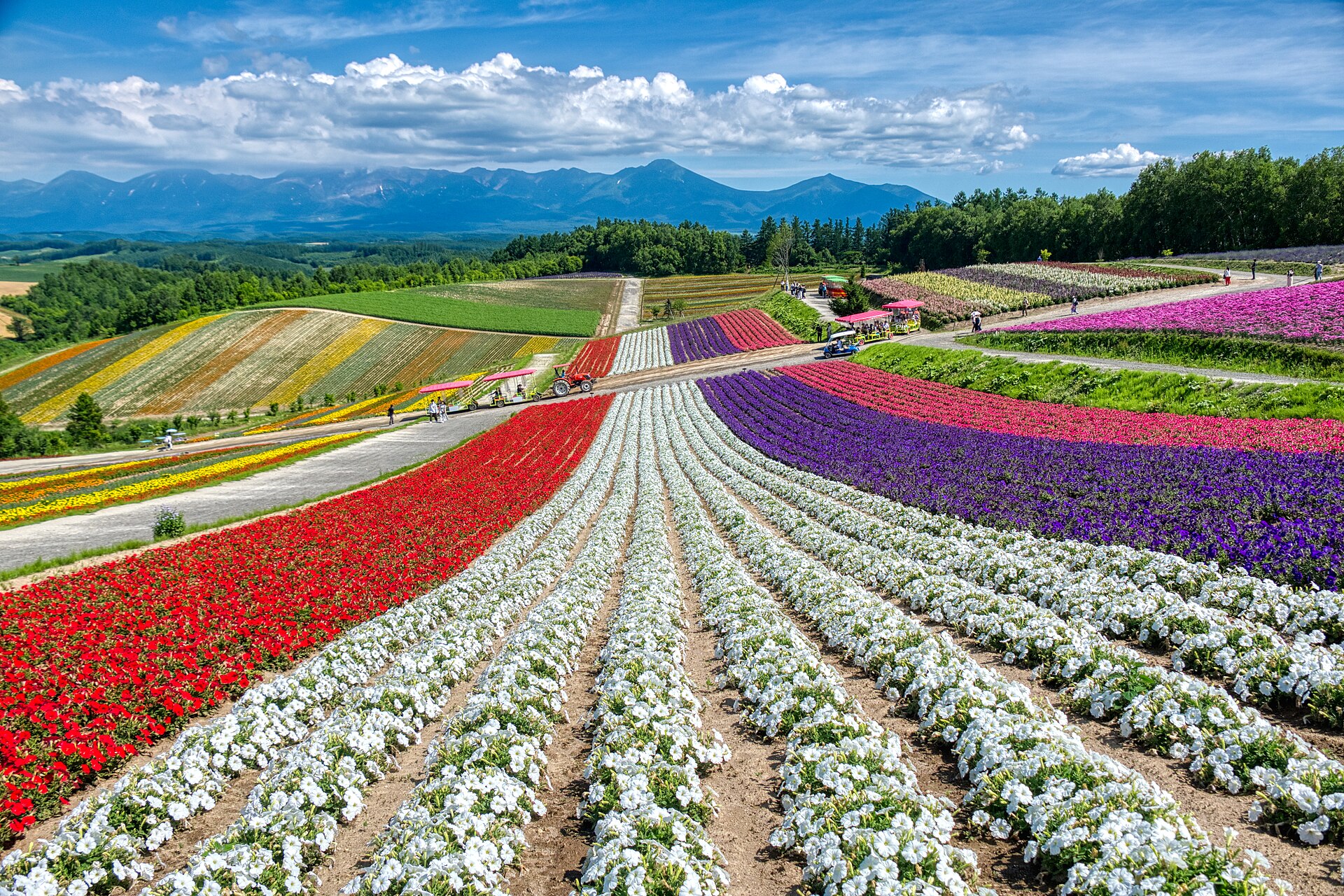
Shikisai-no-oka — A banded flower garden on the Biei hills
A hillside planted in bands, so the slope itself does the composing.
-
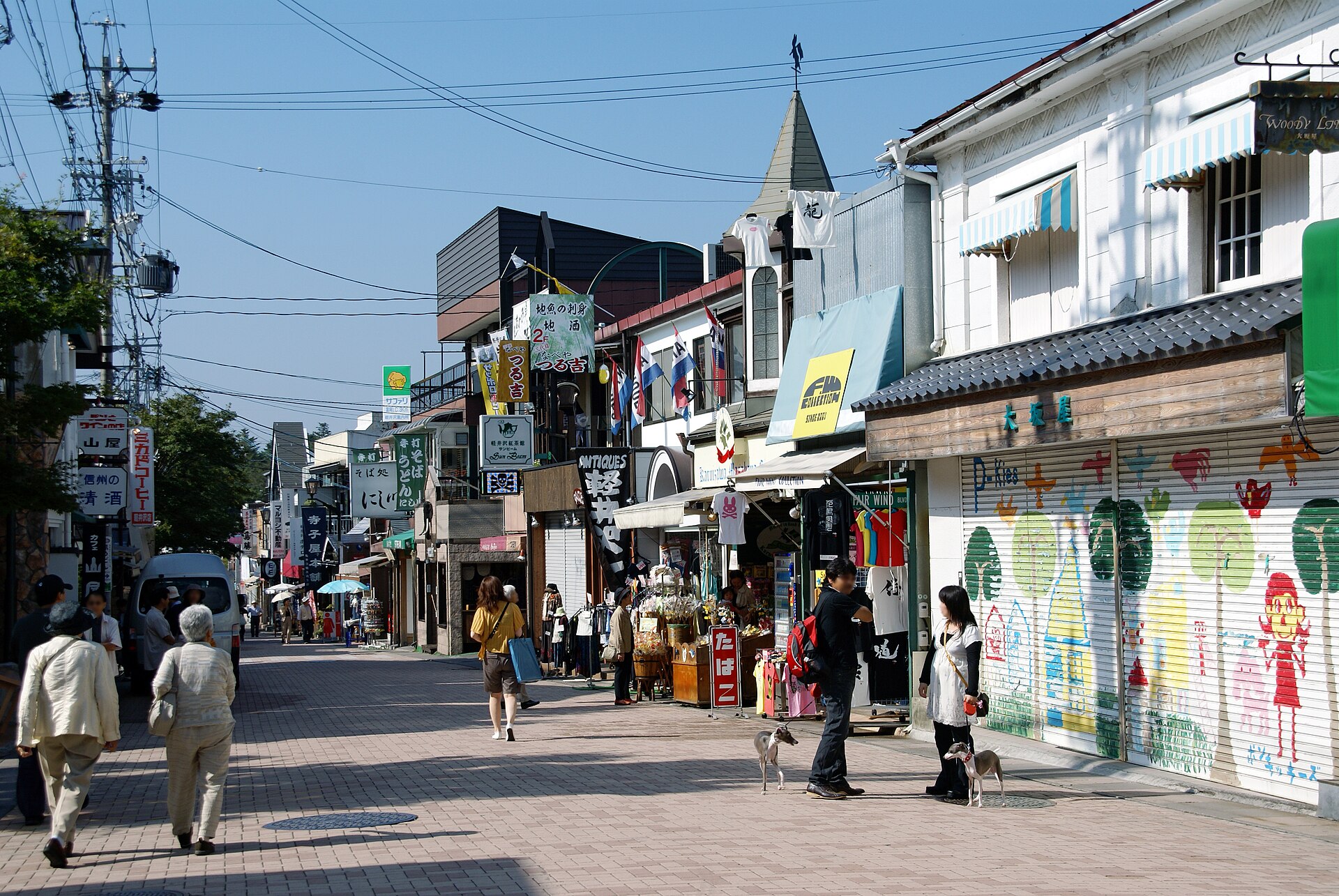
Karuizawa — A cool-summer town in the Asama highlands
The one resort town where the shopping street is also the historical exhibit.
-
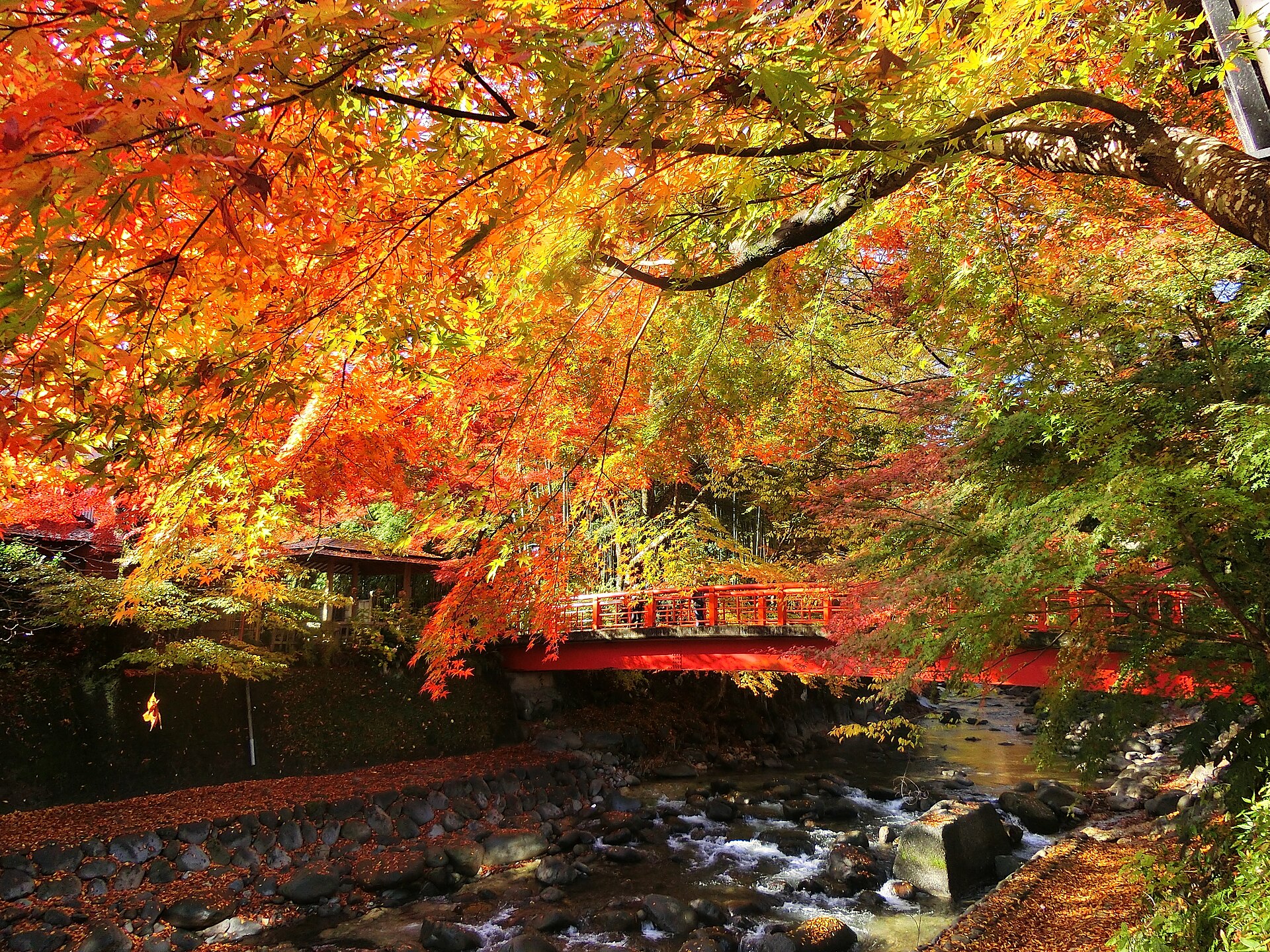
Shuzenji Onsen
A famous spa town whose best parts are free to walk.
-
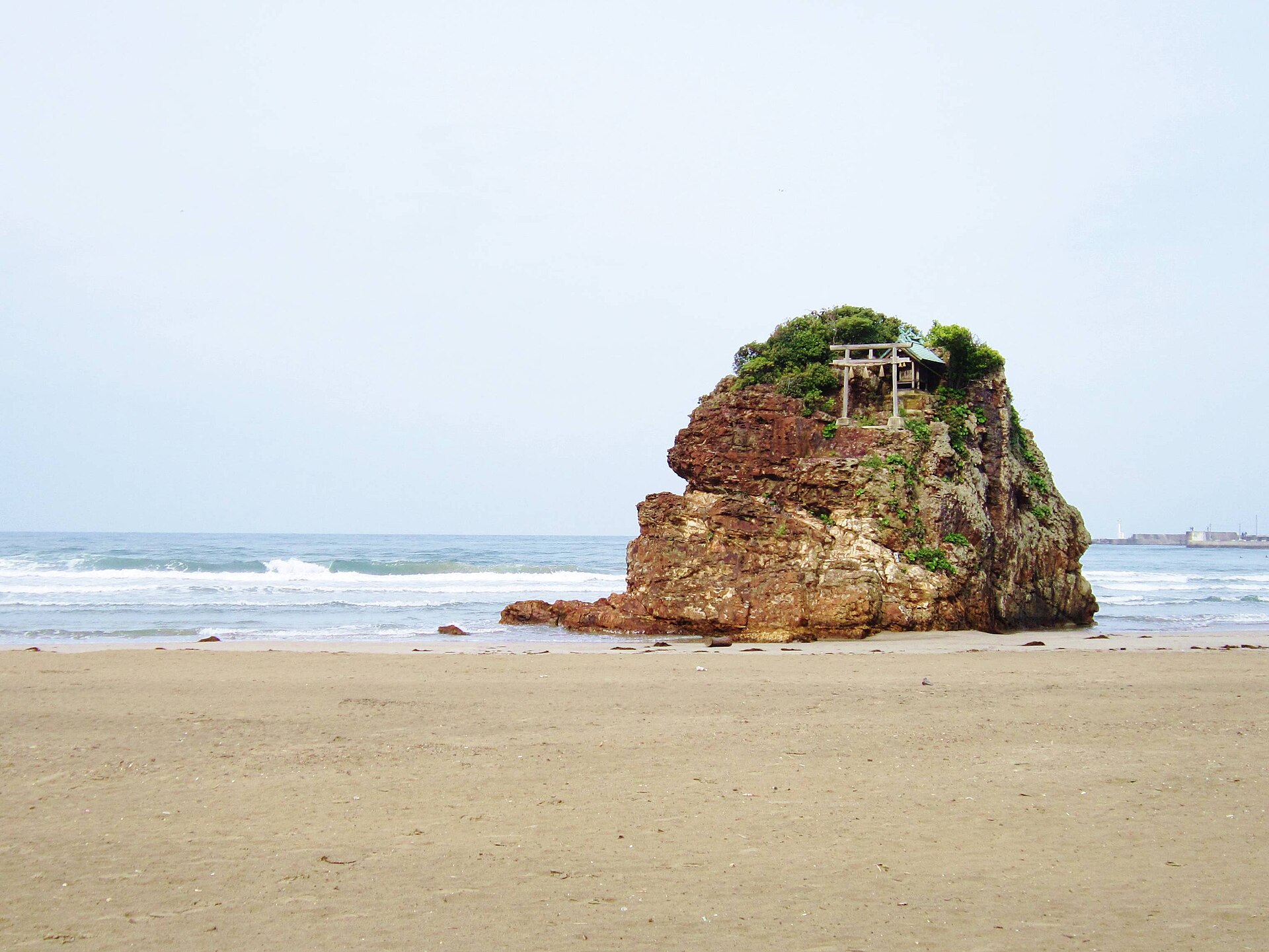
Inasa Beach
Izumo's sunset shore: open ground, no ticket, a short walk from the great shrine.
-
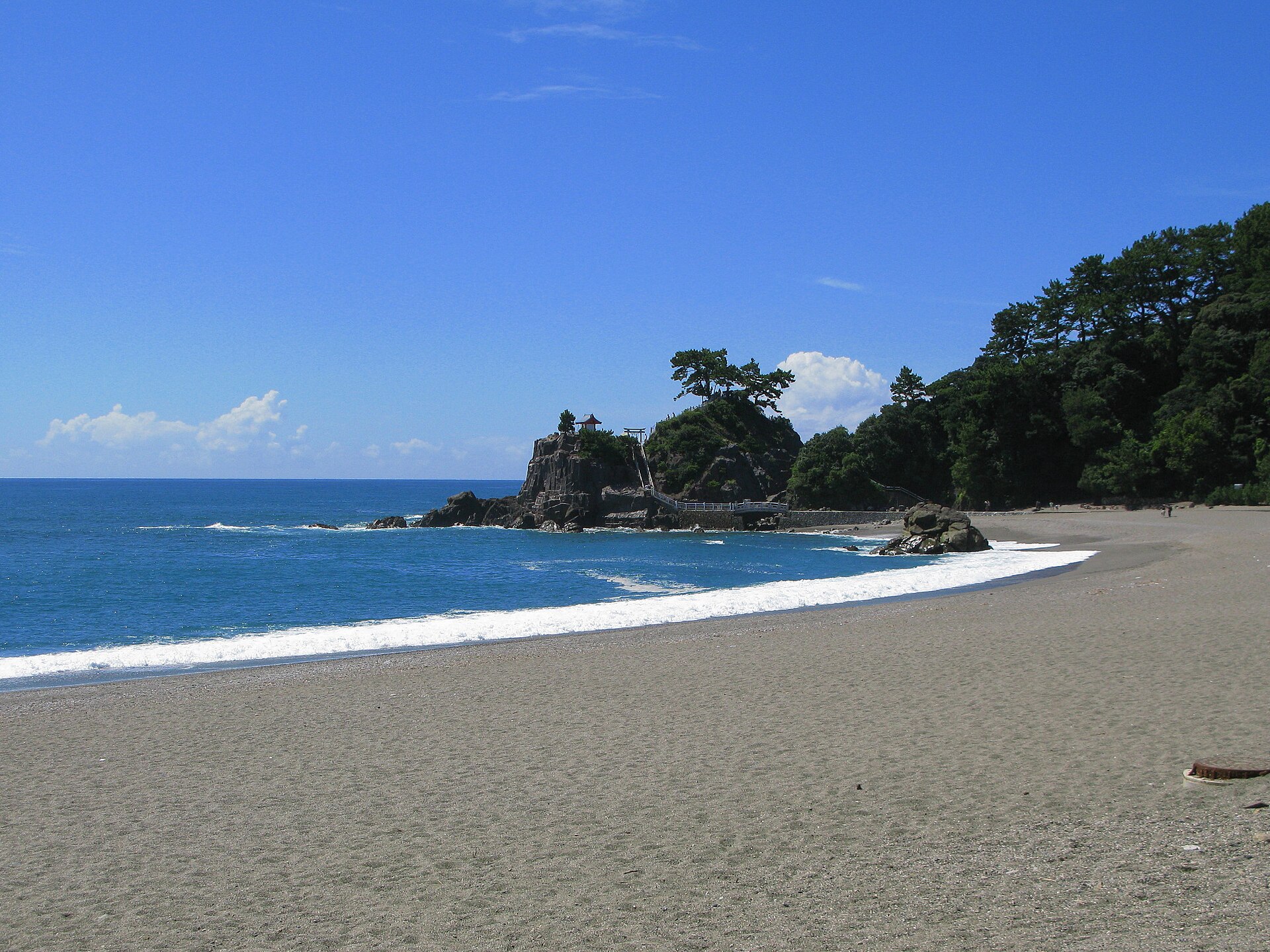
Kabira Bay
The postcard bay, plus the reef underneath it.
-
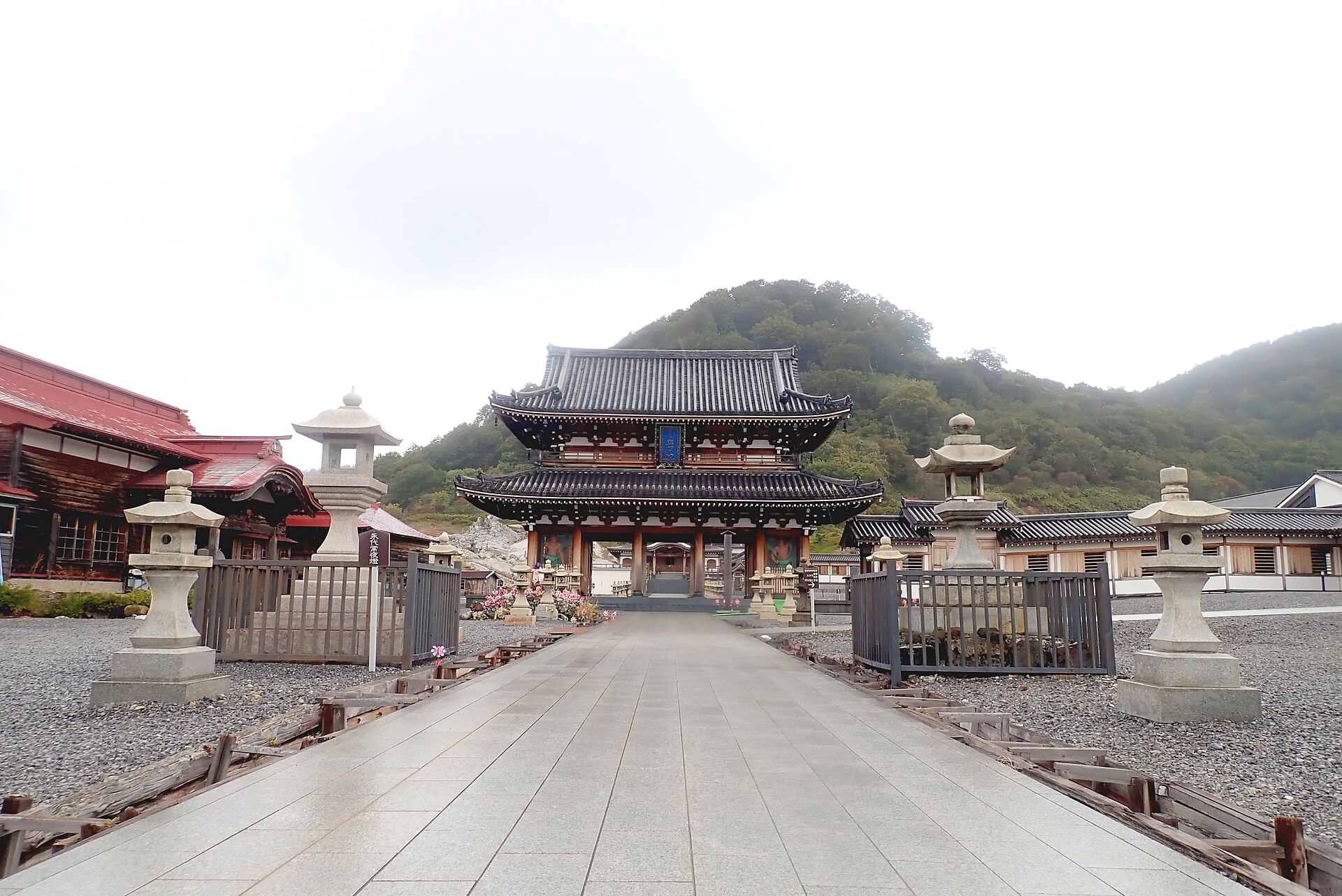
Mount Osore — A sulphur caldera temple, one of Japan's three sacred sites
A working temple on the floor of a live volcano, open only half the year.
-
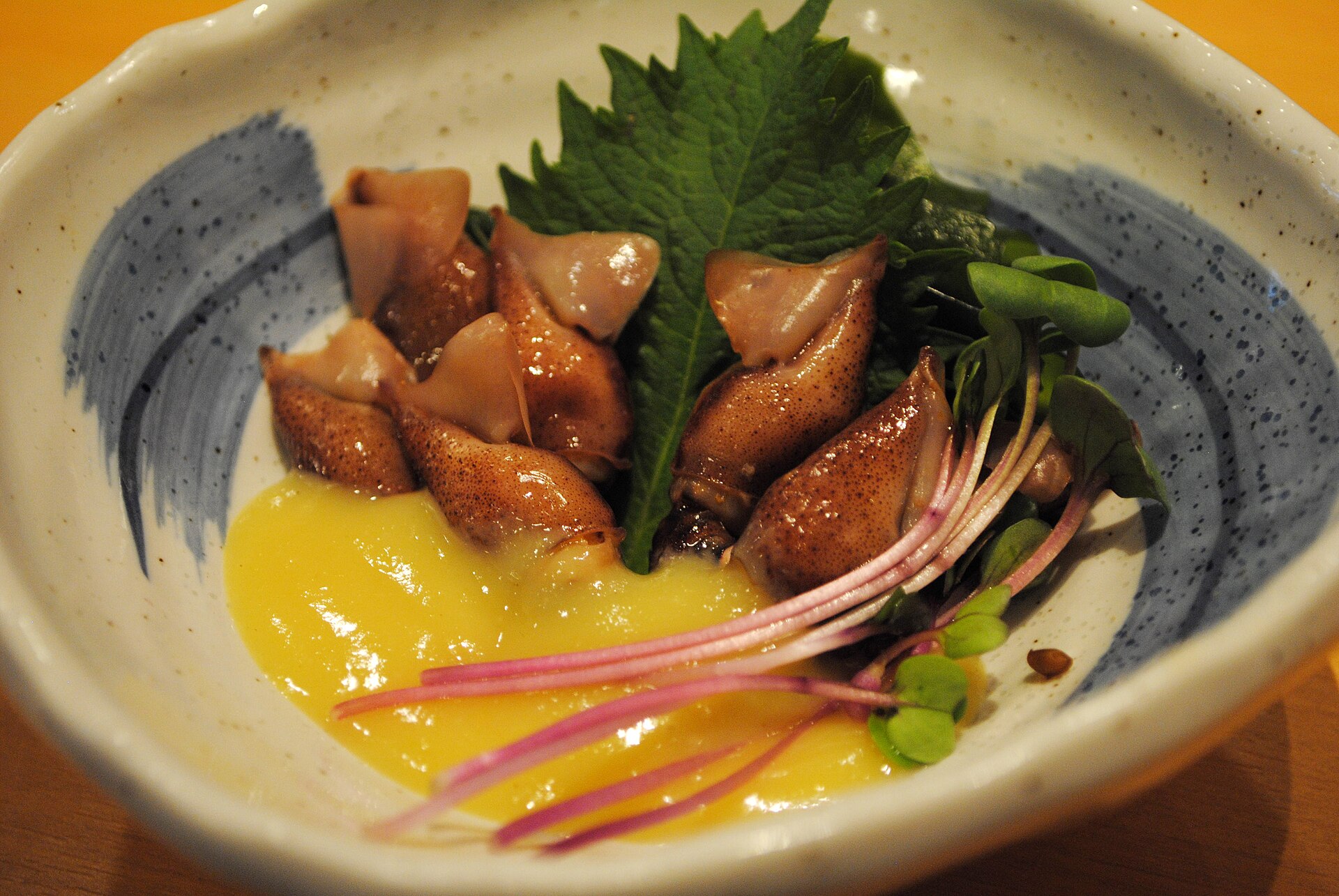
Toyama Bay Firefly Squid — Namerikawa's museum, and a boat before dawn
A protected sea, a glow show and a pre-dawn boat, all in one stop.
-
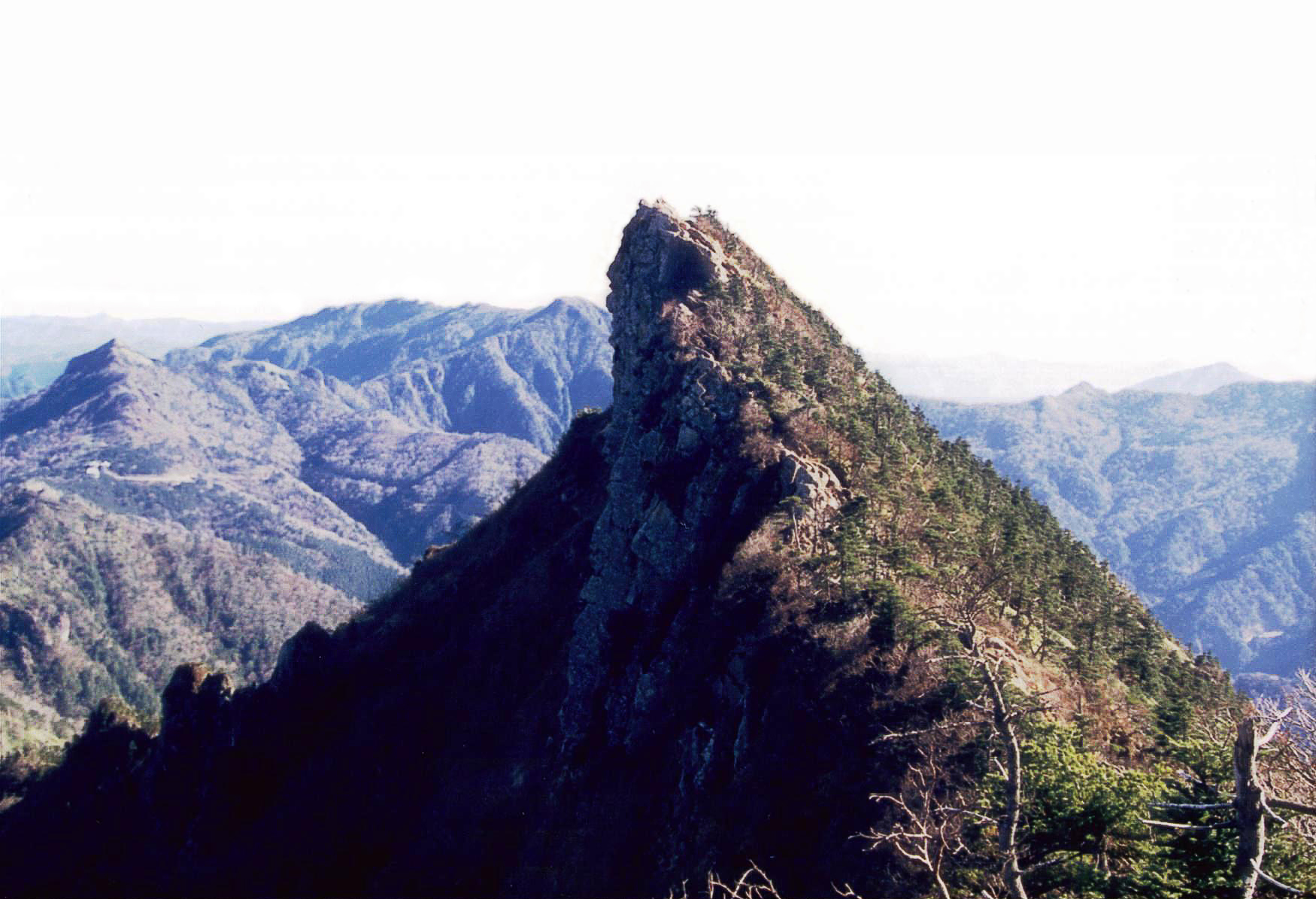
Mount Ishizuchi
Western Japan's highest peak, with ascetics' chains on the rock and a bypass beside each.
-
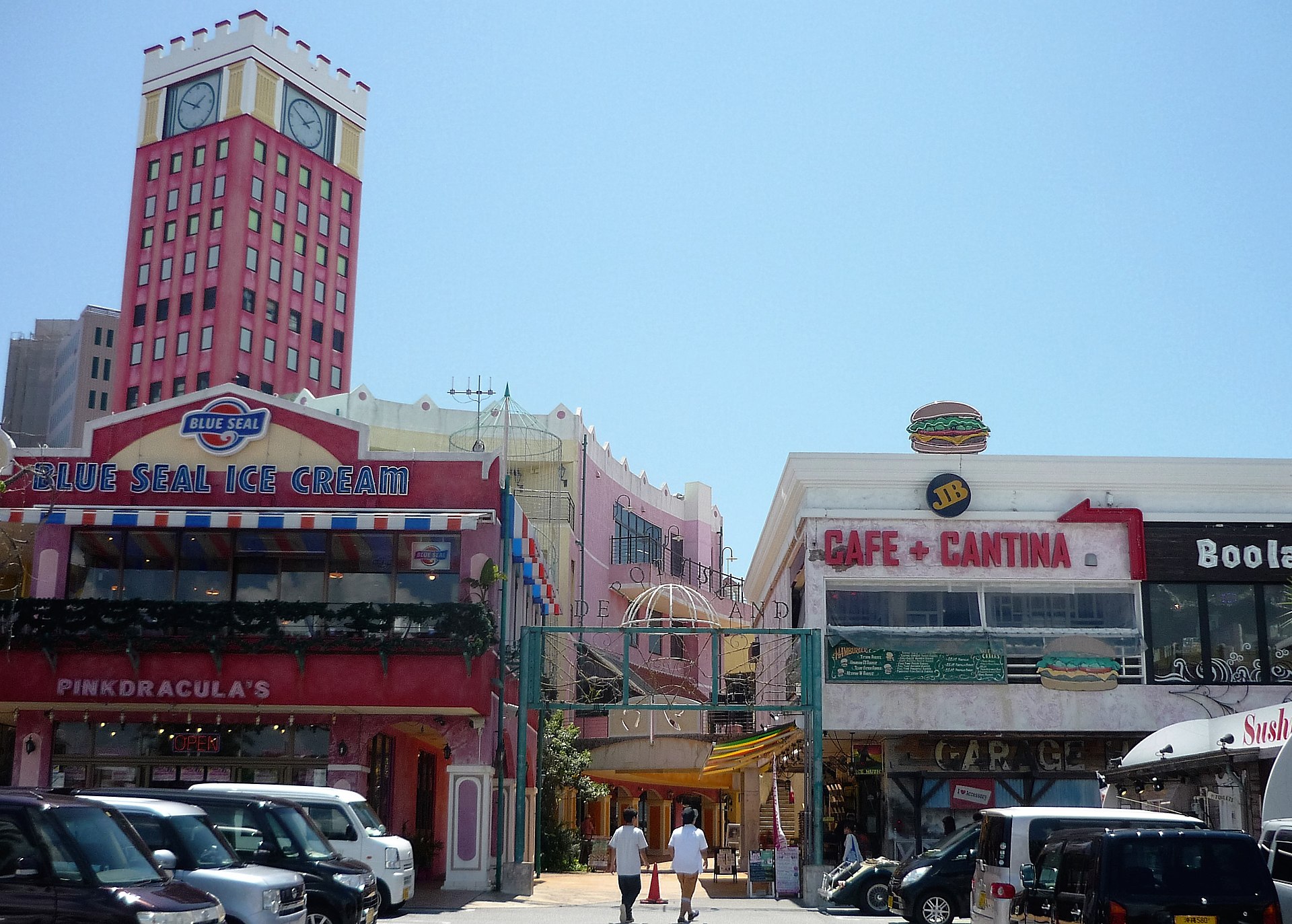
Mihama American Village — Chatan's seaside shopping and entertainment quarter
Okinawa's American-themed waterfront quarter, best walked from late afternoon into the evening.
-
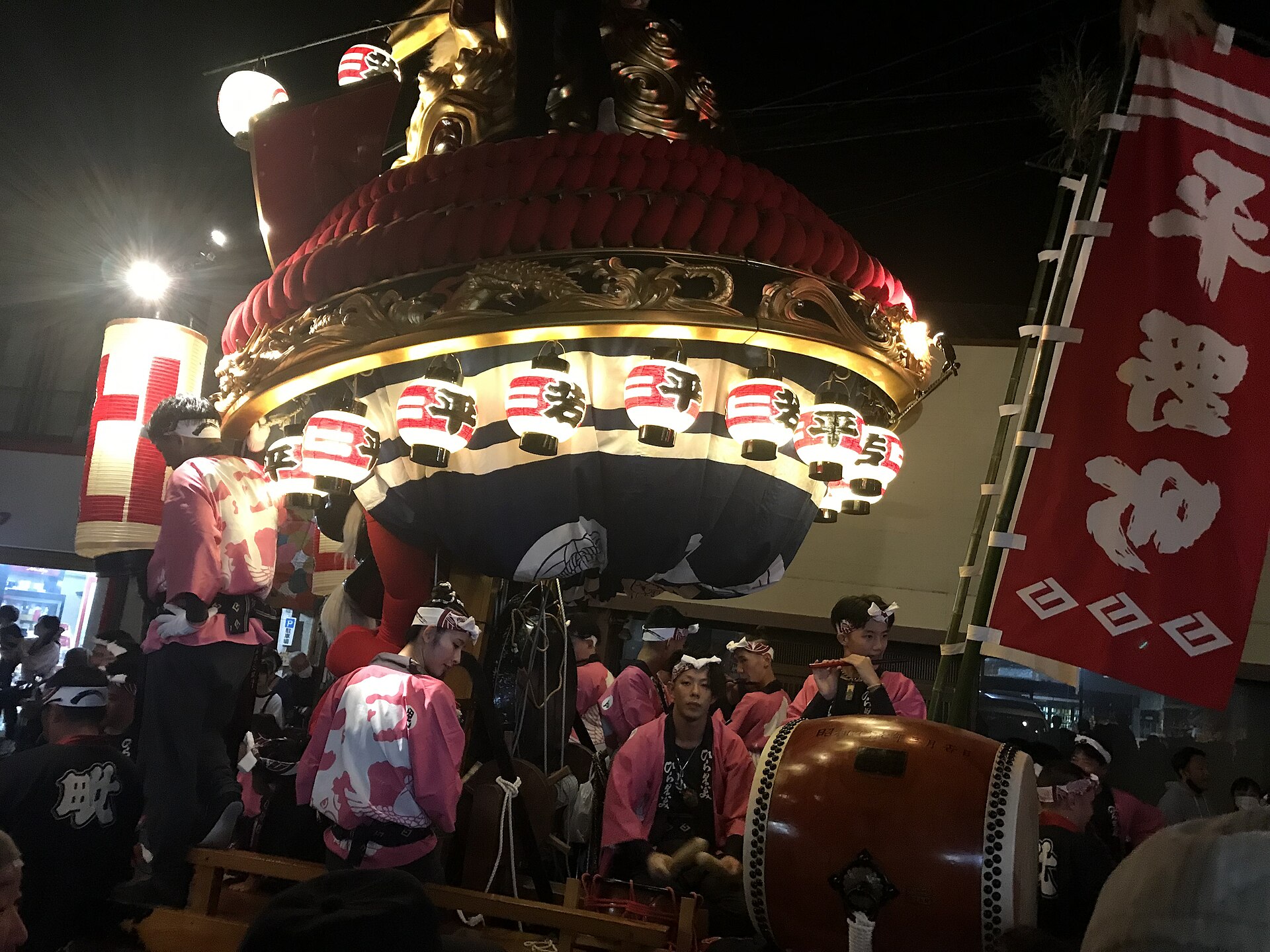
Karatsu Kunchi — Karatsu Shrine's autumn festival of lacquered floats
Lacquered floats in a castle town, and a noon haul across the sand.
-
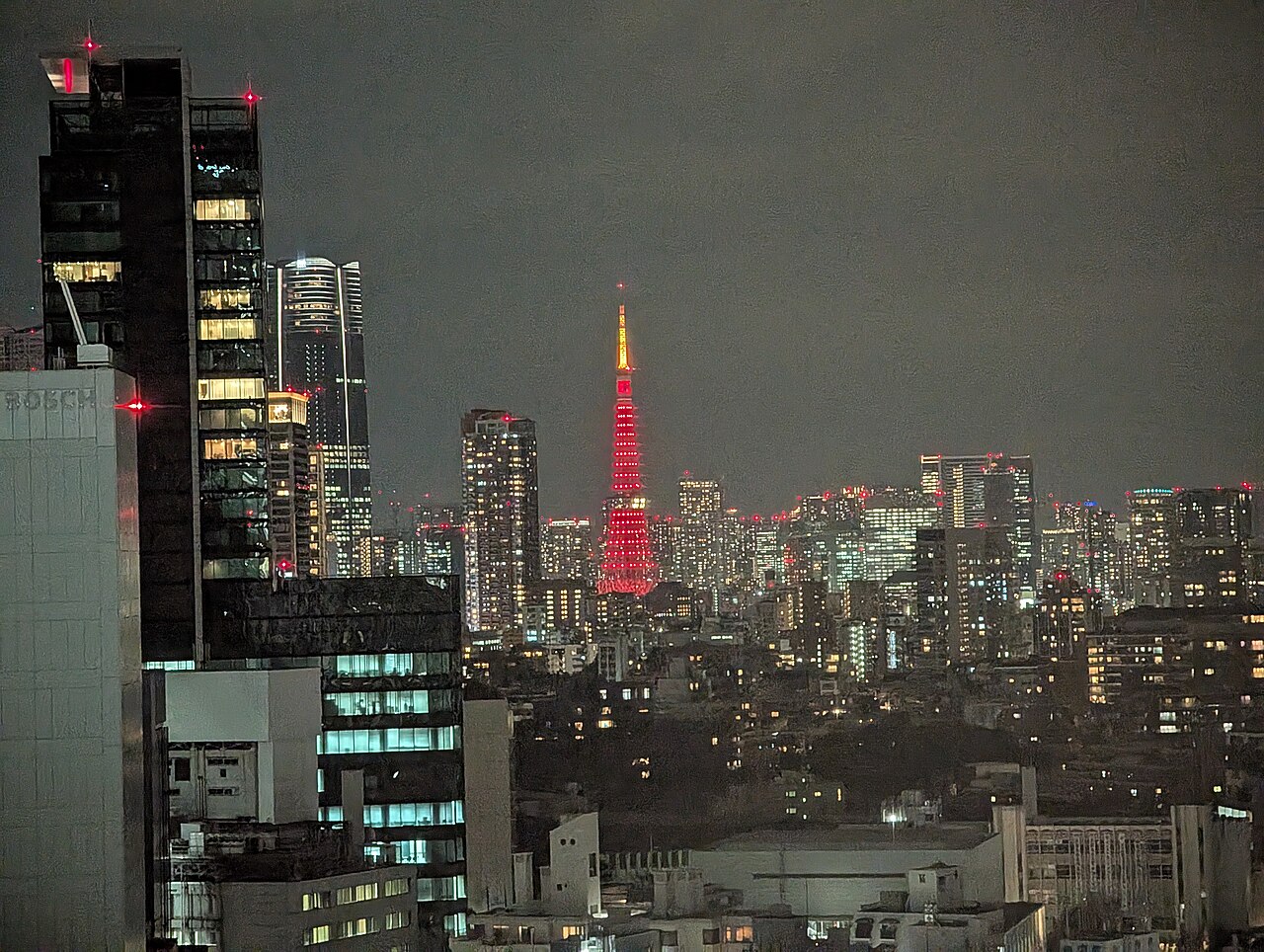
Tokyo Tower's open-air staircase
Climb Tokyo's icon on foot — 600 open-air steps through the steel, no glass between you and the city.
-
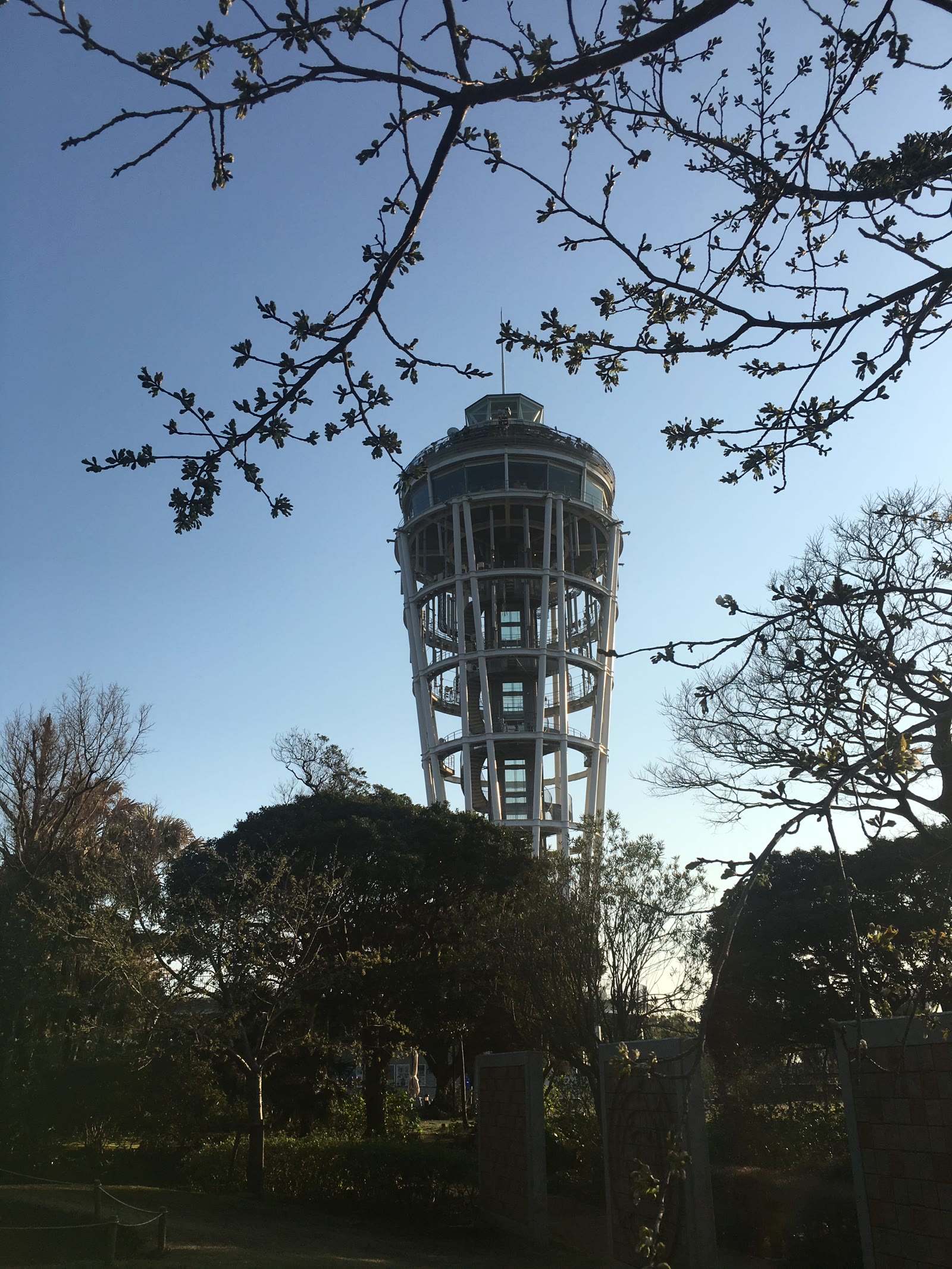
Enoshima Island
Shonan's island shrine — 1,500-year-old Benzaiten, sea caves, and a lighthouse tower with a Mount Fuji view.
-
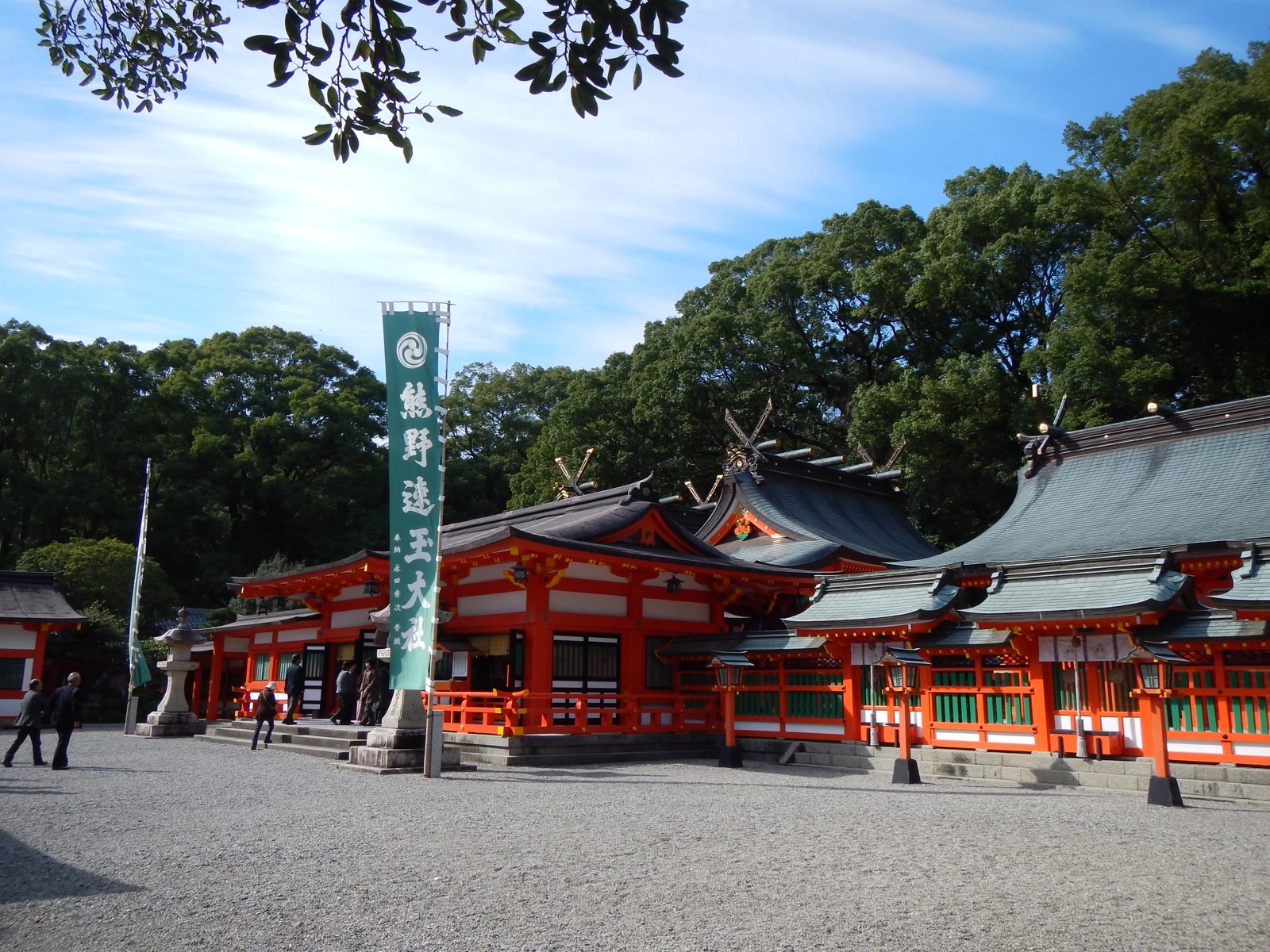
Kumano Hayatama Taisha — one of the three Sanzan pilgrimage shrines
The most train-accessible of the three Kumano Sanzan UNESCO shrines — the ancient nagi tree and the vermilion halls are the heart of a Kii Peninsula pilgrimage.
-
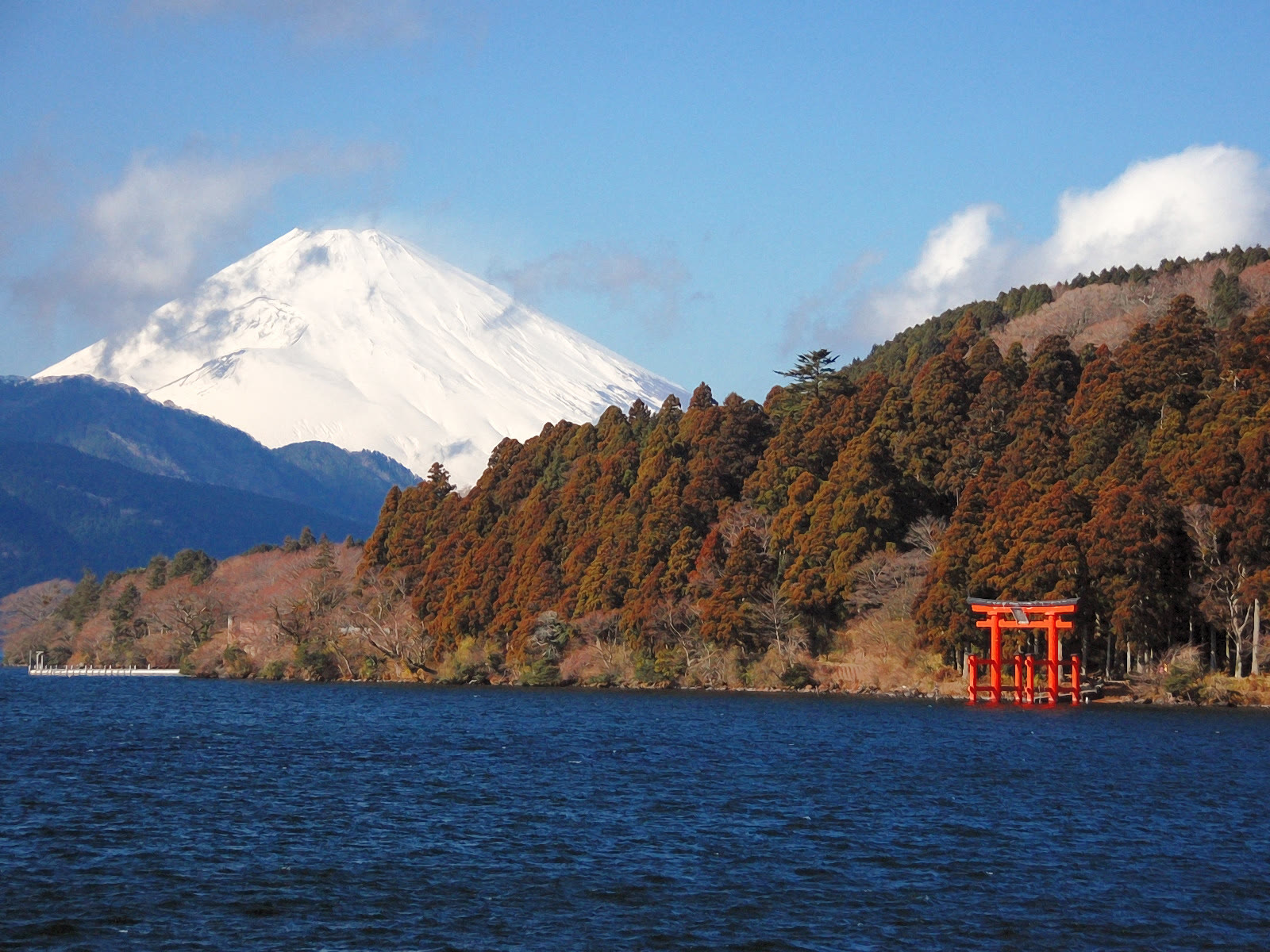
Lake Ashi
Hakone's most photographed scene — best on a clear autumn morning when Fuji rises behind the red torii gate. Board at Moto-Hakone-ko.
-
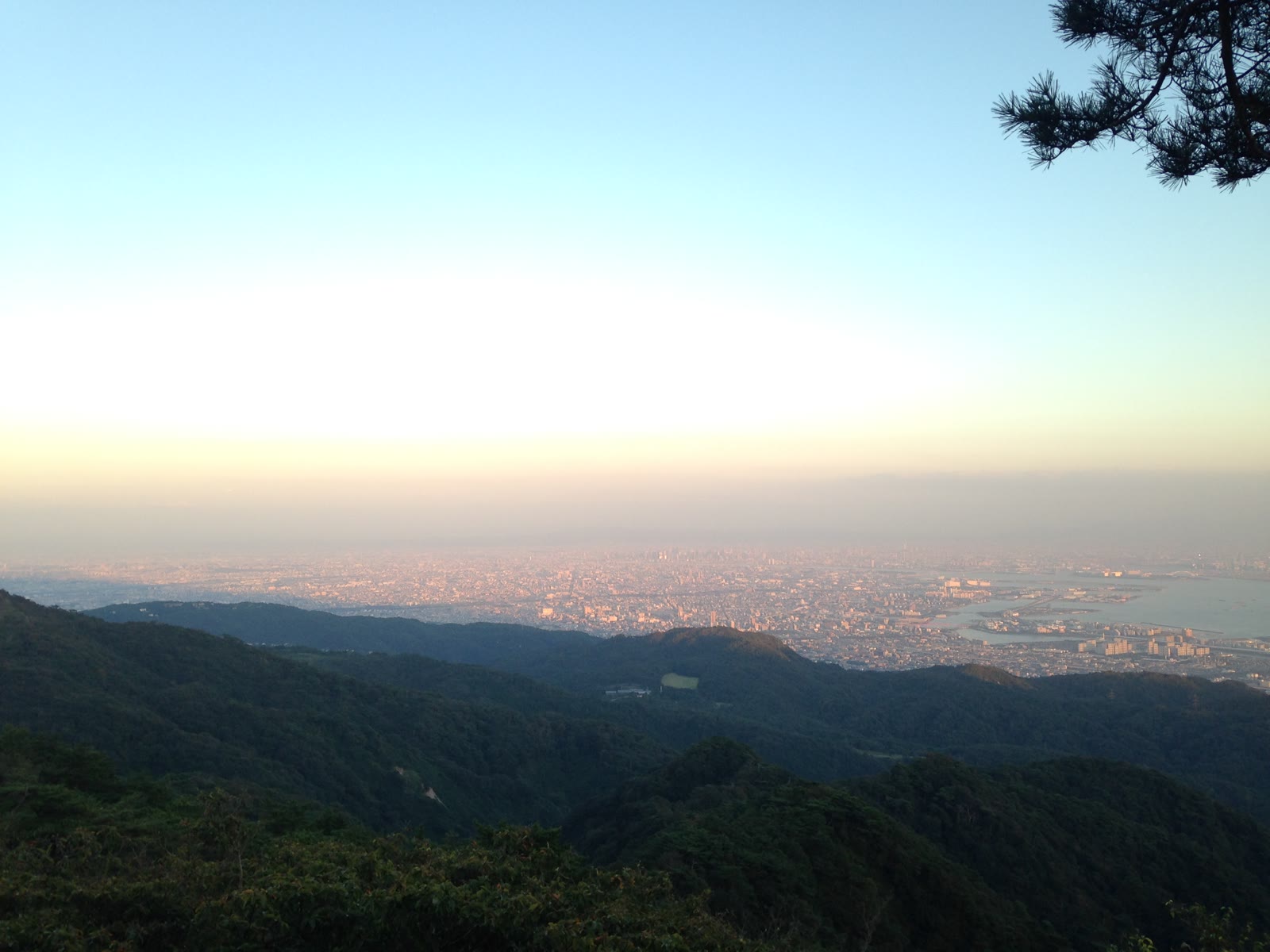
Mount Rokko
Kobe's celebrated 'ten-million-dollar' night panorama, spreading city lights and the harbour across the entire Hanshin corridor.
-
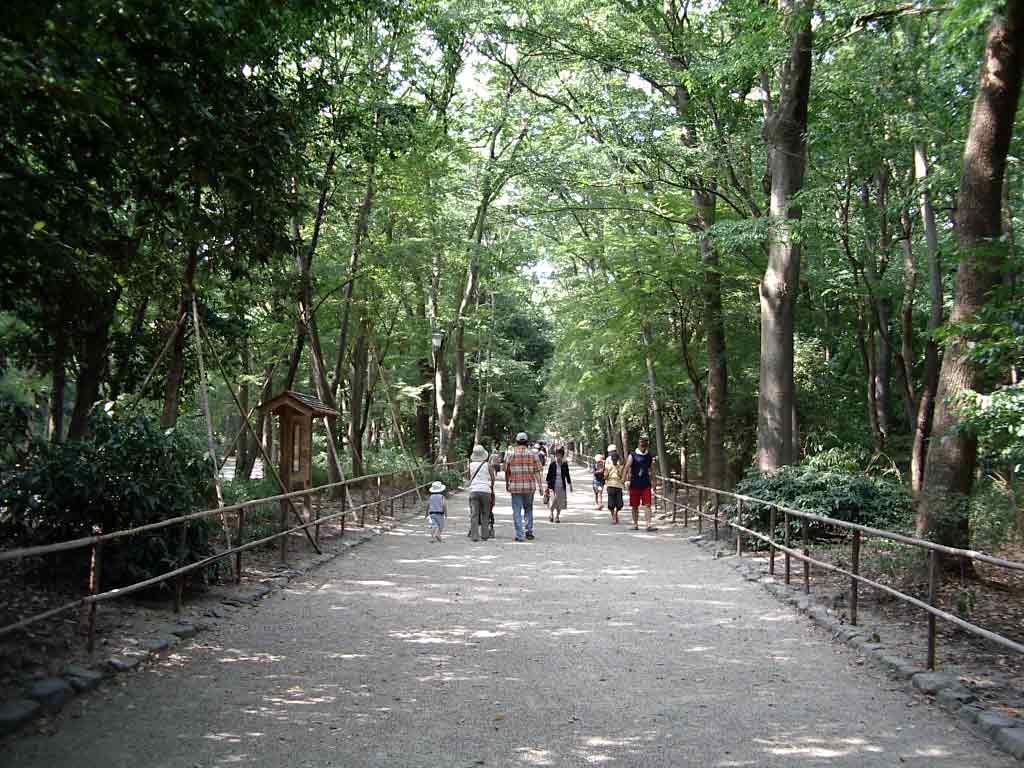
Shimogamo Shrine
A UNESCO shrine reached by walking a primeval city forest — the approach through the trees is the defining experience.
-
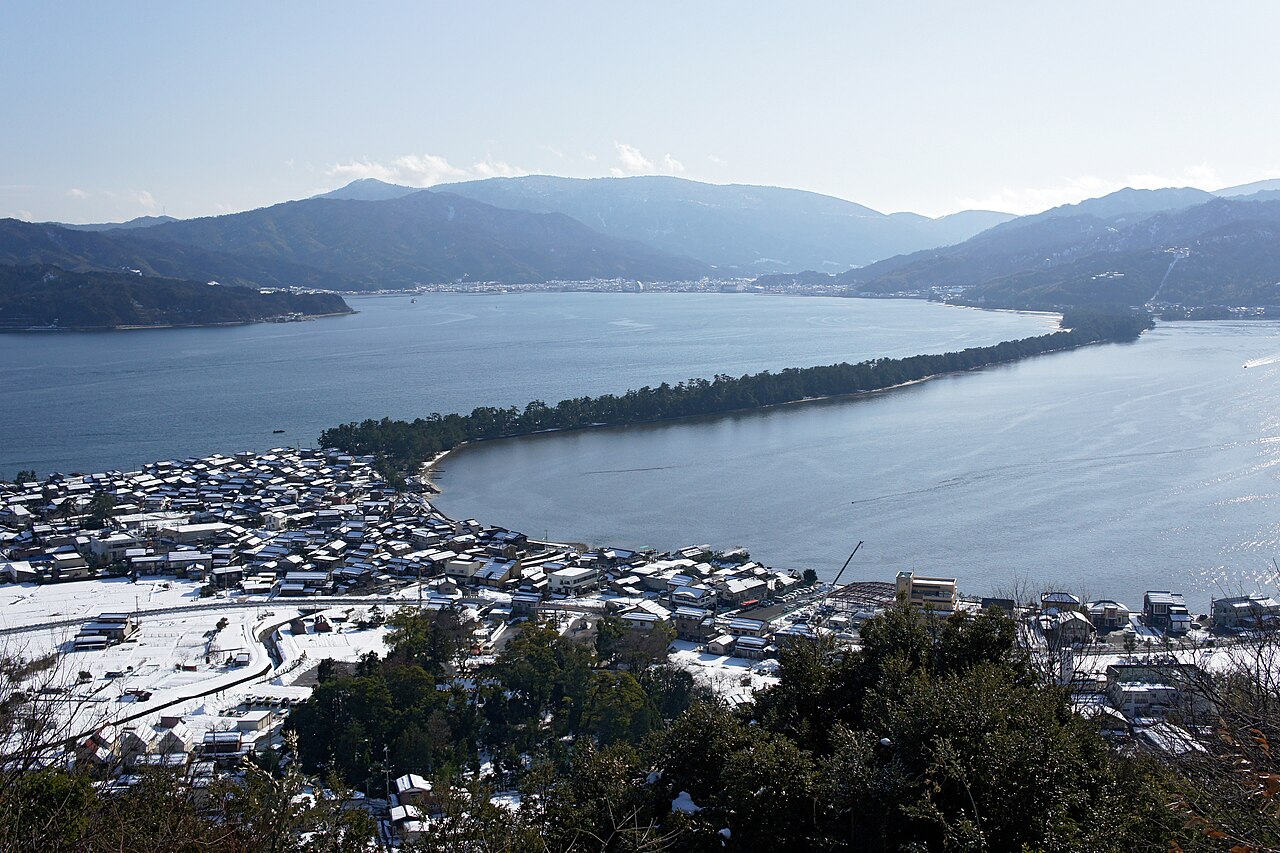
Amanohashidate — the pine sandbar across Miyazu Bay
One of Japan's Three Scenic Views, and the only one you can walk across — a 3.6 km pine sandbar on Kyoto's sea coast, two hours north of the city.
-
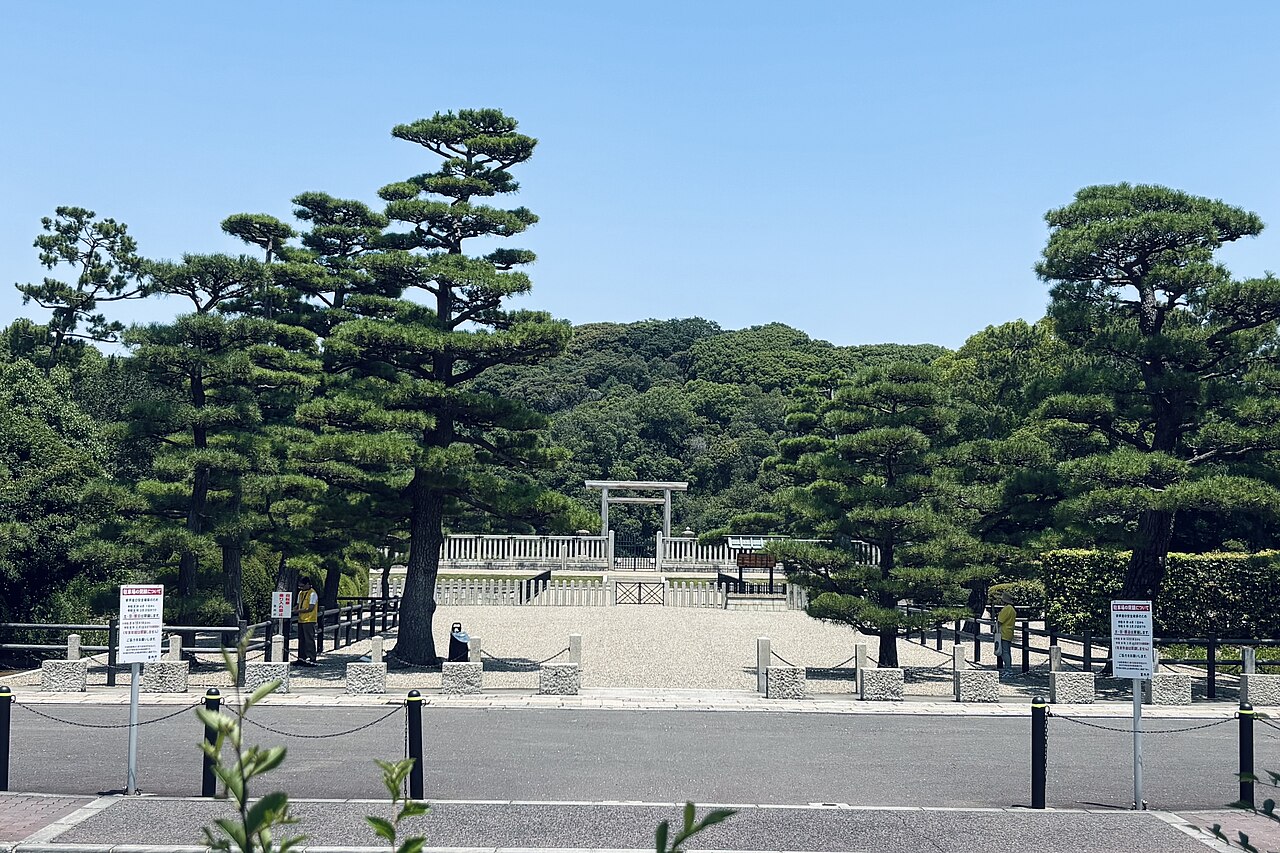
Nintoku Mausoleum
The largest tomb on earth by footprint, and you will never see its shape — the visit is a wall of trees across water, and a plan you carry in your head.
-
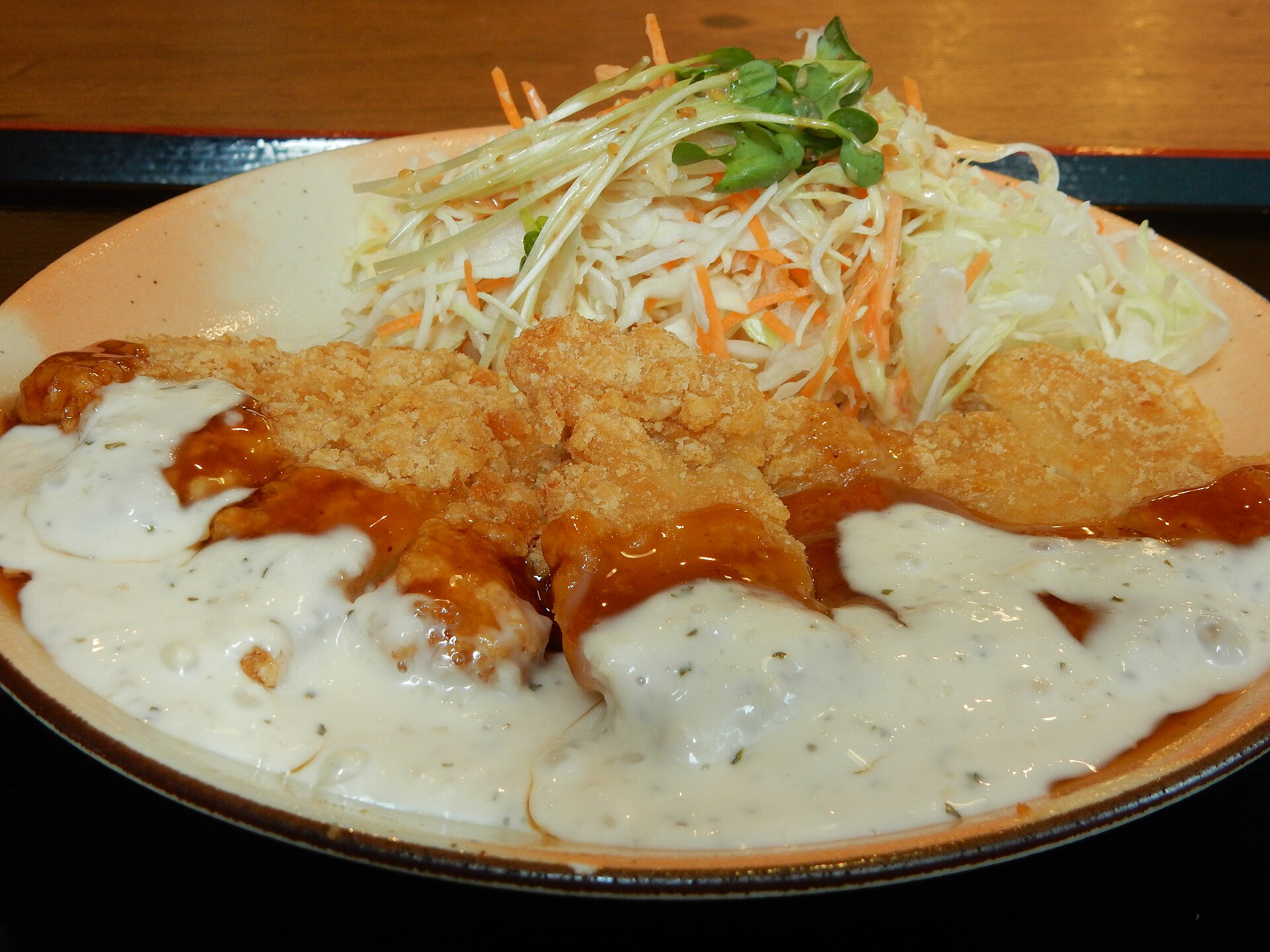
Chicken Nanban — Nobeoka's fried chicken in sweet vinegar
The birthplace of a dish the whole country eats, plus the valley's own produce hall on the way.
-
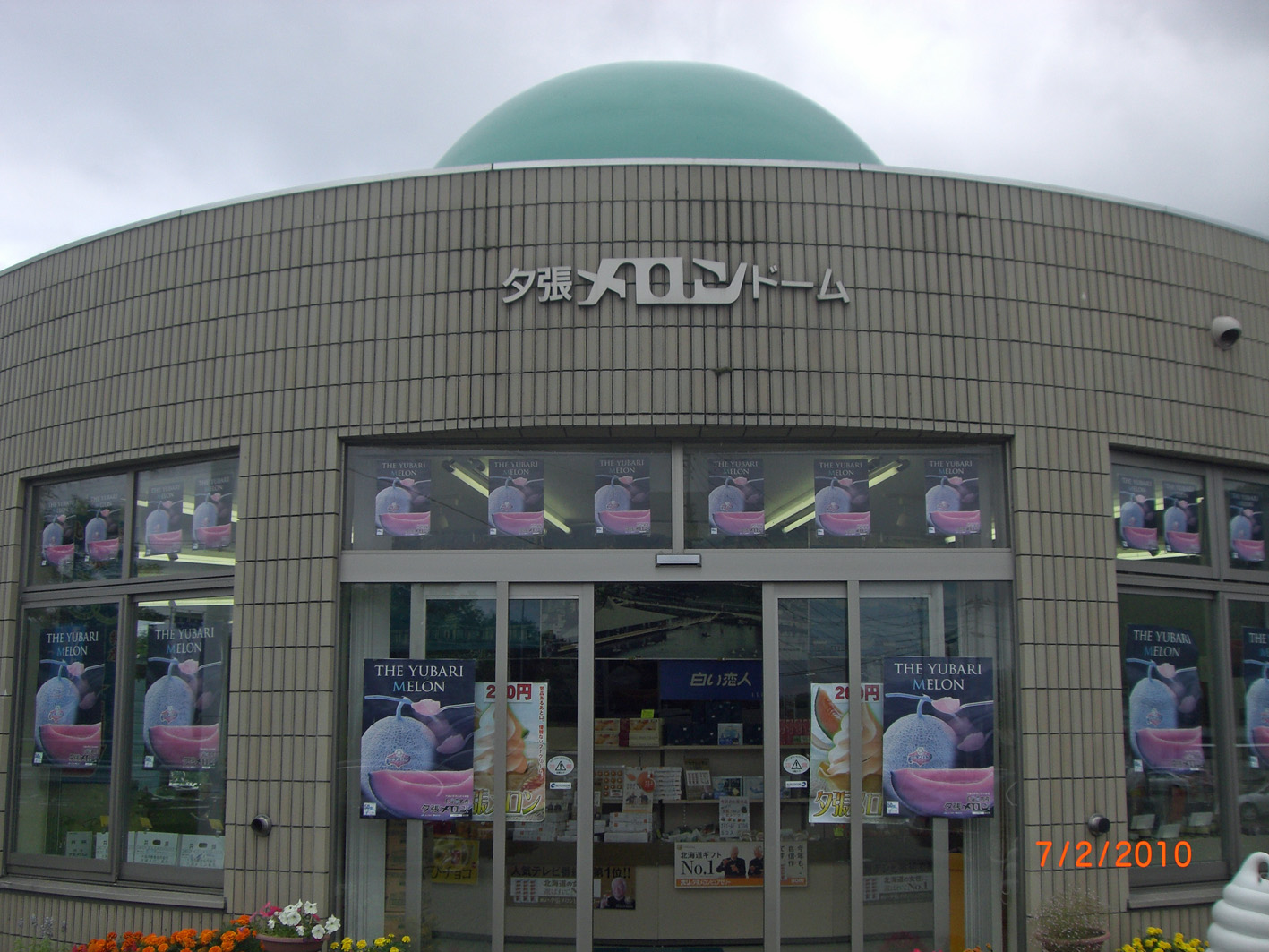
Yubari Melon
Japan's most famous melon, bought where the co-operative grades it.
-
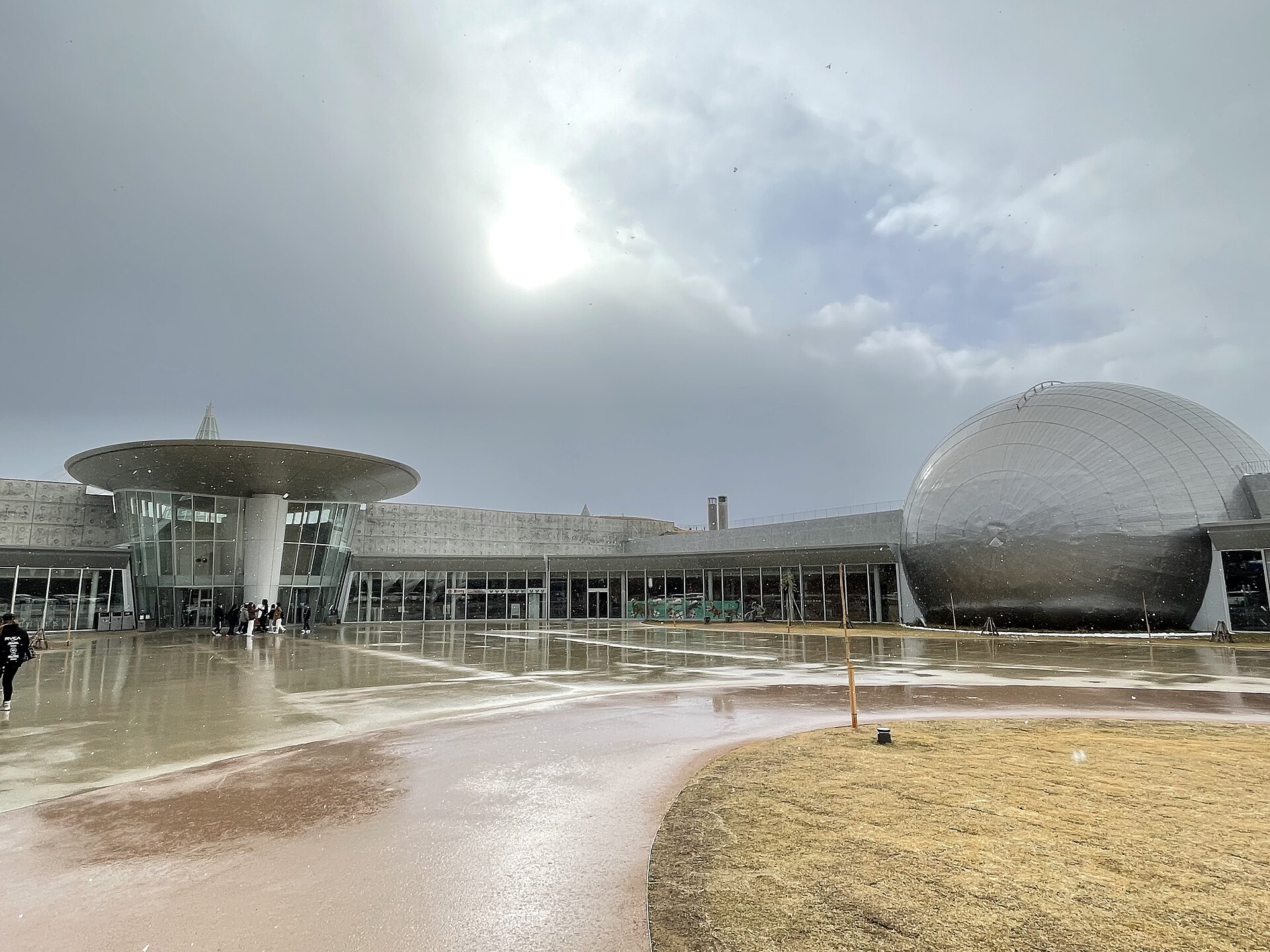
Fukui Prefectural Dinosaur Museum
The dinosaurs of this valley, mounted and standing under one dome.
-
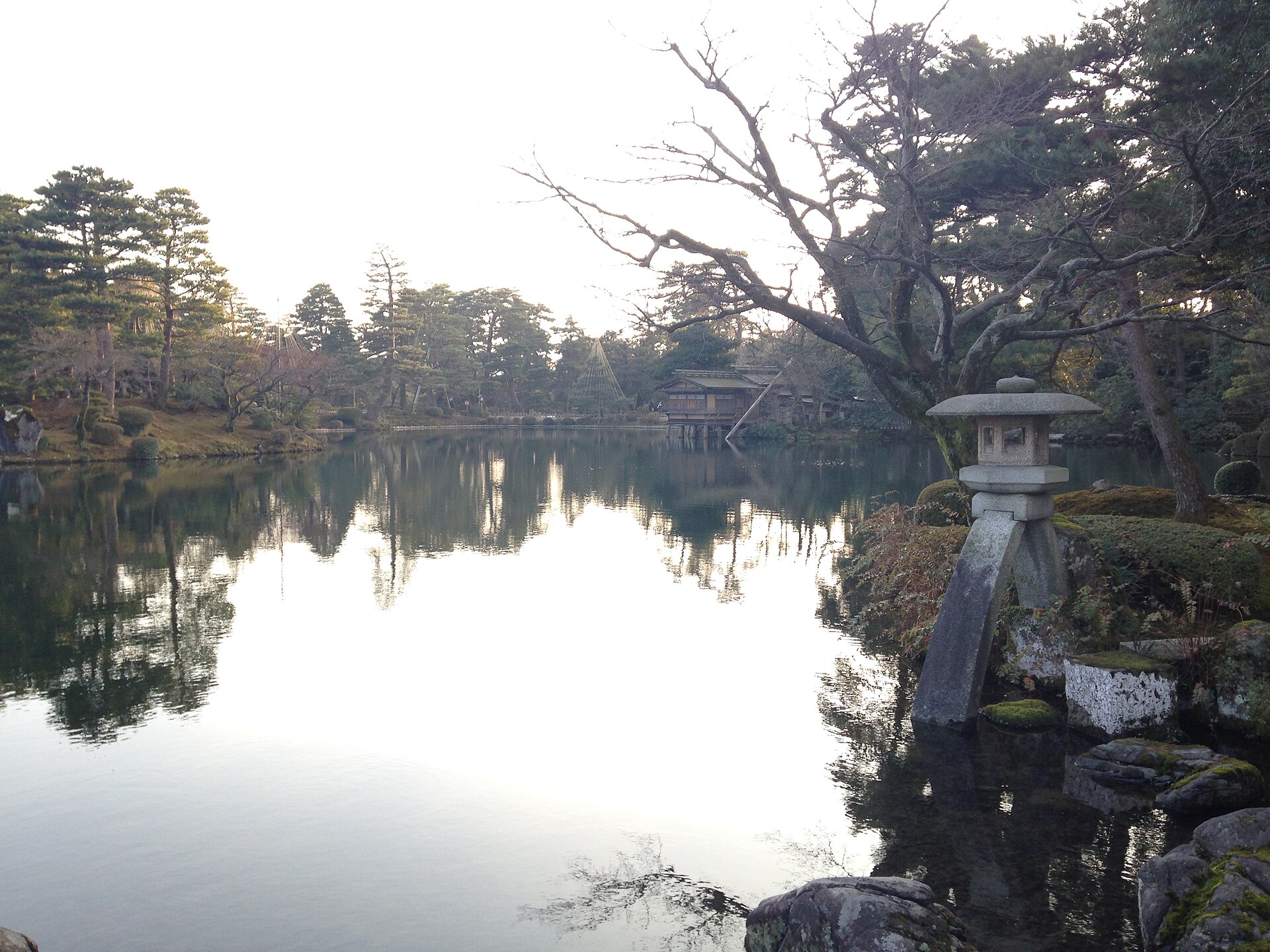
Kenrokuen Garden
Japan's most famous strolling garden, and it is free for the two hours before it opens.
-
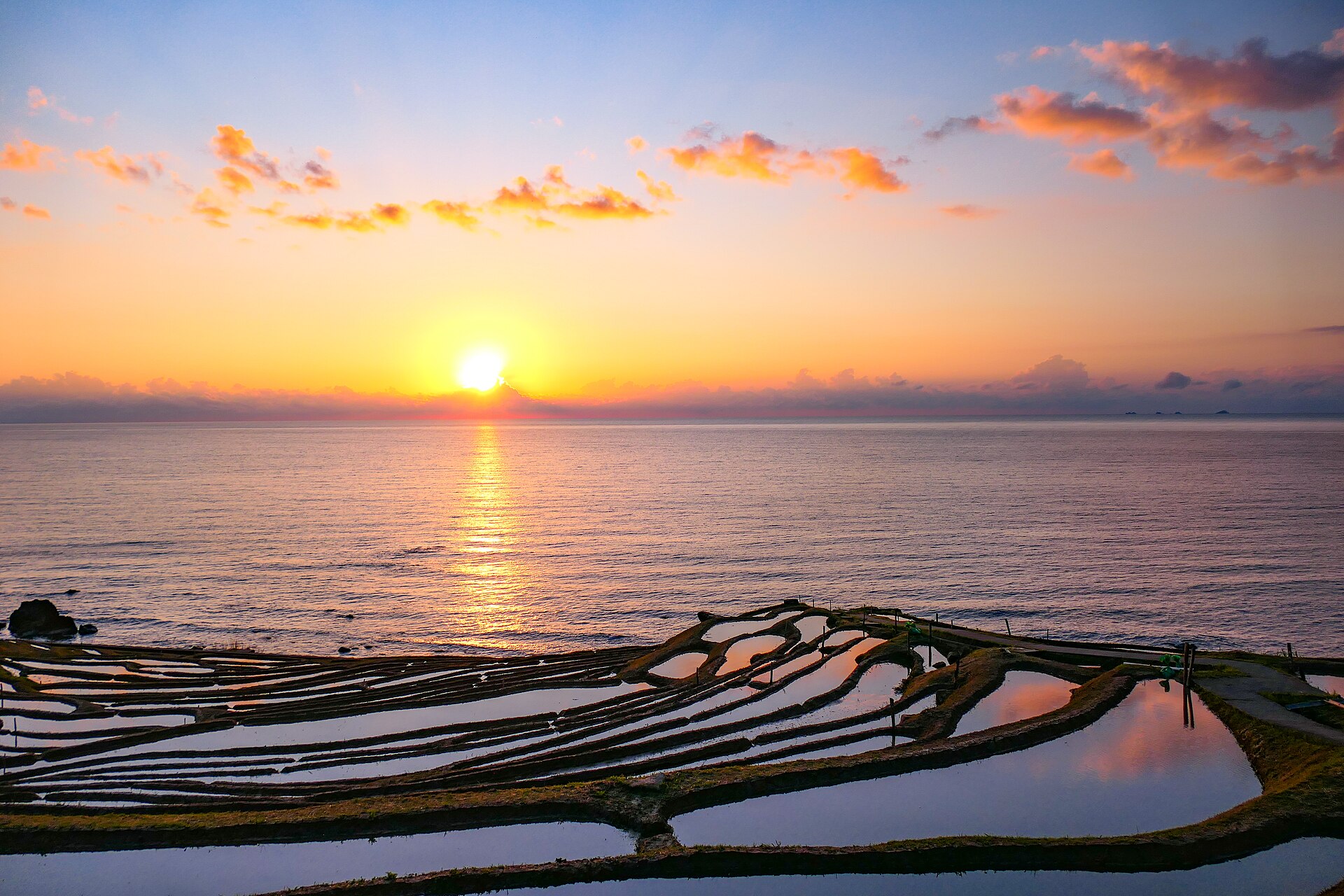
Shiroyone Senmaida — Rice terraces stepping into the Sea of Japan
A working field shaped by the coast, best in the last hour of light.
-
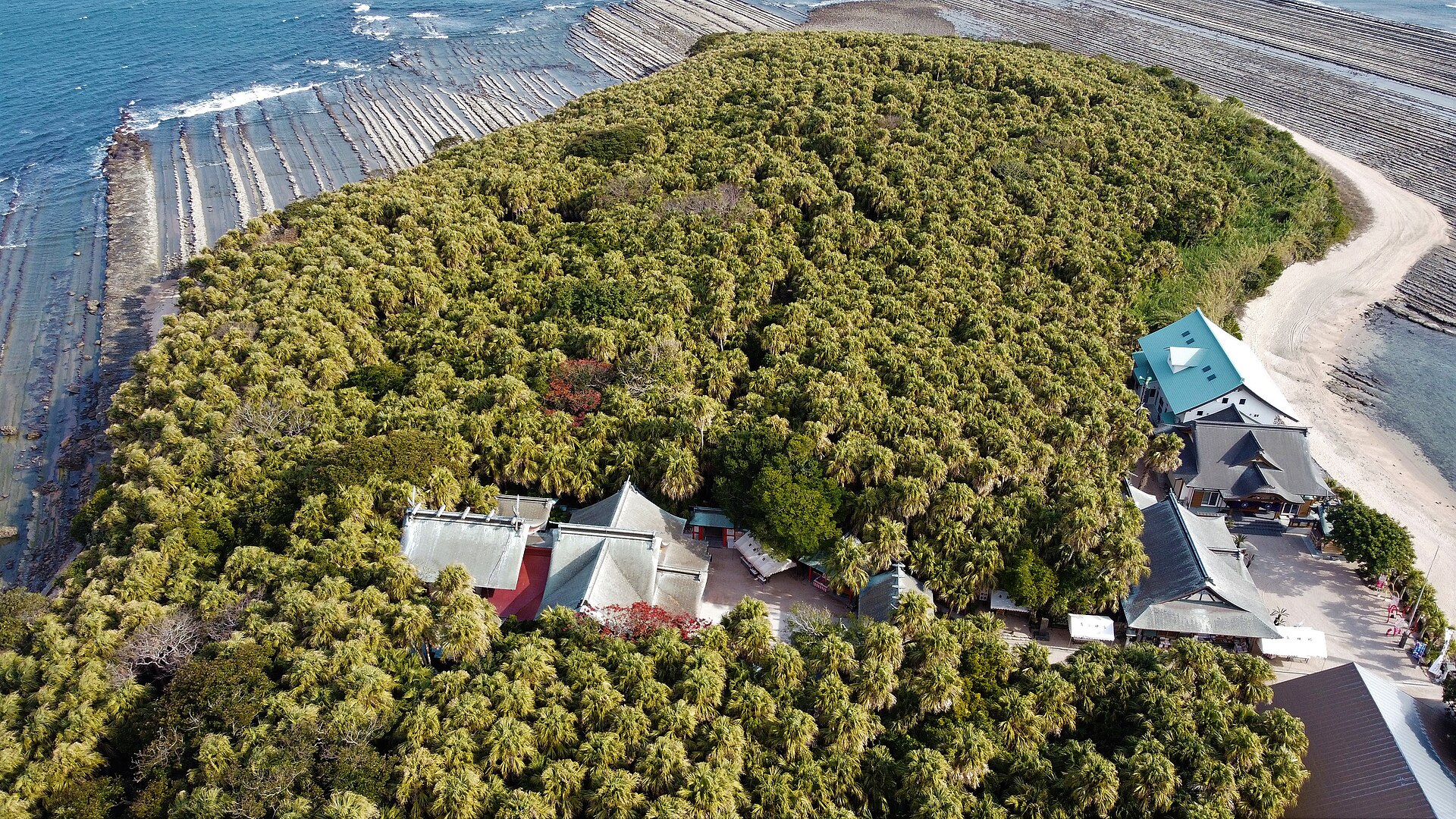
Aoshima Shrine — An island shrine ringed by wave-cut rock
A whole island serving as one shrine, with a rock shelf that changes by the hour.