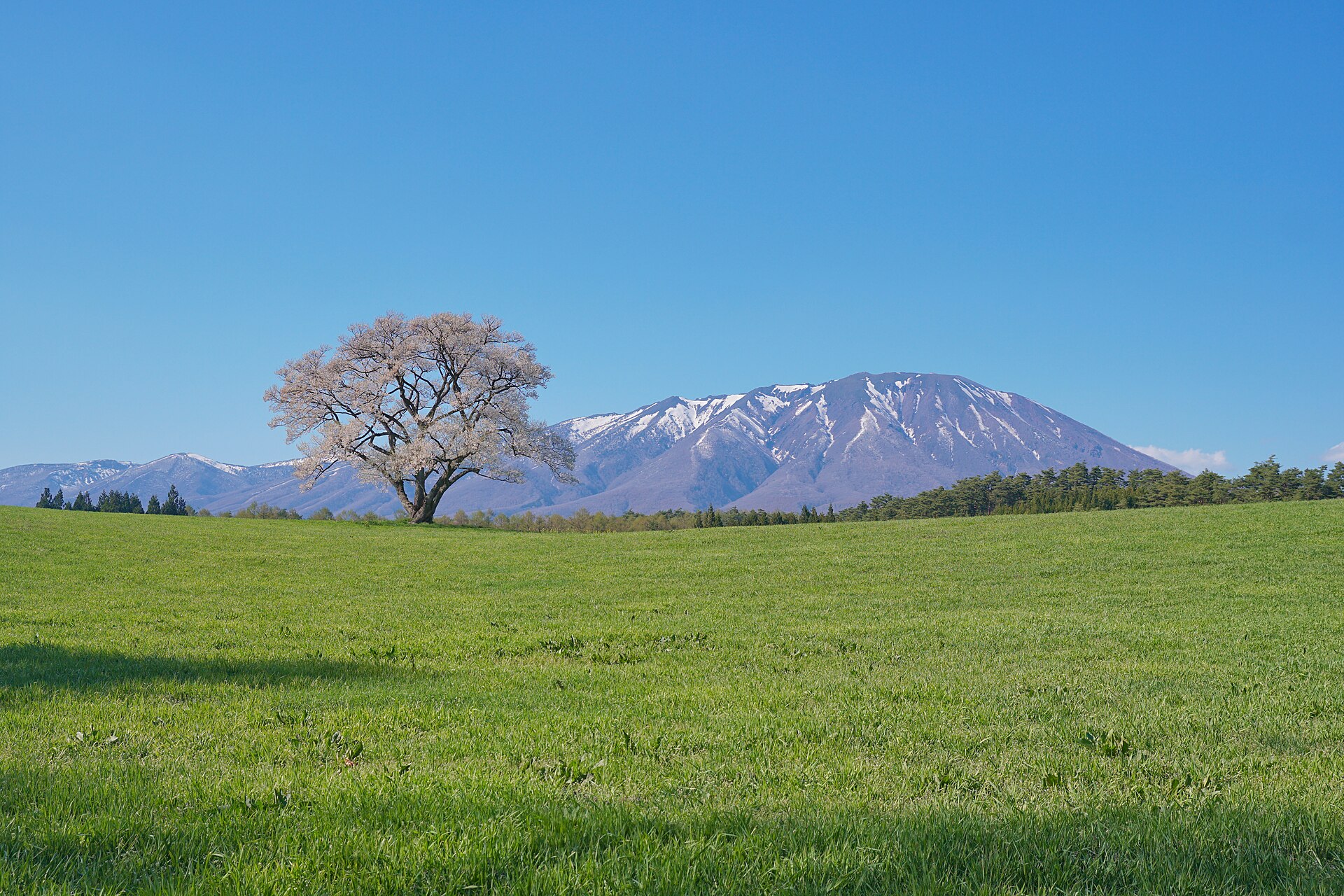
 Koiwai Farm · Iwate → 掬茶 / CC BY-SA 4.0
 Spring
Blossom season, without the crush
50 places for spring — the editors' six first, then the rest by rating.
50 places
The editors' six
The rest, by rating
-
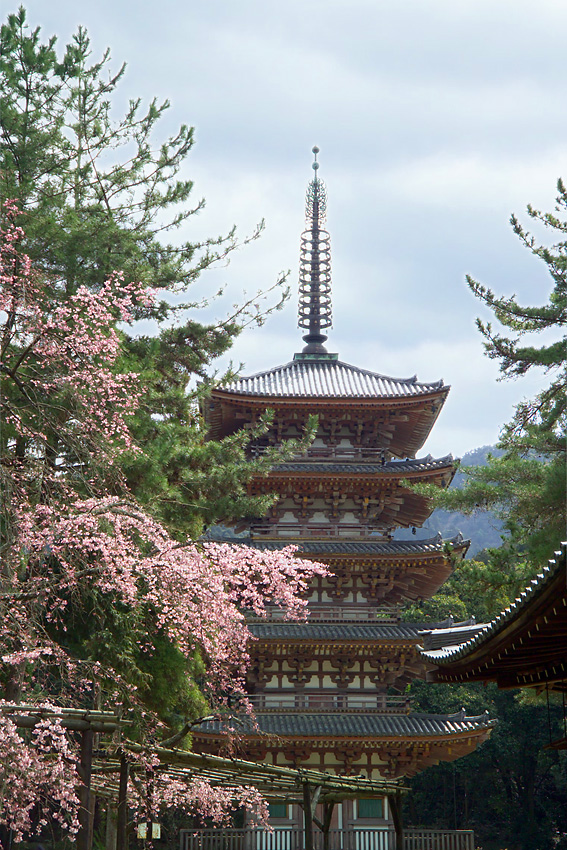
Daigo-ji Temple
Kyoto's oldest wooden structure — a 951 CE pagoda surrounded by cherry trees with a 400-year-old pedigree.
-
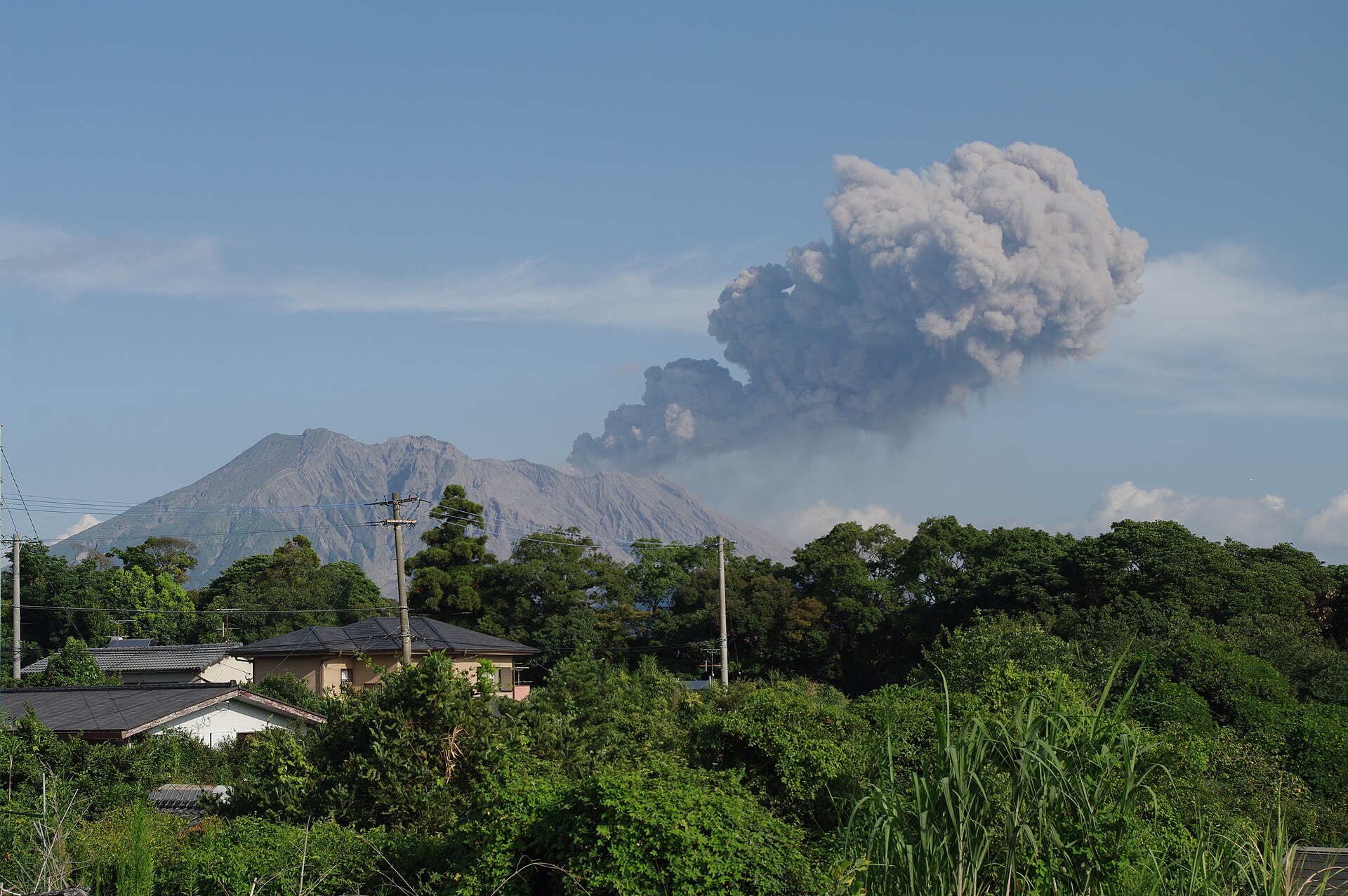
Sakurajima — The working volcano across the bay from the city
A live volcano reached on a city ferry, with a free foot bath at the foot of it.
-
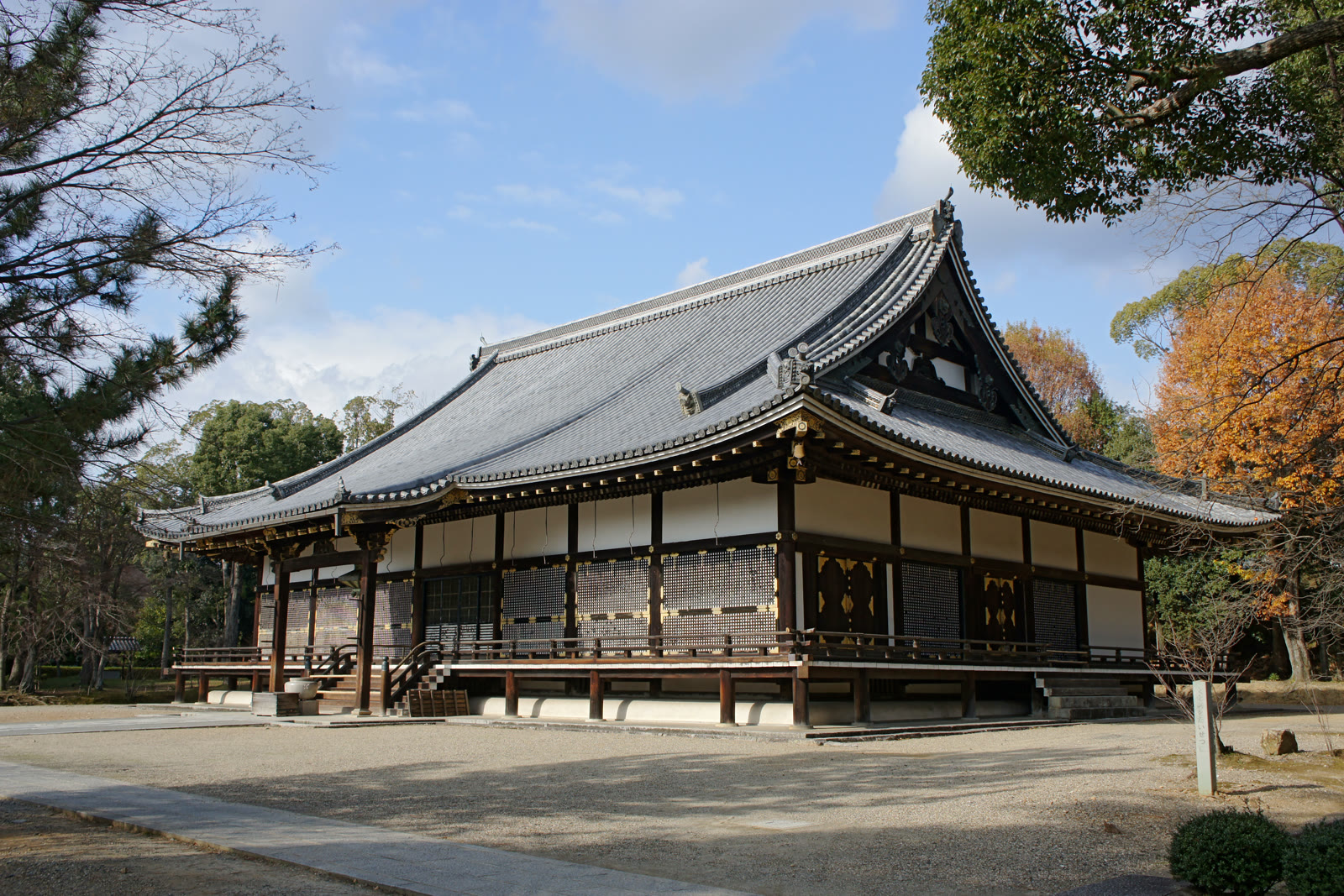
Ninna-ji Temple
Kyoto's last cherries of the season — the Omuro trees bloom at eye level in mid-April, backed by a 1644 pagoda.
-
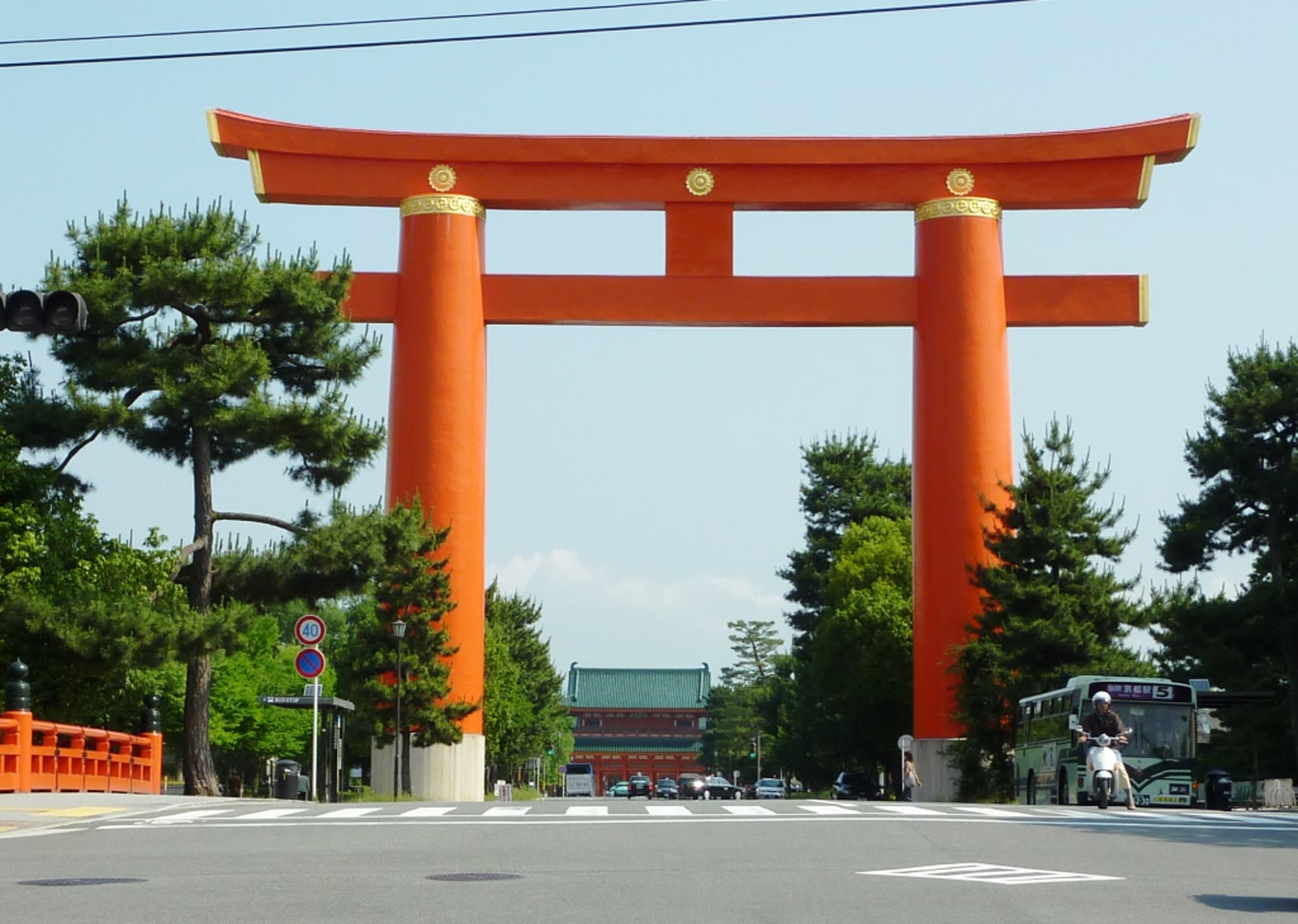
Heian-jingu Shrine
One of Kyoto's grandest shrine courtyards, free to enter, with four nationally designated gardens that bloom in every season.
-
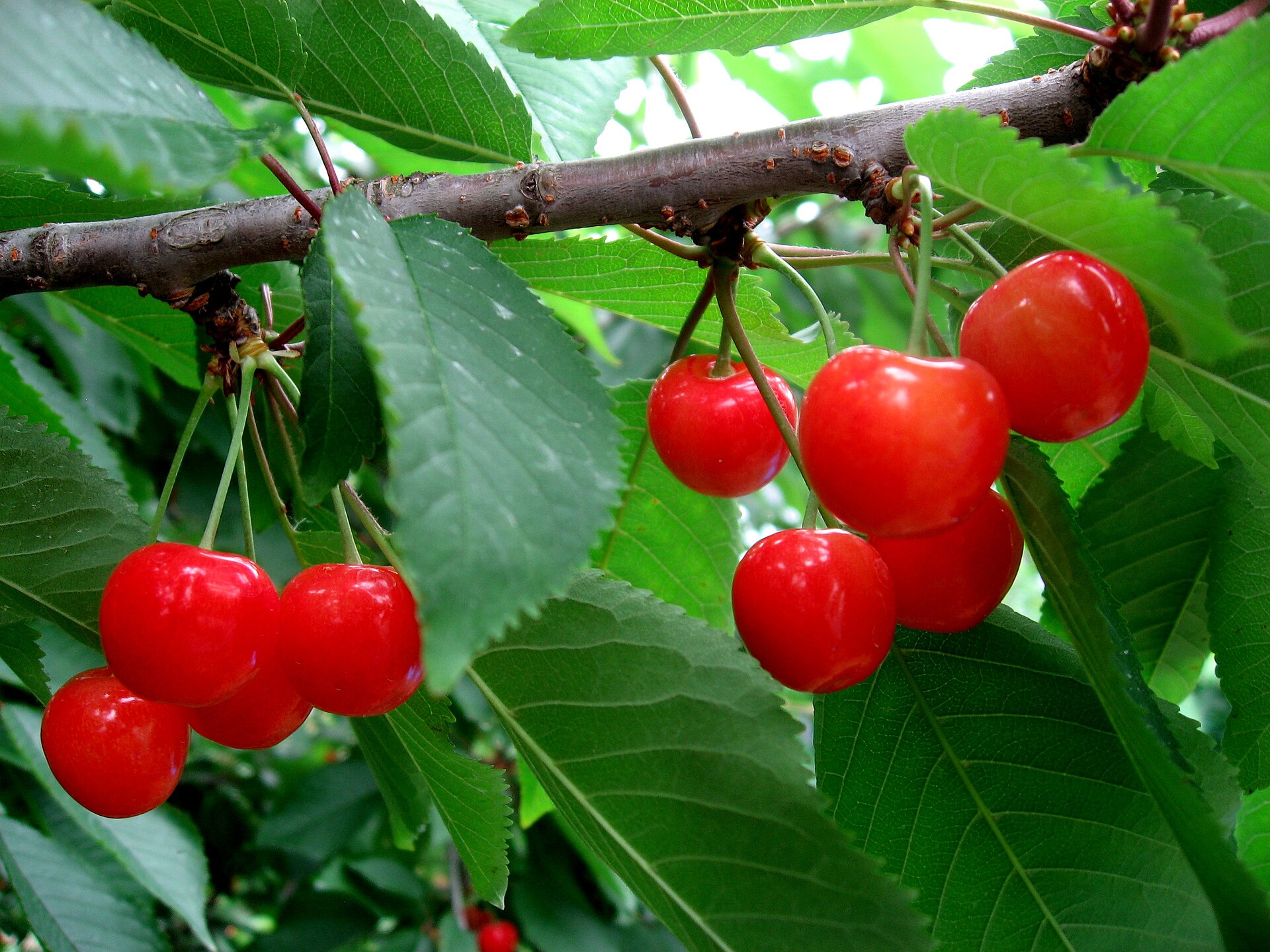
Yamagata Cherries
Japan's cherry country, with the fruit sold, explained and picked in one stop.
-
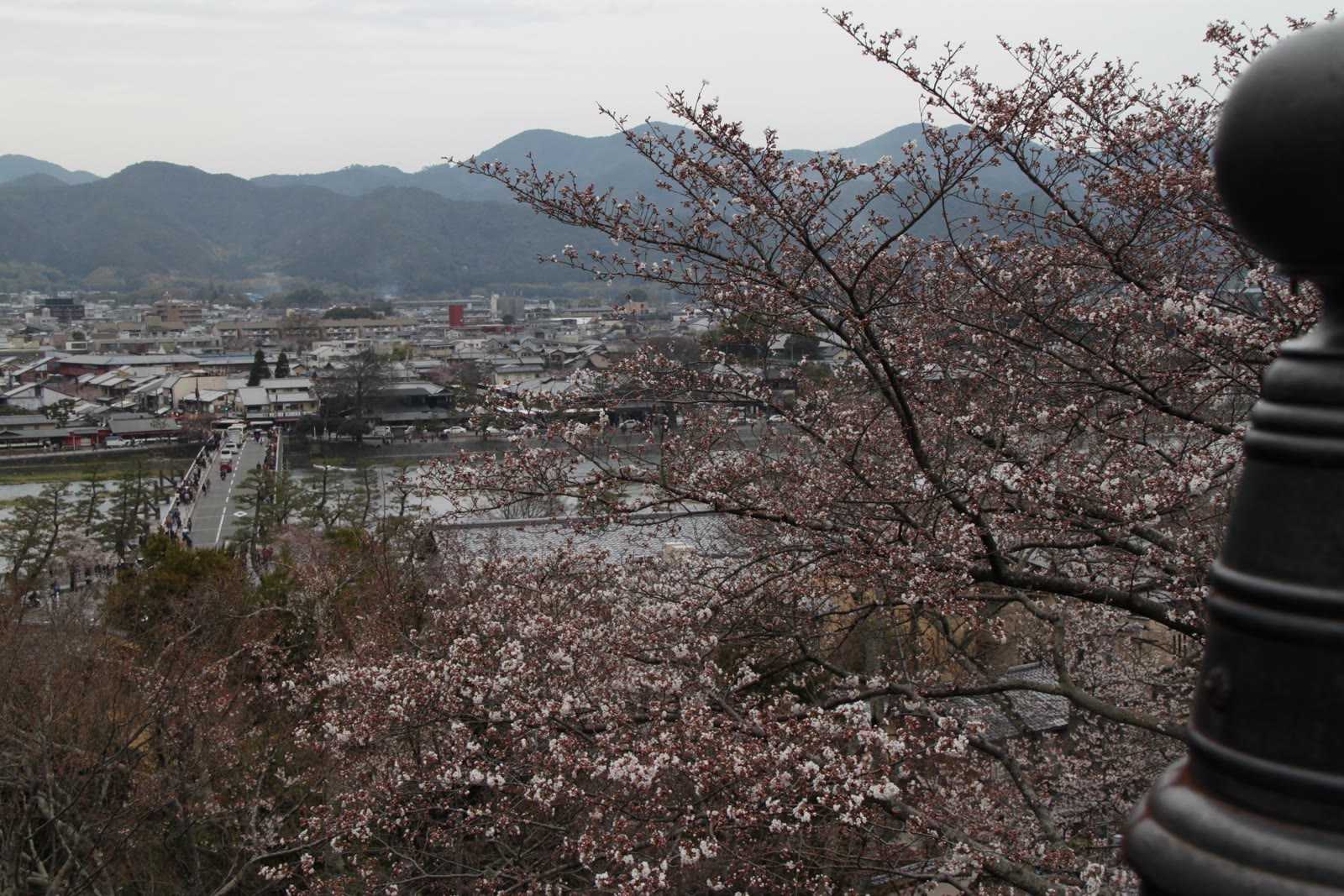
Togetsukyo Bridge
Kyoto's most iconic mountain river crossing — free to walk across at any hour, framed by cherry blossoms in spring and red maples in autumn.
-
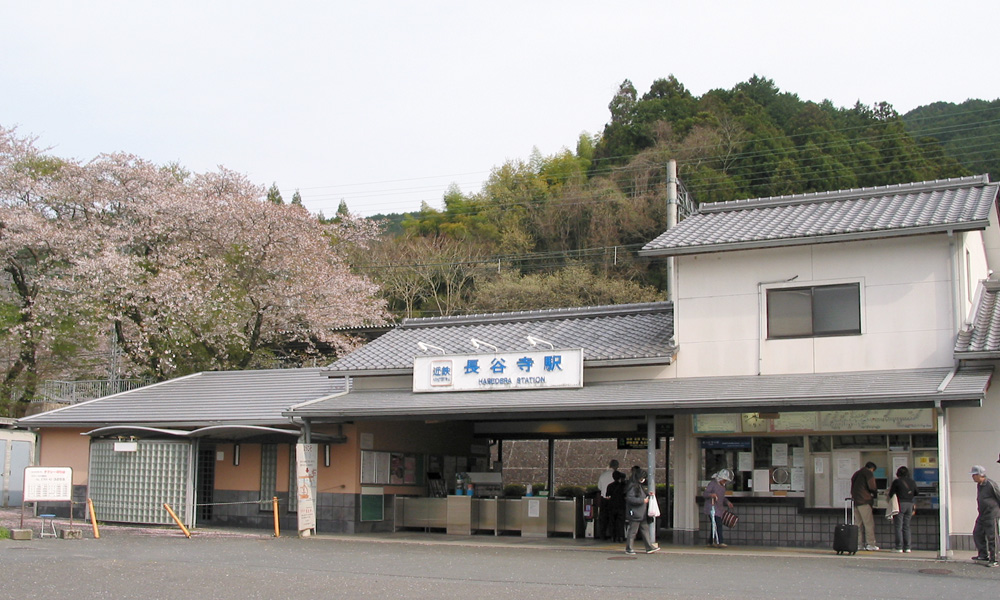
Hasedera Temple
The Temple of Flowers in Yamato — 399-step covered stairway, cliff-edge main hall, and one of Japan's largest wooden Kannon statues. 50 min from Osaka on Kintetsu.
-
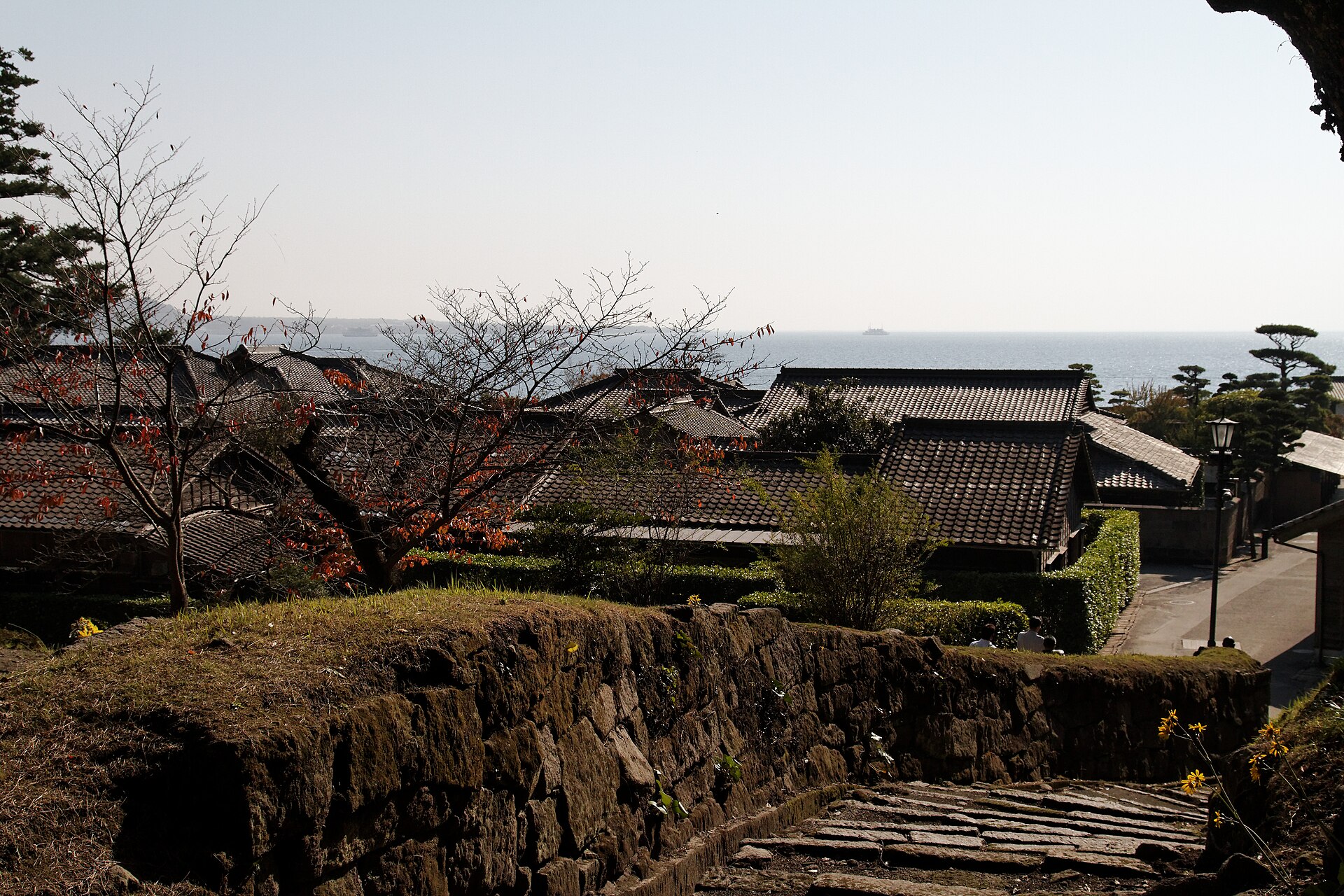
Sengan-en — The Shimazu lords' garden with Sakurajima borrowed in
A garden that borrows an active volcano, with a World Heritage furnace in the grounds.
-
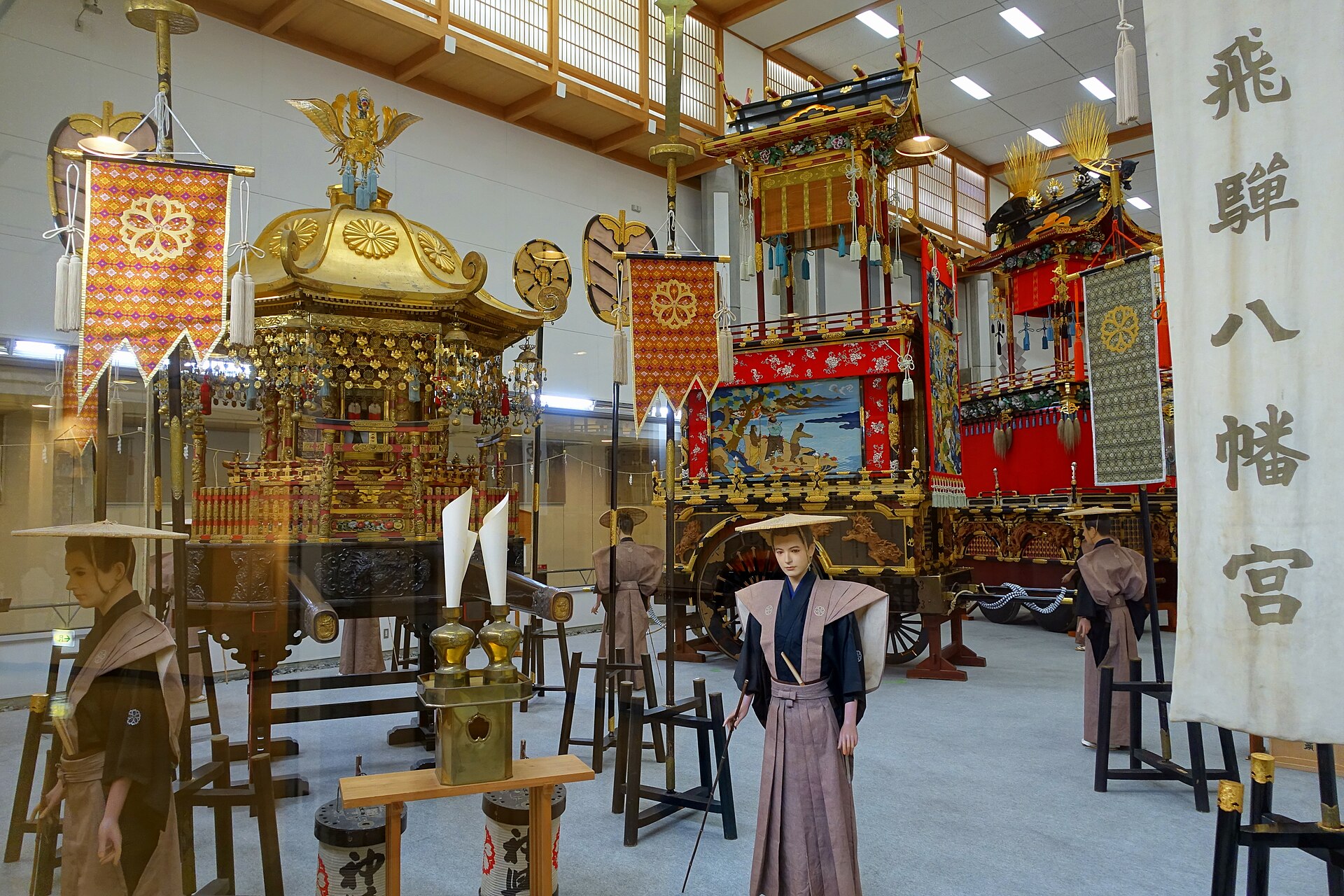
Takayama Festival Floats Exhibition Hall
Real Takayama festival floats, up close on any day of the year.
-
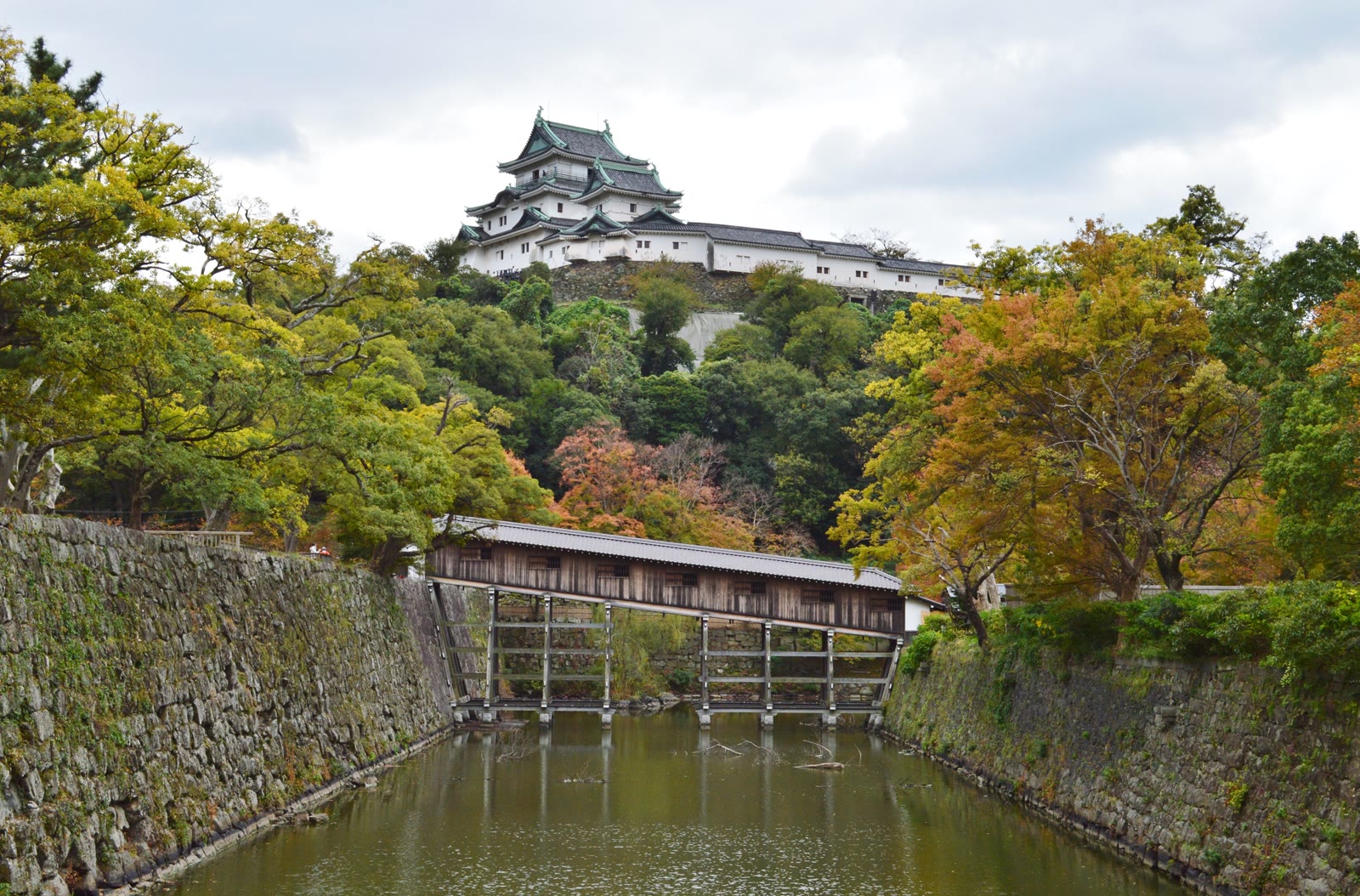
Wakayama Castle
Seat of the Kishu Tokugawa — one of Japan's three senior shogun-producing clans — with a rare slanted covered bridge and a garden that frames the keep beautifully in blossom season.
-
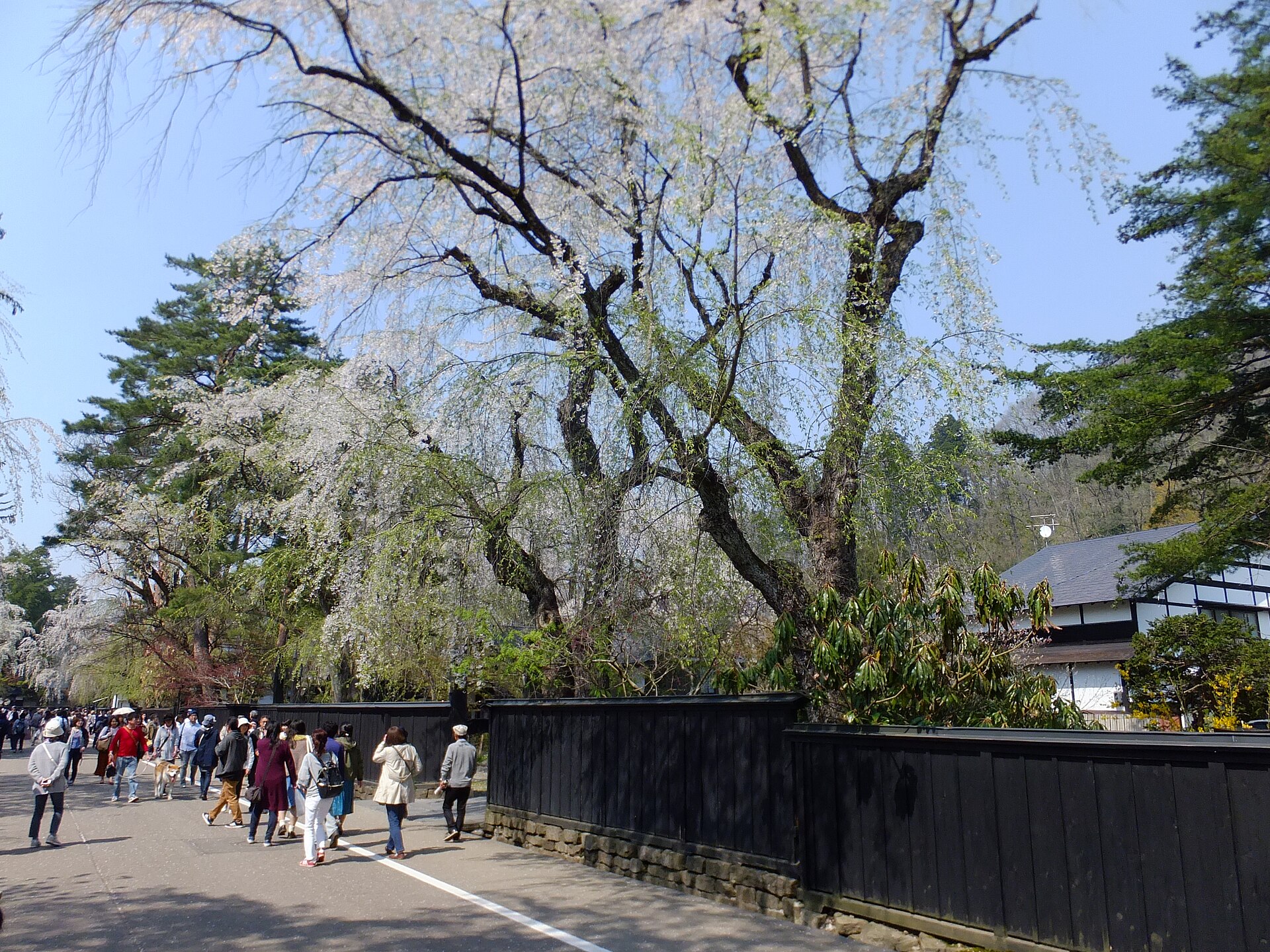
Kakunodate Samurai District
A whole Edo samurai street, free to walk, fifteen minutes from a bullet-train stop.
-
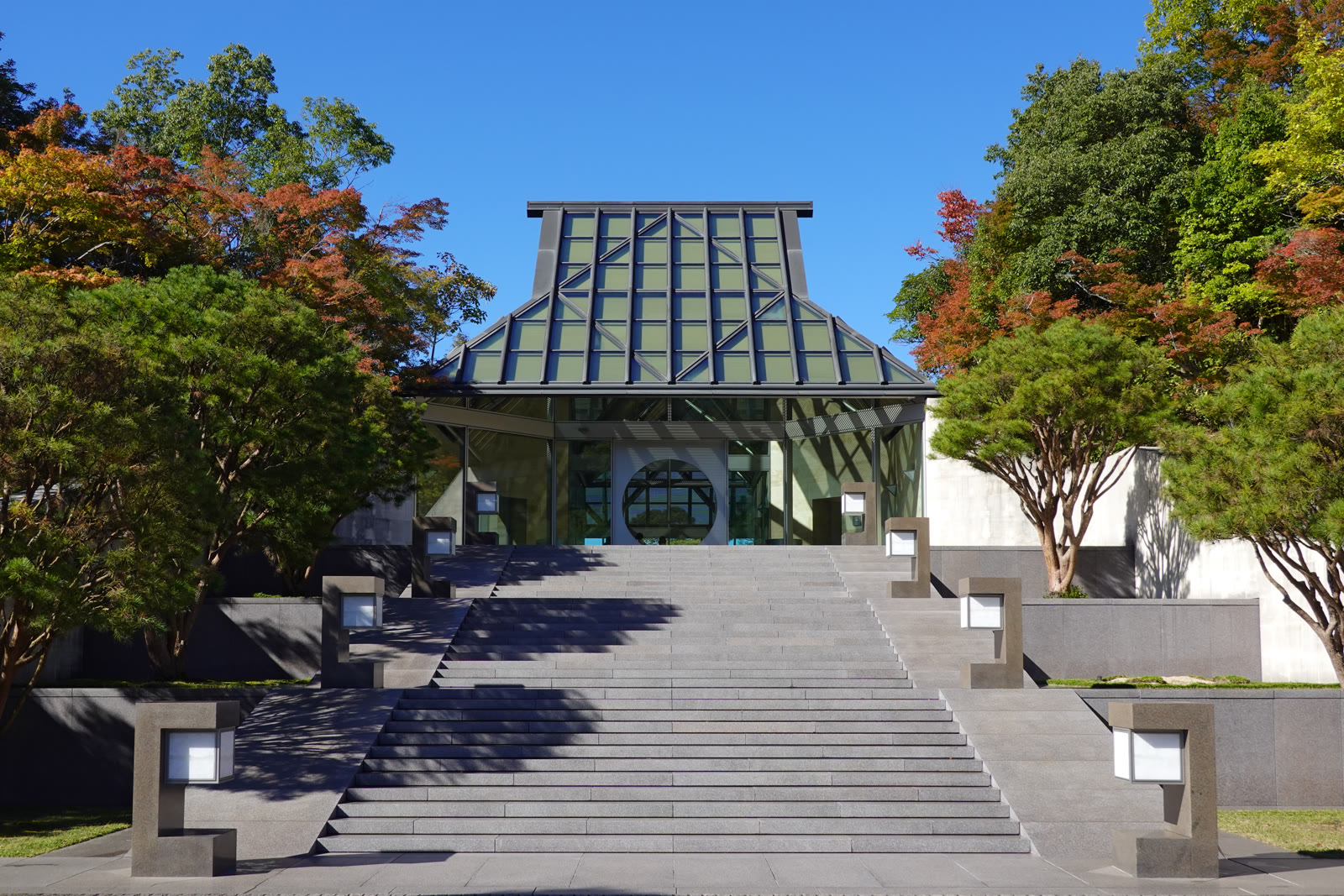
Miho Museum
I.M. Pei's mountain museum, 80% buried in the Shigaraki hills — the cherry-blossom approach, the silver tunnel, and a world-class collection of ancient art make this one of Japan's most architecturally deliberate museum experiences.
-
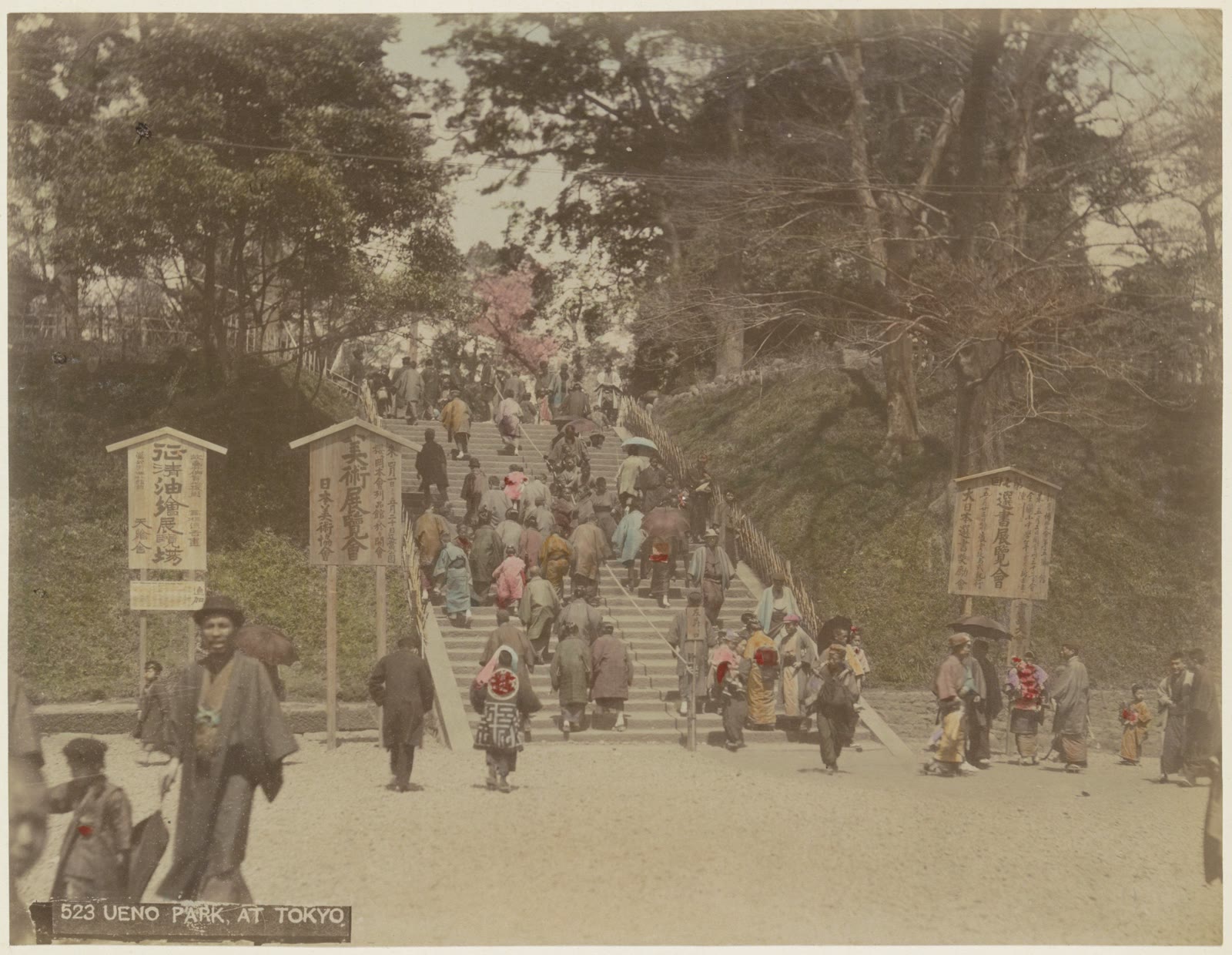
Ueno Park
Tokyo's great cultural commons — Japan's oldest museum, a Le Corbusier UNESCO building, and a lotus pond, all in one park.
-
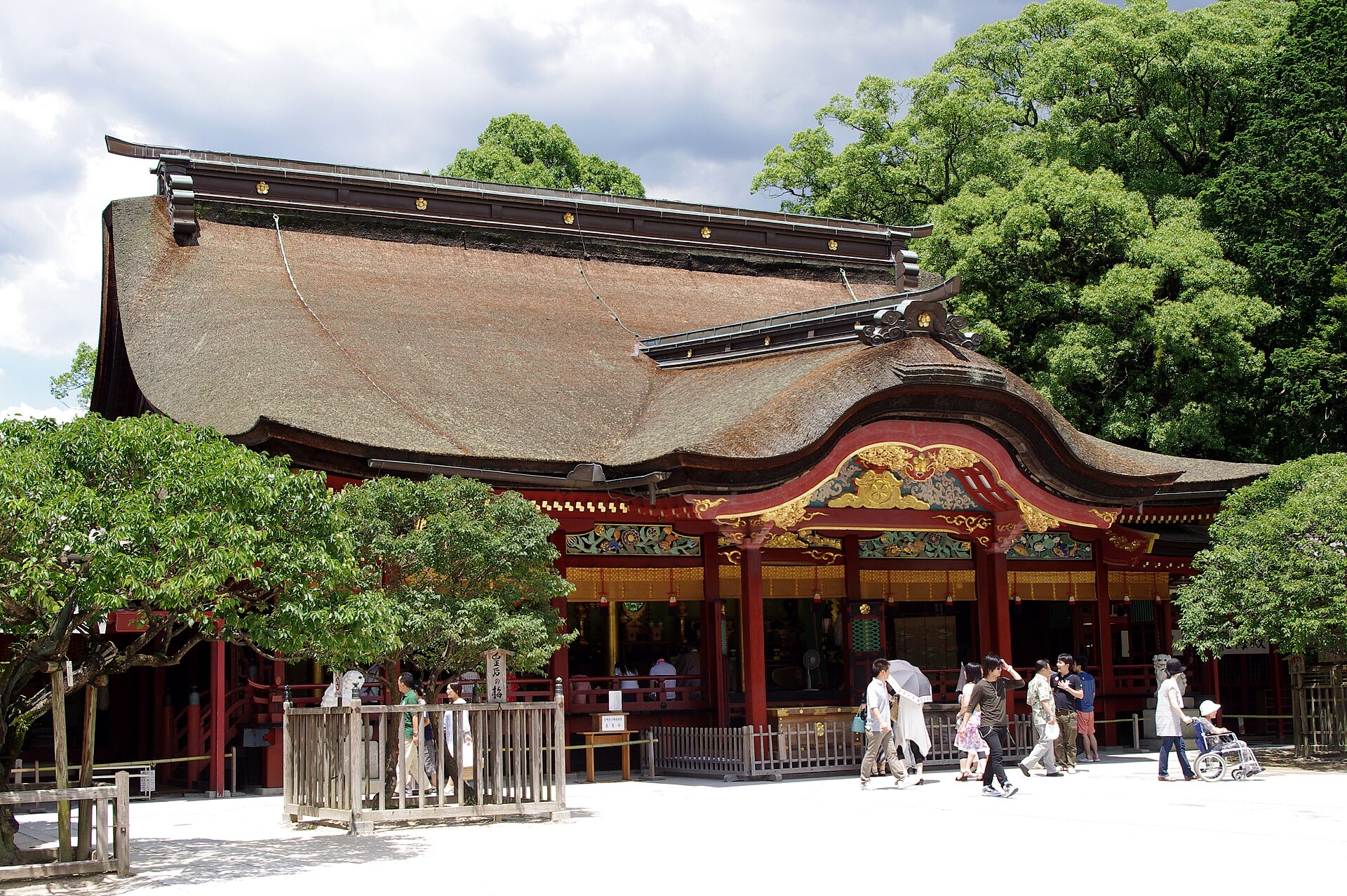
Dazaifu Tenmangu — Head shrine of the Tenmangu, over Michizane's grave
The head shrine of the god of learning, at its quietest the minute the gates open.
-
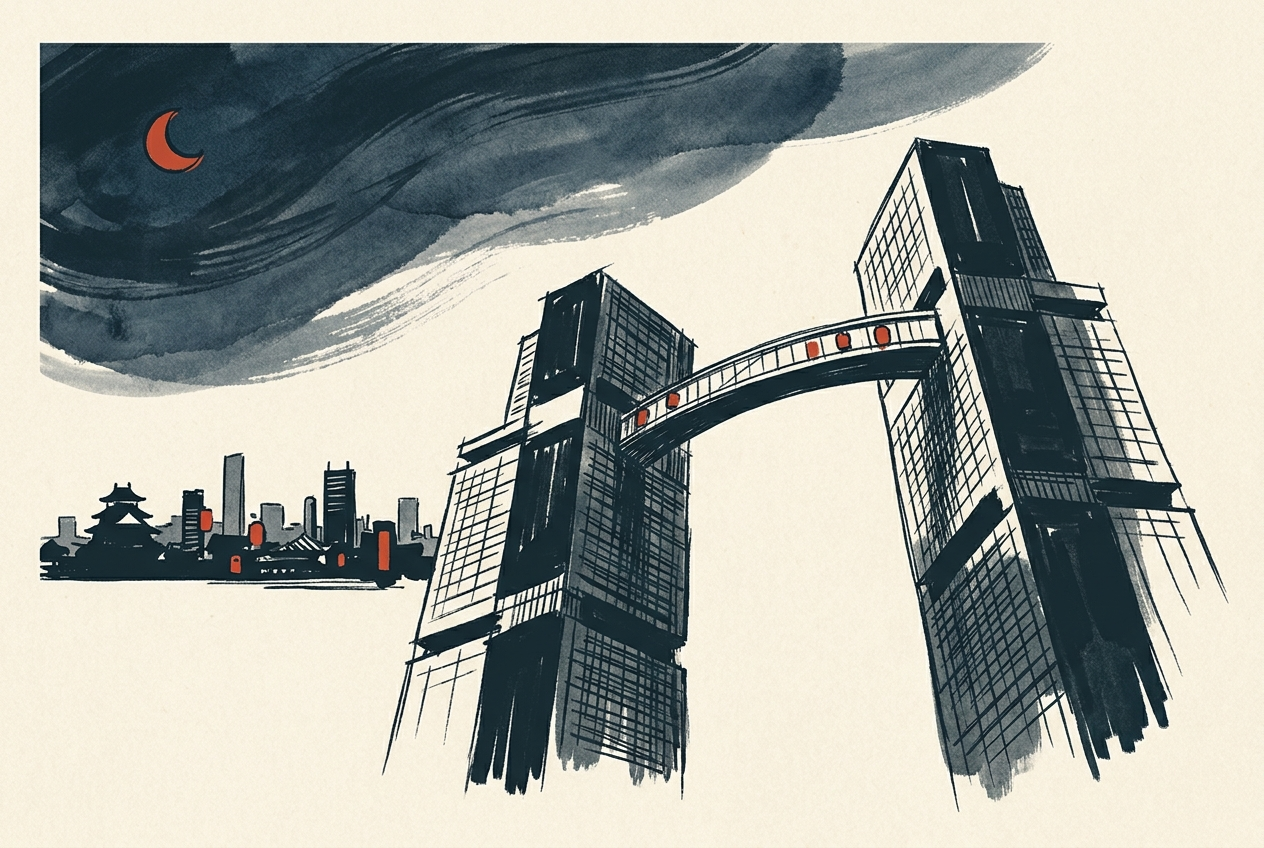
Umeda Sky Building — the open-air rooftop at 173 m
Osaka's most dramatic observation point — the open-air cross-tower escalator and 360-degree rooftop at 173 m, open until 22:30 for night views.
-
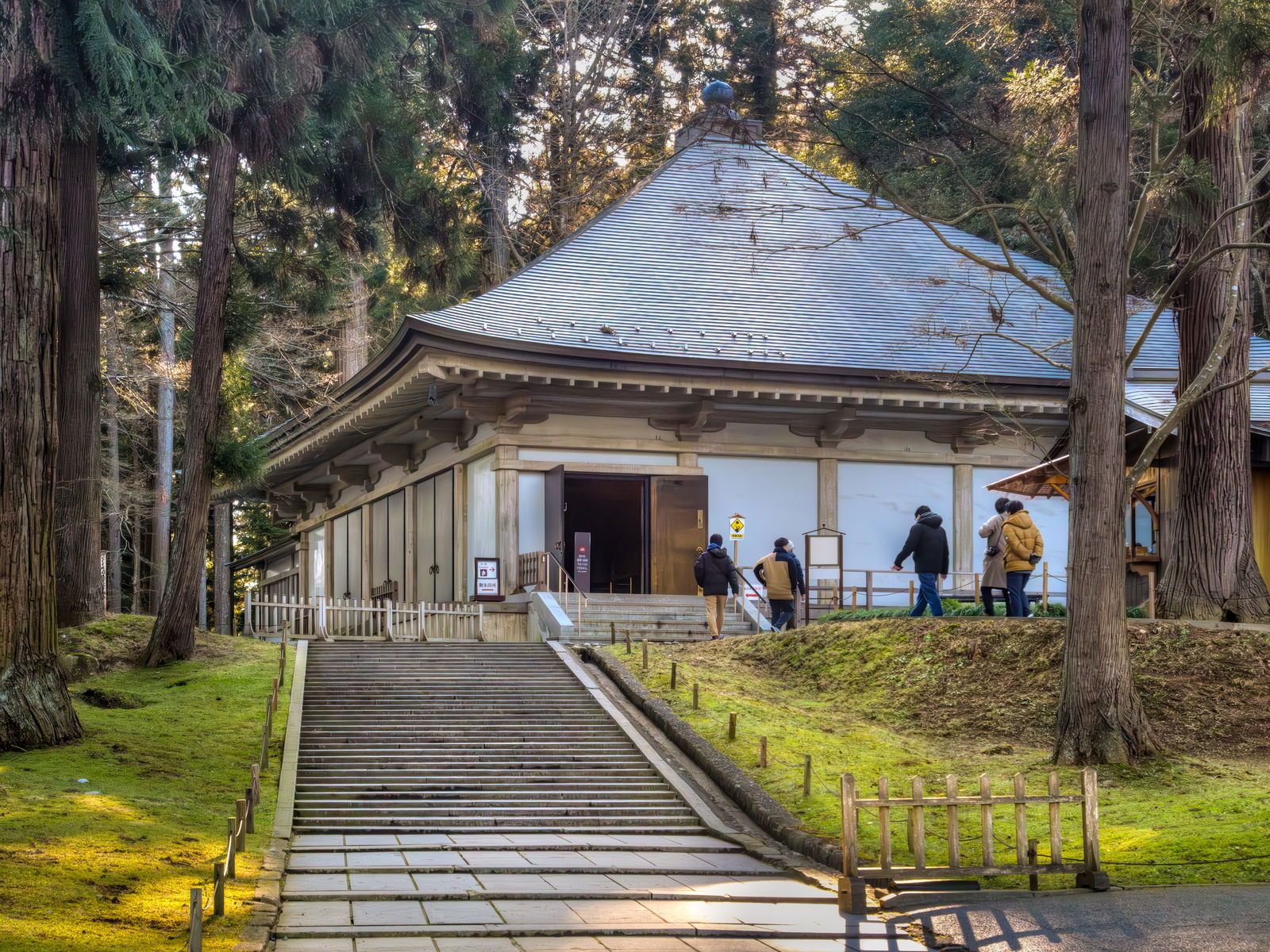
Chusonji Konjikido — The Golden Hall of the Fujiwara lords at Hiraizumi
A gold-leafed hall at the top of a cedar approach, open every day of the year.
-
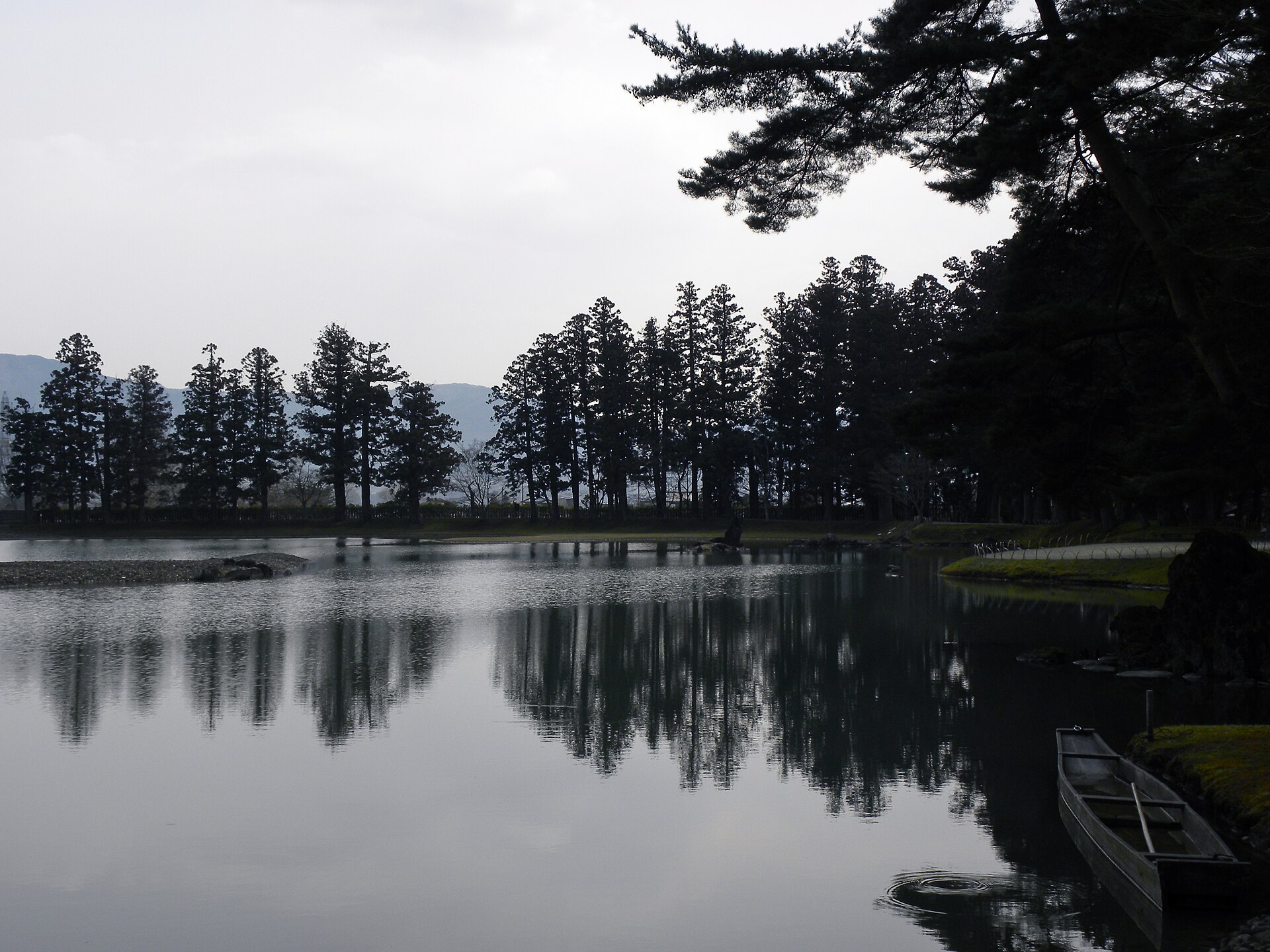
Motsuji Temple
A Heian garden that survived the temple it was built for.
-
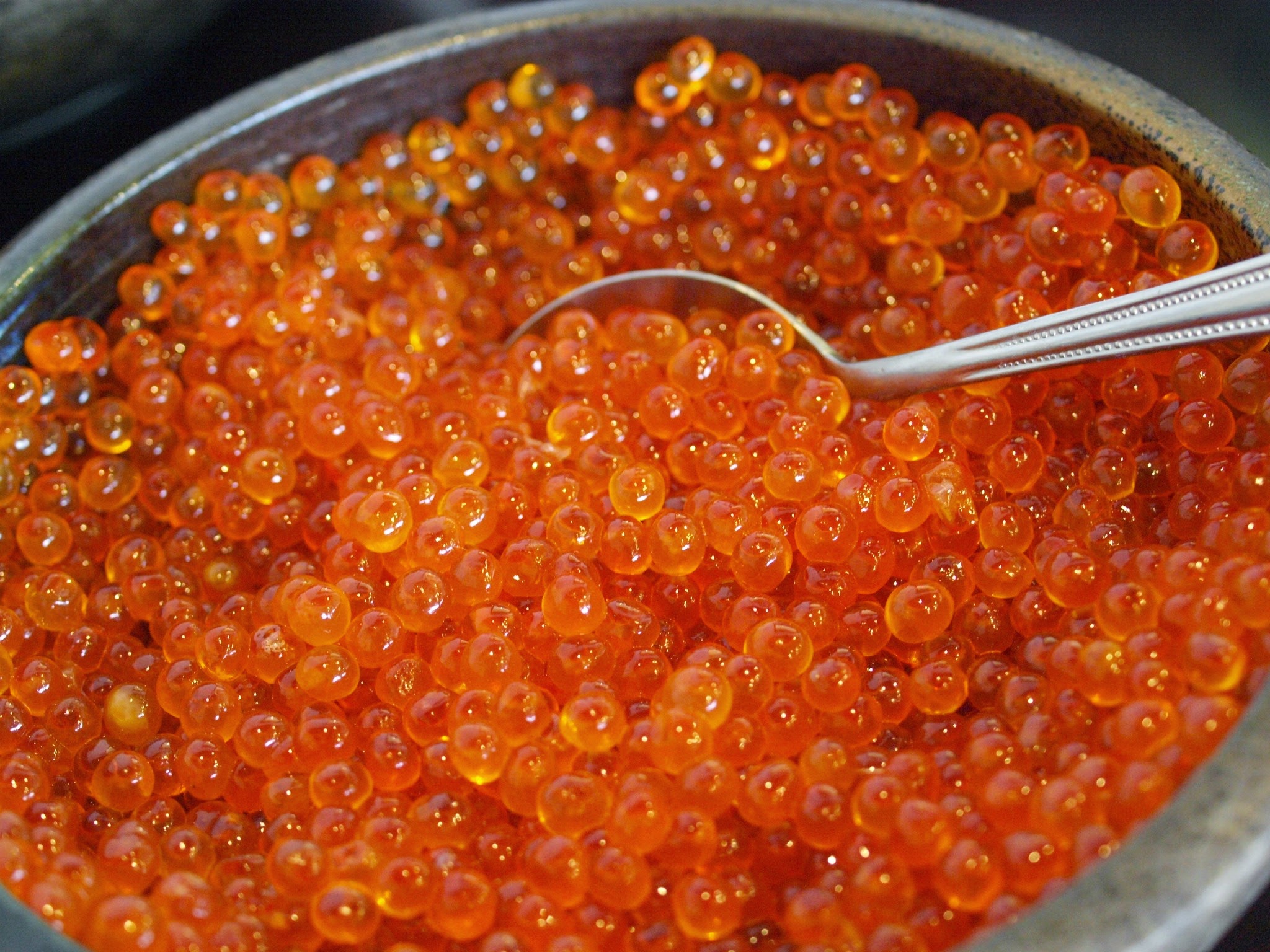
Ikura Soy-Marinated Salmon Roe — Salmon town on the Nemuro Strait
Pick the date by the tank, not by the town.
-
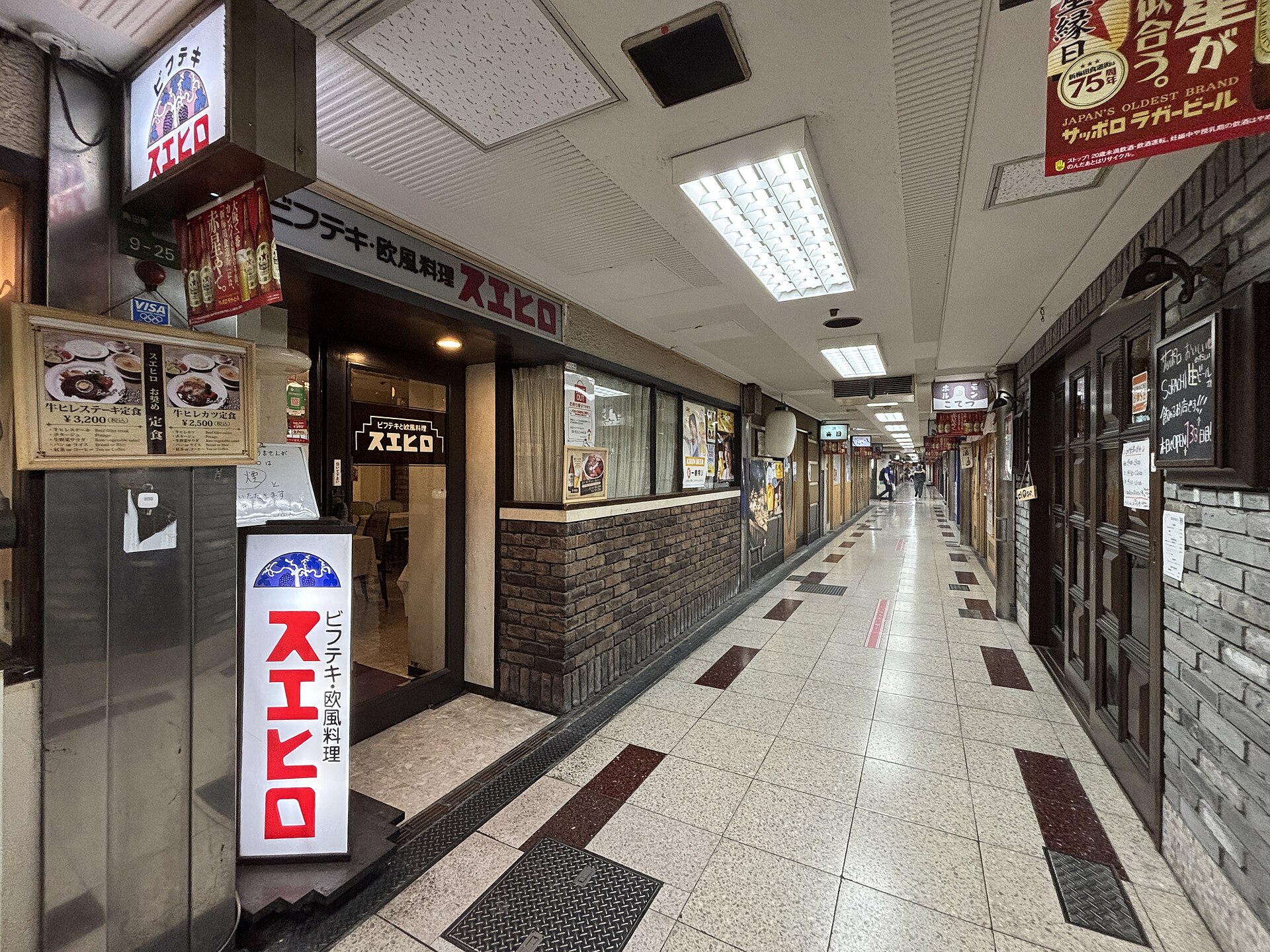
Osaka Kushikatsu — Deep-fried skewers and the one-dip rule
Osaka's signature skewers, at counters under the tracks by the station.
-
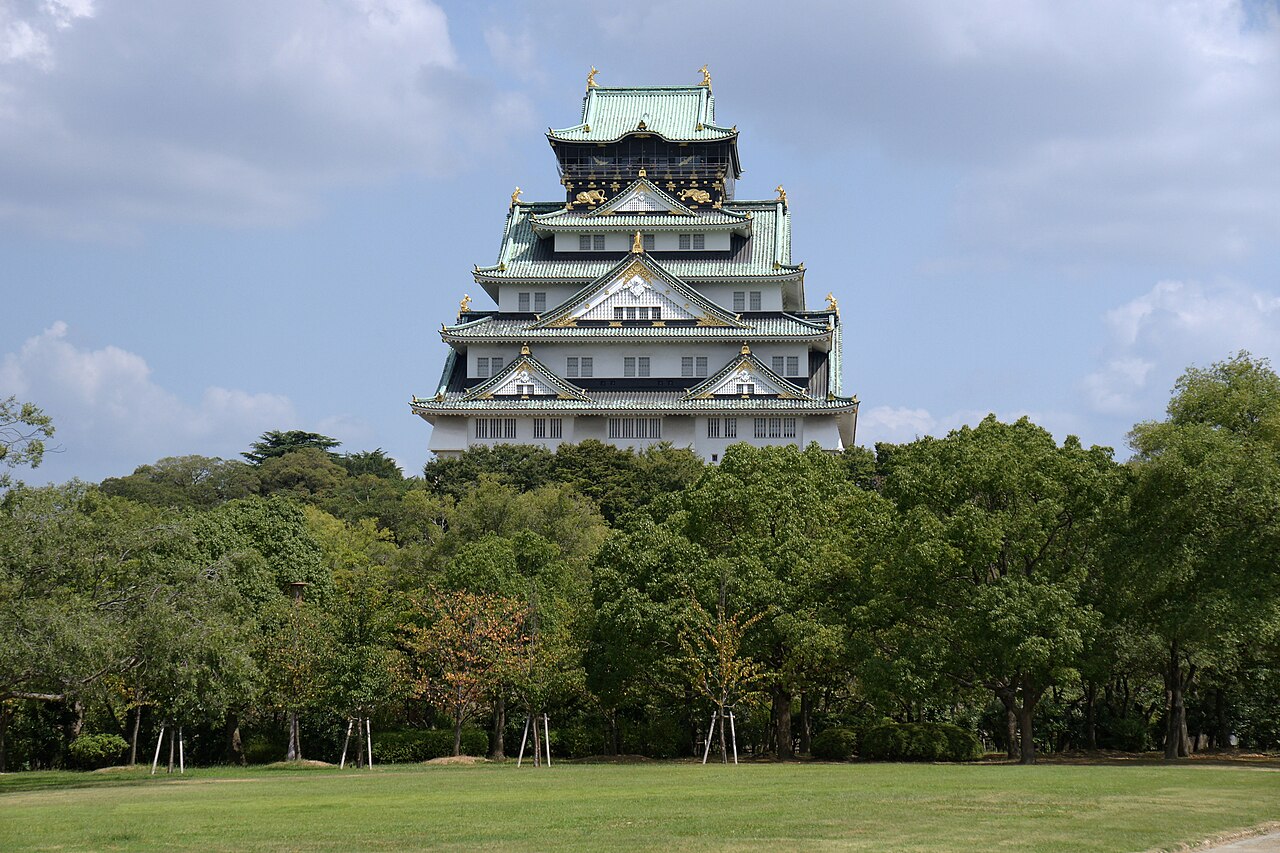
Nishinomaru Garden
An open lawn with a clean, uncrowded view of the keep over the moat.
-
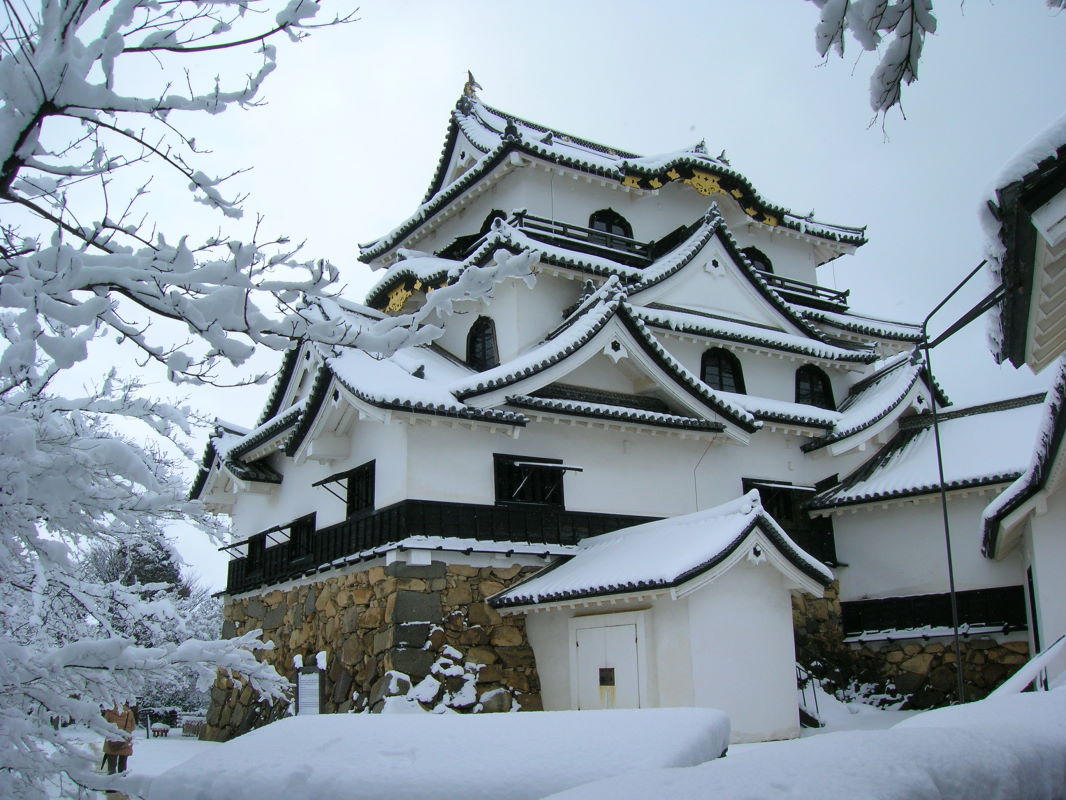
Hikone Castle
One of Japan's five National Treasure castle keeps — entirely original, set over double moats on the shore of Lake Biwa.
-
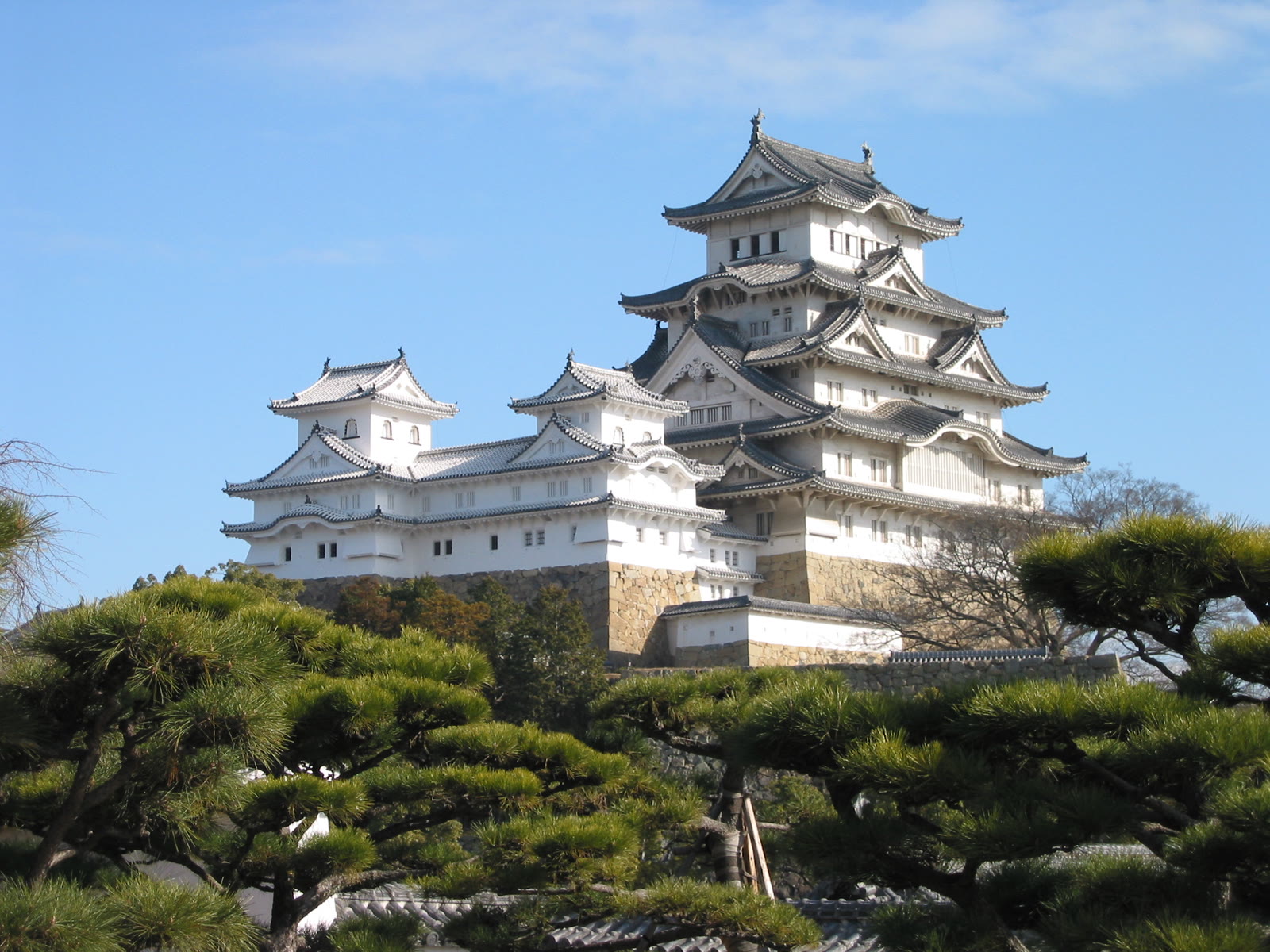
Himeji Castle
Often called Japan's finest castle — the white keep, the maze of gates, and the view from the top floor.
-
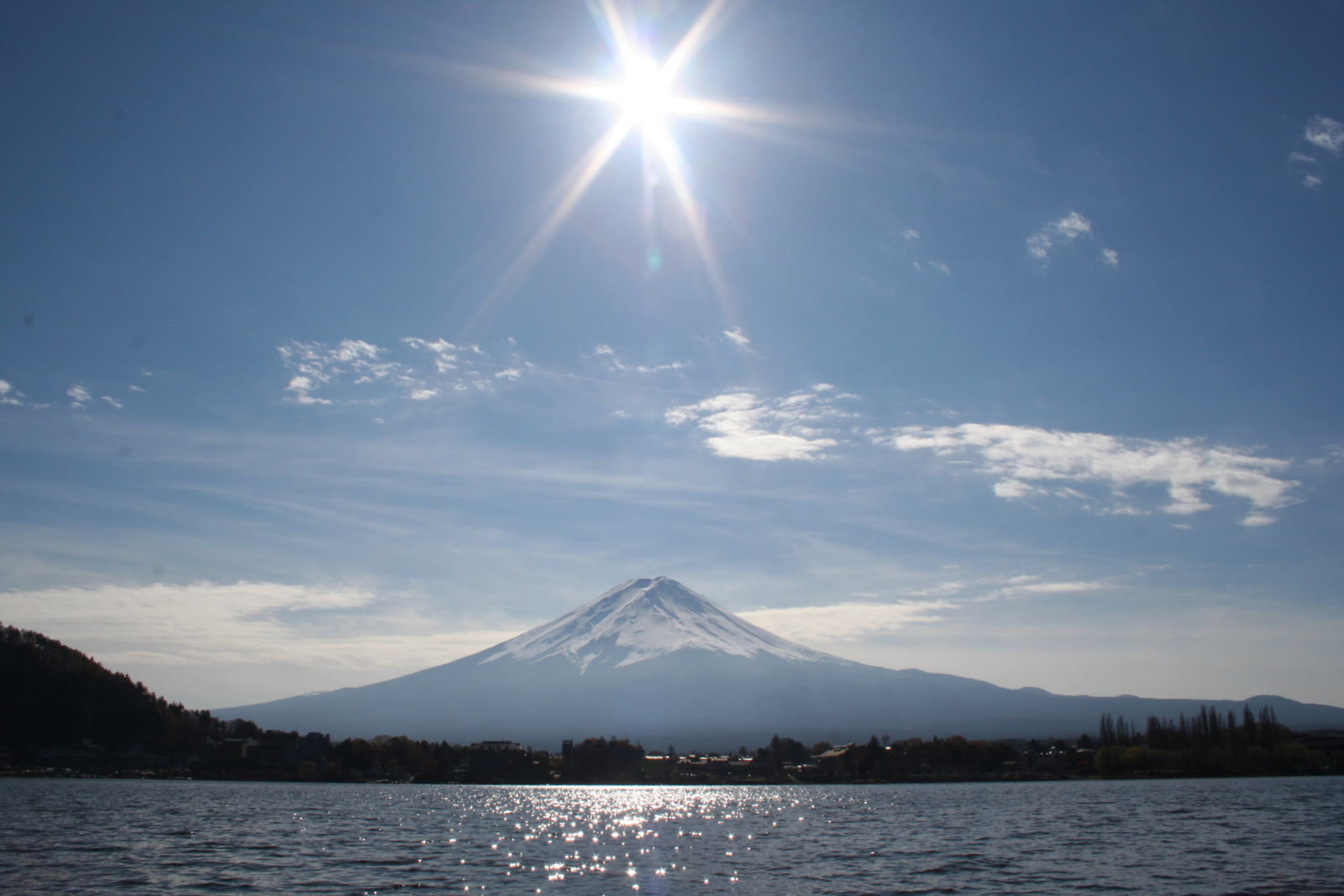
Lake Kawaguchiko
Japan's most reachable Fuji lake — the northern shore delivers the reflection view. Direct bus from Shinjuku.
-
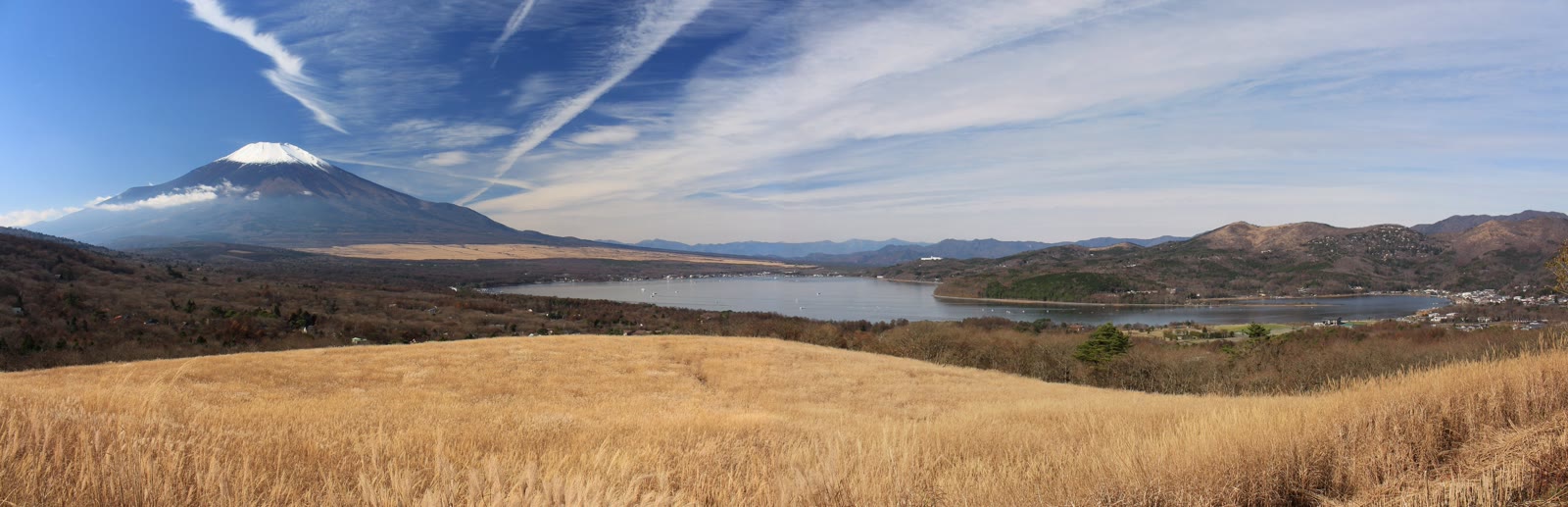
Lake Yamanakako
The Fuji Five Lake closest to the summit — clear Fuji views from the north shore, and Diamond Fuji twice a year at sunset.
-
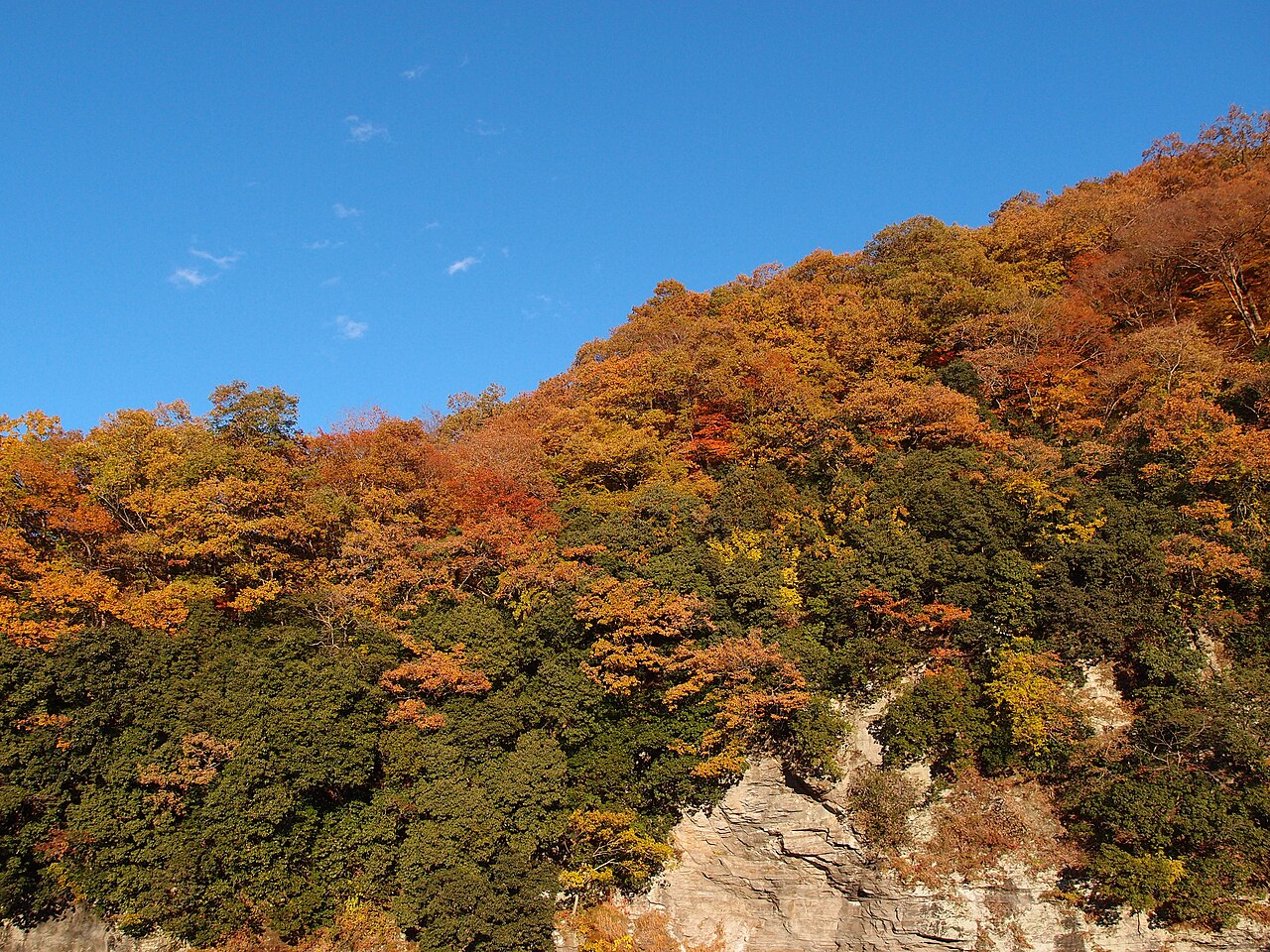
Nagatoro — rock terraces and a pole-steered boat
Rock terraces of exposed deep-earth schist, and a wooden boat poled through the rapids beside them — two hours from Ikebukuro.
-
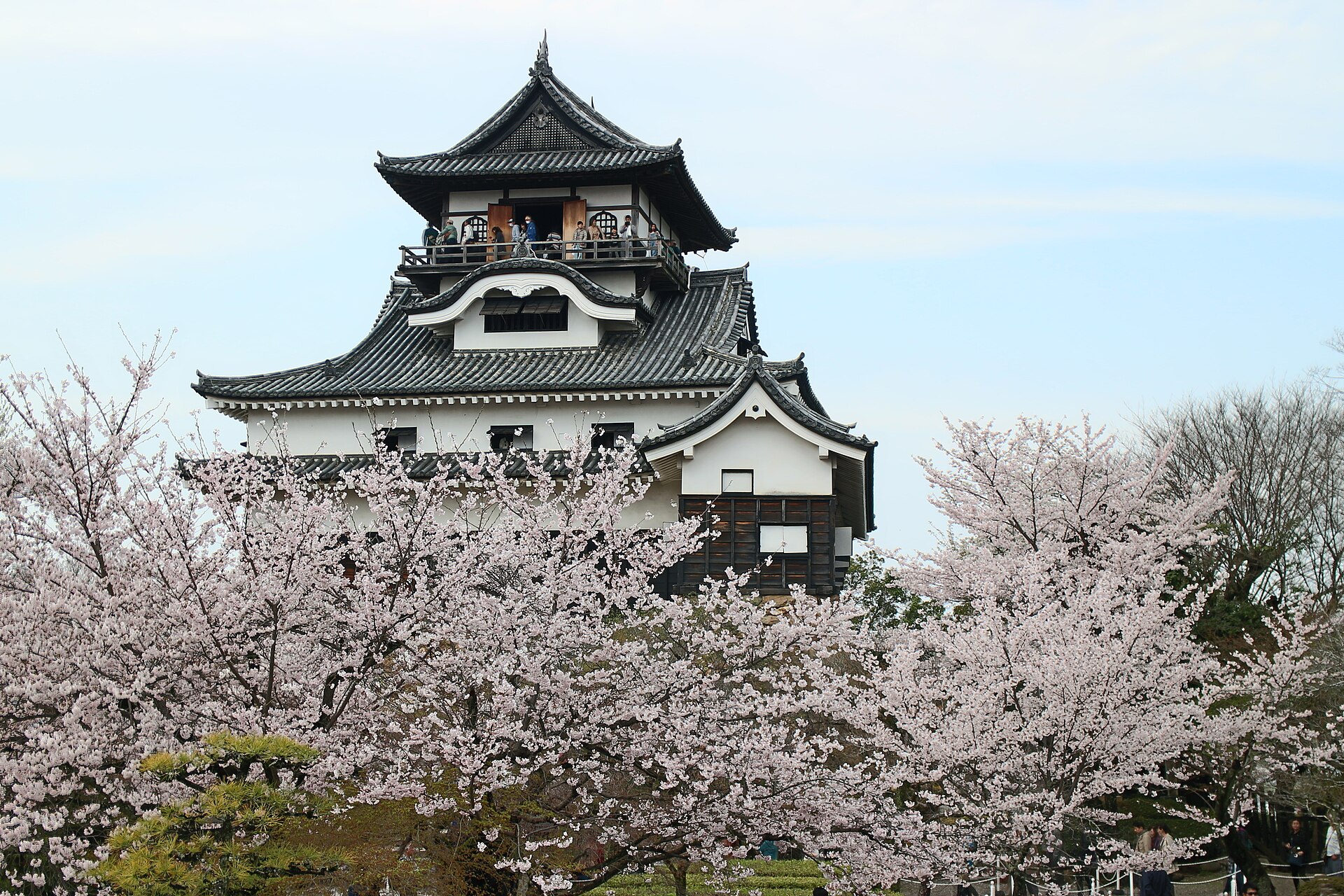
Inuyama Castle
A National Treasure keep on a river bluff, with a gallery round its top floor.
-
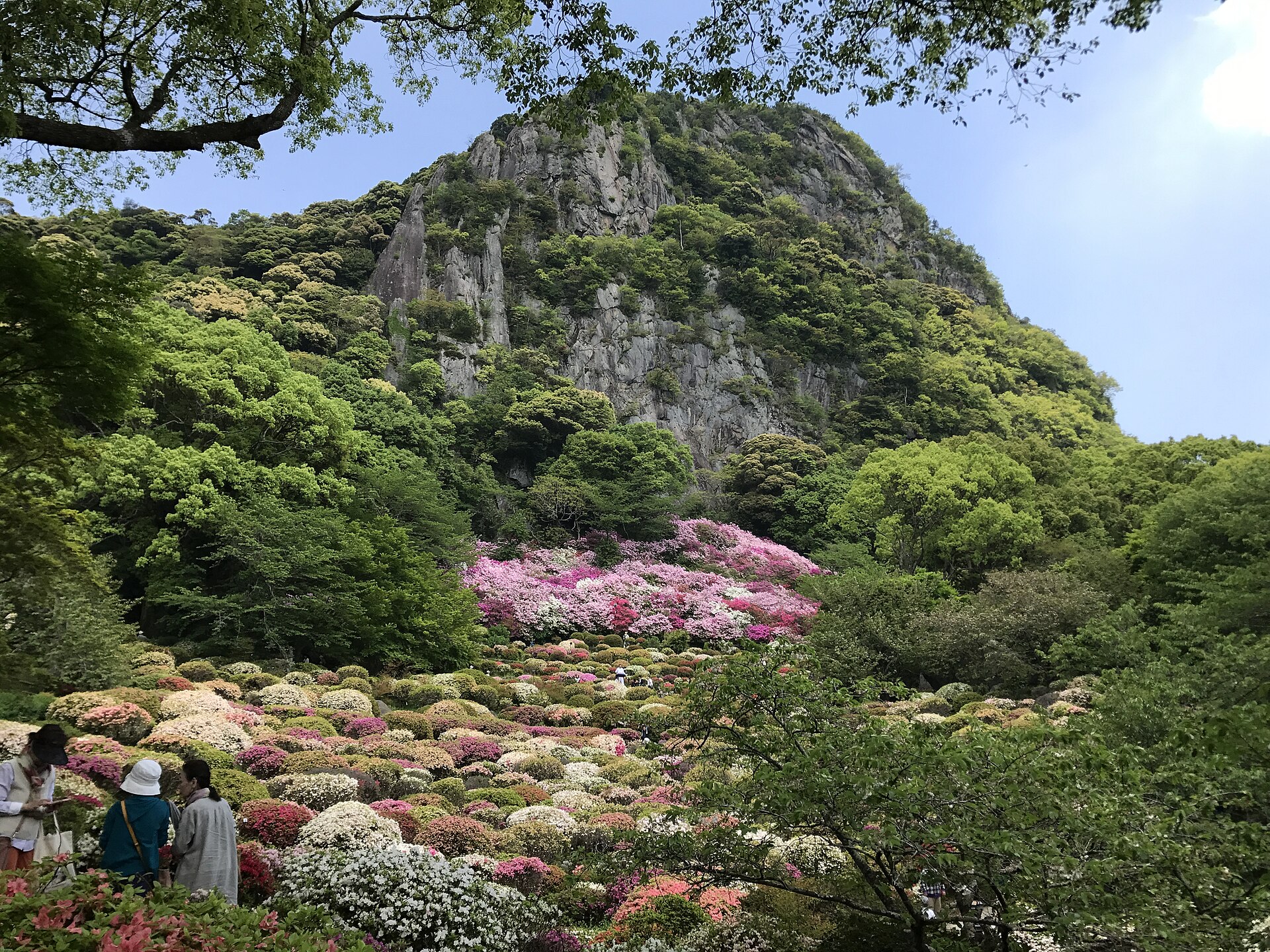
Mifuneyama Rakuen — A daimyo's cliffside stroll garden in Takeo
A daimyo's garden with a bare cliff for its back wall.
-
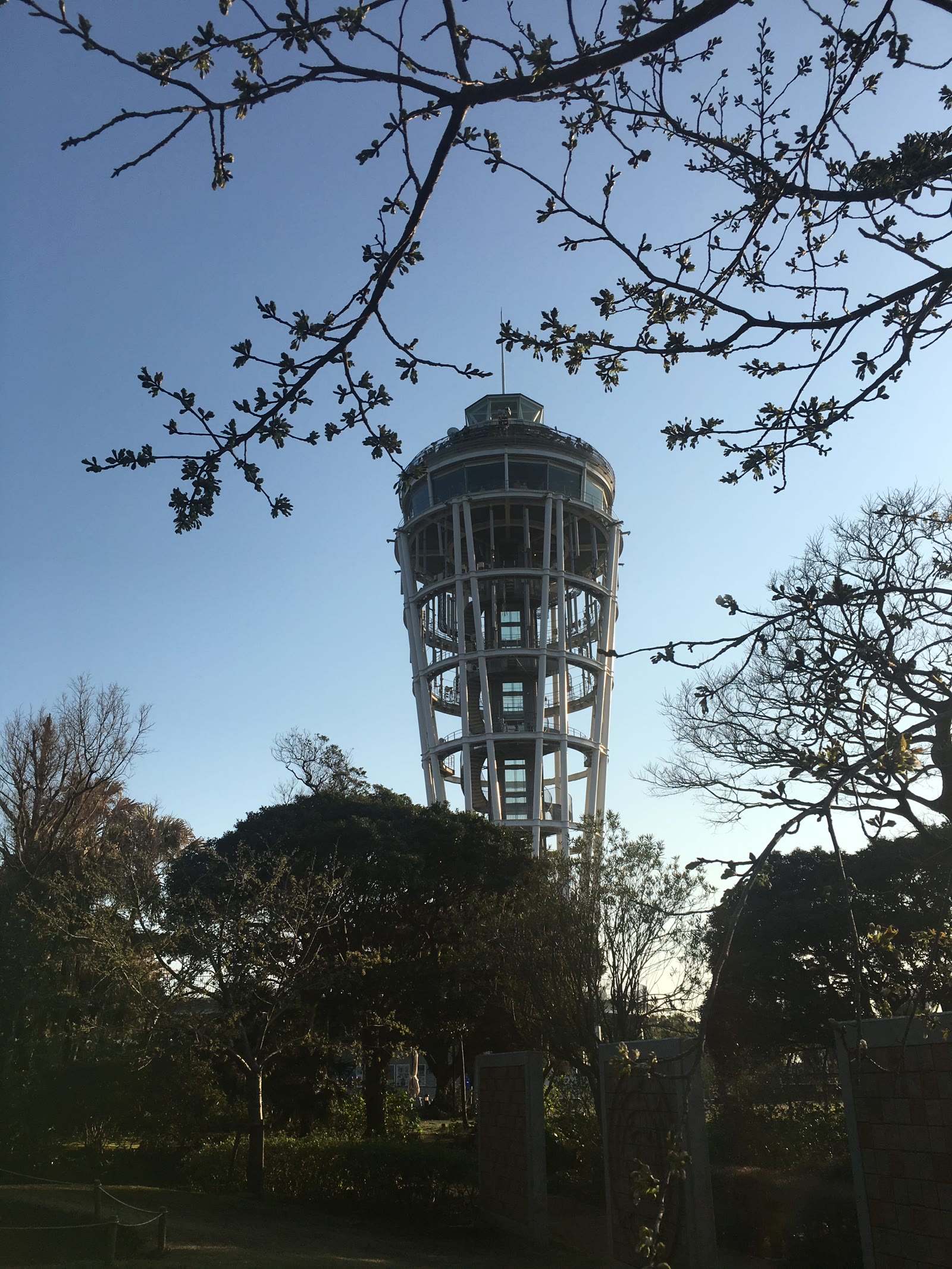
Enoshima Island
Shonan's island shrine — 1,500-year-old Benzaiten, sea caves, and a lighthouse tower with a Mount Fuji view.
-
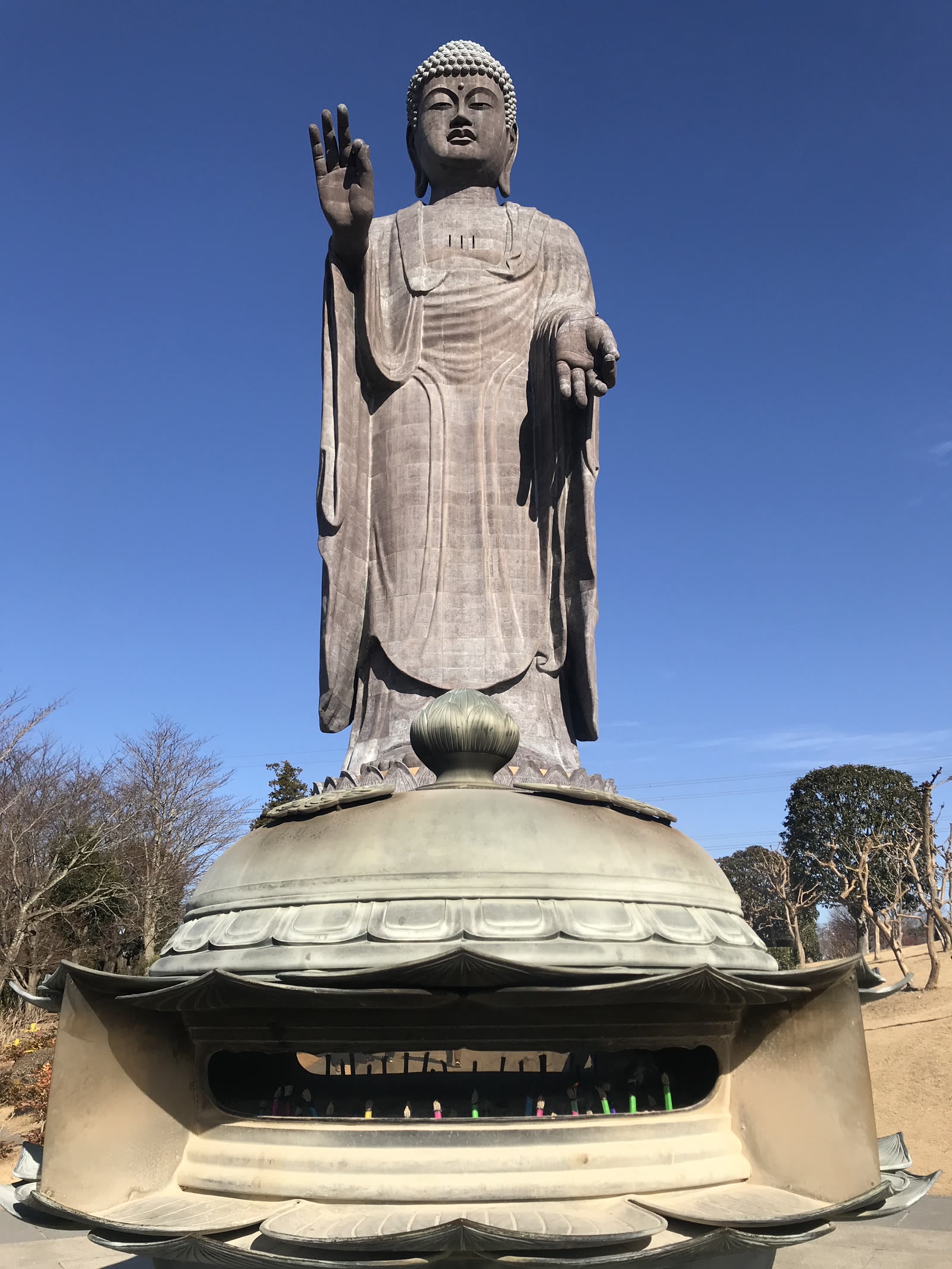
Ushiku Daibutsu — a 120-metre bronze Buddha
One of the world's five tallest statues — with an elevator inside — an hour from Ueno by JR.
-
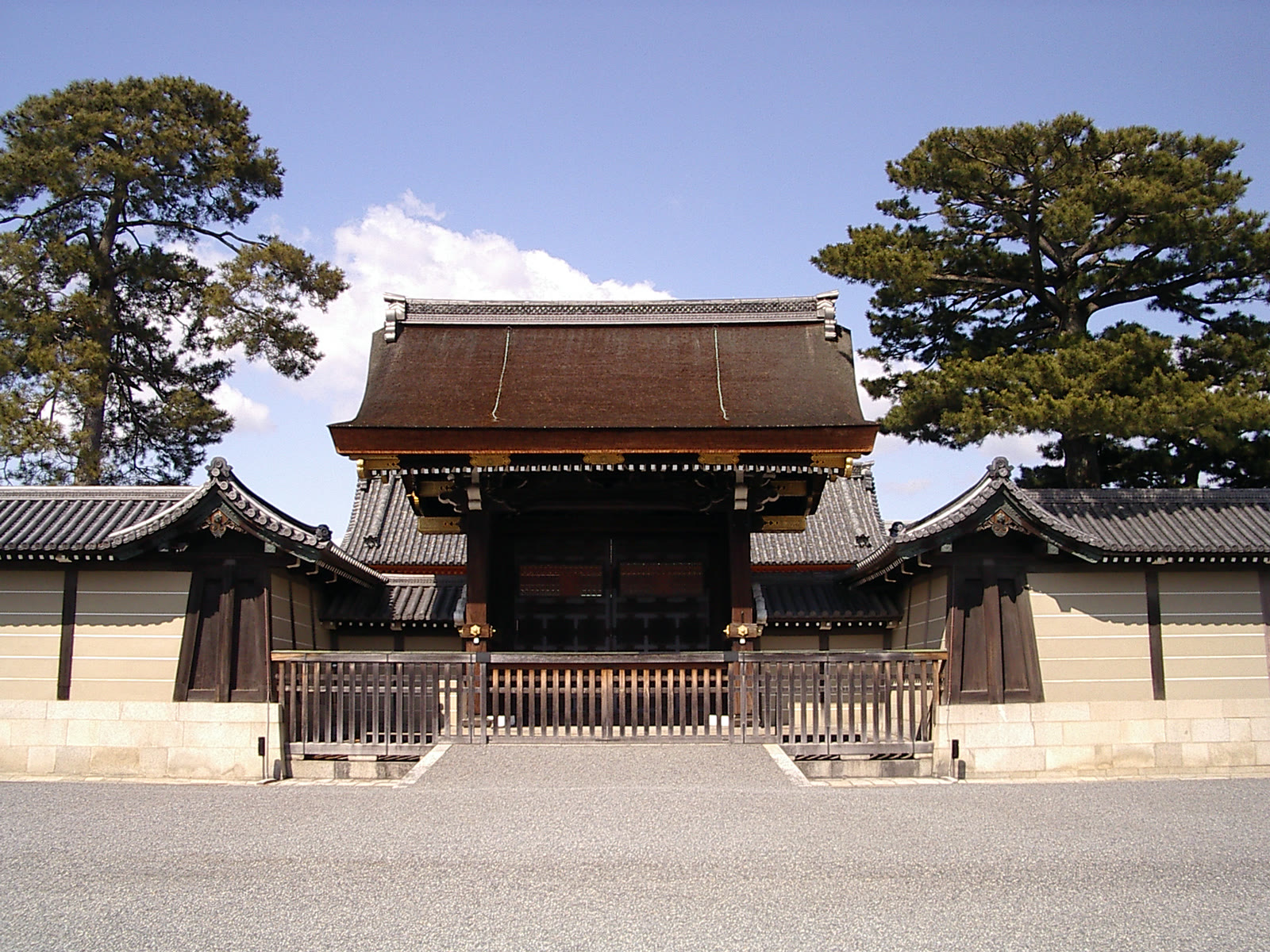
Kyoto Imperial Palace & Gyoen
A thousand years of imperial Kyoto, free and open since 2016 — with a 65-hectare park that is never closed.
-
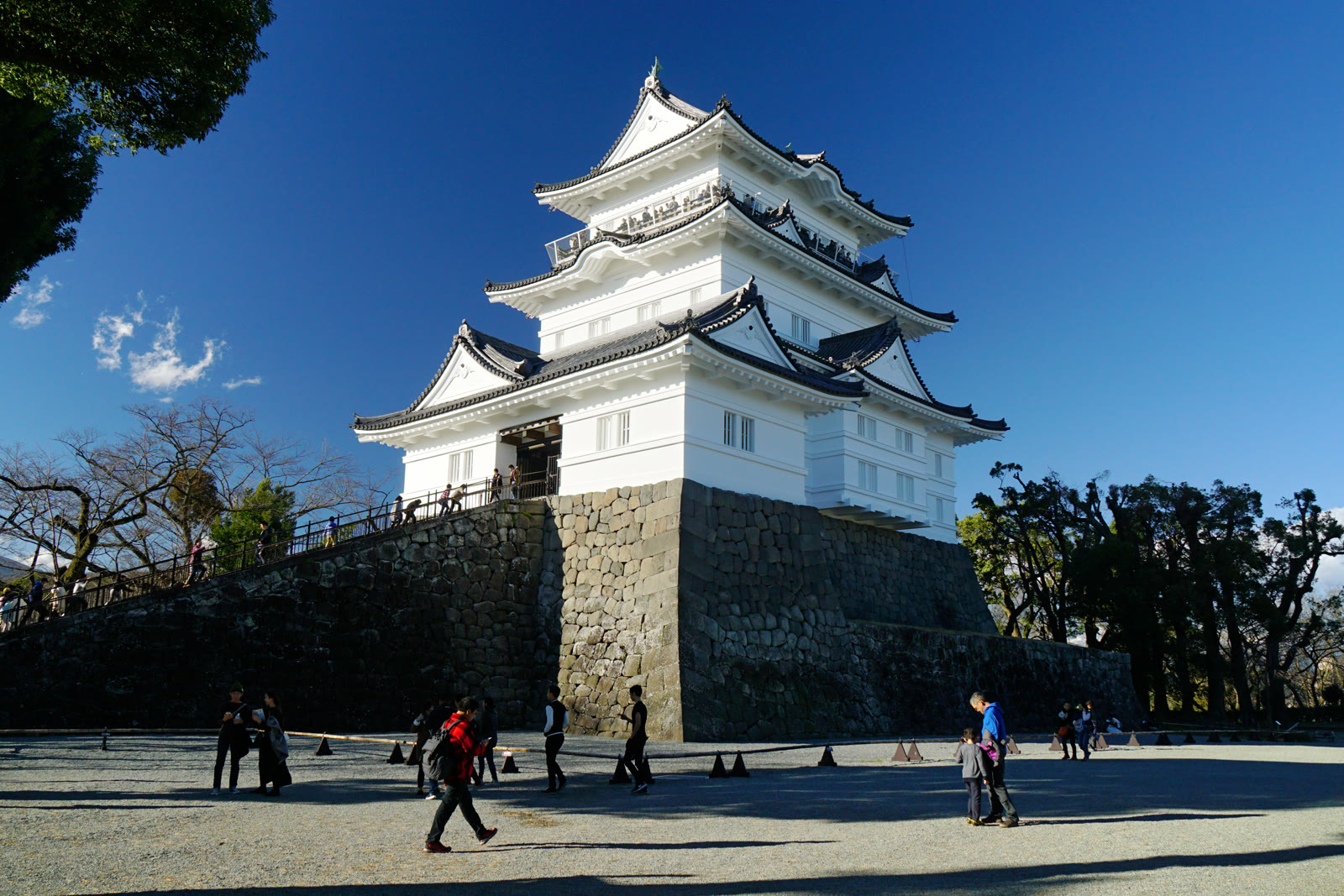
Odawara Castle
Kanto's most historically significant Warring-States castle — easy stop on the Tokyo–Hakone corridor, best with the combined museum ticket.
-
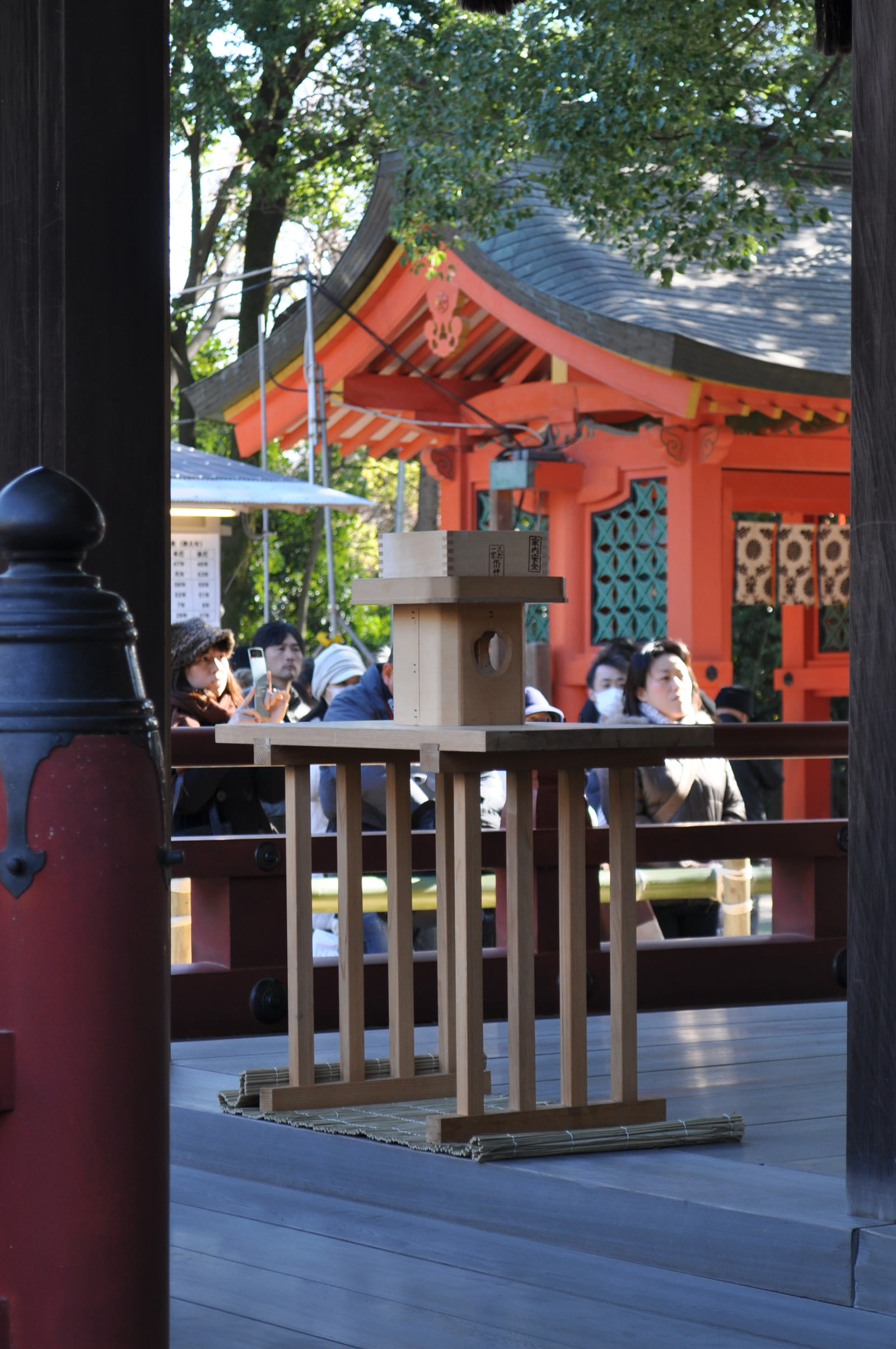
Musashi Ichinomiya Hikawa Shrine
The oldest and most senior Kanto shrine outside Tokyo, reached along a 2 km tree-lined avenue; entry is free.
-
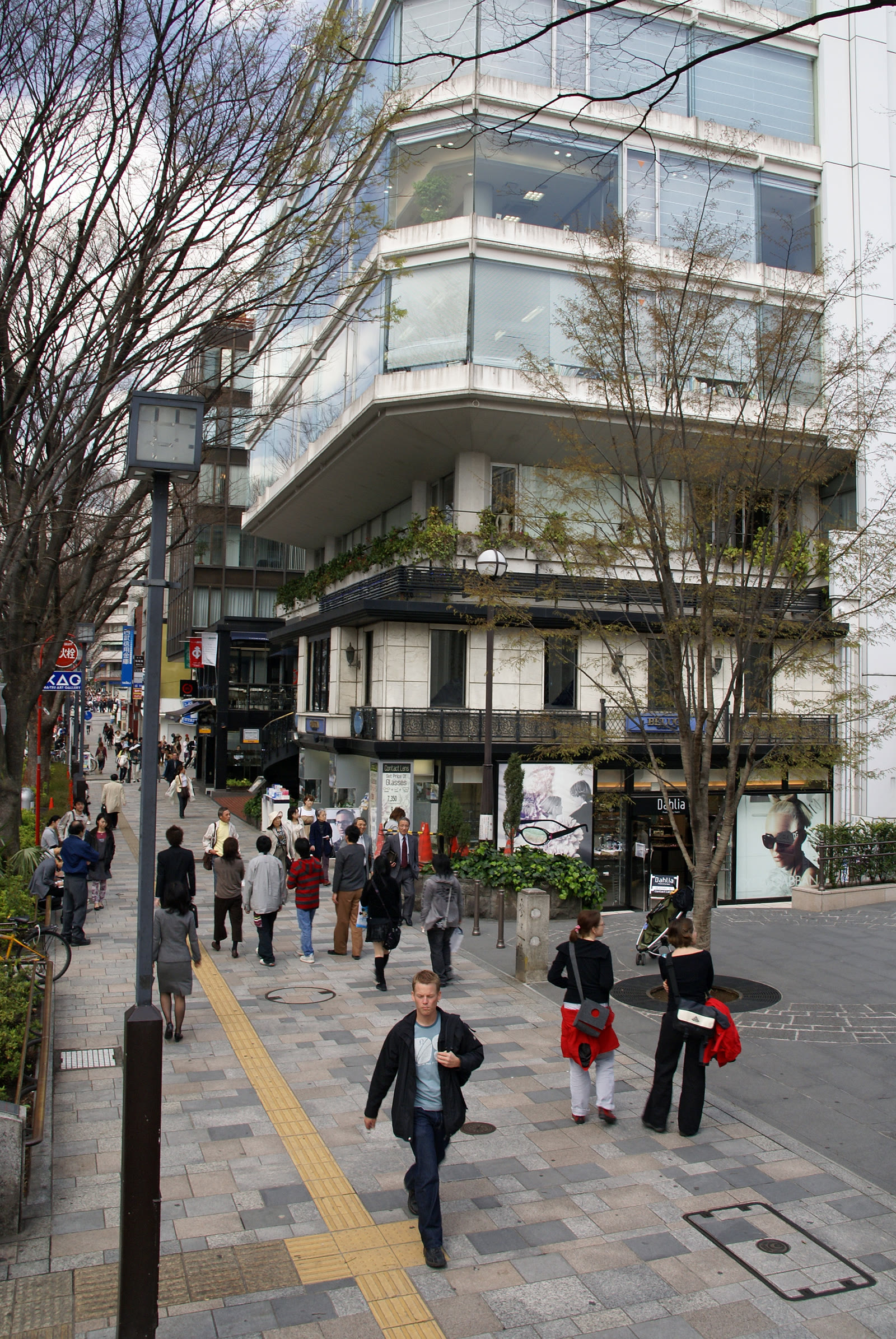
Omotesando — a shrine approach turned shopping street
Tokyo's flagship boutique avenue is a shrine approach — zelkova trees set the scale, and even Tadao Ando's building was held to three storeys to stay under them.
-
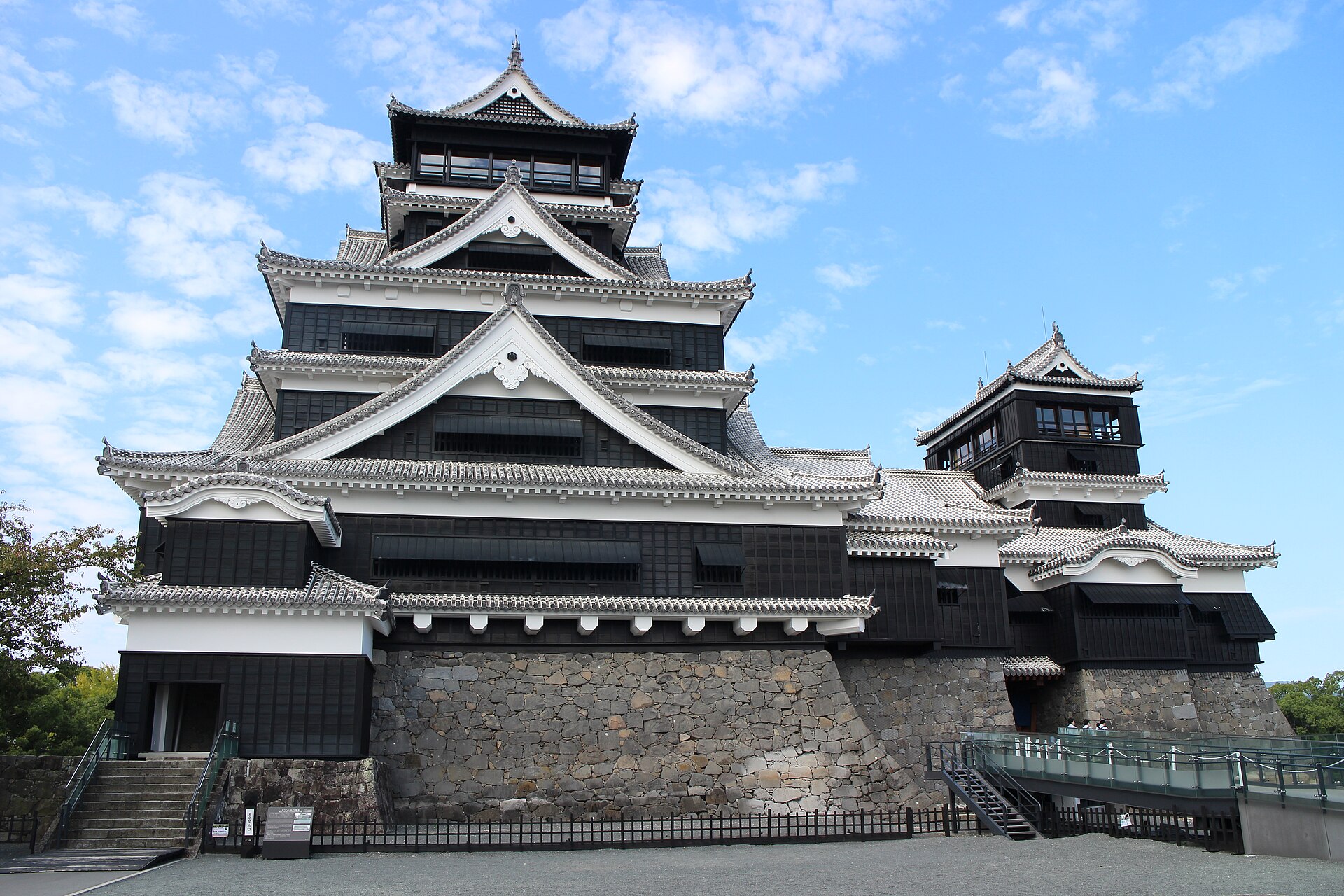
Kumamoto Castle
A famous keep, plus the rare chance to walk a castle mid-repair.
-
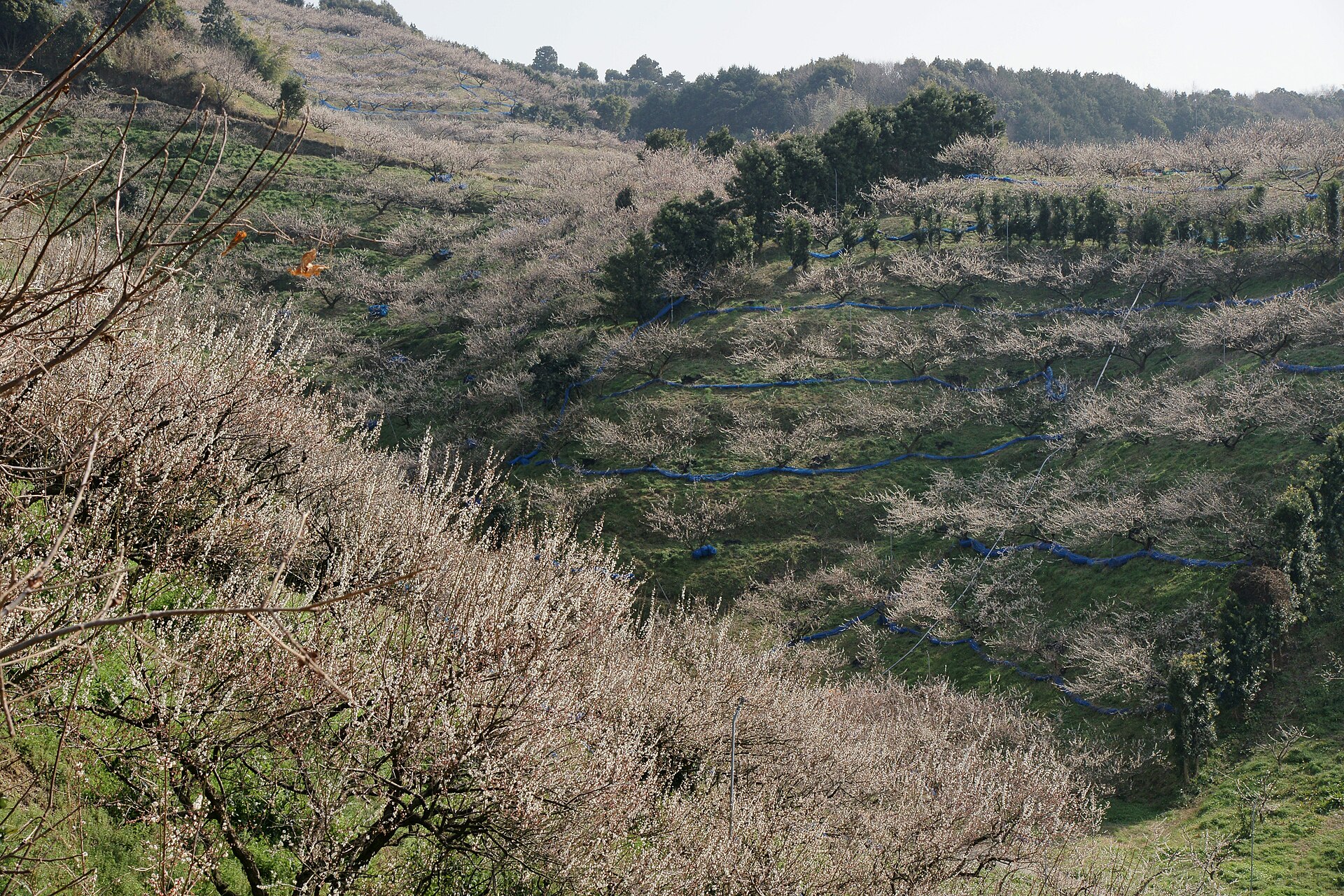
Kishu Nanko Plums
The plum behind Japanese umeboshi, explained free in the town that bred it.
-
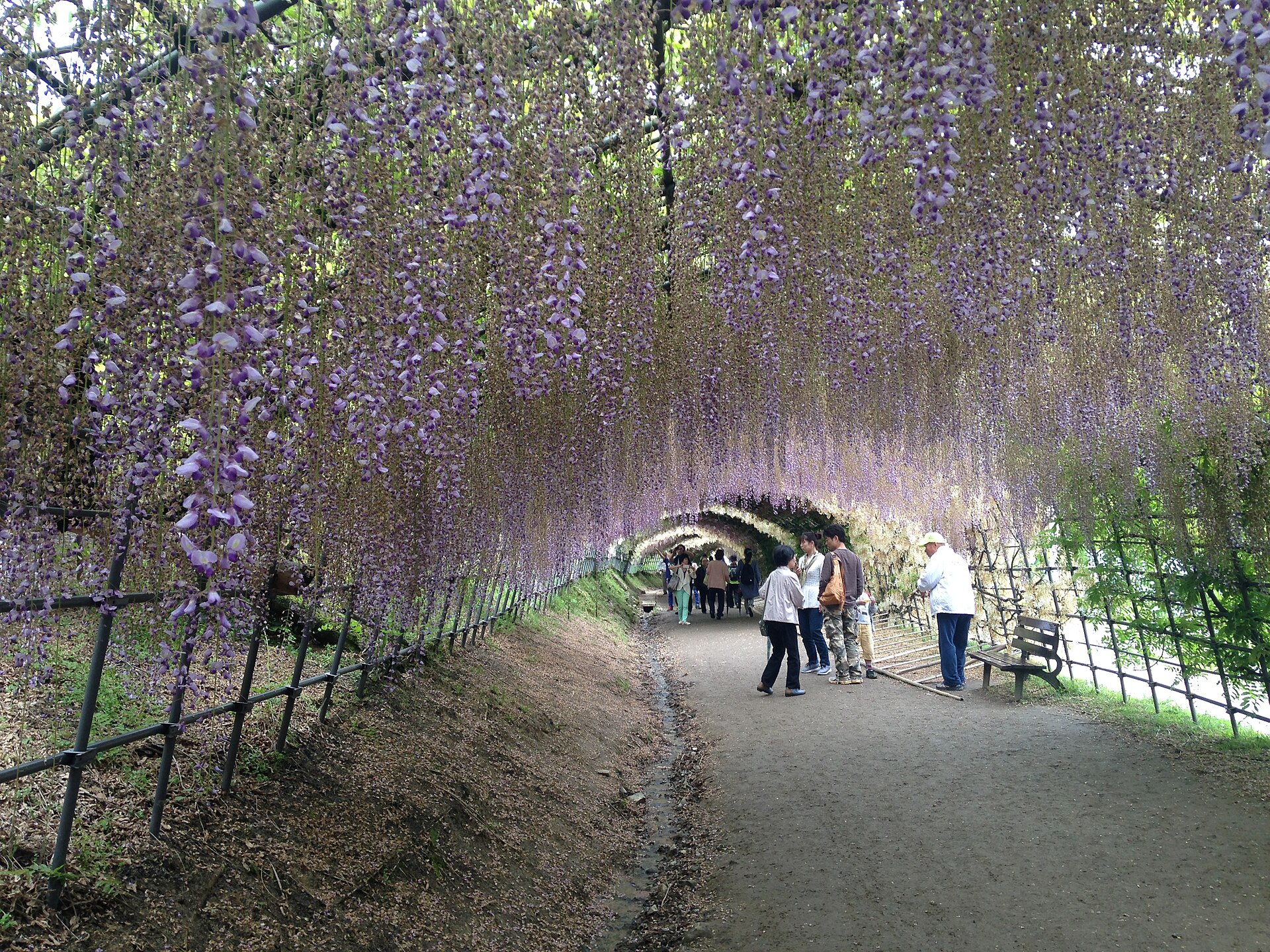
Kawachi Fujien Wisteria Garden
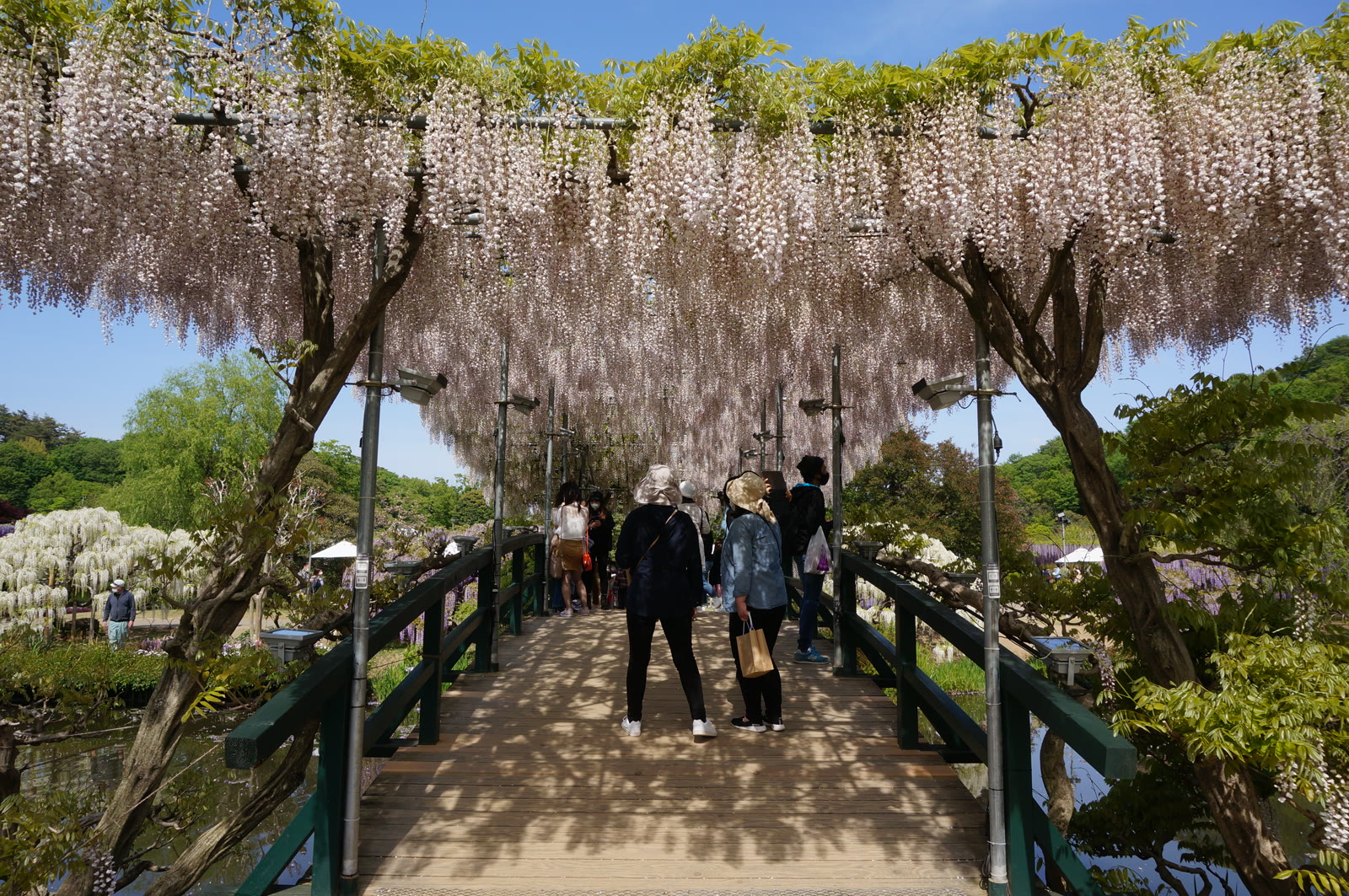
Two wisteria tunnels and a walk-in dome, open only a few weeks a year.
-
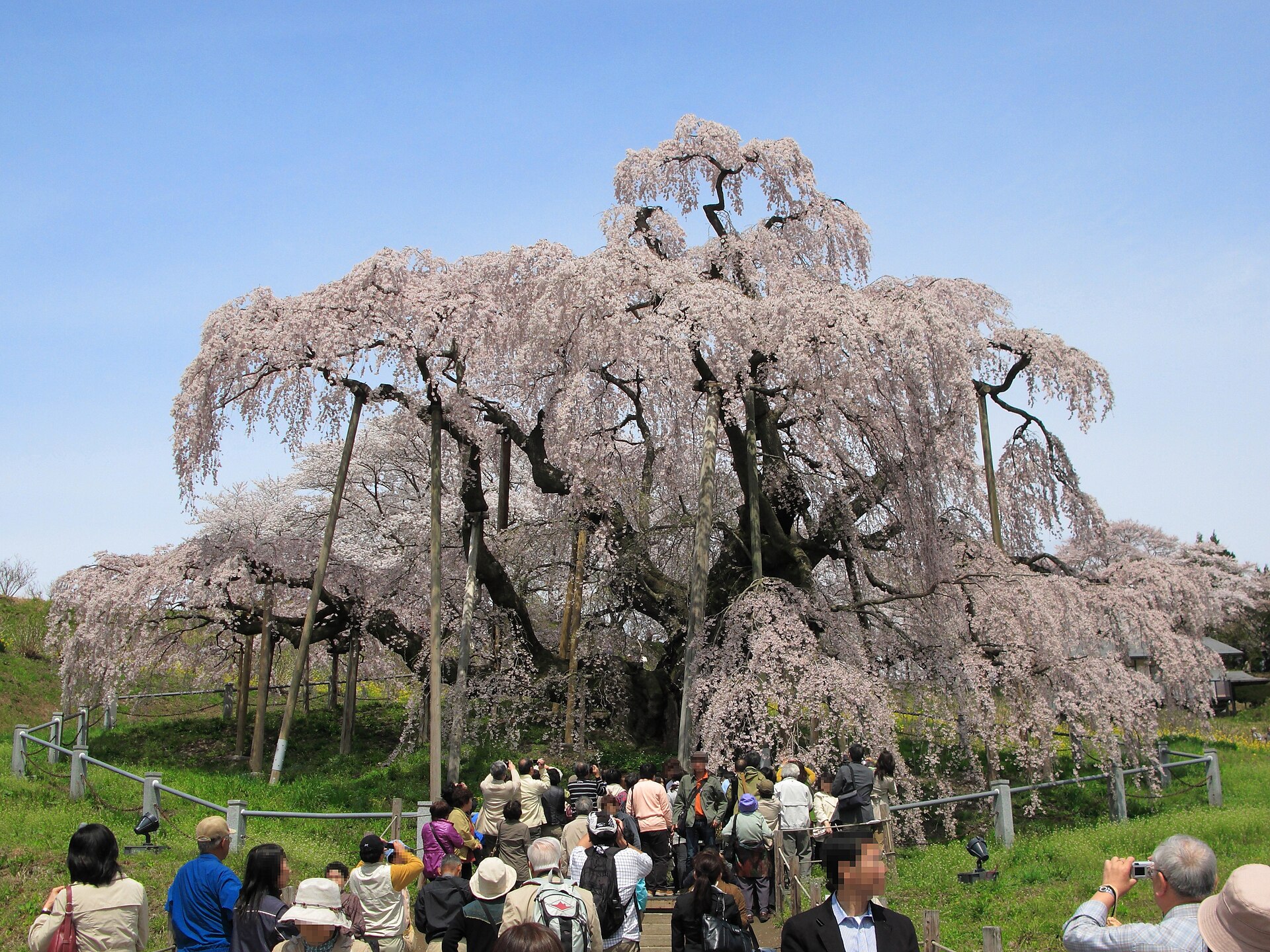
Miharu Takizakura — One of Japan's three great cherry trees
One of Japan's three great cherries, ticketed for two weeks and free the rest of the year.
-
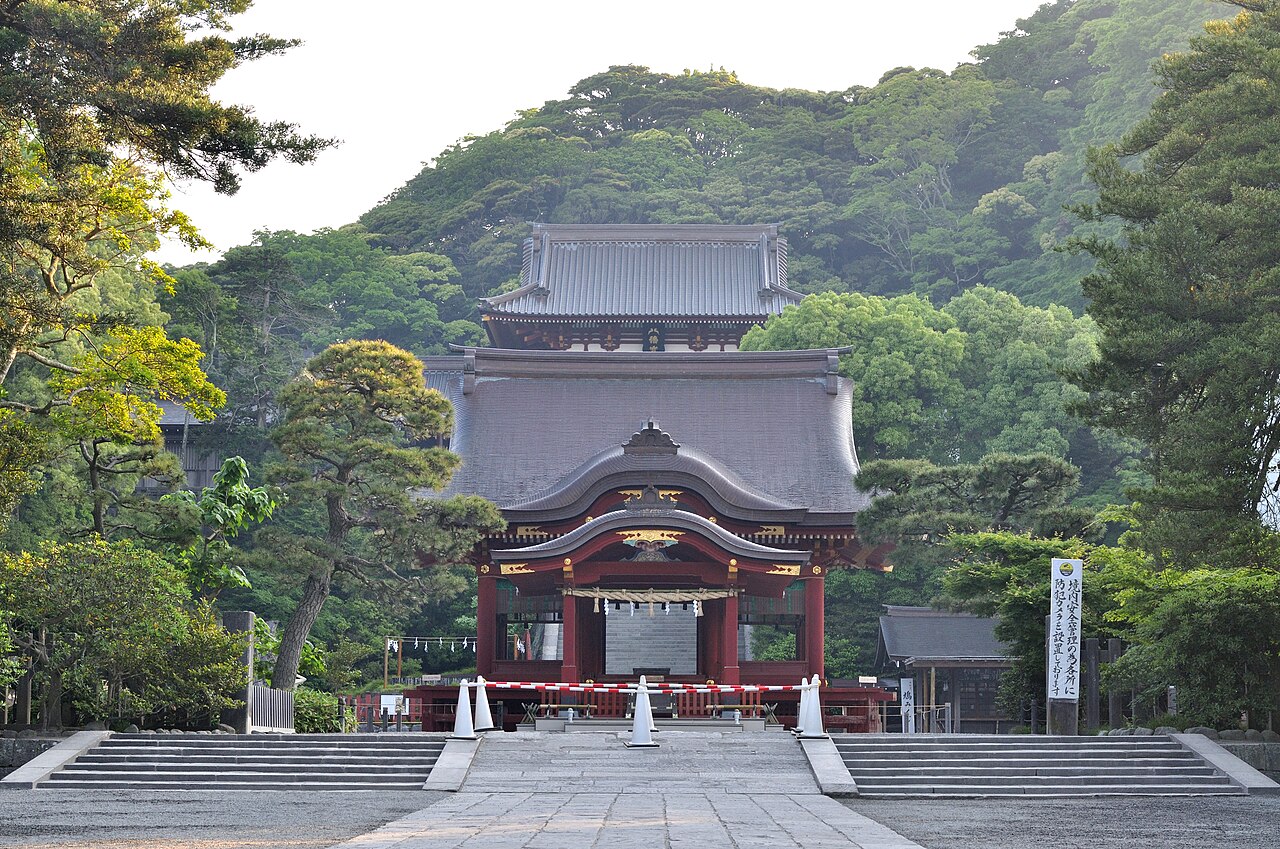
Tsurugaoka Hachimangu — Kamakura's founding shrine
Kamakura's founding shrine, reached up the quiet 500-metre Dankazura cherry avenue.
-
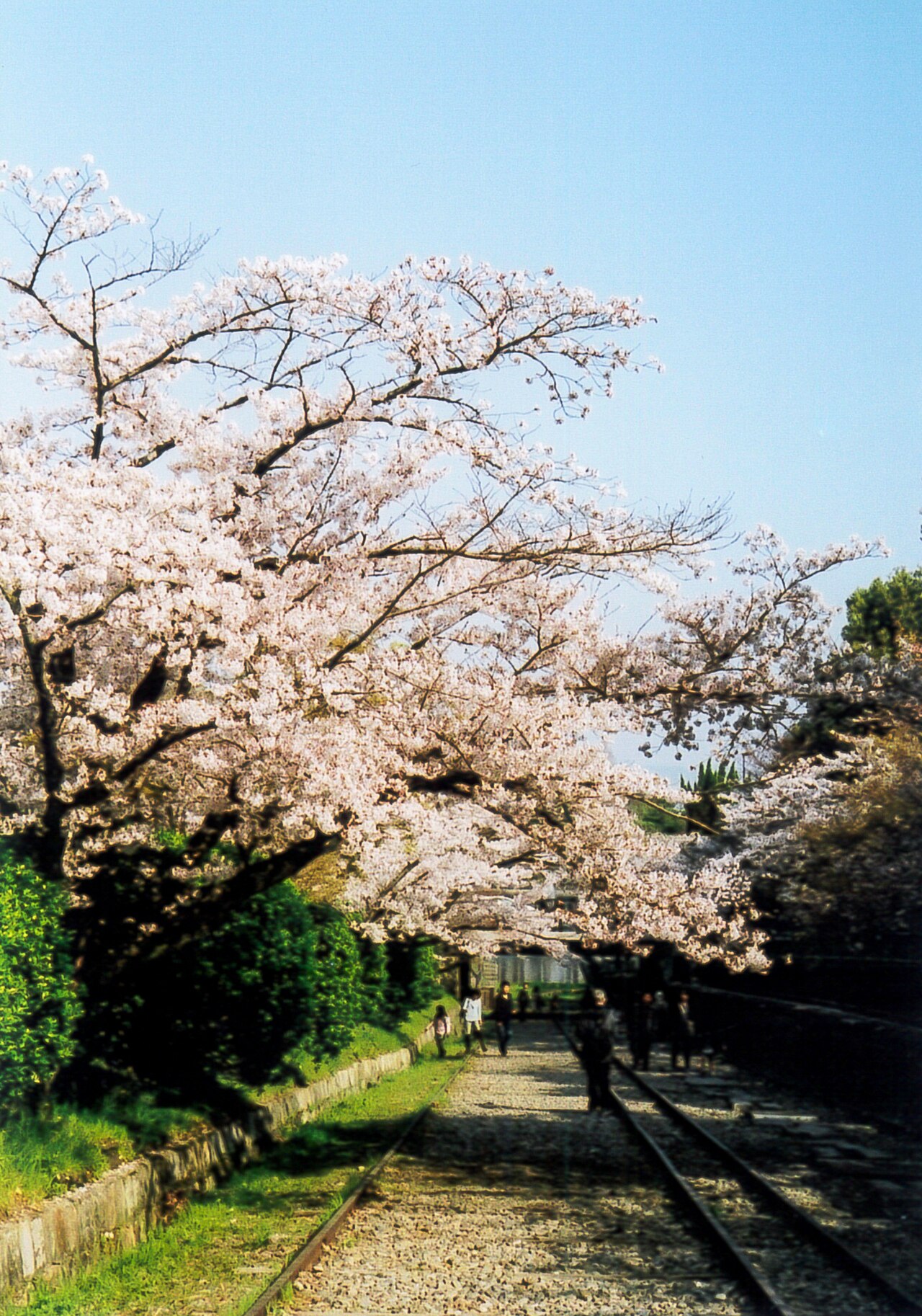
Keage Incline — the slope where boats were carried uphill
An 1891 boat railway left exactly where it stopped — free, ungated, and best walked at dawn under the cherry trees.
-
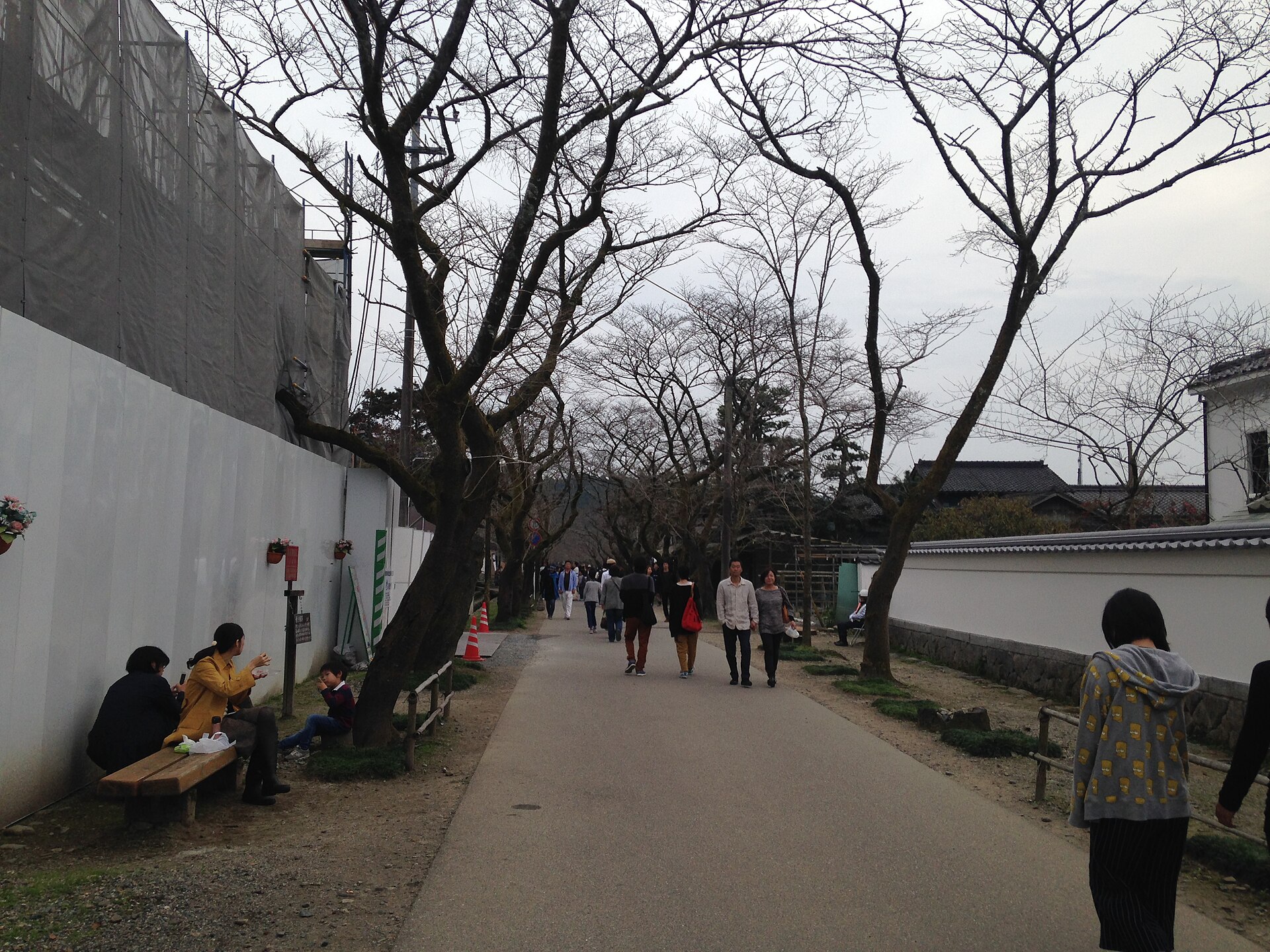
Akizuki Castle Town
A cherry avenue ending at a black castle gate, all on foot from one bus stop.
-
Koiwai Farm
Working heritage barns and one famous cherry, on open pasture under Mount Iwate.
-
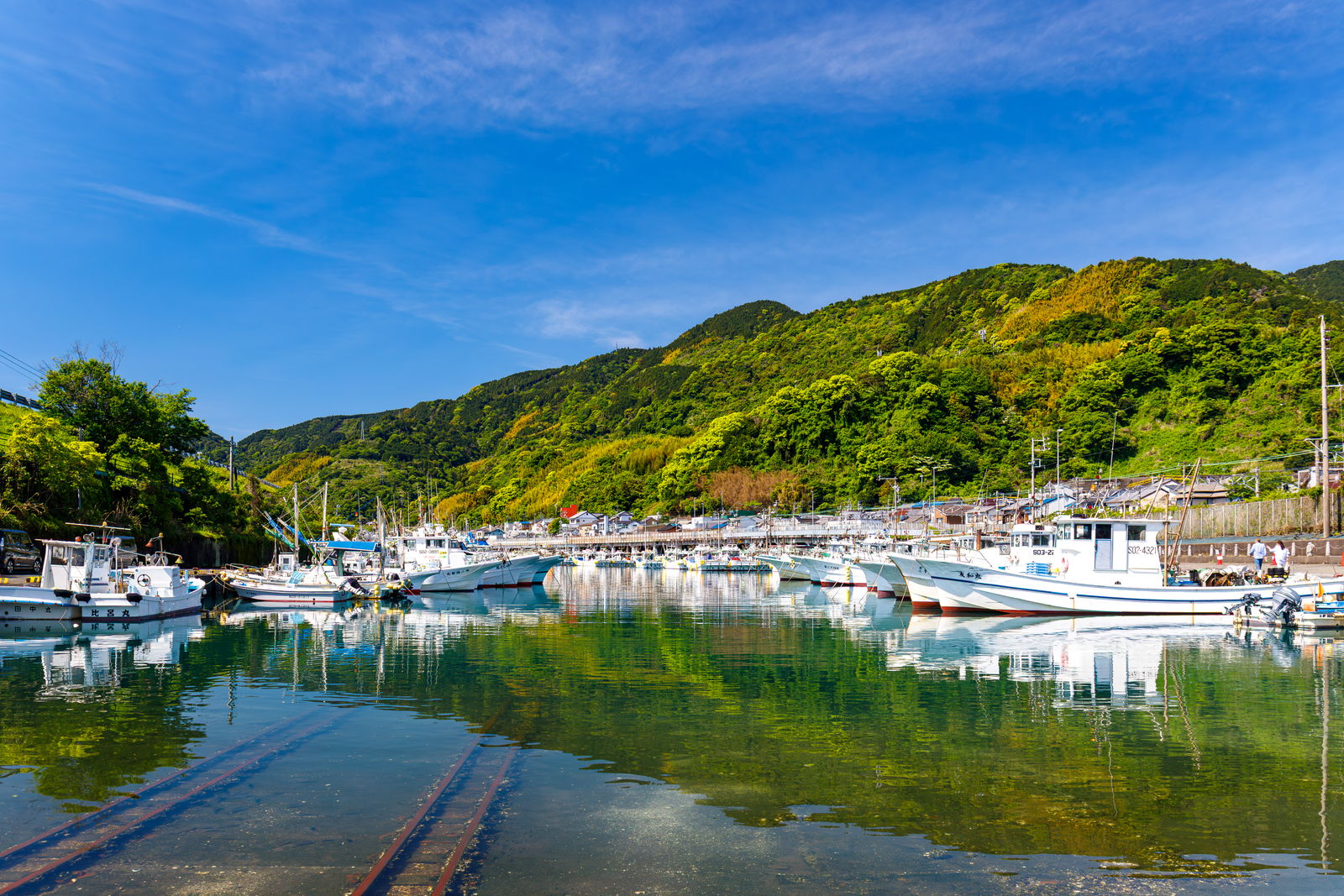
Yui Fishing Port — Japan's sakura shrimp harbour on Suruga Bay
The only bay in Japan that lands sakura shrimp, and the co-op counter sits right on the quay.
-
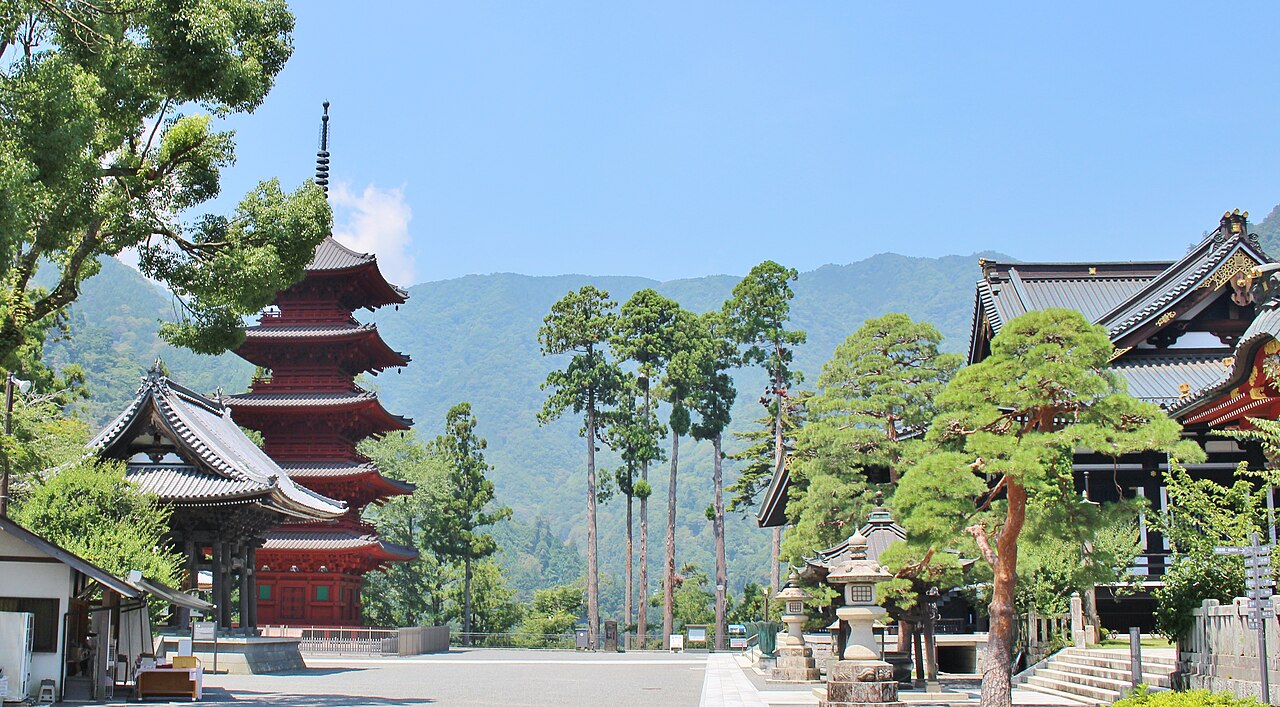
Kuon-ji on Mount Minobu — a head temple up 287 steps
The Nichiren head temple on a Yamanashi mountain: 287 steps, a 400-year-old weeping cherry, and a dawn service worth staying overnight for.
-
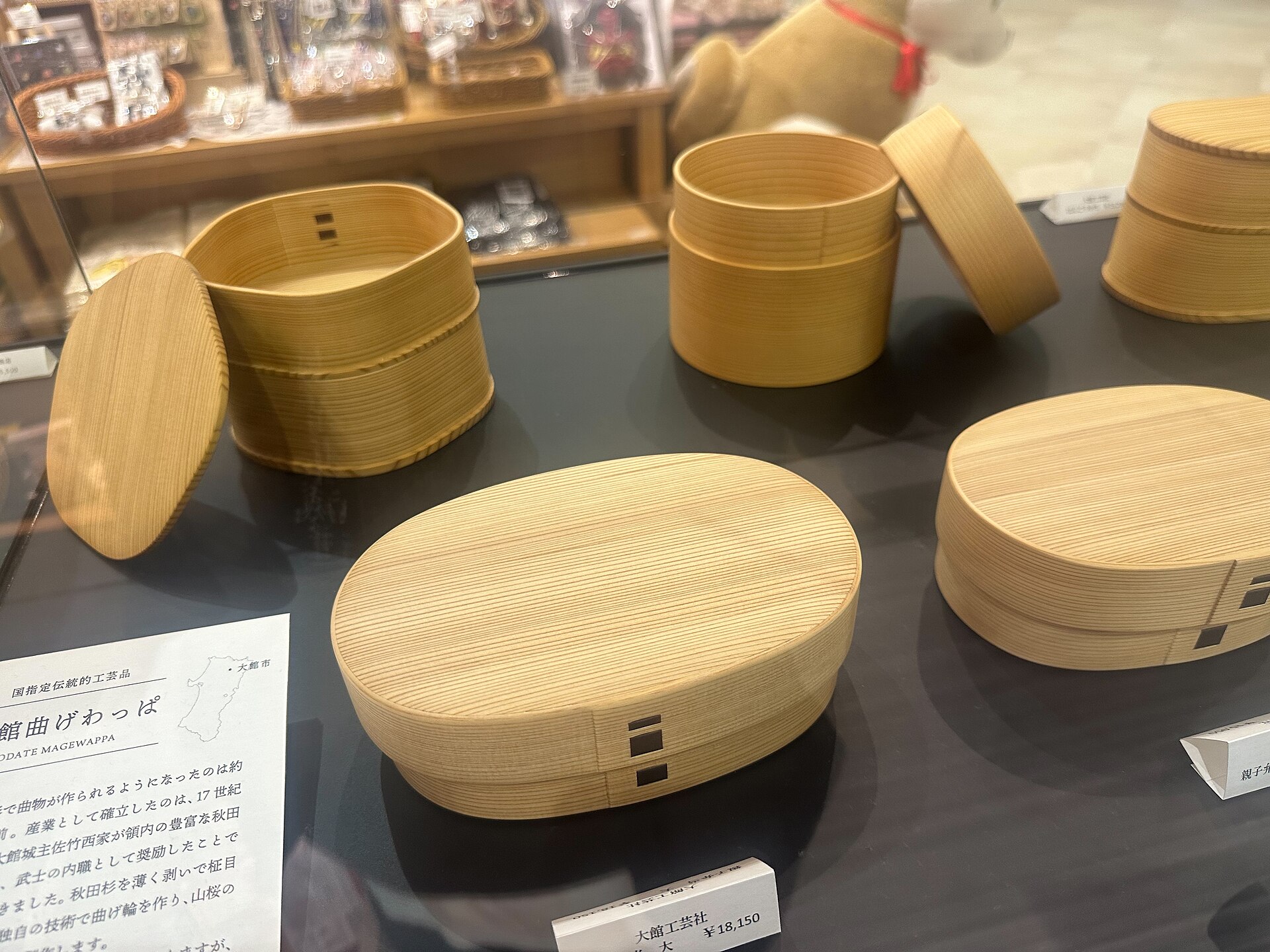
Odate Magewappa — Bentwood ware of Akita cedar sewn with cherry bark
A cedar-lined room where the lunch box is the smallest of the shapes.